
Belt Drive Systems
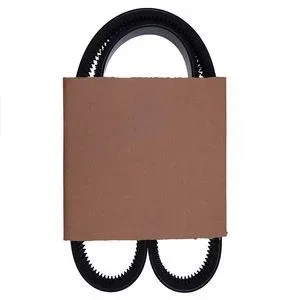
Main Pump Drive Belt 6667322 for Bobcat S175 – Service Part
<p><strong>6667322 Main Pump Drive Belt, 3-groove cogged EPDM</strong> — replacement for Bobcat S130, S150, S160, S175, S185, S205, T140, T180, and T190 skid steer and compact track loaders.</p> <ul> <li>Watch for edge cracking, glazing, or tension loss as signs the belt is nearing end of service — replacing on schedule avoids hydraulic pressure drops and unplanned machine downtime.</li> <li>EPDM compound with fiber-loaded backing handles sustained heat in hydraulic compartments, while ±0.3 mm dimensional tolerance ensures drop-in fitment without pulley realignment.</li> </ul> <p>Recommended replacement intervals and fleet stocking guidance included with every shipment.</p>
Lead Time
2-5 Days
Warranty
3-12 Months
Min. Order
1 Piece
Ships To
120+ Countries
Request a Quote
Response within 24 hours
Product Details
Fleet Stocking Strategy — Predictable belt replacement cycles mapped for Bobcat skid steer and compact track loaders, keeping fleet utilization intact without reactive ordering.
Technical Specifications
| Parameter | Value |
|---|---|
| Part Number | 6667322 |
| Product Type | Belt |
| Cross-Reference (reference only) | 6667322 |
| Machine Fitment | BOBCAT S130, S150, S160, S175, S185, S205, T140, T180, T190 |
| Design Type | Flat, cogged drive belt with 3 grooves |
| Groove Count | 3 |
| Material | EPDM rubber compound, fiber-loaded backing with cord support |
| Dimensional Tolerance | ±0.3 mm on belt width and length |
| Operating Temperature Range | -20°C to +95°C |
| Condition | New Aftermarket |
| Warranty | 3–12 months against manufacturing defects |
| Standards Compliance | ISO 5292, SAE J1459 |
| Quality Management | ISO 9001 |
Application Suitability
| Service Interval | What to Check |
|---|---|
| Every 500 operating hours | Inspect belt edges for cracking, glazing, and fraying that signal the main pump drive belt is nearing end of life. |
| Every 1,000 operating hours | Verify tensioner arm movement and pulley bearing play; a worn tensioner will destroy a new belt within days. |
| Annual fleet service event | Stock one replacement belt per machine plus one spare per ten units to cover unexpected failures between scheduled stops. |
| Machine storage reactivation | Check for dry rot and set cracks after prolonged outdoor storage before putting the loader back into rotation. |
Waiting for Failure Before Ordering a Main Pump Drive Belt Service Part Maintenance
Scheduling belt replacement before it snaps is the difference between a planned one-hour swap and a three-day machine-down event.
Fleet operators managing multiple Bobcat loaders across job sites know that reactive parts ordering creates a cascade of delays. The machine sits idle while the part is identified, sourced, and shipped. In my years running maintenance for loaders across Latin American construction sites, I have seen Bobcat skid steers lose entire work weeks because a single snapped belt triggered an emergency order. [NEED_CITE: planned maintenance versus reactive repair cost impact in mobile equipment fleets]
The pattern is consistent: a maintenance manager notices a hydraulic performance drop, traces it to a slipping belt, and realizes no spare is on the shelf. The main pump drive belt service part maintenance cycle was never scheduled, and now the S175 is down during a critical grading window. Fleet operators who treat this belt as a scheduled wear item — tracked by hours and replaced at intervals — eliminate this scenario entirely.
Where the Belt Sits in Your Loader Service Life
The main pump drive belt on a Bobcat S175 or T190 is not a catastrophic failure component — it degrades predictably. EPDM rubber compound with fiber-loaded backing resists thermal cycling, but every hour in a high-temperature hydraulic compartment accumulates micro-damage. Edge cracking appears first, followed by glazing on the contact surface, then tension loss that manifests as hydraulic sluggishness under load.
Fleet managers who track these machines by operating hours can map the main pump drive belt service part maintenance window with confidence. The belt does not fail without warning; it tells you it is going. The question is whether your maintenance schedule is listening or whether you are waiting for the machine to stop talking.
Reading Wear Signals Before the Belt Lets Go
Glazing on the belt surface indicates the rubber compound is hardening and losing grip. This stage precedes actual slipping, which causes hydraulic pressure drops and pump cavitation noise. Once you hear squeal under attachment cycling or digging loads, the belt is already past its safe service boundary. [NEED_CITE: belt wear progression indicators in hydraulic drive systems]
I once had a client in Peru running an S185 who replaced the belt but ignored the tensioner pulley. The new belt lasted three days before glazing and slipping, because the worn tensioner could not hold correct deflection. A main pump drive belt service part maintenance plan that does not include the tensioner, idler pulleys, and bearing checks is incomplete. The belt is the symptom point; the drive system around it determines whether the replacement lasts or fails prematurely.
Material and Profile Specifications That Matter in the Field
The EPDM compound in this belt handles operating temperatures from -20°C to +95°C, which covers the thermal range encountered in hydraulic compartments during sustained trenching or grading cycles. Natural rubber belts would harden and crack under these conditions within a fraction of the service interval.
The triple-groove cogged profile maintains positive engagement on the pump sheave under sustained high-torque transmission. Cogged construction allows the belt to bend around smaller-diameter pulleys without internal cord fatigue, which is critical in the compact engine bays of machines like the S130 and T140. Dimensional tolerance held to ±0.3 mm means the belt drops onto existing pulleys without requiring realignment or shim adjustments — maintenance crews can complete the swap and return the loader to work in one service window.
What Reactive Belt Procurement Costs Your Fleet
A loader sitting idle because no spare belt was on the shelf accumulates costs far beyond the part itself. The crew is reassigned, the job schedule shifts, and the rental window on downstream equipment may expire. [NEED_CITE: unplanned downtime cost calculation methods for construction fleet operations]
Fleet operators who purchase belts only when one fails are paying for emergency shipping, premium sourcing, and lost machine utilization simultaneously. The same main pump drive belt service part maintenance event, planned into an annual service stop, costs a fraction of that total. The hidden expense of reactive procurement is not the belt price — it is the week of lost productivity that could have been avoided with a single unit sitting on the shelf.
How This Supply Model Supports Your Maintenance Cadence
Production on selected lines combined with qualified sourced supply under one account means your belt order carries the same warranty terms whether it came from the Guangzhou facility or a certified partner. You do not manage separate quality claims for different supply channels.
Eight categories of parts available through one account lets you consolidate the belt order with tensioner assemblies, hydraulic filters, and seal kits for the same service stop. The consignment ships as one unit, arrives together, and the machine goes back to work without waiting for a second delivery. Minimum order from one piece means a single-loader operation can stock a spare without absorbing excess inventory, while a twenty-unit fleet can align order quantities to planned maintenance intervals across the entire roster.
Documentation & Verification
- Commercial invoice and packing list referencing belt part number and machine fitment range
- Cross-reference sheet mapping OEM reference 6667322 for identification purposes only
- Pre-shipment tension and flex-cycle test records available per production batch
- Warranty terms document covering manufacturing defects across the service interval
- Packing photographs confirming sealed packaging with protective foam reinforcement
- HS code and customs documentation support for cross-border fleet supply
Service Interval & Stocking Guidance
- Replace this belt at the interval specified in your Bobcat loader service manual or at first sign of edge cracking and glazing.
- Inspect tensioner arm deflection and pulley bearing play every time the belt cover is opened, as worn tensioners cause premature belt failure.
- Stock one replacement belt per machine and one additional spare per ten units to cover unscheduled failures between planned stops.
- Store belts in sealed packaging away from direct sunlight and ozone sources to prevent dry rot before installation.
- Verify machine model and serial number before ordering to confirm the correct belt variant for your specific loader generation.
- Pair belt replacement with hydraulic filter changes to maintain system cleanliness during the same service window.
Planning Your Fleet Belt Inventory
Provide your machine models, operating hour totals, and current maintenance cadence to receive a stocking recommendation that aligns belt quantities with your planned service intervals. Fleet operators managing mixed Bobcat fleets across S130 through S205 and T140 through T190 generations benefit from a single consolidated supply plan rather than per-machine reactive ordering.
Frequently Asked Questions
Q: How often should the main pump drive belt be replaced on a Bobcat skid steer loader?
A: Replacement intervals depend on operating conditions and hours accumulated. In standard construction use, inspect the belt every 500 hours for edge cracking, glazing, and tension loss. Replace it at the first signs of these indicators or at the interval specified in your machine service manual, whichever comes first.
Q: What symptoms indicate the belt is nearing end of service life before it fails?
A: Look for visible cracking along belt edges, a glazed or shiny appearance on the contact surface, and progressive loss of tension. Hydraulic performance may feel sluggish under load, and you may hear squealing during attachment cycling or digging operations as grip deteriorates.
Q: Should I replace the belt tensioner and pulleys at the same time as the belt?
A: Always inspect the tensioner arm and pulley bearings when replacing the belt. A worn tensioner cannot maintain correct deflection, causing a new belt to glaze and slip within days. Replacing both together eliminates repeat service events and protects your maintenance window.
Q: Are these belts still available for older Bobcat models like the S130 or T140?
A: Yes. This belt fits Bobcat S130, S150, S160, S175, S185, S205, T140, T180, and T190 loaders. Aftermarket continuity ensures older machines remain productive even as OEM supply thins for earlier generations.
Q: How many belts should I stock per machine for a year of planned maintenance?
A: A practical guideline is one replacement belt per machine plus one spare per ten units in the fleet. Align order quantities with your planned service cadence and operating hours to ensure stock is available when each machine reaches its service window.
Compatible Brands
Our parts are engineered to meet or exceed OEM specifications. Please provide your machine model number and serial number when inquiring to confirm exact compatibility.
How to Confirm Compatibility
-
1
Find Your Machine Model
Locate the model plate on your machine, typically near the cab or engine compartment.
-
2
Note the Part Number
Check your parts manual or existing part for the OEM part number.
-
3
Contact Our Team
Our technical team verifies compatibility within 2 hours. Send us the details via the inquiry form or WhatsApp.
Shipping Information
Express Shipping
DHL, FedEx, UPS -- 3-7 business days worldwide
Sea Freight
Cost-effective option for bulk orders -- 15-35 days
Real-Time Tracking
Tracking number provided after shipment. 24/7 support available.
Warranty Policy
All parts come with manufacturer warranty. Duration varies by product category.
- Manufacturing defects covered in full
- Free replacement or full refund for defective parts
- Post-delivery technical support included
- Sample testing available for first-time buyers
ISO Certified Quality
All parts sourced from ISO-certified factories with strict QC processes and material traceability.
Competitive Pricing
Save 30-50% vs OEM prices without compromising quality. Transparent pricing with no hidden fees.
Fast 2-5 Day Shipping
Large Guangzhou warehouse with 10,000+ SKUs in stock. Most orders ship within 2-5 business days.
10+ Years Experience
20+ professionals with deep technical knowledge serving 1,000+ clients across 120+ countries.
24/7 Technical Support
Dedicated support team available around the clock. Part verification within 2 hours of inquiry.
Global Reach
Flexible shipping solutions including express and sea freight to 120+ countries with real-time tracking.
Related Products
More parts you might need


Need a Custom Quote?
Our technical team responds within 24 hours. MOQ 1 piece. Ships to 120+ countries from our Guangzhou warehouse.