
Engine Auxiliary Components
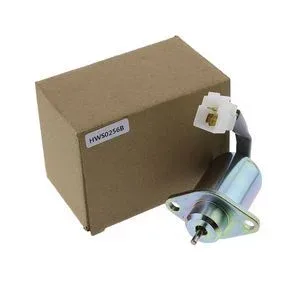
Stop Solenoid Replacement for Kubota D905 V1505T Scheduled Maintenance
<p><strong>17454-60010 16616-60010 Stop Solenoid, 12V, <35 ms Response</strong> — replacement for Kubota D905, V1505T and 05-series engines. Proactive replacement during scheduled service intervals prevents erratic fuel cutoff and hard-start conditions caused by progressive O-ring degradation and residual magnetism buildup. Single-component swap avoids unnecessary assembly exchange. Suggested replacement intervals provided with shipment for fleet maintenance planning.</p>
Lead Time
2-5 Days
Warranty
3-12 Months
Min. Order
1 Piece
Ships To
120+ Countries
Request a Quote
Response within 24 hours
Product Details
Proactive Fleet Stocking — verified aftermarket replacement for Kubota 05-series stop solenoids keeps aging B-series and F-series tractors serviceable long after OEM support thins.
Technical Specifications
| Parameter | Value |
|---|---|
| Part Number | 17454-60010 16616-60010 |
| Product Type | Stop Solenoid |
| Cross-Reference | 17454-60010, 16616-60010, 16616-60013, 16616-60015, 17594-60014, SA-4569T, 1503ES-12A5UC5S, 17454-6001-0 (reference only) |
| Machine Fitment | B1700D, B1700E, B1700HSD, B1700HSE, B21, B2100D, B2100E, B2100HSD, B2100HSE, B2400D, B2400E, B2400HSD, B2400HSE, BX2200D, BX22D, F2260, F2560, F2560E, F3060 |
| Voltage | 12V |
| Electrical Resistance | 3.2–3.8 Ω at 20°C |
| Response Time | <35 ms |
| Operating Temperature | 120°C (seal rating) |
| Pressure Rating | 5 bar (seal rating) |
| Armature Core Material | High-permeability silicon steel |
| Plunger Shaft Hardness | HRC 58–62 |
| Plunger Shaft Surface Finish | Ra ≤0.4 μm |
| Sealing Material | Dual NBR O-rings |
| Dimensional Tolerance | ±0.05 mm (mounting flange and solenoid bore) |
| Condition | New Aftermarket |
| Warranty | 6 months against manufacturing defects |
| MOQ | 1 piece |
| Standards | ISO 9001, ISO 8528-5 |
Application Suitability
| Service Interval | What to Check |
|---|---|
| Every 1,500–2,000 operating hours | Measure coil resistance; replace if outside 3.2–3.8 Ω range |
| Annual scheduled electrical inspection | Verify response time and inspect O-ring seals for hardening or flattening |
| Pre-season fleet service (agricultural) | Confirm shutoff function under load; listen for delayed fuel cutoff |
| Rental turnaround between contracts | Test start/stop cycle; replace solenoid if any hesitation detected |
| Machines exceeding 5,000 hours | Replace proactively regardless of apparent function; armature magnetism degrades silently |
When the 12V Fuel Shutoff Solenoid service part maintenance Becomes a Fleet Liability
Most fleet shutdowns traced to stop solenoids were preventable with a scheduled swap during routine service windows.
Across hundreds of Kubota B-series and F-series units observed in field service, the pattern repeats: a single 12V fuel shutoff solenoid service part maintenance failure idles a machine while the crew waits for an emergency shipment. The solenoid costs a fraction of a single day’s lost output, yet it routinely escapes preventive schedules until the operator reports hard-start or the engine refuses to shut down cleanly. [NEED_CITE: electrical component preventive replacement intervals for compact diesel equipment]
Fleet operators managing mixed-age Kubota tractors face a compounding problem. Older machines accumulate solenoid failures at higher rates as wiring harnesses age and connector corrosion adds resistance to the circuit, pushing marginal solenoids past their failure threshold without warning.
Where This Component Sits in the Kubota 05-Series Service Life
The stop solenoid on Kubota D905, V1505T, and related 05-series engines is an electrically actuated wear component, not a lifetime fitment. Its position in the 12V fuel shutoff solenoid service part maintenance schedule should align with other electrical wear items — glow plugs, relay contacts, and starter motor brushes — all of which share similar degradation curves driven by thermal cycling and vibration. Replacing the solenoid during a scheduled electrical system service avoids the common scenario where a machine that started fine on Monday fails to restart after a Tuesday lunch break.
Wear Progression and the Case for Proactive Replacement
O-ring seal degradation is typically the first visible sign of solenoid aging. The dual NBR seals harden under sustained 120°C exposure, losing compliance and allowing fuel weeping that may not trigger an operator alert. Simultaneously, residual magnetism builds in the silicon steel armature core, slowing plunger response past the <35 ms specification. When response degrades, the engine experiences erratic fuel cutoff and hard-start conditions that mechanics often misdiagnose as injection pump wear. Replacing the stop solenoid before these symptoms surface protects higher-cost adjacent assemblies from secondary stress. [NEED_CITE: residual magnetism effects on solenoid response time in diesel fuel systems]
Reading the Specifications for Real-World Service Decisions
The 3.2–3.8 Ω resistance specification at 20°C provides a quick field-check threshold: any reading outside this band indicates winding degradation that will worsen with heat soak. The high-permeability silicon steel armature core is selected specifically to minimize residual magnetism buildup, extending the window before response time drifts. The HRC 58–62 plunger shaft with Ra ≤0.4 μm surface finish resists scoring against the solenoid bore, maintaining the ±0.05 mm dimensional tolerance that prevents fuel bypass. Dual NBR O-rings rated to 5 bar and 120°C provide redundant sealing — if the primary seal hardens, the secondary maintains containment long enough to reach the next service window rather than leaving a machine inoperable mid-shift.
The Accumulated Cost of Reactive Solenoid Procurement
When a fleet treats stop solenoids as emergency purchases rather than planned maintenance items, the costs compound in ways that never appear on a parts invoice. A machine down on a construction site or in a rice paddy during harvest waits not just for the solenoid but for the logistics chain to deliver it — often turning a same-day swap into a multi-day outage. Across a fleet of twenty Kubota tractors running staggered service intervals, reactive purchasing means at least one or two unplanned shutdowns per season that a small forward-stock investment would have eliminated entirely. [NEED_CITE: cost modeling of reactive versus preventive parts procurement in fleet maintenance]
What Supports This Procurement Decision
Production on selected electrical component lines and qualified sourced supply operate under one account and one six-month warranty, so solenoid orders carry the same quality terms whether the batch is in-house or partner-sourced. The eight-category catalog means a fleet electrical service order — solenoids, relays, glow plugs, harness connectors — ships as a single consignment rather than splitting across multiple suppliers with mismatched lead times. Minimum order of one piece allows stocking exactly the quantity the fleet plan requires without padding to meet arbitrary thresholds. Guangzhou warehouse stock enables fast dispatch on common Kubota 05-series items. Part identification from machine model, engine serial, or a photograph of the nameplate resolves variant questions before the order ships. Cross-reference verification covers superseded numbers including 16616-60013 and 17594-60014, ensuring continuity for discontinued models.
Documentation & Verification
- Commercial invoice listing solenoid variant, cross-reference numbers, and machine fitment confirmation
- Cross-reference sheet mapping 16616-60010 family to superseded and alternate part numbers (reference only)
- Dimensional inspection record verifying ±0.05 mm tolerance on mounting flange and bore
- Resistance test certificate confirming 3.2–3.8 Ω at 20°C for each dispatched unit
- Packing photographs showing O-ring protection and anti-corrosion wrapping
- HS code classification support for international customs clearance
Service Interval & Stocking Guidance
- Replace stop solenoid every 1,500–2,000 hours or during major electrical system service, whichever comes first
- Check coil resistance annually; readings trending toward the 3.8 Ω boundary indicate imminent winding failure
- Stock one spare solenoid per five machines for B-series fleets; two per five for F-series running heavier duty cycles
- Store spares in sealed anti-static packaging below 40°C; NBR O-rings degrade in prolonged UV exposure
- Inspect stored spares every twelve months for O-ring pliability before issuing to service technicians
Requesting a Fleet Maintenance Quote
Provide your Kubota machine models, engine serial numbers, and current operating hours for each unit. This allows the technical team to confirm the correct solenoid variant across your fleet and recommend stocking quantities aligned with your service schedule and planned maintenance windows.
Frequently Asked Questions
Q: How often should the stop solenoid be replaced under normal operating conditions?
A: Scheduled replacement every 1,500–2,000 operating hours aligns with the typical wear curve for dual NBR O-ring seals and silicon steel armature cores in Kubota 05-series engines. Machines operating in high-ambient-temperature environments or heavy vibration conditions may benefit from earlier intervals. Resistance testing at each annual service provides early warning of winding degradation before outright failure occurs.
Q: What symptoms indicate the solenoid is approaching end of service life?
A: Intermittent hard-start, delayed engine shutoff after key-off, or occasional failure to restart when hot all suggest armature response time has drifted beyond specification. Fuel weeping around the solenoid mounting flange indicates O-ring hardening. A multimeter reading outside the 3.2–3.8 Ω range at 20°C confirms winding degradation requiring replacement.
Q: Should I replace just the solenoid or the entire fuel shutoff assembly?
A: When the solenoid body, mounting flange, and fuel passages are undamaged and electrical resistance falls within specification after replacement, single-component replacement is sufficient. Full assembly exchange becomes necessary only when bore scoring exceeds the ±0.05 mm tolerance or the fuel passage shows internal corrosion that compromises seal seating.
Q: How many spare units should I keep in fleet inventory?
A: For a fleet of Kubota B-series or BX-series tractors running standard agricultural duty cycles, one spare per five machines covers typical consumption. F-series machines in construction or quarry applications experience higher vibration and thermal loading, making two spares per five machines a more conservative buffer against unplanned downtime.
Q: My Kubota model is discontinued — can I still get a verified replacement solenoid?
A: Cross-reference verification covers superseded part numbers across the 16616-60010 family, including 16616-60013, 16616-60015, and 17594-60014. Providing your machine model and engine serial allows confirmation that the aftermarket solenoid matches your specific variant, even when the original equipment manufacturer has discontinued direct supply for that generation.
Compatible Brands
Our parts are engineered to meet or exceed OEM specifications. Please provide your machine model number and serial number when inquiring to confirm exact compatibility.
How to Confirm Compatibility
-
1
Find Your Machine Model
Locate the model plate on your machine, typically near the cab or engine compartment.
-
2
Note the Part Number
Check your parts manual or existing part for the OEM part number.
-
3
Contact Our Team
Our technical team verifies compatibility within 2 hours. Send us the details via the inquiry form or WhatsApp.
Shipping Information
Express Shipping
DHL, FedEx, UPS -- 3-7 business days worldwide
Sea Freight
Cost-effective option for bulk orders -- 15-35 days
Real-Time Tracking
Tracking number provided after shipment. 24/7 support available.
Warranty Policy
All parts come with manufacturer warranty. Duration varies by product category.
- Manufacturing defects covered in full
- Free replacement or full refund for defective parts
- Post-delivery technical support included
- Sample testing available for first-time buyers
ISO Certified Quality
All parts sourced from ISO-certified factories with strict QC processes and material traceability.
Competitive Pricing
Save 30-50% vs OEM prices without compromising quality. Transparent pricing with no hidden fees.
Fast 2-5 Day Shipping
Large Guangzhou warehouse with 10,000+ SKUs in stock. Most orders ship within 2-5 business days.
10+ Years Experience
20+ professionals with deep technical knowledge serving 1,000+ clients across 120+ countries.
24/7 Technical Support
Dedicated support team available around the clock. Part verification within 2 hours of inquiry.
Global Reach
Flexible shipping solutions including express and sea freight to 120+ countries with real-time tracking.
Related Products
More parts you might need

Engine Auxiliary Components
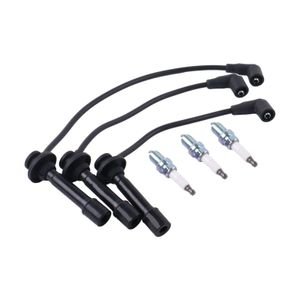
Spark Plug and Wire Kit for Yanmar 3TNV70 Engine – Direct Replacement for John Deere XUV 825i/835M
View Details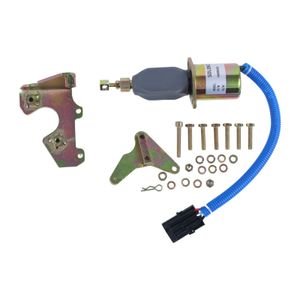
Engine Auxiliary Components
Fuel Shut-Off Solenoid SA-4026-12 for Cummins 5.9L/8.3L Engines – 12V Direct Replacement
View Details
Need a Custom Quote?
Our technical team responds within 24 hours. MOQ 1 piece. Ships to 120+ countries from our Guangzhou warehouse.