
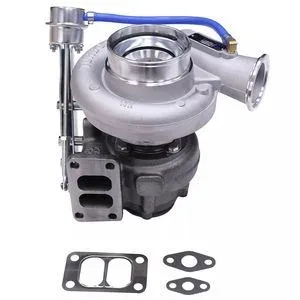
Emission & Exhaust System
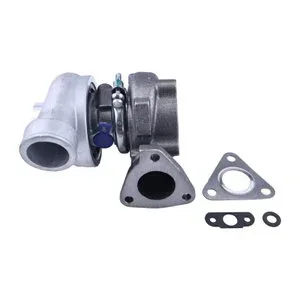
Emission & Exhaust System
ISO Certified
Ships 2-5 Days
MOQ 1 Piece
Emission & Exhaust System
TD04L Turbocharger 187154 – Scheduled Maintenance for Deutz BF4L2011
<p><strong>TD04L Turbocharger 187154, Replacement for Deutz BF4L2011/BF4M2011, Oil-Lubricated Journal Bearings</strong> — supports planned maintenance cycles on Gehl 5640 and 6640 skid steer loaders.</p> <ul> <li>Watch for loss of boost pressure, increased oil consumption, or turbine noise as early wear indicators</li> <li>Replace during scheduled service windows rather than waiting for complete failure to avoid cascading downtime</li> <li>Inspect oil supply lines, air filters, and exhaust manifold gaskets at the same service interval</li> <li>Stocking critical spares at fleet level keeps rental turnaround and project schedules on track</li> </ul> <p>Replacement interval recommendations included with shipment for long-term maintenance planning.</p>
Lead Time
2-5 Days
Warranty
3-12 Months
Min. Order
1 Piece
Ships To
120+ Countries
187154
Deutz BF4L2011
For Deutz
Oil Lubricated Bearing
Service Part
turbocharger
Request a Quote
Response within 24 hours
Prefer instant chat?
WhatsApp
Product Details
Fleet Spares Planning — Securing predictable replacement intervals for Deutz-powered skid steer loaders before turbo degradation forces a machine offline.
Technical Specifications
| Parameter | Value |
|---|---|
| Part Number | 187154 |
| Product Type | Turbocharger |
| Cross-Reference | 04272325, 04272325KZ, 4272325, 49377-07700, 04272458 (reference only) |
| Machine Fitment | Deutz BF4L2011, BF4M2011; Gehl 5640, Gehl 6640 |
| Condition | New Aftermarket |
| Turbine Housing Material | Nickel-alloy |
| Bearing Type | Oil-lubricated journal bearings |
| Operating Speed | Exceeding 100,000 RPM |
| Turbine Wheel | Precision-machined, balanced to OEM tolerances |
| Mounting Hardware | Included for drop-in installation |
| Warranty | 3–12 months |
| Manufacturing Standard | ISO 9001 |
Application Suitability
| Service Interval | What to Check |
|---|---|
| Every 500 operating hours | Inspect for oil seepage at compressor housing seals and listen for unusual turbine whine under load. |
| Every 1,000 operating hours | Verify boost pressure holds within specification during full-load grading or high-altitude debris removal. |
| Every 2,000 operating hours or major service | Check radial and axial shaft play; replace if bearing clearances exceed wear limits. |
| Scheduled engine overhaul | Replace turbocharger as a matched set with new oil supply and return lines to prevent contaminant carryover. |
Why Reactive Turbo Sourcing Keeps Fleets Grounded
Waiting for failure before ordering a replacement turbocharger service part is the costliest maintenance decision a fleet manager makes.
In dusty, high-temperature environments, the TD04L turbocharger on a Deutz BF4L2011 engine degrades progressively, not suddenly. Loss of boost pressure, rising oil consumption, and a distinct whine under load appear long before the turbine seizes. Yet many operators ignore these signals, treating the turbocharger as a run-to-failure component. When it finally fails, the machine is down, the job site stalls, and sourcing becomes an emergency. [NEED_CITE: turbocharger failure modes in construction diesel engines]
This turbocharger service part supports planned maintenance windows rather than emergency logistics. By stocking units at the fleet level, operators replace the turbocharger during scheduled downtime, keeping Gehl 5640 and 6640 loaders productive through their full service life.
Where the Turbocharger Fits in the Machine Lifecycle
The turbocharger sits at the center of the engine’s air management system, directly influencing combustion efficiency and power delivery across every hour of operation. As a wear part, it demands attention long before catastrophic failure. Scheduling replacement around known operating hour milestones keeps Deutz BF4M2011 engines performing consistently, whether in excavation, grading, or continuous material handling.
Recognizing Wear Before It Becomes Downtime
Typical turbocharger wear progression follows a recognizable pattern. Early signs include subtle boost pressure loss during heavy cycles, a slight increase in oil consumption, and faint turbine noise that grows louder over successive service intervals. Left unchecked, oil begins seeping past worn journal bearings into the intake tract, contaminating downstream components. Replacing the turbocharger service part at the first confirmed signs of degradation prevents cascading damage to intercoolers, intake manifolds, and cylinder liners. [NEED_CITE: turbocharger wear progression indicators in heavy equipment diesel applications]
Understanding Nickel-Alloy Housing and Journal Bearing Design
The nickel-alloy turbine housing withstands sustained exhaust gas temperatures that exceed the tolerance of standard cast iron, maintaining dimensional stability under the continuous thermal cycling typical of skid steer loaders working full shifts. Oil-lubricated journal bearings support shaft speeds exceeding 100,000 RPM with a thin hydrodynamic film that depends entirely on clean, uninterrupted oil supply. Any restriction in the feed line or contamination from degraded oil accelerates bearing wear disproportionately. The precision-balanced turbine wheel ensures vibration remains within acceptable limits throughout service life, protecting both the turbocharger and the engine’s crankshaft bearings from harmonic stress. Drop-in mounting hardware eliminates fitment guesswork during scheduled replacement.
The Compounding Cost of Unplanned Turbo Failures
Reacting to turbocharger failure instead of scheduling replacement means every failure triggers a full logistics chain: diagnosis, sourcing, shipping, and installation—all while the machine sits idle. A fleet running multiple Gehl 6640 units without spare turbocharger service parts on the shelf faces this cycle repeatedly. Worse, a failed turbo often sends metal fragments into the intake, turning a component replacement into an engine teardown. Planned stocking at the fleet level converts unpredictable emergency downtime into managed service windows. [NEED_CITE: unplanned downtime cost multipliers in construction fleet operations]
What Makes This Supply Source Different
We produce selected turbocharger lines in our own facility and source the remainder from qualified ISO-certified manufacturing partners, meaning every unit carries the same quality control and warranty terms regardless of origin. Eight product categories under one account allow a complete service kit—turbocharger, oil lines, gaskets, air filters—to ship as a single consignment. Our Guangzhou warehouse holds stock on common Deutz-compatible turbocharger configurations for fast dispatch. Technical staff verify machine model and engine serial to confirm the correct variant before any order ships, and sample supply is available for fitment confirmation before bulk fleet commitments.
Documentation & Verification
- Commercial invoice and packing list referencing turbocharger part number and cross-reference codes
- Fitment sheet confirming Deutz BF4L2011/BF4M2011 engine compatibility for fleet records
- Dimensional and balance inspection record for each turbocharger service part shipped
- Warranty terms covering manufacturing defects for the stated coverage period
- Packing photographs documenting protective crating before dispatch
- HS code and customs classification support for international fleet operators
Service Interval & Stocking Guidance
- Replace the TD04L turbocharger service part at confirmed wear signs or scheduled overhaul milestones
- Monitor boost pressure and oil consumption weekly to detect early degradation trends
- Stock one spare turbocharger per five machines in active rotation for uninterrupted fleet coverage
- Store spare units in sealed packaging away from moisture and temperature extremes until installation
Planning Your Fleet’s Turbo Replacement Cycle
Provide your Deutz engine model, machine serial numbers, and current operating hours to receive a tailored replacement schedule and stocking recommendation. Our team maps the correct turbocharger service part to your specific equipment configuration and operating conditions.
Frequently Asked Questions
Q: How often should this turbocharger be inspected on a Gehl skid steer loader?
A: Visual and auditory inspection every 500 hours catches early wear signs such as oil seepage and turbine whine. A thorough shaft play check at 1,000-hour service intervals confirms whether the turbocharger service part remains within acceptable clearances or requires scheduled replacement during the next maintenance window.
Q: What symptoms indicate the turbocharger is wearing before it fails completely?
A: Progressive boost pressure loss under load, rising oil consumption without visible external leaks, and increasing turbine noise during acceleration all point to journal bearing wear. Catching these indicators early allows planned replacement rather than reactive emergency sourcing after catastrophic failure.
Q: Should oil lines and gaskets be replaced at the same time as the turbocharger?
A: Yes. Old oil supply lines can carry contaminants that accelerate wear on new journal bearings. Replacing feed and return lines along with mounting gaskets during turbocharger service part installation ensures clean oil delivery and prevents early degradation of the replacement unit.
Q: Will this turbocharger remain available as my Gehl loaders age past standard support?
A: We maintain long-term supply commitments for Deutz BF4L2011 and BF4M2011 compatible turbocharger configurations. Fleet operators running older Gehl 5640 and 6640 units beyond typical brand support windows can rely on continued aftermarket availability for scheduled maintenance programs.
Compatible Brands
CAT
KOMATSU
HITACHI
VOLVO
HYUNDAI
DOOSAN
KOBELCO
SANY
XCMG
Our parts are engineered to meet or exceed OEM specifications. Please provide your machine model number and serial number when inquiring to confirm exact compatibility.
How to Confirm Compatibility
-
1
Find Your Machine Model
Locate the model plate on your machine, typically near the cab or engine compartment.
-
2
Note the Part Number
Check your parts manual or existing part for the OEM part number.
-
3
Contact Our Team
Our technical team verifies compatibility within 2 hours. Send us the details via the inquiry form or WhatsApp.
Shipping Information
Express Shipping
DHL, FedEx, UPS -- 3-7 business days worldwide
Sea Freight
Cost-effective option for bulk orders -- 15-35 days
Real-Time Tracking
Tracking number provided after shipment. 24/7 support available.
Warranty Policy
3-12
Months Warranty
All parts come with manufacturer warranty. Duration varies by product category.
- Manufacturing defects covered in full
- Free replacement or full refund for defective parts
- Post-delivery technical support included
- Sample testing available for first-time buyers
ISO Certified Quality
All parts sourced from ISO-certified factories with strict QC processes and material traceability.
Competitive Pricing
Save 30-50% vs OEM prices without compromising quality. Transparent pricing with no hidden fees.
Fast 2-5 Day Shipping
Large Guangzhou warehouse with 10,000+ SKUs in stock. Most orders ship within 2-5 business days.
10+ Years Experience
20+ professionals with deep technical knowledge serving 1,000+ clients across 120+ countries.
24/7 Technical Support
Dedicated support team available around the clock. Part verification within 2 hours of inquiry.
Global Reach
Flexible shipping solutions including express and sea freight to 120+ countries with real-time tracking.
Related Products
More parts you might need
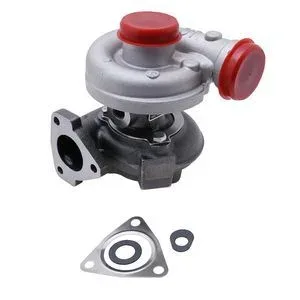
Emission & Exhaust System
Turbocharger 6690633 for Deutz BF4M2011 & Bobcat Skid Steer – Fleet Supply
View Details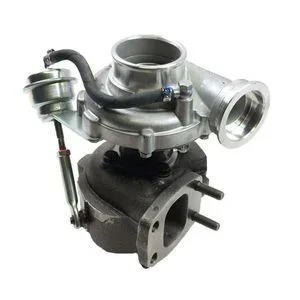

Emission & Exhaust System
Turbocharger 6690633 for Deutz BF4M2011 & Bobcat Skid Steers – OEM-equivalent performance
View DetailsNeed a Custom Quote?
Our technical team responds within 24 hours. MOQ 1 piece. Ships to 120+ countries from our Guangzhou warehouse.