

Emission & Exhaust System
Emission & Exhaust System
ISO Certified
Ships 2-5 Days
MOQ 1 Piece
Emission & Exhaust System
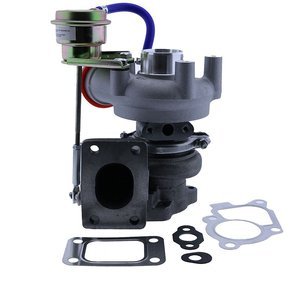
TD04L4 Turbocharger 436-1920 for CAT C3.3B – Scheduled Maintenance
<p><strong>TD04L4 Turbocharger 436-1920 replacement for CAT C3.3B, Ni-Resist D2 turbine housing, forged 7075-T6 compressor wheel</strong> — compatible with skid steer loaders, compact excavators, and wheel loaders including 308, 308E2 CR, 236D3, and 259D3. Plan proactive replacement at scheduled service intervals to prevent cascading damage to intercoolers and EGR systems, watching for rising exhaust temperatures and reduced boost pressure as early wear indicators. Component exchange is typically more cost-effective than full assembly swap on C3.3B-powered fleets. Recommended maintenance intervals included with shipment for fleet planning reference.</p> <ul> <li>Cross-reference: 436-1920, CA436-192, 436-192</li> <li>Engine fitment: CAT C3.3B</li> <li>Warranty: 12 months against manufacturing defects</li> </ul>
Lead Time
2-5 Days
Warranty
3-12 Months
Min. Order
1 Piece
Ships To
120+ Countries
436-1920
CAT C3.3B
CAT Compatible
Service Part
TD04L4 Turbo
turbocharger
Request a Quote
Response within 24 hours
Prefer instant chat?
WhatsApp
Product Details
Fleet Stocking Planning — proactive TD04L4 turbocharger provisioning prevents cascading exhaust system failures across C3.3B fleets operating in high-dust environments.
Technical Specifications
| Parameter | Value |
|---|---|
| Part Number | 436-1920 |
| Product Type | Turbocharger |
| Cross-Reference | 436-1920, CA436-192, 436-192, 436192 (reference only) |
| Machine Fitment | 308, 308.5, 308E2 CR, 308E2 SR, 309, 310, 236D, 236D3, 242D, 242D3, 246D, 246D3, 257D, 257D3, 259D, 259D3, 262D, 262D3, 277D, 279D, 279D3, 287D, 289D, 289D3, AP300F, AP355F, 906M, 907M, 908M |
| Turbo Model | TD04L4, TD04L4-09TK3-5.0 |
| Engine Fitment | CAT C3.3B |
| Turbine Housing Material | Ni-Resist D2 alloy |
| Compressor Wheel Material | Forged 7075-T6 aluminum |
| Bearing Type | Dual ceramic ball bearings |
| Turbine Shaft Runout | <0.02 mm |
| Compressor Outlet Diameter | 52.0 ±0.1 mm |
| Journal Surface Hardness | HRC 58–62 |
| Operating Ambient Temperature Range | -25°C to +110°C |
| Condition | New Aftermarket |
| Warranty | 12 months against manufacturing defects |
Application Suitability
| Service Interval | What to Check |
|---|---|
| 2,000–3,000 hours | Boost pressure deviation from baseline at rated RPM |
| 3,000–4,000 hours | Oil consumption trends and turbine shaft axial play |
| 4,000–5,000 hours | Exhaust gas temperature rise under sustained load |
| Major overhaul window | Full turbo assembly replacement alongside engine rebuild kit |
Why Turbo Failures Keep Repeating on C3.3B Fleets
Replacing the turbo cartridge without diagnosing the lubrication circuit sets up the next failure before installation is even complete.
Fleet managers across Middle Eastern construction sites consistently report the same pattern: a TD04L4 Turbocharger service part gets swapped after bearing seizure, the machine returns to work, and within several hundred hours the replacement unit fails again [NEED_CITE: turbocharger failure root cause analysis for diesel engines]. The root cause typically lives upstream — degraded oil supply lines, clogged crankcase ventilation passages, or air filter bypass allowing abrasive dust into the compressor side. Reactively replacing turbos as individual components without addressing these adjacent systems turns what should be a planned maintenance event into a recurring cycle of unplanned downtime and compounding repair costs.
Where This Turbocharger Sits in the C3.3B Service Lifecycle
The TD04L4 Turbocharger service part occupies a critical position in the CAT C3.3B emission and exhaust system, directly influencing combustion efficiency, particulate output, and downstream EGR system health. Machines operating in demolition environments or aggregate quarries accumulate turbine-side deposits at accelerated rates due to airborne silica ingestion. Fleet-level maintenance planning treats this turbocharger as a scheduled replacement item rather than a run-to-failure component, aligning its service interval with predictable consumption patterns observed across similar operating conditions.
Wear Indicators That Signal Approaching End of Service
Rising exhaust gas temperatures under rated load provide the earliest measurable indicator that turbine efficiency is degrading, often preceding audible shaft whine by several hundred operating hours. Reduced boost pressure at high RPM combined with increased oil consumption points to journal bearing wear progressing beyond acceptable tolerances [NEED_CITE: diesel engine turbocharger wear progression indicators]. Machines equipped with electronic monitoring should flag sustained deviations from baseline boost curves for investigation during the next scheduled service window, allowing procurement lead time for replacement units before catastrophic shaft failure damages the intercooler or introduces foreign object debris into the cylinder head.
Material and Tolerance Specifications That Define Service Life
The Ni-Resist D2 alloy turbine housing resists thermal fatigue cracking through the extreme temperature cycling inherent to compact diesel exhaust systems, where surface temperatures fluctuate between ambient and sustained high-heat operation within each work shift. Forged 7075-T6 aluminum compressor wheels maintain dimensional stability under centrifugal loading at peak rotational speeds, preventing blade tip clearance growth that would erode volumetric efficiency over time. Dual ceramic ball bearings reduce friction-generated heat at the journal while maintaining the specified turbine shaft runout below 0.02 mm, a tolerance that directly governs oil film stability and long-term bearing surface survival. The HRC 58–62 journal surface hardness ensures the shaft resists abrasive wear from microscopic oil-borne contaminants throughout the intended service interval [NEED_CITE: turbocharger bearing material specifications for heavy equipment].
The Cumulative Cost of Reactive Turbo Procurement
Fleets that procure replacement turbos only after failure experience compounding downtime losses: the initial diagnostic period, the procurement lead time for emergency orders, and the secondary damage assessment when turbine wheel disintegration sends fragments through the charge air system. Machines in rental turnaround queues face extended idle periods when unplanned turbo failures interrupt scheduled maintenance workflows [NEED_CITE: fleet maintenance planning versus reactive repair cost impact]. Proactive stocking of verified TD04L4 units eliminates emergency freight premiums and allows replacement during planned service windows when labor and shop resources are already allocated, converting unpredictable failures into scheduled maintenance events with known duration and resource requirements.
Procurement Advantages for Fleet-Level Turbo Supply
Production on selected turbocharger lines combined with qualified sourced supply under a single account and warranty structure simplifies fleet procurement administration across mixed equipment inventories. Cross-reference verification covers superseded numbers and alternate designations, ensuring fitment accuracy when machine documentation shows obsolete part markings. Technical team availability for compatibility confirmation addresses variant differences between TD04L4 and TD04L4-09TK3-5.0 configurations before orders are placed. Guangzhou warehouse stock enables fast dispatch on common configurations, while minimum order quantities from one piece support both single-machine replacements and multi-unit fleet stocking requirements. Sample supply for fitment confirmation before bulk commitment allows fleet operators to verify physical compatibility with existing installations before committing to larger inventory positions.
Documentation & Verification
- Commercial invoice and packing list with turbo model variant clearly stated
- Part compatibility sheet cross-referencing 436-1920 against machine serial ranges (reference only)
- Dimensional inspection record covering compressor outlet diameter and shaft runout measurements
- Warranty terms specifying coverage period and manufacturing defect scope
- Packing photographs documenting protective packaging before dispatch
- HS code classification and customs documentation support for international shipments
Service Interval & Stocking Guidance
- Plan TD04L4 replacement at major service intervals when adjacent exhaust system components are accessible
- Monitor boost pressure baselines quarterly to detect progressive turbine efficiency loss
- Maintain reserve stock proportional to fleet size and operating environment dust levels
- Store replacement units in original packaging with desiccant protection against humidity ingress
- Verify oil supply line condition and crankcase ventilation function during every turbo replacement
Request Fitment Verification and Stocking Recommendations
Provide machine model, engine serial number, and current operating hours to receive fitment confirmation and service interval recommendations aligned with your specific fleet operating conditions. Include any existing part markings from the unit currently installed to enable cross-reference verification against superseded designations.
Frequently Asked Questions
Q: What operating hour interval should I plan for turbo replacement on the C3.3B?
A: Replacement timing depends on operating environment and load profile rather than a fixed hour interval. Machines in high-dust demolition or quarry applications typically require inspection and potential replacement earlier than units in clean warehouse environments. Monitor boost pressure deviation and oil consumption trends as primary indicators, planning procurement lead time to have verified replacement stock available before degradation reaches critical thresholds.
Q: What symptoms indicate the turbo is approaching end of service life?
A: Rising exhaust gas temperatures under sustained load, audible shaft whine during acceleration, reduced boost pressure at rated RPM, and increased oil consumption without external leaks all signal progressive internal wear. Shaft axial play exceeding specification during physical inspection confirms bearing degradation requiring replacement before turbine wheel imbalance causes housing contact or complete shaft failure.
Q: Should I replace just the turbo or the associated gasket and oil line kit together?
A: Replacing the turbocharger assembly alongside gaskets, oil supply lines, and crankcase ventilation components addresses the root causes that typically precipitate turbo failure. Installing a new turbo onto degraded oil lines or clogged ventilation passages introduces the same contamination and lubrication starvation conditions that destroyed the previous unit, making comprehensive system replacement the more reliable approach for sustained service life.
Q: How many units should a fleet of this size keep in reserve stock?
A: Reserve stock levels depend on fleet size, operating environment severity, and acceptable downtime tolerance. Fleets operating multiple C3.3B-equipped machines in abrasive conditions typically maintain sufficient inventory to cover at least one simultaneous replacement across the active fleet, accounting for procurement lead times and preventing emergency orders that delay machine return to service.
Q: Is this part still available for older CAT machines with limited brand support?
A: Yes, aftermarket supply for TD04L4 configurations continues regardless of original manufacturer support status for aging equipment. Cross-reference verification ensures fitment accuracy across superseded part numbers and machine serial ranges, allowing older fleet assets to remain operational with verified replacement components rather than facing forced retirement due to parts unavailability.
Compatible Brands
CAT
KOMATSU
HITACHI
VOLVO
HYUNDAI
DOOSAN
KOBELCO
SANY
XCMG
Our parts are engineered to meet or exceed OEM specifications. Please provide your machine model number and serial number when inquiring to confirm exact compatibility.
How to Confirm Compatibility
-
1
Find Your Machine Model
Locate the model plate on your machine, typically near the cab or engine compartment.
-
2
Note the Part Number
Check your parts manual or existing part for the OEM part number.
-
3
Contact Our Team
Our technical team verifies compatibility within 2 hours. Send us the details via the inquiry form or WhatsApp.
Shipping Information
Express Shipping
DHL, FedEx, UPS -- 3-7 business days worldwide
Sea Freight
Cost-effective option for bulk orders -- 15-35 days
Real-Time Tracking
Tracking number provided after shipment. 24/7 support available.
Warranty Policy
3-12
Months Warranty
All parts come with manufacturer warranty. Duration varies by product category.
- Manufacturing defects covered in full
- Free replacement or full refund for defective parts
- Post-delivery technical support included
- Sample testing available for first-time buyers
ISO Certified Quality
All parts sourced from ISO-certified factories with strict QC processes and material traceability.
Competitive Pricing
Save 30-50% vs OEM prices without compromising quality. Transparent pricing with no hidden fees.
Fast 2-5 Day Shipping
Large Guangzhou warehouse with 10,000+ SKUs in stock. Most orders ship within 2-5 business days.
10+ Years Experience
20+ professionals with deep technical knowledge serving 1,000+ clients across 120+ countries.
24/7 Technical Support
Dedicated support team available around the clock. Part verification within 2 hours of inquiry.
Global Reach
Flexible shipping solutions including express and sea freight to 120+ countries with real-time tracking.
Related Products
More parts you might need
Emission & Exhaust System
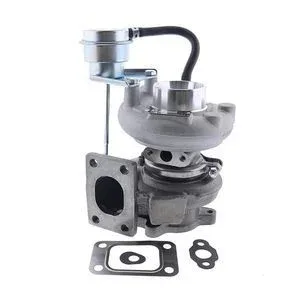
Turbocharger 482-8480 Replacement for CAT C3.8 Engine – Scheduled Maintenance
View Details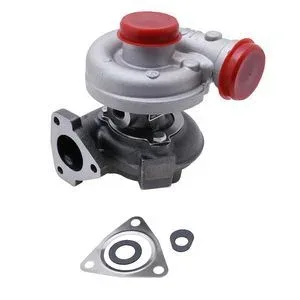
Emission & Exhaust System
Turbocharger 6690633 for Deutz BF4M2011 – Scheduled Maintenance
View Details
Emission & Exhaust System
TD04L4 Turbocharger for Kubota V3307-DI Engine – Direct Replacement for SVL75-2 Loader
View DetailsNeed a Custom Quote?
Our technical team responds within 24 hours. MOQ 1 piece. Ships to 120+ countries from our Guangzhou warehouse.