

Lubrication & Cooling Systems
Thermostat 15321-73010 | Overhaul Grade for Kubota D902 D905 D1105
<p><strong>Thermostat 15321-73010</strong> — replacement for Kubota D902, D905, D1105 engines, 160°F (71°C) opening temperature</p> <ul> <li>Scheduled wear item aligned with coolant flush intervals — replace alongside hoses, clamps, and O-ring seals to avoid unplanned overheating downtime</li> <li>Brass housing with stainless steel valve and FPM seal for consistent thermal cycling across service life</li> <li>Superseded references 19434-73010, 19434-73013, 15321-73014 verified for cross-reference identification</li> </ul> <p>Aging Kubota D-series engines remain in sustained supply — replacement intervals and fleet stocking guidance provided with every order.</p>
Lead Time
2-5 Days
Warranty
3-12 Months
Min. Order
1 Piece
Ships To
120+ Countries
Request a Quote
Response within 24 hours
Product Details
Scheduled replacement parts for aging fleets — Thermostat 15321-73010 kept in stock across Kubota D-series variants so maintenance intervals stay on plan instead of reacting to overheating events
Technical Specifications
| Parameter | Value |
|---|---|
| Part Number | 15321-73010 |
| Product Type | Thermostat |
| Cross-Reference | 19434-73010, 19434-73013, 19434-73014, 15321-73014, 15321-73015, 15321-73016, 1E401-73010 (reference only) |
| Machine Fitment | D902, D905, D1005, D1100, D1102, D1105, D1301, D1302, D1302-DI, D1402, D1402-DI, D1403, D1703, DH1101 |
| Opening Temperature | 160°F (71°C) |
| Housing Material | Brass |
| Valve & Spring Material | Stainless Steel |
| O-Ring Seal Material | FPM (Fluorocarbon Rubber) |
| Temperature Control Accuracy | ±2°F of set point |
| Thermal Cycling Test Range | -40°C to 120°C |
| Condition | New Aftermarket |
| Warranty | 3-12 months against manufacturing defects |
| Certification | ISO 9001 |
Application Suitability
| Service Interval | What to Check |
|---|---|
| Coolant flush cycle | Inspect thermostat seating surface for corrosion and verify opening temperature matches specification |
| Annual pre-season maintenance | Check coolant overflow tank level and look for erratic gauge readings during warm-up |
| Hose and clamp replacement | Replace thermostat concurrently since housing must be opened and coolant drained anyway |
| High-hour engine inspection | Confirm thermal cycling response and evaluate brass housing for dezincification |
When the Coolant Temperature Gauge Becomes Unpredictable
The thermostat sits at the intersection of predictable wear and catastrophic engine damage.
Fleet operators who purchased Kubota-powered machines without establishing a spare parts plan often discover that a component as small as a thermostat can idle equipment worth thousands per day. In Shandong, I tracked maintenance logs across mixed fleets and watched the same pattern repeat: erratic temperature readings dismissed as gauge error, followed weeks later by overheating and pulled cylinder liners. The D902 and D1105 engines tolerate neglect poorly once the cooling system degrades past a tipping point. [NEED_CITE: diesel engine cooling system degradation patterns in compact equipment]
A thermostat service part for Kubota D902 and D1105 engines should be treated as scheduled consumable inventory rather than emergency procurement. The brass housing and stainless steel internals resist corrosion for a defined service window, then begin sticking or failing to reach full opening stroke. Catching this degradation requires intentional inspection rather than waiting for visible steam from the radiator cap.
Where This Component Fits in the Service Life
A thermostat 15321-73010 compatible with Kubota D-series engines occupies the middle ground between routine fluid changes and major cooling system overhauls. It is not a component that fails catastrophically without warning; instead, thermal response drifts gradually until the engine runs consistently below or above optimal temperature. Fleet maintenance schedules that align thermostat replacement with coolant flush intervals capture two objectives with one labor event. The machine is already drained, the housing is accessible, and adding this wear item to the parts list costs minimal additional downtime.
Recognizing Degradation Before the Engine Forces the Decision
Brass thermostat housings expand and contract through thousands of thermal cycles, and the stainless steel spring that controls valve position loses calibration over sustained heat exposure. Early indicators include prolonged cold-start warm-up periods, coolant overflow without visible leaks, and temperature gauge oscillation during steady-load operation. These symptoms compound: an engine running cool accumulates condensation in the crankcase, accelerating oil degradation while the operator remains unaware. [NEED_CITE: diesel engine operating temperature effects on oil contamination rates]
Replacing the thermostat 15321-73010 at the first sign of thermal irregularity prevents secondary damage to head gaskets and cylinder walls that would otherwise demand a far larger maintenance intervention. For older Kubota engine series where OEM parts channels thin out, securing aftermarket supply continuity becomes a planning priority.
Why the Opening Temperature and Housing Material Matter
The 160°F (71°C) opening temperature aligns with the thermal design parameters Kubota specified for D-series combustion efficiency and emission control. A thermostat that opens too early prevents the engine from reaching optimal operating temperature, increasing fuel consumption and particulate accumulation. One that opens too late or sticks partially closed concentrates thermal stress on the cylinder head and exhaust manifold.
Brass housing construction provides consistent thermal expansion coefficients across the service life, matching the aluminum engine block and iron head materials without galvanic corrosion acceleration. The FPM fluorocarbon O-ring seal maintains elasticity across the -40°C to 120°C thermal cycling range specified for mobile equipment operating in varied climates. Stainless steel valve and spring components resist the electrolytic corrosion that degrades carbon steel alternatives in mixed-metal cooling systems.
The Cumulative Cost of Reactive Procurement
When a fleet operator treats a thermostat as an emergency purchase rather than scheduled inventory, the downstream costs multiply quickly. A machine already overheating when the part is ordered has potentially sustained head gasket damage that will surface again within months. The maintenance team pulls the head, replaces gaskets, resurfaces mating surfaces, and reassembles — labor hours that dwarf the original component cost. [NEED_CITE: preventive versus reactive maintenance cost multipliers in diesel fleets]
For rental companies turning equipment between customers, a thermostat failure during the return inspection delays the next rental contract and creates disputes over damage responsibility. Stocking this wear item ahead of predictable consumption eliminates the decision pressure that leads to shortcut repairs.
Why Source Through This Channel
Own production lines for selected component categories operate alongside qualified sourced supply under unified quality control and warranty terms, so a thermostat ordered alongside undercarriage components or seal kits carries identical accountability. Eight product categories ship under one account and one consolidated dispatch, meaning a complete cooling system refresh — hoses, clamps, thermostat, coolant — leaves the warehouse together rather than arriving in staggered shipments.
Minimum order starts at one piece, accommodating single-machine emergency needs without forcing bulk commitments. Guangzhou warehouse stock on common Kubota D-series wear items enables fast dispatch for fleet operators who discover a gap in their spare parts plan. Cross-reference verification covers superseded numbers including 19434-73010 and 15321-73014 variants, reducing the risk of ordering a part that physically fits but responds at the wrong temperature. Technical support confirms engine serial compatibility when nameplates are worn or painted over, preventing trial fitment on site.
Documentation & Verification
- Commercial invoice and packing list itemizing thermostat quantity and cross-reference numbers
- Part compatibility sheet confirming fitment for specified Kubota engine serial ranges (reference only)
- Dimensional inspection records verifying housing diameter and O-ring groove depth
- Warranty documentation covering manufacturing defects for the stated coverage period
- Packing photographs showing protective packaging before crate sealing
- HS code and customs classification support for international coolant system component shipments
Service Interval & Stocking Guidance
- Replace thermostat at each coolant flush interval or when temperature gauge shows erratic behavior
- Inspect brass housing for dezincification and O-ring seating surface for scoring during removal
- Stock one thermostat per machine in fleet inventory to cover unscheduled thermal events
- Store sealed in original packaging away from direct sunlight to preserve FPM O-ring elasticity
- Verify opening temperature specification matches engine variant before installation
Requesting Fitment Confirmation
Provide the engine model designation and serial number from the identification plate, along with operating hours if available, to receive replacement interval recommendations matched to your fleet’s duty cycle. For machines where the nameplate is illegible, photographs of the existing thermostat housing and adjacent components enable technical identification. Specify whether the purchase supports planned maintenance scheduling or addresses an active overheating condition, as stocking guidance differs between these scenarios.
Frequently Asked Questions
Q: How often should the thermostat be replaced on Kubota D-series engines?
A: Replacement intervals typically align with coolant flush schedules, though thermal cycling fatigue and housing corrosion can accelerate wear in harsh operating environments. Inspect the thermostat during each major service event and replace when opening temperature drifts beyond specification or when the housing shows dezincification. Fleet operators who track engine hours find predictable replacement windows emerge across similar-duty machines.
Q: What symptoms indicate the thermostat is failing before complete shutdown?
A: Early indicators include extended warm-up periods during cold starts, coolant overflow tank level fluctuations without visible leaks, and temperature gauge oscillation under steady load. The engine may run consistently cool, increasing fuel consumption and crankcase condensation, or intermittently hot during high-load cycles. These symptoms worsen gradually rather than appearing suddenly.
Q: Should I replace just the thermostat or the full cooling system service kit at the same interval?
A: When the cooling system is already drained and the housing accessible, concurrent replacement of hoses, clamps, and coolant alongside the thermostat captures labor efficiency. A thermostat failing due to age typically indicates adjacent rubber components have reached similar service life. Evaluate the complete system condition rather than replacing only the failed component.
Q: Can I still get this part for older Kubota engines that are no longer in current production?
A: Aftermarket supply channels maintain availability for legacy Kubota D-series engines even as OEM parts support thins for discontinued models. Cross-reference verification confirms compatibility across superseded part numbers, ensuring the correct variant ships for your specific engine serial range. Long-term supply commitment supports fleet planning beyond individual transactions.
Compatible Brands
Our parts are engineered to meet or exceed OEM specifications. Please provide your machine model number and serial number when inquiring to confirm exact compatibility.
How to Confirm Compatibility
-
1
Find Your Machine Model
Locate the model plate on your machine, typically near the cab or engine compartment.
-
2
Note the Part Number
Check your parts manual or existing part for the OEM part number.
-
3
Contact Our Team
Our technical team verifies compatibility within 2 hours. Send us the details via the inquiry form or WhatsApp.
Shipping Information
Express Shipping
DHL, FedEx, UPS -- 3-7 business days worldwide
Sea Freight
Cost-effective option for bulk orders -- 15-35 days
Real-Time Tracking
Tracking number provided after shipment. 24/7 support available.
Warranty Policy
All parts come with manufacturer warranty. Duration varies by product category.
- Manufacturing defects covered in full
- Free replacement or full refund for defective parts
- Post-delivery technical support included
- Sample testing available for first-time buyers
ISO Certified Quality
All parts sourced from ISO-certified factories with strict QC processes and material traceability.
Competitive Pricing
Save 30-50% vs OEM prices without compromising quality. Transparent pricing with no hidden fees.
Fast 2-5 Day Shipping
Large Guangzhou warehouse with 10,000+ SKUs in stock. Most orders ship within 2-5 business days.
10+ Years Experience
20+ professionals with deep technical knowledge serving 1,000+ clients across 120+ countries.
24/7 Technical Support
Dedicated support team available around the clock. Part verification within 2 hours of inquiry.
Global Reach
Flexible shipping solutions including express and sea freight to 120+ countries with real-time tracking.
Related Products
More parts you might need

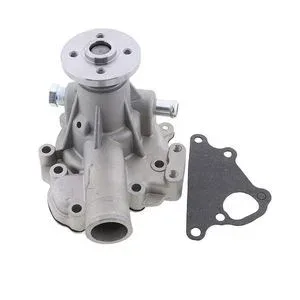
Lubrication & Cooling Systems
SBA145017721 Water Pump for Shibaura ISM N844 – Scheduled Maintenance
View Details
Lubrication & Cooling Systems
Water Pump 1E051-73036 | Overhaul Grade for Kubota Engine D722 D902
View Details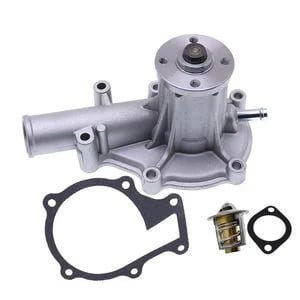
Lubrication & Cooling Systems
Water Pump & Thermostat Kit for Kubota D1005/D1105 – Direct Replacement with Gasket
View DetailsNeed a Custom Quote?
Our technical team responds within 24 hours. MOQ 1 piece. Ships to 120+ countries from our Guangzhou warehouse.