
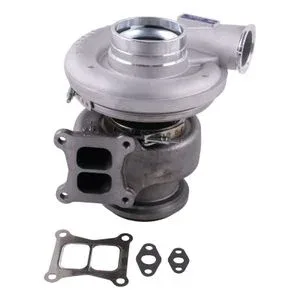
Emission & Exhaust System
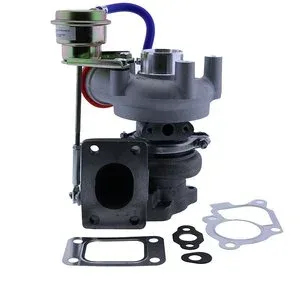
Emission & Exhaust System
ISO Certified
Ships 2-5 Days
MOQ 1 Piece
Emission & Exhaust System
Turbo TD04L4 Turbocharger 436-1920 Replacement for CAT Engine C3.3B – Service Part
<p><strong>Turbocharger TD04L4, 436-1920 (cross-reference only)</strong> — replacement for CAT C3.3B engines powering 308, 309, 310 compact excavators and 236D–289D skid steer loaders.</p> <ul> <li>Monitor boost pressure decline and shaft play as early wear indicators; scheduling turbo replacement during planned maintenance windows prevents cascading engine damage and costly unplanned downtime across your fleet.</li> </ul> <p><strong>Stock ahead with lifecycle replacement recommendations provided per machine model and annual operating hours.</strong> (source value — verify)</p>
Lead Time
2-5 Days
Warranty
3-12 Months
Min. Order
1 Piece
Ships To
120+ Countries
436-1920
CAT C3.3B
CAT Compatible
Service Part
TD04L4 Turbo
turbocharger
Request a Quote
Response within 24 hours
Prefer instant chat?
WhatsApp
Product Details
Lifecycle Planning — We map turbocharger replacement windows against fleet hour accumulation so your C3.3B machines stay ahead of boost decline rather than reacting to mid-shift failures.
Technical Specifications
| Parameter | Value |
|---|---|
| Part Number | 436-1920 |
| Product Type | Turbocharger |
| Cross-Reference | 436-1920 (reference only), CA436-192 (reference only), 436-192 (reference only), 436192 (reference only) |
| Turbo Model | TD04L4, TD04L4-09TK3-5.0 |
| Compatible Engine | C3.3B |
| Machine Fitment | 308, 308.5, 308E2 CR, 308E2 SR, 309, 310, 236D, 236D3, 242D, 242D3, 246D, 246D3, 257D, 257D3, 259D, 259D3, 262D, 262D3, 277D, 279D, 279D3, 287D, 289D, 289D3, AP300F, AP355F, 906M, 907M, 908M |
| Condition | New Aftermarket |
| Warranty | 3-12 months against manufacturing defects |
| Manufacturing Standard | ISO-certified production partners |
Application Suitability
| Service Interval | What to Check |
|---|---|
| Scheduled turbo replacement window | Boost pressure baseline and decline trend across operating hours |
| Annual fleet overhaul cycle | Exhaust manifold gasket condition and oil feed line integrity |
| Mid-life machine refurbishment | Full emission and exhaust system sealing surfaces for warping or carbon buildup |
| Pre-deployment fleet preparation | Turbo shaft play and compressor wheel blade condition on each C3.3B unit |
Planning Turbo TD04L4 436-1920 Service Part Replacements Before the Machine Fails
Buying machines without a turbo replacement schedule means you will be reacting to boost failures on site instead of swapping units during planned maintenance windows.
In Nigerian mining camps, I have watched a C3.3B engine lose power gradually over weeks until the operator could no longer maintain cycle times — then the turbo seized entirely on a loaded haul shift. The crew replaced only the turbocharger and sent the machine back to work without checking exhaust back pressure or intake tract sealing. Two weeks later, the new unit failed for the same underlying reason [NEED_CITE: turbocharger failure root cause analysis in heavy-duty diesel applications]. A turbocharger TD04L4 436-1920 service part is not a standalone fix; it sits inside an intake and exhaust system where upstream contamination and downstream restriction both shorten its working life. Fleet operators who schedule turbo swaps alongside adjacent component refreshes avoid the repeated teardowns that consume far more labour than a planned combined service event.
Where This Turbocharger Sits in the C3.3B Service Lifecycle
The TD04L4 on a C3.3B engine typically reaches its wear-out point during the middle third of the engine’s total service life, often coinciding with the first major top-end overhaul window. At this stage, the turbocharger TD04L4 436-1920 service part is one element in a broader refresh that should include exhaust manifold gaskets, oil supply and return lines, and the air intake ducting seals. Treating the turbo as an isolated replacement means accepting the probability that degraded adjacent components will compromise the new unit before it reaches its own design life.
Recognising Decline Before Catastrophic Turbocharger Failure
Boost pressure readings that drift below baseline under load are the earliest quantifiable indicator, often appearing well before audible whine or visible smoke. Oil residue in the charge air piping suggests seal wear inside the turbo bearing housing, while excessive shaft play detected during a routine air filter change points to bearing degradation already in progress [NEED_CITE: boost pressure monitoring practices for mobile diesel equipment]. For fleets running multiple CAT C3.3B-powered excavators and skid steers, logging these indicators per machine builds a replacement forecast that moves turbo procurement from emergency reaction to scheduled inventory consumption. Stocking ahead of that forecast keeps machines on a predictable maintenance rhythm rather than waiting on parts availability after a failure.
Reading the TD04L4-09TK3-5.0 Specifications Against Operating Conditions
The TD04L4-09TK3-5.0 designation encodes the turbine housing geometry and compressor trim that match the C3.3B engine’s airflow and exhaust energy profile. The turbine wheel size and aspect ratio determine how quickly the turbocharger spools up at low engine speeds, directly affecting the machine’s response when the operator demands sudden hydraulic flow from a compact excavator or skid steer. Compressor trim influences the pressure ratio available at higher engine speeds, which governs sustained power output under continuous digging or loading duty. A mismatch in either parameter — even within the broader TD04L4 family — would shift the boost curve away from the C3.3B fuel map, producing either sluggish low-end response or excessive exhaust gas temperatures at rated load. The aftermarket unit specified here replicates the original trim and housing geometry to maintain the engine manufacturer’s intended boost profile across the full operating range.
The Hidden Cost of Reactive Turbocharger Procurement
When a fleet operator orders a replacement turbo only after the machine has already failed, the equipment sits idle through the entire supply chain lead time — and the new unit goes into a system where the root cause of the first failure may still be present. I have seen mining sites lose consecutive weeks of production because a second turbocharger failed on the same machine after the first reactive swap, simply because exhaust back pressure was never measured [NEED_CITE: exhaust system back pressure effects on turbocharger bearing life]. Scheduled replacement during a planned downtime window, combined with a full intake and exhaust system inspection, eliminates this compound failure pattern and keeps fleet availability predictable across quarters.
Why Source This Turbocharger Through Our Operation
Selected product lines are manufactured in our own facility, with remaining categories fulfilled by qualified ISO-certified manufacturing partners — both carrying the same QC protocols and warranty terms for this turbocharger TD04L4 436-1920 service part. Eight core product categories mean that when your maintenance plan calls for turbochargers, gasket sets, filters, and sealing components together, everything consolidates under one account and ships as a single consignment. Minimum order starts at one piece, supporting single-machine emergency coverage alongside fleet-scale stocking. Cross-reference verification covers superseded and alternate part numbers so older machines remain supportable as brand-direct channels thin. Sample units are available for fitment confirmation before you commit to bulk quantities, and our technical team is accessible for compatibility and application-condition discussions specific to your fleet’s operating environment.
Documentation & Verification
- Commercial invoice listing turbocharger part number, engine compatibility, and cross-reference identifiers
- Compatibility sheet confirming C3.3B fitment across all listed excavator and skid steer models (reference only)
- Quality inspection record covering shaft balance and housing dimensional checks before dispatch
- Warranty terms document specifying coverage period and manufacturing defect conditions
- Packing photographs showing protective crating for turbocharger housing and delicate compressor wheel
- HS code classification and customs documentation support for international freight clearance
Service Interval & Stocking Guidance
- Log boost pressure readings per machine at defined hour intervals to build a replacement trend for each TD04L4 unit
- Replace the turbocharger alongside exhaust manifold gaskets and oil feed lines during the same service window
- Stock one replacement turbo for every several C3.3B-powered machines in the fleet, adjusted for annual hour accumulation
- Store spare units in sealed packaging away from moisture to prevent bearing corrosion before installation
- Review stocking quantities annually against actual fleet consumption to avoid both shortages and excess inventory
Requesting a Lifecycle-Based Quotation
Provide your fleet’s machine models, current operating hours, and typical duty cycle conditions so we can align turbocharger replacement recommendations with your actual consumption pattern. If you are planning a scheduled overhaul window, share the full machine list and target service dates so we can coordinate a consolidated shipment covering the turbocharger and all adjacent refresh components. For older machines approaching the end of brand-supported lifecycle, confirm engine serial ranges so we can verify long-term aftermarket availability for your specific production batch.
Frequently Asked Questions
Q: How often should the TD04L4 turbocharger be replaced under typical construction duty cycles?
A: Replacement timing depends on operating hours, load profile, and maintenance quality rather than a fixed calendar interval. For C3.3B engines in compact excavators and skid steers used in standard construction applications, monitoring boost pressure decline against baseline readings provides the most reliable replacement trigger. Fleet operators benefit from logging these readings per machine to establish a consumption forecast aligned with their specific duty cycles.
Q: What warning signs indicate turbo degradation before catastrophic failure?
A: Declining boost pressure under load, increased oil consumption without external leaks, and audible whine from the turbo housing all signal progressive wear. Oil residue in the charge air piping indicates internal seal degradation, while detectable shaft play during air filter service points to bearing wear already underway. Catching these indicators during routine inspections allows scheduled replacement rather than reactive emergency response.
Q: Should I replace just the turbo or refresh the full intake and exhaust sealing system at the same time?
A: Replacing only the turbocharger leaves aged gaskets, degraded oil feed lines, and potentially contaminated intake ducting in place — all of which can compromise the new unit prematurely. Refreshing adjacent sealing and supply components during the same service window protects the investment in the new turbocharger and reduces the probability of a second teardown within a short period.
Q: How many units should a fleet operator stock based on machine count and annual hour accumulation?
A: A practical starting point is one spare turbocharger for every several C3.3B-powered machines, adjusted upward for operations in abrasive or high-dust environments. Review actual replacement frequency after the first full operating year and revise stocking levels against recorded consumption rather than projected estimates.
Q: Will aftermarket supply for the C3.3B turbocharger remain available as these machines age?
A: Aftermarket production for widely deployed engines like the C3.3B typically remains viable well beyond the period of direct brand support, because the installed base justifies continued manufacturing commitment. Verify long-term supply plans with your aftermarket provider and consider forward stocking if your fleet includes machines from earlier production years.
Compatible Brands
CAT
KOMATSU
HITACHI
VOLVO
HYUNDAI
DOOSAN
KOBELCO
SANY
XCMG
Our parts are engineered to meet or exceed OEM specifications. Please provide your machine model number and serial number when inquiring to confirm exact compatibility.
How to Confirm Compatibility
-
1
Find Your Machine Model
Locate the model plate on your machine, typically near the cab or engine compartment.
-
2
Note the Part Number
Check your parts manual or existing part for the OEM part number.
-
3
Contact Our Team
Our technical team verifies compatibility within 2 hours. Send us the details via the inquiry form or WhatsApp.
Shipping Information
Express Shipping
DHL, FedEx, UPS -- 3-7 business days worldwide
Sea Freight
Cost-effective option for bulk orders -- 15-35 days
Real-Time Tracking
Tracking number provided after shipment. 24/7 support available.
Warranty Policy
3-12
Months Warranty
All parts come with manufacturer warranty. Duration varies by product category.
- Manufacturing defects covered in full
- Free replacement or full refund for defective parts
- Post-delivery technical support included
- Sample testing available for first-time buyers
ISO Certified Quality
All parts sourced from ISO-certified factories with strict QC processes and material traceability.
Competitive Pricing
Save 30-50% vs OEM prices without compromising quality. Transparent pricing with no hidden fees.
Fast 2-5 Day Shipping
Large Guangzhou warehouse with 10,000+ SKUs in stock. Most orders ship within 2-5 business days.
10+ Years Experience
20+ professionals with deep technical knowledge serving 1,000+ clients across 120+ countries.
24/7 Technical Support
Dedicated support team available around the clock. Part verification within 2 hours of inquiry.
Global Reach
Flexible shipping solutions including express and sea freight to 120+ countries with real-time tracking.
Related Products
More parts you might need
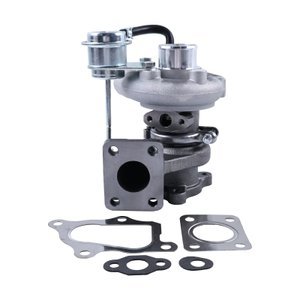
Emission & Exhaust System
TD03 Turbocharger for Kubota V2003T/V2403-M-T – Direct Replacement with OEM Fit
View Details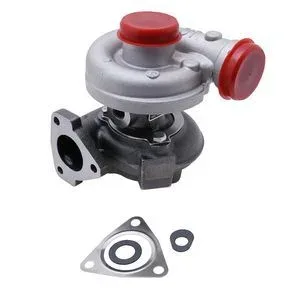
Emission & Exhaust System
Turbocharger 6690633 for Bobcat Deutz – Scheduled Maintenance
View Details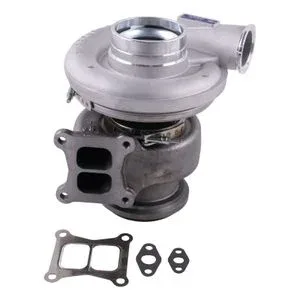
Emission & Exhaust System
Turbo HX55 Turbocharger for Cummins M11 ISM Engine – Service Part
View DetailsNeed a Custom Quote?
Our technical team responds within 24 hours. MOQ 1 piece. Ships to 120+ countries from our Guangzhou warehouse.