
Emission & Exhaust System
Emission & Exhaust System
ISO Certified
Ships 2-5 Days
MOQ 1 Piece
Emission & Exhaust System
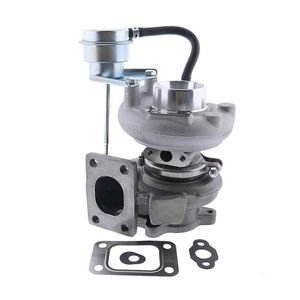
Turbocharger 482-8480 Replacement for CAT C3.8 – Scheduled Maintenance
<p><strong>Turbocharger 482-8480 (cross-reference only) Replacement for CAT C3.8 Engine Loaders</strong> — new aftermarket unit compatible with 272D2 through 299D3 XHP series.</p> <ul> <li>Replace at scheduled intervals or when boost pressure loss, exhaust smoke, or spool-up lag appears to prevent cascading damage to oil passages and cylinder components</li> <li>Thermal cycling fatigue on turbine housing and rotor bearings drives service life; plan replacement before unplanned failure disrupts fleet operations</li> <li>Evaluate full intake and exhaust system for linked wear when scheduling turbo service on C3.8-powered skid steer and compact track loaders</li> </ul> <p>Replacement interval recommendations ship with your order to support fleet maintenance planning across multiple job sites.</p>
Lead Time
2-5 Days
Warranty
3-12 Months
Min. Order
1 Piece
Ships To
120+ Countries
482-8480
CAT C3.8 Loader
CAT Compatible
Emission System
Service Part
turbocharger
Request a Quote
Response within 24 hours
Prefer instant chat?
WhatsApp
Product Details
Fleet Stocking Strategy — Planning turbocharger replacement intervals across C3.8 loader fleets prevents reactive downtime and secondary engine damage.
Technical Specifications
| Parameter | Value |
|---|---|
| Part Number | 482-8480 |
| Cross-Reference | 482-8480, CA482-8480, 4828480 (reference only) |
| Machine Fitment | 272D2, 272D3, 272D3 XHP, 297D2, 297D2 XHP, 299D2, 299D2 XHP, 299D3, 299D3 XE, 299D3 XHP |
| Engine Compatibility | Caterpillar C3.8 |
| Product Type | Turbocharger |
| Condition | New Aftermarket |
| Turbine Shaft Material | AISI 8620 forged steel |
| Compressor Wheel Material | Precision-machined aluminum alloy A380 |
| Turbine Housing Material | Ni-resist D5S ductile iron |
| Warranty | 6 months against manufacturing defects |
| Standard | ISO 9001 |
| Minimum Order | 1 piece |
Application Suitability
| Service Interval | What to Check |
|---|---|
| 3,500–4,000 operating hours | Boost pressure baseline and turbine shaft radial play |
| 6,000–8,000 operating hours | Compressor wheel leading-edge erosion and housing heat-check cracking |
| Scheduled major service | Full exhaust-side assembly including manifold gaskets and oil feed lines |
| Seasonal turnaround (rental fleets) | Spool-up response time and exhaust smoke character at rated RPM |
| Pre-overhaul inspection | Oil passage condition and intercooler contamination from previous turbo failure |
Why Reactively Replacing Turbochargers Destroys Fleet Budgets
Ordering a Turbocharger service part for CAT C3.8 loader maintenance only after catastrophic failure means the engine damage bill is already written.
I spent years watching skid steer loaders limp through job sites with boost lag that operators simply accepted as normal. By the time a turbine shaft finally seizes or a compressor wheel sheds a blade, oil passages are already contaminated with metal debris and cylinder walls have scored from inadequate lubrication under load. The turbocharger itself becomes the cheapest line item on a repair invoice that now includes injectors, piston rings, and sometimes a short-block exchange. [NEED_CITE: turbocharger failure progression and secondary engine damage in diesel powertrains] Fleet operators running multiple 272D2 or 299D3 units across quarry and demolition sites see this pattern repeat quarterly when maintenance scheduling treats forced-induction components as run-to-failure items rather than wear parts with predictable service windows.
Positioning the Turbocharger Within the C3.8 Service Lifecycle
The C3.8 engine platform in compact track loaders and skid steers operates under thermal cycling loads that fatigue turbine housings and rotor bearings long before visible failure symptoms surface. This Turbocharger service part for CAT C3.8 loader maintenance belongs to the emission and exhaust system category where replacement timing connects directly to engine oil health and intake tract cleanliness. When fleet maintenance planners treat the turbocharger as a scheduled consumption item — replaced alongside air filters, oil coolers, and exhaust manifold gaskets — the machine stays productive through predictable intervals rather than unplanned breakdowns that cascade into cylinder head work.
Reading the Warning Signs Before They Become Repair Orders
Boost pressure loss measured at the manifold is usually the first quantifiable signal, but operators rarely carry gauges. Excessive exhaust smoke during spool-up, a noticeable lag between throttle input and machine response, and a high-pitch whine from the turbine end all indicate bearing wear progressing toward shaft play beyond the 0.08–0.12 mm rotor-to-housing clearance specification. Thermal cycling fatigue on the Ni-resist D5S ductile iron housing manifests as micro-cracking around the turbine inlet, which compromises wastegate control and allows overboost conditions that stress head gaskets. [NEED_CITE: diesel turbocharger thermal fatigue failure modes in high-cycle equipment] Catching these symptoms at scheduled service intervals lets you plan the replacement alongside other emission-side components rather than facing an emergency teardown.
Material and Clearance Specifications That Define Service Life
The AISI 8620 forged steel turbine shaft resists the extreme thermal gradients between exhaust gas contact and bearing journal temperatures, maintaining dimensional stability through thousands of heat cycles that would fatigue lower-grade alloys. Aluminum alloy A380 compressor wheels offer the strength-to-weight ratio necessary for rapid spool-up response while resisting leading-edge erosion from silica dust ingestion common at quarry and demolition sites. The 0.08–0.12 mm rotor-to-housing clearance range represents the balance between sealing efficiency for boost pressure and adequate oil film thickness for journal bearing survival — clearances that tighten from carbon buildup or widen from bearing wear both signal impending failure. Ni-resist D5S ductile iron turbine housings handle the thermal expansion mismatch between exhaust manifold temperatures and ambient conditions without cracking, though heat-check patterns eventually propagate past serviceable limits.
The Real Cost of Treating Turbos as Isolated Line Items
Pulling a failed turbocharger off a 299D3 without inspecting the oil feed line, intercooler, and intake plumbing means the replacement unit inherits the contamination that killed its predecessor. Metal debris embedded in oil passages starves the new rotor bearings within the first fifty hours, while carbon-clogged intercoolers restrict airflow enough to spike exhaust gas temperatures past housing design limits. [NEED_CITE: post-turbo-failure contamination inspection protocols for diesel engines] Fleet operators who replace the turbocharger as a standalone event rather than an exhaust-system overhaul find themselves repeating the same repair within a single season, accumulating downtime costs that dwarf the price of replacing associated gaskets and seals during the initial service.
Why Procurement Structure Matters for Fleet Maintenance
This Turbocharger service part for CAT C3.8 loader maintenance ships under a single account covering eight component categories, so manifold gaskets, oil feed lines, air filters, and exhaust clamps consolidate into one consignment rather than arriving on mismatched lead times from multiple suppliers. Own production on selected lines combined with qualified sourced supply carries identical warranty terms across the entire order. Guangzhou warehouse stock enables fast dispatch on common items while cross-reference verification covers superseded and alternate part numbers that accumulate across machine generations. The technical team confirms compatibility against machine serial numbers and engine build variants before shipment, preventing the situation where a turbocharger arrives only to reveal flange pattern differences from a mid-production engineering change.
Documentation & Verification
- Commercial invoice listing all emission-system components in one reference number
- Turbocharger cross-reference sheet (482-8480, CA482-8480, 4828480 — reference only)
- Dimensional inspection record covering rotor clearance and flange bolt pattern
- Six-month warranty terms covering manufacturing defects
- Packing photographs showing turbine housing protection before crate closure
- HS code documentation for customs classification across destination markets
Service Interval & Stocking Guidance
- Inspect turbine shaft radial play and compressor wheel condition at every 2,000-hour service on C3.8 loaders
- Plan turbocharger replacement at 6,000–8,000 hours based on operating environment dust load and duty cycle
- Stock one turbocharger per four machines for fleets running 272D2, 297D2, or 299D3 series units in continuous operation
- Store units in original packaging with turbine inlet capped to prevent bearing corrosion from humidity
- Bundle turbo orders with scheduled air filter, oil cooler, and exhaust manifold gasket replenishment
- Track replacement intervals per machine to identify units operating in severe conditions requiring earlier intervention
Requesting a Fleet Maintenance Quote
Provide your machine models, accumulated operating hours per unit, and typical application environment so we can recommend replacement intervals and stocking quantities aligned to your service schedule. Include engine serial numbers for build-variant confirmation across mixed fleets.
Frequently Asked Questions
Q: How often should the turbocharger be inspected on a C3.8 engine?
A: Visual inspection of compressor wheel condition and shaft play should occur at every major service interval, typically every 1,000–2,000 operating hours. Full replacement planning belongs in the 6,000–8,000 hour window depending on site dust levels and duty cycle severity across quarry, paving, or demolition applications.
Q: What symptoms indicate the turbo is nearing end of service life?
A: Noticeable spool-up lag, excessive exhaust smoke during acceleration, high-pitch whine from the turbine end, and measurable boost pressure loss at the manifold all signal bearing wear or housing fatigue. Oil consumption increases without external leaks often trace back to turbocharger seal degradation.
Q: Should I replace just the turbo or the full exhaust-side assembly?
A: Replacing the turbocharger alone risks inheriting contamination from oil lines and intercoolers that damaged the original unit. Bundling manifold gaskets, oil feed lines, and air filters during the same service event prevents early failure of the replacement and eliminates secondary teardown costs.
Q: How many units should a fleet keep on the shelf?
A: One turbocharger per four machines provides coverage for typical failure distribution across a fleet operating in similar conditions. Rental companies with rapid turnaround cycles between deployments often stock at higher ratios to avoid equipment sitting idle waiting for parts.
Q: Will this part remain available for older 272D2 and 299D2 machines?
A: Cross-reference verification covers superseded and alternate numbers across machine generations, and stocking strategy accounts for models aging past peak brand support. Confirming your engine serial number ensures correct variant fitment regardless of production year.
Compatible Brands
CAT
KOMATSU
HITACHI
VOLVO
HYUNDAI
DOOSAN
KOBELCO
SANY
XCMG
Our parts are engineered to meet or exceed OEM specifications. Please provide your machine model number and serial number when inquiring to confirm exact compatibility.
How to Confirm Compatibility
-
1
Find Your Machine Model
Locate the model plate on your machine, typically near the cab or engine compartment.
-
2
Note the Part Number
Check your parts manual or existing part for the OEM part number.
-
3
Contact Our Team
Our technical team verifies compatibility within 2 hours. Send us the details via the inquiry form or WhatsApp.
Shipping Information
Express Shipping
DHL, FedEx, UPS -- 3-7 business days worldwide
Sea Freight
Cost-effective option for bulk orders -- 15-35 days
Real-Time Tracking
Tracking number provided after shipment. 24/7 support available.
Warranty Policy
3-12
Months Warranty
All parts come with manufacturer warranty. Duration varies by product category.
- Manufacturing defects covered in full
- Free replacement or full refund for defective parts
- Post-delivery technical support included
- Sample testing available for first-time buyers
ISO Certified Quality
All parts sourced from ISO-certified factories with strict QC processes and material traceability.
Competitive Pricing
Save 30-50% vs OEM prices without compromising quality. Transparent pricing with no hidden fees.
Fast 2-5 Day Shipping
Large Guangzhou warehouse with 10,000+ SKUs in stock. Most orders ship within 2-5 business days.
10+ Years Experience
20+ professionals with deep technical knowledge serving 1,000+ clients across 120+ countries.
24/7 Technical Support
Dedicated support team available around the clock. Part verification within 2 hours of inquiry.
Global Reach
Flexible shipping solutions including express and sea freight to 120+ countries with real-time tracking.
Related Products
More parts you might need
Emission & Exhaust System
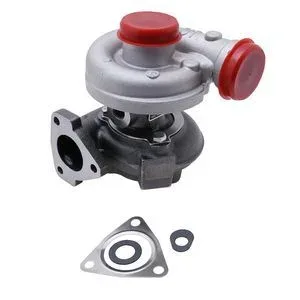
Turbocharger 6690633 for Bobcat Deutz – Scheduled Maintenance
View Details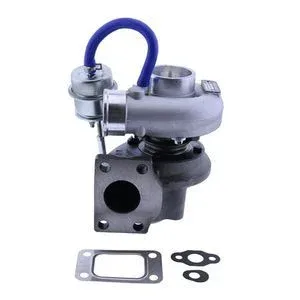
Emission & Exhaust System
GT2052 Turbocharger 02/202400 for Perkins JCB 3CX – Service Part
View Details
Need a Custom Quote?
Our technical team responds within 24 hours. MOQ 1 piece. Ships to 120+ countries from our Guangzhou warehouse.