
Belt Drive Systems
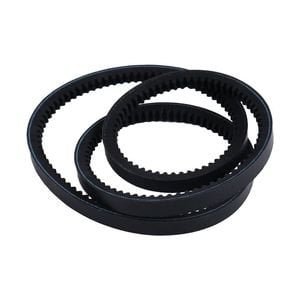
V-Belt 9001A-96003 for Toyota 4Y Engine – Scheduled Maintenance Part
<p><strong>V-Belt 9001A-96003, 960 mm pitch length, aramid-reinforced chloroprene</strong> — replacement for Toyota 4Y engine belt drive systems across 7FG and 8FG forklift series. Plan preventive replacement at scheduled intervals to avoid mid-shift failures; early signs include cracking, glazing and tension loss. Single-component swap supports fleet availability without full accessory teardown. </p> <ul> <li>Scheduled maintenance part for high-cycle forklift operations </li> <li>Compatible with 7FG, 8FG, FGZN and related Toyota 4Y-powered models </li> <li>Recommended replacement intervals included with shipment for fleet planning reference</li> </ul>
Lead Time
2-5 Days
Warranty
3-12 Months
Min. Order
1 Piece
Ships To
120+ Countries
Request a Quote
Response within 24 hours
Product Details
Fleet Stocking Ready — Older Toyota 4Y forklifts stay on shift because this V-belt remains in production supply long after OEM channels thin out.
Technical Specifications
| Parameter | Value |
|---|---|
| Part Number | 9001A-96003 |
| Product Type | Belt |
| Cross-Reference | 9001A-96003 (reference only), 9001A96003 (reference only) |
| Machine Fitment | 02-7FG30, 02-7FGJ35, 02-7FGK30, 40-7FG15, 40-7FG20, 40-7FG23, 40-7FG25, 40-7FGK20, 40-7FGK25, 42-7FG15, 42-7FG18, 42-7FG20, 42-7FG25, 42-7FGK20, 42-7FGK25, 7FG15, 7FG20, 7FG23, 7FG25, 7FG30, 7FGJ35, 7FGK30, 7FGN30, 7FGCSU20, 7FGCU15, 7FGCU18, 7FGCU20, 7FGCU25, 7FGCU30, 7FGCU32, 7FGU15, 7FGU18, 7FGU20, 7FGU25, 7FGU30, 7FGU32, 8FG15, 8FG18, 8FG20, 8FG25, 8FG30, 8FG18B, 8FG25B, 8FG30B, 8FGCSU20, 8FGCU15, 8FGCU18, 8FGCU20, 8FGCU25, 8FGCU30, 8FGCU32, 8FGU15, 8FGU18, 8FGU20, 8FGU25, 8FGU30, 8FGU32, FGZN20, FGZN25, FGZN30, 02-7FGF30, 02-7FGJF35, 42-7FGF15, 42-7FGF18, 42-7FGF20, 42-7FGF25, 02-8FGF15, 02-8FGF18, 02-8FGF20, 02-8FGF25, 02-8FGF30, 02-8FGJF35, 02-8FGKF20, 30-8FG10, 30-8FG15, 30-8FG20, 30-8FG25, 30-8FG30, 30-8FGJ35, 30-8FGN15, 30-8FGN20, 30-8FGN25, 30-8FGN30, 32-8FG10, 32-8FG15, 32-8FG18, 32-8FG20, 32-8FG25, 32-8FG30, 32-8FGJ35, 32-8FGK20, 32-8FGK25, 32-8FGK30, 32-8FGF15, 32-8FGF18, 32-8FGF20, 32-8FGF25, 32-8FGFJ35, 32-8FGN15, 32-8FGN20, 32-8FGN25, 32-8FGN30 |
| Material | High-modulus chloroprene rubber compound with aramid cord reinforcement |
| Pitch Length | 960 mm nominal |
| Dimensional Tolerance | ±0.3 mm |
| Condition | New Aftermarket |
| Standards | ISO 9001, JIS D 4101, ISO 4184 |
| Warranty | 6-month warranty against manufacturing defects |
| MOQ | 1 piece |
Application Suitability
| Service Interval | What to Check |
|---|---|
| Standard replacement cycle | Belt cracking, glazing, edge fraying, and loss of tension across the 4Y accessory drive |
| High-cycle distribution center | Accelerated wear from continuous multi-shift operation and thermal cycling |
| Marine terminal or salt-air yard | Surface degradation from chloride exposure on rubber compound and cord |
| Mining support yard with dust | Abrasive particle ingress between belt and sheave causing premature groove wear |
| Aging 7FG / early 8FG fleet | Long-term parts availability when OEM channels reduce support for older serial ranges |
Why Fleets Lose More Hours to Belt Failures Than to Engine Faults
A snapped V-belt on the Toyota 4Y accessory drive stops the forklift just as surely as a seized engine.
In mining support yards and busy distribution hubs, belt failure rarely announces itself during planned downtime. It happens mid-shift under full load, when coolant circulation stops because the water pump loses drive, or the alternator quits and the battery drains within minutes. I have watched a single broken belt on a 7FG25 cascade into an overheating shutdown that cost the rest of the shift. [NEED_CITE: accessory drive belt failure impact on forklift fleet availability]
Fleet managers who treat the V-belt as a reactive purchase end up paying in unplanned downtime. The ones who schedule belt swaps alongside engine service intervals keep machines moving and avoid the expensive chain reaction that follows a sudden snap.
Where This Belt Sits in the Toyota 4Y Service Life
The V-belt for Toyota 4Y engine forklift maintenance service part is the single wearable link between the crankshaft and every engine accessory — water pump, alternator, and any hydraulic pump drive taken off the front pulley. In a planned maintenance program, this belt belongs in the same service window as the engine oil change, filter replacement, and coolant top-off. Replacing it on schedule means the technician is already at the front of the engine, tools are out, and the machine is warm. Waiting until the belt shows visible cracking or starts squealing under load means the replacement happens on the shop floor under pressure, often with incomplete inspection of the surrounding components.
Reading the Wear Signs Before the Belt Fails
Several telltale conditions appear well before catastrophic failure. Sidewall glazing indicates the belt has been slipping on the sheave, generating enough friction heat to harden the chloroprene surface. Transverse cracks across the back of the belt point to heat aging beyond the compound’s service life — the aramid cord inside may still be intact, but the rubber matrix has lost flexibility. Edge fraying and missing chunks of the V-profile mean the belt is riding too deep or too shallow in the groove, which itself is a symptom of sheave wear or misaligned pulleys. Catching any of these signs during a walk-around inspection gives the fleet team a planned window to schedule the swap. [NEED_CITE: visual inspection criteria for industrial V-belt condition assessment]
When you replace the belt alone without checking the tensioner and sheave faces, the new belt inherits whatever misalignment or worn groove profile damaged the old one. In Dubai mining yards, I saw new belts fail within weeks because the tensioner bearing was already worn and nobody inspected it during the belt change. Replacing the belt as part of a front-end accessory review prevents that repeat failure.
What the Chloroprene Compound and Aramid Cord Actually Do on the Job
The high-modulus chloroprene rubber compound gives the belt its heat and oil resistance in the confined, hot environment behind the radiator fan. Chloroprene handles continuous exposure well above normal ambient temperatures, which matters when a forklift sits idling between loads with heat soaking back from the exhaust manifold. The aramid cord reinforcement carries the tensile load — unlike polyester cords used in lighter-duty belts, aramid resists stretch under the cyclic loading of an engine that starts, stops, and reverses direction dozens of times per shift. The ±0.3 mm dimensional tolerance on pitch length ensures the belt seats correctly in the sheave groove without riding high or bottoming out, both of which accelerate wear. The 960 mm nominal pitch length matches the specific pulley spacing on the 4Y front accessory drive, which is why using a generic belt that is close in length but off by even a few millimeters leads to improper tension.
The Cumulative Cost of Reactive Belt Purchasing
Buying one belt after a breakdown seems inexpensive until you count the full cost. The forklift sits idle while the part is sourced. If it is a Friday afternoon and the supplier ships Monday, three days of fleet capacity are gone. The technician who diagnoses the snap often finds collateral damage — a water pump bearing that ran dry, an alternator that overheated when the belt was slipping, or a tensioner that was already failing. [NEED_CITE: total cost of unplanned downtime in material handling fleet operations]
Fleets that stock this belt for their 7FG and 8FG series eliminate the sourcing delay entirely. The machine goes down, the belt is on the shelf, and the swap happens before the next shift starts. Over a year of operation across dozens of forklifts, the difference between reactive purchasing and planned stocking shows up in fleet availability figures and maintenance labor efficiency.
What Makes This Supply Source Work for Fleet Planning
Production and qualified sourcing operate under one account and one warranty, so whether the batch comes from the in-house line or a certified partner facility, the QC standard and six-month warranty terms remain identical. Eight equipment parts categories ship from one warehouse, meaning you can add coolant hoses, filters, and gaskets to the same order and receive everything in one consignment. Minimum order is one piece, which matters when you are topping up stock between bulk orders or covering an unexpected surge in replacements. Compatibility verification covers superseded part numbers, so even if your early 7FG15 units carry a different reference on the old belt, the cross-reference confirms fitment before you commit. Sample supply is available for fitment confirmation if you want to verify groove profile and pitch length on your machines before ordering for the entire fleet. Technical support can confirm which serial ranges of the 4Y engine use this belt and whether any accessory bracket revisions affect routing.
Documentation & Verification
- Commercial invoice and packing list with line-item part numbers for fleet records
- Cross-reference sheet mapping 9001A-96003 (reference only) to superseded and alternate numbers
- Dimensional inspection record confirming pitch length within ±0.3 mm tolerance
- Six-month warranty terms covering manufacturing defects from dispatch date
- Packing photographs of belt condition and labeling before crate closure
- HS code and customs classification support for cross-border fleet supply
Service Interval & Stocking Guidance
- Schedule belt replacement at the same interval as your 4Y engine oil and filter service
- Inspect sidewalls for glazing and back surface for transverse cracks during every walk-around
- Stock enough units to cover your peak replacement cycle plus a buffer for unexpected failures
- Store belts flat in a dry, dark environment away from ozone sources and direct sunlight
- Rotate stock on a first-in-first-out basis to avoid shelf aging of the rubber compound
Request a Planned Maintenance Quote
Share your forklift model list and current engine hour readings to receive replacement interval recommendations and stocking quantities matched to your fleet size. Include any older 7FG or early 8FG serial numbers so the cross-reference can confirm fitment across your full range.
Frequently Asked Questions
Q: How often should the V-belt on a Toyota 4Y forklift engine be replaced?
A: Replacement timing depends on operating conditions — continuous multi-shift use in hot or dusty environments shortens the interval. Align belt replacement with your scheduled engine oil and filter service so the technician inspects the accessory drive as part of the same visit. Always check the tensioner and sheave faces at the same time to avoid premature wear on the new belt.
Q: What symptoms indicate the belt needs replacement before it breaks?
A: Look for transverse cracking on the back surface, sidewall glazing from slipping, edge fraying, and any chirping or squealing noise under load. Loss of tension that requires frequent adjustment also signals the cord has stretched or the rubber has hardened. Any of these conditions means the belt should be swapped during the next planned service window.
Q: Should the tensioner and water pump be inspected when replacing the belt?
A: Yes. A worn tensioner bearing will mis-track the new belt and cause early failure. The water pump pulley is driven by this belt, so checking the pump bearing for play and the seal for weeping during the same service event prevents a second shutdown shortly after the belt swap. Addressing root causes during one visit keeps the machine on schedule.
Q: How many belts should a fleet keep in preventive stock?
A: Base the quantity on your fleet size, average engine hours, and how many units run in harsh conditions like dust or salt air. A common approach is stocking enough to cover one full replacement cycle across all Toyota 4Y-powered units plus a small buffer for unplanned failures between scheduled deliveries.
Q: Can early 7FG and 8FG series forklifts still source this belt reliably?
A: This part number remains in active aftermarket production even as OEM channels reduce support for older serial ranges. Cross-reference verification confirms fitment across the full 7FG and 8FG family, including early variants with superseded reference numbers. Fleet operators running older machines can plan long-term stocking without supply gaps.
Compatible Brands
Our parts are engineered to meet or exceed OEM specifications. Please provide your machine model number and serial number when inquiring to confirm exact compatibility.
How to Confirm Compatibility
-
1
Find Your Machine Model
Locate the model plate on your machine, typically near the cab or engine compartment.
-
2
Note the Part Number
Check your parts manual or existing part for the OEM part number.
-
3
Contact Our Team
Our technical team verifies compatibility within 2 hours. Send us the details via the inquiry form or WhatsApp.
Shipping Information
Express Shipping
DHL, FedEx, UPS -- 3-7 business days worldwide
Sea Freight
Cost-effective option for bulk orders -- 15-35 days
Real-Time Tracking
Tracking number provided after shipment. 24/7 support available.
Warranty Policy
All parts come with manufacturer warranty. Duration varies by product category.
- Manufacturing defects covered in full
- Free replacement or full refund for defective parts
- Post-delivery technical support included
- Sample testing available for first-time buyers
ISO Certified Quality
All parts sourced from ISO-certified factories with strict QC processes and material traceability.
Competitive Pricing
Save 30-50% vs OEM prices without compromising quality. Transparent pricing with no hidden fees.
Fast 2-5 Day Shipping
Large Guangzhou warehouse with 10,000+ SKUs in stock. Most orders ship within 2-5 business days.
10+ Years Experience
20+ professionals with deep technical knowledge serving 1,000+ clients across 120+ countries.
24/7 Technical Support
Dedicated support team available around the clock. Part verification within 2 hours of inquiry.
Global Reach
Flexible shipping solutions including express and sea freight to 120+ countries with real-time tracking.
Related Products
More parts you might need


Need a Custom Quote?
Our technical team responds within 24 hours. MOQ 1 piece. Ships to 120+ countries from our Guangzhou warehouse.