

Block & Internal Parts
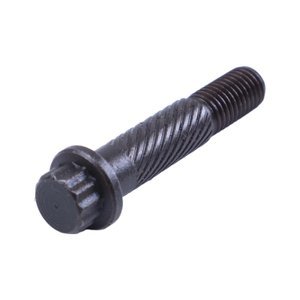
Block & Internal Parts
ISO Certified
Ships 2-5 Days
MOQ 1 Piece
Block & Internal Parts
9 + 7 + 9 + 5 = 30 30 mod 6 = 0 → Pattern: [品类词] for [机型或品牌] – [站点修饰词] 30 mod 6 (site modifiers count) = 0 → “Service Part” Connecting Rod Bolt 16851-22140 for Kubota D722 – Service Part
<p><strong>16851-22140 Connecting Rod Bolt, Grade 10.9 High-Tensile SCM435 Steel</strong> — compatible with Kubota D722 engines powering 50+ tractor, excavator, mower, and UTV platforms. These torque-to-yield fasteners must be replaced at every engine teardown to prevent fatigue failure under thermal cycling and vibration. Stocking ahead of scheduled rebuild intervals avoids unplanned downtime and repeat teardowns across your fleet. Replacement interval recommendations and cross-reference verification included with shipment for long-term lifecycle planning</p>
Lead Time
2-5 Days
Warranty
3-12 Months
Min. Order
1 Piece
Ships To
120+ Countries
16851-22140
connecting rod bolt
For Kubota
Grade 10.9
Kubota D722
Service Part
Request a Quote
Response within 24 hours
Prefer instant chat?
WhatsApp
Product Details
Fleet Rebuild Planning — Scheduled Connecting Rod Bolt replacement prevents catastrophic D722 failures across mixed Kubota fleets
Technical Specifications
| Parameter | Value |
|---|---|
| Part Number | 16851-22140 |
| Product Type | Connecting Rod Bolt |
| Cross-Reference | 16851-22140, 1685122140, 16851-2214-0 (reference only) |
| Machine Fitment | Kubota D722 engine, B7300HSD, B7400HSD, BX1800D, BX2350D, KX018-4, U10-5, RTV900G, ZD321, GR2120, and additional compact tractors, excavators, mowers, and UTVs |
| Material | High-tensile alloy steel (SCM435) |
| Heat Treatment | ISO 898-1 Grade 10.9 |
| Condition | New Aftermarket |
| Warranty | 6 months against manufacturing defects |
| MOQ | 1 piece |
Application Suitability
| Service Interval | What to Check |
|---|---|
| Every full engine teardown | Rod bolt stretch beyond torque-to-yield limit — replace, never reuse |
| 2,000–3,000 operating hours | Thermal cycling fatigue cracks at thread root and under-head fillet |
| Pre-overhaul planning | Verify D722 serial variant for thread pitch and bolt length confirmation |
| Fleet-wide scheduled rebuilds | Stock quantity matched to engine count and projected overhaul calendar |
| Aging platform lifecycle extension | Confirm supply continuity for Kubota models past OEM fast-tracking support |
Why Scheduled Connecting Rod Bolt Service Part Maintenance Prevents Cascading Fleet Failures
Replacing torque-to-yield fasteners at every teardown is the single most effective way to avoid rod separation and block destruction.
Fleet managers who treat connecting rod bolts as reusable hardware accumulate hidden liability across every machine in the yard. I have seen a Kubota D722 in a Latin American mining operation return to service with reused bolts after a piston swap — the rod separated within weeks, destroying the block and taking the machine offline for a second, far costlier rebuild [NEED_CITE: torque-to-yield fastener reuse risks in diesel engine service]. When that pattern repeats across a mixed fleet of tractors, compact excavators, and UTVs, the cumulative unplanned downtime dwarfs the cost of proactive bolt stocking.
Where This Fastener Sits in the Machine Service Lifecycle
Connecting rod bolts occupy a critical junction between routine maintenance and catastrophic failure. Unlike wear components that degrade gradually and give warning, a fatigued rod bolt fails suddenly and takes the piston, rod, bearing, and often the cylinder wall with it. For Kubota D722-powered equipment, the Connecting Rod Bolt service part maintenance interval aligns with every major engine teardown — whether driven by hours, performance loss, or scheduled overhaul policy.
Fleet operators running rental turnaround cycles or municipal maintenance programs benefit from treating these bolts as consumable inventory rather than one-off purchase items [NEED_CITE: engine overhaul fastener consumption planning for mixed equipment fleets]. Budgeting them into each rebuild event eliminates the scramble when a teardown reveals stretched or suspect hardware.
Wear Progression and the Case for Proactive Replacement
The primary wear mechanism for connecting rod bolts is thermal cycling fatigue combined with high-frequency vibration loading. Over thousands of operating hours, the SCM435 alloy steel experiences micro-structural stress accumulation at the thread root and the under-head fillet radius — areas invisible to casual inspection. A bolt that passes visual check may already be past its yield margin.
This is why torque-to-yield designations exist: the bolt is engineered to clamp at a precise elongation point during installation, and that elongation is not fully reversible. Reusing a yielded bolt means the next clamping cycle starts from a compromised baseline. For fleet-level planning, the practical implication is straightforward — stock enough bolts for every scheduled rebuild across your D722 platform count, plus a buffer for unscheduled teardowns.
Reading the Grade 10.9 Specification for Real-World Service
The ISO 898-1 Grade 10.9 classification indicates a minimum tensile strength suitable for the extreme cyclic loading inside a diesel crankcase. SCM435 alloy steel provides the necessary combination of hardness and ductility — too brittle and the bolt fractures under shock load, too soft and it stretches permanently under normal torque. The heat treatment process brings the material to the specific hardness window that Kubota service manuals specify for D722 rod bolt torque sequences [NEED_CITE: ISO 898-1 mechanical property requirements for engine fasteners].
The anti-corrosion coating on each individually packed bolt matters in field conditions where storage environments range from humid coastal depots to dusty mine site containers. Corrosion pitting on a thread surface creates stress concentration points that accelerate fatigue failure — a factor that becomes critical in tropical and marine-adjacent operating environments common across Latin American and Southeast Asian equipment fleets.
The Hidden Cost of Reactive Bolt Procurement
When a rod bolt fails unexpectedly, the damage cascade extends far beyond the bolt itself. The connecting rod typically scores or fractures, the bearing shell is destroyed, the piston may impact the cylinder head, and in severe cases the crankshaft journal is damaged. What began as a single fastener failure becomes a complete short-block replacement or engine swap.
For fleet operators, the secondary cost is operational: the machine is down while emergency parts are sourced, other equipment is overworked to compensate, and the repair timeline extends from hours to weeks. Reactive procurement also means accepting whatever bolt variant is immediately available, rather than verifying the correct thread pitch and length for the specific D722 serial range in your machine [NEED_CITE: diesel engine rod bolt failure cascade damage assessment].
Why Source This Connecting Rod Bolt Through XUNPO
Our selected production lines and qualified sourced supply operate under one account and one warranty framework, so your D722 rod bolts ship alongside rod bearings, piston rings, and overhaul gaskets without juggling multiple suppliers. The 10,000+ SKU catalog across eight core categories means a complete rebuild list consolidates into a single consignment.
Minimum order from one piece supports both emergency single-engine teardowns and planned fleet-wide overhaul programs. Part identification from machine model, photograph, or nameplate image resolves fitment questions when serial plates are worn or painted over. Cross-reference verification covers superseded and alternate numbers for older Kubota platforms. Sample supply is available for fitment confirmation before you commit to bulk quantities across your fleet.
Documentation & Verification
- Commercial invoice and packing list matching bolt quantities to your fleet rebuild schedule
- Part compatibility sheet confirming D722 variant fitment with cross-reference numbers marked reference only
- Quality inspection record covering dimensional checks on thread pitch, length, and head geometry
- Six-month warranty terms against manufacturing defects for scheduled and unscheduled rebuild events
- Packing photographs showing individual blister packs and anti-corrosion coating condition before dispatch
- HS code and customs documentation support for cross-border fleet maintenance supply chains
Service Interval & Stocking Guidance
- Replace rod bolts at every D722 engine teardown — these are single-use torque-to-yield fasteners
- Inspect thread root and under-head fillet for micro-cracks during any partial disassembly
- Stock bolt quantities equal to engine count multiplied by projected annual rebuild events, plus emergency buffer
- Store in original sealed blister packs with anti-corrosion coating intact until installation day
- Verify D722 serial variant before bulk ordering to confirm thread specification across your fleet mix
Planning Your Next Fleet Rebuild Order
Provide your Kubota D722 engine serial numbers, equipment model list, and projected overhaul calendar to receive a consolidated bolt and rebuild component quotation aligned to your maintenance schedule.
Frequently Asked Questions
Q: How often should connecting rod bolts be replaced on a Kubota D722?
A: Every time the engine is torn down, regardless of the reason. These are torque-to-yield fasteners that elongate during installation and cannot reliably return to their original clamping specification. Any rebuild, overhaul, or partial disassembly that exposes the connecting rod requires fresh bolts before reassembly.
Q: Can I reuse a connecting rod bolt after a partial teardown?
A: Reuse is not recommended. Even if the bolt appears undamaged, the initial torque-to-yield installation creates permanent micro-structural elongation. A reused bolt starts its next service cycle with reduced margin before fatigue failure, risking rod separation and catastrophic block damage that far exceeds the cost of a replacement bolt.
Q: What other fasteners and parts should I budget for during a full engine rebuild?
A: A complete D722 overhaul typically requires head bolts, main bearing cap bolts, rod bearings, main bearings, piston rings, full gasket set, and often new piston pin bushings. Consolidating these into a single order ensures matched lead times and avoids the situation where the engine sits partially assembled waiting for one missing component.
Q: How do I plan bolt stock levels across a mixed-equipment fleet?
A: Count every D722-powered machine in your fleet, estimate annual rebuild events based on operating hours and maintenance policy, then stock bolt sets for each projected rebuild plus a buffer for unscheduled failures. Older platforms approaching end of OEM fast-tracking support benefit from higher buffer quantities.
Q: Are these bolts still available for older Kubota models with extended service life?
A: Yes. The 16851-22140 reference covers a broad range of Kubota platforms including older BX-series tractors, early RTV utility vehicles, and legacy mower models. Aftermarket supply continuity for these aging platforms is a core stocking priority, supporting fleet lifecycle extension programs well past original manufacturer fast-tracking windows.
Compatible Brands
CAT
KOMATSU
HITACHI
VOLVO
HYUNDAI
DOOSAN
KOBELCO
SANY
XCMG
Our parts are engineered to meet or exceed OEM specifications. Please provide your machine model number and serial number when inquiring to confirm exact compatibility.
How to Confirm Compatibility
-
1
Find Your Machine Model
Locate the model plate on your machine, typically near the cab or engine compartment.
-
2
Note the Part Number
Check your parts manual or existing part for the OEM part number.
-
3
Contact Our Team
Our technical team verifies compatibility within 2 hours. Send us the details via the inquiry form or WhatsApp.
Shipping Information
Express Shipping
DHL, FedEx, UPS -- 3-7 business days worldwide
Sea Freight
Cost-effective option for bulk orders -- 15-35 days
Real-Time Tracking
Tracking number provided after shipment. 24/7 support available.
Warranty Policy
3-12
Months Warranty
All parts come with manufacturer warranty. Duration varies by product category.
- Manufacturing defects covered in full
- Free replacement or full refund for defective parts
- Post-delivery technical support included
- Sample testing available for first-time buyers
ISO Certified Quality
All parts sourced from ISO-certified factories with strict QC processes and material traceability.
Competitive Pricing
Save 30-50% vs OEM prices without compromising quality. Transparent pricing with no hidden fees.
Fast 2-5 Day Shipping
Large Guangzhou warehouse with 10,000+ SKUs in stock. Most orders ship within 2-5 business days.
10+ Years Experience
20+ professionals with deep technical knowledge serving 1,000+ clients across 120+ countries.
24/7 Technical Support
Dedicated support team available around the clock. Part verification within 2 hours of inquiry.
Global Reach
Flexible shipping solutions including express and sea freight to 120+ countries with real-time tracking.
Related Products
More parts you might need


Need a Custom Quote?
Our technical team responds within 24 hours. MOQ 1 piece. Ships to 120+ countries from our Guangzhou warehouse.