
Belt Drive Systems
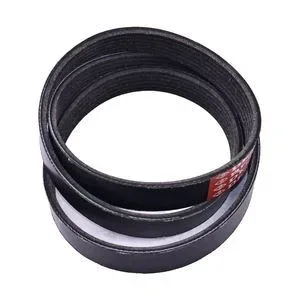
Alternator Belt for Thermo King Tripac APU – Service Part
<p>Replacement interval guidance ships with every order to support fleet maintenance planning</p>
Lead Time
2-5 Days
Warranty
3-12 Months
Min. Order
1 Piece
Ships To
120+ Countries
Request a Quote
Response within 24 hours
Product Details
Fleet Stocking Strategy — Plan APU belt replacements before predictable wear turns a minor service item into a roadside failure.
Technical Specifications
| Parameter | Value |
|---|---|
| Part Number | 78-1918 / 78-1543 |
| Product Type | Belt |
| Cross-Reference | 78-1918, 781918, 78-1543, 781543 (reference only) |
| Machine Fitment | Thermo King Tripac APU |
| Condition | New Aftermarket |
| Warranty | 3-12 months against manufacturing defects |
| Standards | ISO |
| Applications | Long-haul trucking, refrigerated transport, auxiliary power systems |
Application Suitability
| Service Interval | What to Check |
|---|---|
| Routine preventive maintenance cycle | Belt surface for cracking, glazing, or fraying at the edges |
| Pre-season fleet inspection before peak haul demand | Tensioner spring force and pulley alignment for even belt tracking |
| Lease turnover between rental fleet cycles | Alternator bearing play and accessory drive pulley condition |
| Aging APU units past OEM support window | Availability of superseded belt numbers and alternate cross-references |
Why an Alternator Belt Service Part Maintenance Plan Matters for Your Fleet
A snapped alternator belt at 2 a.m. on a highway turns a low-cost wear item into cargo spoilage, missed delivery windows, and emergency callouts.
Fleet operators running refrigerated trailers on Thermo King Tripac APU units know that auxiliary power keeps the reefer running when the main engine is off. When the alternator belt fails, the APU shuts down, the refrigeration unit loses electrical supply, and temperature-sensitive freight begins to degrade. The belt itself costs little, but the downstream consequences scale quickly — spoiled produce, rejected loads, and driver hours spent troubleshooting in lay-bys [NEED_CITE: cold chain integrity requirements for refrigerated road transport].
I spent years in repair bays across the Pearl River Delta watching the same pattern repeat: a fleet would run its APUs until a belt cracked through, then scramble for a replacement while the trailer sat loaded and warming. After one client lost an entire shipment of seafood because no spare alternator belt was in the truck’s kit, we shifted their entire fleet to scheduled alternator belt service part maintenance intervals. The belt does not fail randomly — it shows visible wear signs long before it snaps. Planning replacement around those signs is the difference between controlled maintenance and reactive firefighting.
Where the Alternator Belt Sits in the APU Service Lifecycle
The alternator belt on a Tripac APU is a scheduled wear item, not a failure-prone component. It operates in a continuous loop driving the alternator from the engine crankshaft, exposed to the heat generated by the APU enclosure and the vibration inherent in truck-mounted diesel units. Over a typical service lifecycle, the belt undergoes predictable rubber degradation — the surface hardens, micro-cracks appear on the ribbed side, and the tensile cords gradually lose elasticity.
Replacing the alternator belt as part of a planned service interval, rather than waiting for it to break, aligns with fleet-level preventive maintenance scheduling. This alternator belt service part maintenance approach lets you coordinate belt swaps with other scheduled APU service tasks such as oil changes, filter replacements, and coolant top-offs, minimizing the number of times the unit is opened.
Reading Wear Signs Before They Become Failures
Belt wear follows a recognizable progression. Early-stage aging shows as slight surface glazing on the ribbed face, where the rubber has polished smooth against the pulley grooves. Mid-stage wear introduces transverse cracking across the ribs — these cracks deepen with every thermal cycle as the APU starts, runs, and shuts down. Late-stage wear brings fraying at the belt edges and visible cord exposure, meaning the tensile members are no longer fully encapsulated [NEED_CITE: visual inspection criteria for v-belt and multi-rib belt condition assessment].
At the late stage, a belt may still function, but its remaining life is unpredictable. A sudden load spike from alternator demand during a cold start can snap a frayed belt without further warning. Fleet operators who train drivers to inspect belt condition during pre-trip checks catch these signs early and schedule replacement at the next depot stop. Stocking the correct alternator belt service part maintenance quantity per vehicle ensures that replacement happens immediately rather than waiting for a part to arrive.
What the Specifications Mean for Heavy-Duty Trucking
The Tripac APU alternator belt operates in an environment that combines elevated ambient temperatures inside the APU enclosure with exposure to diesel fuel mist, engine oil aerosol, and road dust drawn in during operation. The belt compound must resist swelling and softening when hydrocarbon vapors contact the rubber surface, as oil-contaminated belts lose grip and begin to slip, accelerating wear.
Heat resistance is the second critical factor. The APU enclosure traps engine heat, and belt operating temperatures routinely exceed what standard automotive belts can sustain over long intervals. Abrasion resistance matters where road dust infiltrates the enclosure — particulate embeds in pulley grooves and acts as a grinding compound against the belt ribs.
The Hidden Cost of Reactive Belt Replacement
When a fleet treats alternator belts as run-to-failure items, the cumulative cost extends far beyond the belt itself. An APU that loses its alternator belt mid-route stops generating electricity, which means the batteries stop charging and the refrigeration unit switches to whatever backup exists — often none that can sustain a loaded trailer for more than a short window. The cargo temperature rises, and depending on the product, the entire load may be rejected at the receiving dock [NEED_CITE: temperature excursion liability in refrigerated freight transport].
Beyond cargo loss, reactive replacement forces technicians to respond at inconvenient times and locations. A belt change performed in a depot bay on a scheduled morning takes a fraction of the labor cost compared to a roadside repair at night, where access is poor, lighting is limited, and the technician may not have the correct tensioner or pulley on hand to check for related wear. Fleet operators who move to planned alternator belt service part maintenance cycles consistently report fewer unplanned APU stops and more predictable fleet uptime across their routes.
Why Source This Alternator Belt Through XUNPO
Our Guangzhou warehouse holds stock of common APU service items for fast dispatch, so fleet operators can replenish their belt inventory without waiting for extended lead times. Every belt ships under the same 3-12 month warranty, whether it comes from our own production line or a qualified ISO-certified manufacturing partner — one accountability standard across the entire order.
We confirm compatibility by cross-referencing your existing belt number or machine model, including superseded references that no longer appear in current catalogs. For fleet operators evaluating a new supplier, we offer sample supply so you can verify fitment on one APU before committing to a bulk order for the entire fleet. Our technical team reviews tensioner and pulley compatibility alongside the belt itself, flagging any variant differences that might affect installation on older Tripac APU generations.
Documentation & Verification
- Commercial invoice listing 78-1918 and 78-1543 references with cross-reference notation
- Part compatibility sheet confirming Tripac APU model year and belt routing match
- Quality inspection record covering belt dimensional checks and visual surface audit
- Warranty terms document specifying coverage period and manufacturing defect scope
- Packing photographs showing belt condition before carton closure for transit record
- HS code and customs classification support for cross-border fleet supply orders
Service Interval & Stocking Guidance
- Replace the alternator belt at the APU manufacturer’s recommended service hour interval or at first visible rib cracking
- Inspect belt edges and ribbed surface during every pre-trip walk-around for early glazing or fraying detection
- Carry at least one spare 78-1918 or 78-1543 belt per vehicle in the onboard tool compartment for route emergencies
- Store spare belts flat in a cool, dry environment away from direct sunlight and diesel fuel contact
- Check tensioner spring pressure and pulley bearing play at every belt replacement to avoid premature re-failure
Request a Fleet Maintenance Quote
Provide your APU model designation, the number of units in service, and your current belt replacement interval so we can calculate a stocking recommendation. If you are replacing a superseded belt number, share the old reference or a photograph of the existing belt label for cross-reference verification. We will confirm compatibility and propose a supply schedule aligned with your fleet maintenance calendar.
Frequently Asked Questions
Q: How often should the APU alternator belt be replaced?
A: Replacement timing depends on APU operating hours and environmental conditions. Most fleet operators schedule alternator belt service part maintenance at the manufacturer’s recommended service interval, but high-heat or dusty routes may require earlier attention. Inspect the belt at each scheduled APU service and replace it when transverse cracking or edge fraying appears.
Q: What warning signs indicate the belt is nearing failure?
A: Look for surface glazing on the ribbed face, transverse cracks across the ribs, and fraying along the belt edges. A squealing noise during APU startup often means the belt is slipping due to hardened rubber or worn ribs. Catching these signs early lets you schedule replacement at a convenient depot stop instead of facing an unplanned roadside breakdown.
Q: Should I replace the tensioner and pulleys at the same time?
A: Inspecting the tensioner spring force and pulley bearing play at every belt change is recommended. A weak tensioner allows the belt to slip and wear prematurely, while a worn pulley damages the new belt ribs. Replacing worn adjacent components during alternator belt service part maintenance prevents early re-failure and reduces repeat labor costs.
Q: How many spare belts should my fleet carry?
A: A practical starting point is one spare belt per vehicle stored onboard, plus a central warehouse reserve covering a portion of your active fleet. This balance ensures immediate roadside replacement capability while keeping bulk inventory at a manageable level. Adjust quantities based on route remoteness and APU utilization intensity.
Q: Can I still get belts for older Tripac APU generations?
A: Yes, we cross-reference superseded belt numbers and verify compatibility against your specific APU model and serial range. Older Tripac APU units that are past the primary OEM support window remain serviceable through verified aftermarket references, and we can supply samples for fitment confirmation before fleet-wide rollout.
Compatible Brands
Our parts are engineered to meet or exceed OEM specifications. Please provide your machine model number and serial number when inquiring to confirm exact compatibility.
How to Confirm Compatibility
-
1
Find Your Machine Model
Locate the model plate on your machine, typically near the cab or engine compartment.
-
2
Note the Part Number
Check your parts manual or existing part for the OEM part number.
-
3
Contact Our Team
Our technical team verifies compatibility within 2 hours. Send us the details via the inquiry form or WhatsApp.
Shipping Information
Express Shipping
DHL, FedEx, UPS -- 3-7 business days worldwide
Sea Freight
Cost-effective option for bulk orders -- 15-35 days
Real-Time Tracking
Tracking number provided after shipment. 24/7 support available.
Warranty Policy
All parts come with manufacturer warranty. Duration varies by product category.
- Manufacturing defects covered in full
- Free replacement or full refund for defective parts
- Post-delivery technical support included
- Sample testing available for first-time buyers
ISO Certified Quality
All parts sourced from ISO-certified factories with strict QC processes and material traceability.
Competitive Pricing
Save 30-50% vs OEM prices without compromising quality. Transparent pricing with no hidden fees.
Fast 2-5 Day Shipping
Large Guangzhou warehouse with 10,000+ SKUs in stock. Most orders ship within 2-5 business days.
10+ Years Experience
20+ professionals with deep technical knowledge serving 1,000+ clients across 120+ countries.
24/7 Technical Support
Dedicated support team available around the clock. Part verification within 2 hours of inquiry.
Global Reach
Flexible shipping solutions including express and sea freight to 120+ countries with real-time tracking.
Related Products
More parts you might need

Need a Custom Quote?
Our technical team responds within 24 hours. MOQ 1 piece. Ships to 120+ countries from our Guangzhou warehouse.