
Belt Drive Systems
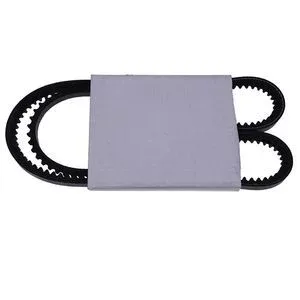
Cooling Fan Belt 6669034 for Bobcat 751 753 – Service Part
<p><strong>Cooling Fan Belt 6669034</strong> — 11×1055LA V-belt, heat and oil resistant rubber with polyester cords, replacement for Bobcat 751, 753, 763, 773 and S130 skid steer loaders.</p> <ul> <li>Inspect for cracking, glazing or squeal at each scheduled service interval; replacing the fan belt alongside the tensioner and adjacent drive belts avoids unplanned overheat shutdowns and secondary engine damage.</li> <li>Stocking ahead on predictable-wear items keeps older Bobcat skid steers productive as OEM support thins.</li> </ul> <p>Replacement cycle recommendations and cross-reference verification sheet included with every consignment.</p>
Lead Time
2-5 Days
Warranty
3-12 Months
Min. Order
1 Piece
Ships To
120+ Countries
Request a Quote
Response within 24 hours
Product Details
Proactive Fleet Stocking — Replacement intervals for this cooling fan belt align with Bobcat skid steer service schedules to prevent overheating shutdowns.
Technical Specifications
| Parameter | Value |
|---|---|
| Part Number | 6669034 |
| Cross-Reference | 6669034 (reference only) |
| Machine Fitment | Bobcat 751, 753, 763, 773, S130 Skid Steer Loader |
| Product Type | Belt |
| Type Designation | 11*1055LA |
| Inner Circumference | 1005mm |
| Outer Circumference | 1005mm |
| Belt Width | 11mm |
| Belt Thickness | 8mm |
| Material | Heat and oil resistant rubber with internal polyester cords |
| Condition | New Aftermarket |
| Warranty | 3-12 months against manufacturing defects |
Application Suitability
| Service Interval | What to Check |
|---|---|
| Every 500 hours or signs of cracking | Belt surface condition, tensioner bearing play, pulley alignment |
| Between rental contracts | Full belt-drive path inspection, coolant hose integrity, fan shroud condition |
| Annual fleet maintenance review | Stocking level of spare belts against machine count and age profile |
| Post-overheat incident | Belt condition, tensioner function, coolant level and thermostat operation |
Why Skid Steer Fleets Lose More Hours to Fan Belt Failures Than Necessary
Most cooling belt failures are entirely preventable with scheduled replacement before the rubber reaches end of service life.
Fleet operators running older Bobcat skid steers often treat the cooling fan belt as a non-critical wear item until an overheat shutdown forces an emergency parts order. In high-ambient environments like Southeast Asian mining and construction sites, belt rubber degrades faster than standard service manuals suggest [NEED_CITE: rubber degradation rates in elevated ambient temperature environments for mobile equipment]. The result is a low-cost consumable causing disproportionate machine downtime, especially when the belt is not stocked on-site and must be sourced reactively. Planning the Cooling Fan Belt 6669034 service part replacement around predictable engine-hour intervals transforms this from a reactive crisis into a routine maintenance task.
Where This Belt Sits in the Machine Service Lifecycle
The fan belt is among the earliest wear items in a skid steer’s cooling system. As the Cooling Fan Belt 6669034 service part ages, heat cycling causes the rubber compound to harden and develop micro-cracks along the ribs and sidewalls. This degradation is invisible during casual inspection but directly affects grip on the pulley surfaces, leading to slippage under thermal load.
Fleet maintenance programs should position belt replacement ahead of predictable failure rather than after an overheat event. Machines operating continuously in dusty, high-temperature conditions consume belts at a noticeably faster rate than those in temperate climates, making calendar-based replacement intervals unreliable compared to engine-hour tracking.
Wear Progression Signals and Linked Component Inspection
Before a belt snaps outright, it typically announces impending failure through audible squeal during cold starts, visible glazing on the contact surfaces, or a gradual rise in coolant temperature under sustained load [NEED_CITE: diagnostic indicators of accessory drive belt wear in diesel-powered compact equipment]. These signals should trigger not only belt replacement but also inspection of the tensioner spring force, pulley bearing condition, and fan hub integrity.
Replacing the belt alone while leaving a worn tensioner in place often leads to premature failure of the new belt, as inconsistent tension accelerates sidewall wear and promotes slippage. A lifecycle-oriented approach treats the entire belt-drive path as a maintenance unit, scheduling tensioner and pulley renewal at intervals matched to the belt’s expected service life. This prevents the cycle of replacing one component only to have an adjacent worn part destroy it within weeks.
Understanding the Material Specification for Engine Bay Conditions
The heat and oil resistant rubber compound specified for this belt addresses the reality of skid steer engine compartments, where ambient under-hood temperatures routinely exceed the thresholds that standard automotive belts can sustain. The polyester cord reinforcement provides dimensional stability under tension, resisting the stretch that causes slippage as the belt accumulates service hours.
The 11mm width and 8mm thickness correspond to the pulley groove profile on compatible Bobcat models, ensuring proper seating and load distribution across the belt cross-section. A belt that is dimensionally correct but uses a rubber compound unsuitable for sustained high-temperature exposure will harden prematurely, losing flexibility and developing surface cracks that propagate into structural failure. Material selection for this application is therefore not a secondary concern but a primary determinant of service interval length.
The Cumulative Cost of Reactive Belt Procurement
When a fleet treats fan belt replacement as an emergency purchase rather than a planned stocking item, the consequences extend well beyond the belt itself. An overheat shutdown in the middle of a grading or loading operation halts not only the affected machine but potentially the entire work sequence dependent on it [NEED_CITE: cost impact of unplanned equipment downtime on construction project schedules].
The reactive procurement cycle — identifying the failed part, sourcing availability, arranging freight, waiting for delivery — introduces days of machine idle time for a component that costs little and requires minutes to install. Fleets that have experienced this cycle repeatedly find that maintaining a small forward stock of high-consumption wear items eliminates the downtime entirely, converting unpredictable stoppages into planned servicing during scheduled maintenance windows.
Why Source This Belt Through XUNPO
Own production on selected lines and qualified sourced supply operate under identical quality control and warranty terms, so batch consistency is maintained regardless of production origin. Eight product categories across a single account mean that a complete belt-drive service kit — belts, tensioner, pulleys, associated fasteners — ships as one consignment rather than fragmented orders from multiple suppliers.
Minimum order from one piece supports fleets that need a single emergency replacement alongside those building forward stock for an entire machine park. The Guangzhou warehouse maintains stock on fast-moving consumables for rapid dispatch on common items. Part identification from machine model, photograph, or worn nameplate image removes the guesswork when original markings are no longer legible. Cross-reference verification covers superseded and alternate numbers to confirm fitment before commitment, and sample supply is available for fitment confirmation before bulk orders are placed.
Documentation & Verification
- Commercial invoice and packing list referencing belt quantity and batch
- Compatibility and cross-reference sheet for 6669034 (reference only) confirming fitment across 751, 753, 763, 773, and S130 models
- Dimensional inspection record verifying width, thickness, and circumference tolerances
- Warranty terms document covering manufacturing defect period
- Packing photographs showing belt condition prior to crate sealing
- HS code and customs classification support for international freight clearance
Service Interval & Stocking Guidance
- Schedule belt replacement at intervals aligned with engine-hour accumulation and ambient operating conditions rather than calendar dates
- Inspect belt surfaces for cracking, glazing, and sidewall fraying at each scheduled service visit
- Maintain a forward stock of spare belts proportionate to fleet size and machine age profile, with older machines requiring higher coverage
- Store spare belts in a cool, dry environment away from direct sunlight and chemical exposure to prevent shelf degradation of the rubber compound
- Record belt replacement dates and engine hours to build fleet-specific consumption data for future stocking calibration
Requesting a Lifecycle-Based Quotation
Provide your machine models, current engine-hour readings, and fleet size to receive a stocking recommendation aligned with your specific duty cycles and operating environment. Including the operating conditions — ambient temperature range, dust levels, continuous versus intermittent use — enables more accurate replacement interval guidance. For machines with existing belt-drive maintenance records, sharing the last replacement date and hour reading helps calibrate forward stocking quantities.
Frequently Asked Questions
Q: How often should the cooling fan belt be replaced under normal skid steer duty cycles?
A: Replacement intervals depend heavily on operating environment and duty intensity rather than a universal hour count. Machines working continuously in high-temperature, dusty conditions will consume belts noticeably faster than those in mild climates with intermittent use. Tracking engine hours at each replacement builds a fleet-specific baseline that proves more reliable than generic service manual recommendations for planning forward stock.
Q: What symptoms indicate the belt needs changing before the next scheduled service?
A: Audible squeal during cold engine starts, visible surface glazing or micro-cracking along the belt ribs, and a gradual upward trend in coolant temperature under load all signal advanced rubber degradation. Any of these indicators warrants immediate inspection and likely replacement rather than waiting for the next planned maintenance window, as belt failure under load risks secondary engine cooling damage.
Q: Should the tensioner and pulleys be replaced at the same time as the fan belt?
A: Inspecting the tensioner spring tension and pulley bearing condition at every belt replacement is strongly recommended. A worn tensioner applies inconsistent pressure that accelerates wear on the new belt, while rough pulley bearings create localized heat and abrasion. Renewing these linked components together extends the service life of the entire belt-drive path and reduces the frequency of repeat interventions.
Q: How many spare belts should a fleet maintain in forward stock?
A: A practical starting point is maintaining at least one spare belt per machine for models in active daily service, with additional coverage for older machines where belt degradation tends to accelerate. Fleet-specific consumption history provides the most reliable basis for adjusting this quantity upward as operational patterns and environmental conditions dictate actual replacement frequency.
Q: Are replacement belts still available for older Bobcat models with thinning manufacturer support?
A: Aftermarket supply for established machine platforms like the 751, 753, 763, and 773 series remains viable well beyond the period of active manufacturer parts support. Cross-reference verification confirms dimensional and fitment compatibility across these models, enabling fleet operators to maintain older machines in productive service through planned consumable stocking rather than forced retirement due to parts unavailability.
Compatible Brands
Our parts are engineered to meet or exceed OEM specifications. Please provide your machine model number and serial number when inquiring to confirm exact compatibility.
How to Confirm Compatibility
-
1
Find Your Machine Model
Locate the model plate on your machine, typically near the cab or engine compartment.
-
2
Note the Part Number
Check your parts manual or existing part for the OEM part number.
-
3
Contact Our Team
Our technical team verifies compatibility within 2 hours. Send us the details via the inquiry form or WhatsApp.
Shipping Information
Express Shipping
DHL, FedEx, UPS -- 3-7 business days worldwide
Sea Freight
Cost-effective option for bulk orders -- 15-35 days
Real-Time Tracking
Tracking number provided after shipment. 24/7 support available.
Warranty Policy
All parts come with manufacturer warranty. Duration varies by product category.
- Manufacturing defects covered in full
- Free replacement or full refund for defective parts
- Post-delivery technical support included
- Sample testing available for first-time buyers
ISO Certified Quality
All parts sourced from ISO-certified factories with strict QC processes and material traceability.
Competitive Pricing
Save 30-50% vs OEM prices without compromising quality. Transparent pricing with no hidden fees.
Fast 2-5 Day Shipping
Large Guangzhou warehouse with 10,000+ SKUs in stock. Most orders ship within 2-5 business days.
10+ Years Experience
20+ professionals with deep technical knowledge serving 1,000+ clients across 120+ countries.
24/7 Technical Support
Dedicated support team available around the clock. Part verification within 2 hours of inquiry.
Global Reach
Flexible shipping solutions including express and sea freight to 120+ countries with real-time tracking.
Related Products
More parts you might need

Need a Custom Quote?
Our technical team responds within 24 hours. MOQ 1 piece. Ships to 120+ countries from our Guangzhou warehouse.