
Cylinder Components
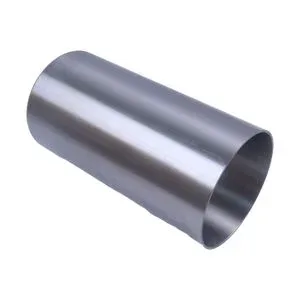
Cylinder Liner 3904166 for Cummins ISB QSB – Fleet Supply
<p><strong>Cylinder Liner 3904166, Centrifugally Cast Pearlitic Grey Iron, Ra 0.2–0.4 μm Bore Finish</strong> — compatible with Cummins ISB, QSB, and B-series engines across construction, genset, and marine applications.</p> <ul> <li>Scheduled replacement at mid-to-late service life addresses coolant contamination, compression loss, or bore scoring detected during inspections</li> <li>Plan liner stocking ahead of overhaul windows to avoid emergency sourcing and machine downtime</li> <li>Supports single-cylinder repair or full set replacement depending on fleet maintenance strategy</li> </ul> <p>Replacement interval guidance and long-term supply for legacy B-series platforms included with every shipment.</p>
Lead Time
2-5 Days
Warranty
3-12 Months
Min. Order
1 Piece
Ships To
120+ Countries
Request a Quote
Response within 24 hours
Product Details
Fleet Stocking — Cylinder liner sleeve for Cummins ISB and QSB engines stocked with service interval guidance to support planned overhaul schedules.
Technical Specifications
| Parameter | Value |
|---|---|
| Part Number | 3904166 |
| Product Type | Cylinder Liner |
| Cross-Reference (reference only) | 3904166, DS-3904166, DS-3904166OS, DS3904166OS, DS3904166 |
| Machine Fitment | 4B3.9, 6B5.9, B3.3, B3.9-V110, B5.9 G, B5.9 GAS PLUS CM556, B5.9 LPG PLUS CM556, B5.9-C, B5.9-M330, G5.9, G5.9 CM558, ISB, ISB CM2150, ISB CM550, ISB CM850, ISB5.9G CM2180, ISB6.7 CM2250, ISB6.7 CM2350 B101, ISBE CM800, ISBE4 CM850, QSB3.9 30 CM550, QSB4.5 30 CM550, QSB4.5 CM850(CM2850), QSB5.9 30 CM550, QSB5.9 44 CM550, QSB5.9 CM550, QSB5.9 CM850, QSB5.9480H0, QSB5.9G, QSB6.7 CM2250, QSB6.7 CM850(CM2850) |
| Material | Centrifugally cast pearlitic grey iron (ASTM A48 Class 30B) |
| Inner Bore Surface Finish | Ra 0.2–0.4 μm plateau-honed |
| Interference Fit Tolerance | ±0.005 mm |
| Hardness | 200–230 HB |
| Inspection | Magnetic particle inspection for subsurface flaw detection |
| Condition | New Aftermarket |
| Warranty | 3–12 months against manufacturing defects |
| Standards | ISO 9001, ASTM A48 Class 30B |
Application Suitability
| Service Interval | What to Check |
|---|---|
| Mid-life overhaul (typical scheduled rebuild) | Coolant contamination signs, compression loss readings, bore scoring on visual inspection |
| High-hour continuous duty (genset, quarry, port equipment) | Liner wall thickness measurement, piston-to-liner clearance deviation, cavitation erosion on outer surface |
| Rental turnaround between contract cycles | Bore diameter variation across cylinder bank, crosshatch pattern integrity, flange seating surface condition |
| Legacy ISB/QSB platform support | Engine serial variant confirmation, superseded part number cross-reference, availability of matching piston and ring sets |
Planning Liner Replacements Before the Machine Demands It
A cylinder liner ordered after failure means the machine is already down; ordering it ahead of predictable wear keeps the fleet moving on schedule.
Fleet managers across Latin American mining and construction circuits often treat cylinder liners as emergency purchases — waiting until coolant leaks into the oil or compression drops below threshold before sourcing replacements. I have watched excavators and wheel loaders sit idle for weeks in remote camps because no one had stocked a liner sleeve for the Cummins ISB or QSB engine in the machine room. The failure signature is usually visible long before catastrophic bore damage: slight coolant consumption increase, faint exhaust smoke on cold start, or a marginal compression reading during scheduled service. [NEED_CITE: diesel engine cylinder bore wear progression indicators during preventive maintenance]
The pattern repeats across contractor fleets operating B-series and QSB platforms in continuous duty — gensets running base load at quarry sites, excavators cycling in abrasive dust, marine propulsion units logging high hours between drydock intervals. Reactive procurement forces premium freight, rushed decisions on variant selection, and machines that sit while parts transit. Planned stocking aligned to overhaul cadence removes that entire failure chain.
Where This Liner Sits in the Engine Service Life
The cylinder liner sleeve is a mid-to-late lifecycle replacement component. On Cummins ISB and QSB platforms, liners typically remain dimensionally stable through the first major service interval but begin showing measurable bore wear and surface finish degradation as the engine approaches overhaul hours. Monitoring compression trends and coolant condition across scheduled inspections gives fleet maintenance teams the lead time needed to order a cylinder liner service part for Cummins ISB QSB engines before the next planned teardown.
Wear Progression and the Case for Stocking Ahead
Liner wear on these platforms follows a recognizable curve. Early-stage bore polishing reduces oil film retention, increasing ring wear and blow-by. As wear progresses, coolant-side cavitation can compromise the outer surface, and interference fit integrity at the flange weakens. Once scoring or measurable taper exceeds tolerance, re-honing is no longer viable — replacement is the only path. Adjacent components including piston rings, piston crowns, and head gaskets typically require replacement in the same service window, so budgeting should account for the full cylinder pack rather than the liner alone. [NEED_CITE: cylinder liner replacement intervals and associated component wear correlation in medium-duty diesel engines]
For aging ISB and QSB installations, factory supply channels thin over time. Aftermarket availability becomes the primary sourcing route, and lead times can stretch if the specific variant for your engine serial is not in stock. Keeping a calculated quantity on hand — matched to fleet size and typical overhaul frequency — prevents the situation where a single worn liner idles an entire machine.
Material and Dimensional Specification Breakdown
The centrifugally cast pearlitic grey iron construction, meeting ASTM A48 Class 30B, provides the graphite flake structure needed for thermal conductivity and damping capacity under sustained combustion loading. The plateau-honed inner bore surface finish at Ra 0.2–0.4 μm establishes the oil retention crosshatch pattern that supports ring seating during initial break-in and maintains hydrodynamic film through extended service. The interference fit tolerance of ±0.005 mm ensures consistent flange retention in the block without inducing stress distortion that could lead to flange cracking under thermal cycling. Magnetic particle inspection on each unit screens for subsurface casting voids that would otherwise propagate under combustion pressure loads. The 200–230 HB hardness range balances wear resistance against the machinability needed for any future re-honing within service limits.
The Cost of Treating Liners as Emergency Purchases
When a fleet buys cylinder liners only after bore failure, the downstream costs compound. The machine is already non-productive. Freight premiums for expedited shipping add cost without adding value. Variant confirmation under time pressure increases the risk of receiving a liner that fits the engine family but not the specific serial variant — leading to return shipments and further delay. Over multiple unplanned events across a fleet, the cumulative downtime from reactive liner sourcing meaningfully exceeds the cost of maintaining planned stock. [NEED_CITE: unplanned versus planned maintenance cost differential in mobile equipment fleet operations]
Sourcing Advantages for Fleet Maintenance Programs
Own production on selected lines combined with qualified sourced supply means this cylinder liner carries the same quality control and warranty terms regardless of origin line. Eight product categories under one account allow liner sleeves, piston sets, ring packs, gaskets, and seal kits for a complete engine overhaul to ship as a single consignment. Minimum order from one piece supports both single-machine emergency coverage and full-fleet planned stocking. The Guangzhou warehouse holds stock on common items for fast dispatch. Part identification from engine serial number, machine model, or nameplate photograph ensures the correct variant is confirmed before purchase. Cross-reference verification covers superseded and alternate numbers, critical for legacy ISB and QSB variants. Sample supply is available for fitment confirmation before committing to bulk fleet orders.
Documentation & Verification
- Commercial invoice and packing list itemizing liner quantities by engine serial variant
- Part compatibility and cross-reference sheet with superseded numbers marked reference only
- Dimensional and material quality inspection records including magnetic particle test results
- Warranty terms covering manufacturing defects for 3–12 months from delivery
- Packing photographs showing individual protective sleeves and reinforced export cartons
- HS code and customs documentation support for international fleet supply shipments
Service Interval & Stocking Guidance
- Schedule liner inspection at each major overhaul interval; measure bore diameter at three axial positions
- Replace when taper or out-of-round exceeds service limits or coolant-side cavitation is visible
- Stock one complete set per engine in active overhaul rotation plus buffer for legacy platforms
- Store liners vertically in original protective sleeves to prevent flange distortion and bore contamination
- Verify engine serial number against fitment list before adding to planned inventory
Requesting a Fleet Supply Quote
Provide your engine model, serial number range, and typical overhaul cadence so we can confirm the correct liner variant and recommend a stocking quantity aligned to your fleet maintenance schedule. Machine hours and operating environment help us assess expected wear progression and refine the replacement interval.
Frequently Asked Questions
Q: How do I know when cylinder liners need replacement versus just re-honing?
A: Bore taper measurement and surface condition determine this. If scoring is visible or taper exceeds service limits, honing cannot restore the geometry — replacement is required. Coolant-side cavitation also mandates replacement regardless of bore condition. We can advise based on your inspection readings and engine serial.
Q: Should I replace one liner or all liners during a scheduled overhaul?
A: Replacing the full set maintains uniform compression and wear characteristics across the cylinder bank. Single-cylinder replacement is viable for isolated damage, but mixed wear states between new and worn liners create imbalance that accelerates wear on the new unit.
Q: What other components should I budget for when planning a liner replacement?
A: Piston rings, piston crowns, connecting rod bearings, and head gaskets are typically replaced in the same service window. Seal kits for the cylinder head and oil pan gaskets should be included to avoid a second teardown for adjacent leaks.
Q: How many spare liners should a fleet keep on hand?
A: A practical baseline is one complete set for each engine model in your active overhaul rotation, plus additional units for legacy platforms where aftermarket supply may require longer lead times. We can calculate specific quantities based on your fleet composition.
Q: Can I still source liners for older ISB and QSB variants no longer in mainstream production?
A: Yes. Cross-reference verification covers superseded part numbers and alternate designations. Provide your engine serial number so we can confirm the exact variant required and check current availability for your specific platform.
Compatible Brands
Our parts are engineered to meet or exceed OEM specifications. Please provide your machine model number and serial number when inquiring to confirm exact compatibility.
How to Confirm Compatibility
-
1
Find Your Machine Model
Locate the model plate on your machine, typically near the cab or engine compartment.
-
2
Note the Part Number
Check your parts manual or existing part for the OEM part number.
-
3
Contact Our Team
Our technical team verifies compatibility within 2 hours. Send us the details via the inquiry form or WhatsApp.
Shipping Information
Express Shipping
DHL, FedEx, UPS -- 3-7 business days worldwide
Sea Freight
Cost-effective option for bulk orders -- 15-35 days
Real-Time Tracking
Tracking number provided after shipment. 24/7 support available.
Warranty Policy
All parts come with manufacturer warranty. Duration varies by product category.
- Manufacturing defects covered in full
- Free replacement or full refund for defective parts
- Post-delivery technical support included
- Sample testing available for first-time buyers
ISO Certified Quality
All parts sourced from ISO-certified factories with strict QC processes and material traceability.
Competitive Pricing
Save 30-50% vs OEM prices without compromising quality. Transparent pricing with no hidden fees.
Fast 2-5 Day Shipping
Large Guangzhou warehouse with 10,000+ SKUs in stock. Most orders ship within 2-5 business days.
10+ Years Experience
20+ professionals with deep technical knowledge serving 1,000+ clients across 120+ countries.
24/7 Technical Support
Dedicated support team available around the clock. Part verification within 2 hours of inquiry.
Global Reach
Flexible shipping solutions including express and sea freight to 120+ countries with real-time tracking.
Related Products
More parts you might need


Need a Custom Quote?
Our technical team responds within 24 hours. MOQ 1 piece. Ships to 120+ countries from our Guangzhou warehouse.