

Belt Drive Systems
Drive & Starter Belt 606136 606138 for EZGO RXV TXT – Service Part
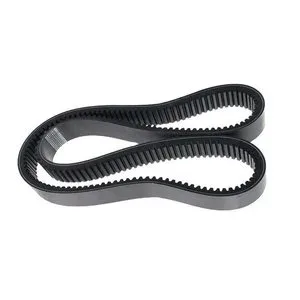
<p><strong>606136 606138 Belt Set for EZGO RXV TXT, 1/2" x 35.5" Starter + 1" x 35" Drive</strong> — replacement for EZGO golf carts with 13 HP Kawasaki engines (2008-up).</p> <ul> <li>Covers both starter generator and drive system in one scheduled maintenance interval, aligning replacement cycles to reduce unplanned fleet downtime</li> <li>Typical wear signs include cracking, glazing, and loss of tension — inspect pulleys and tensioners during each belt service</li> <li>Stocking strategy supports fleet-level planning for golf courses, resorts, and rental operations running high-usage carts</li> <li>Replacement interval recommendations included with shipment to support planned maintenance scheduling</li> </ul>
Lead Time
2-5 Days
Warranty
3-12 Months
Min. Order
1 Piece
Ships To
120+ Countries
Request a Quote
Response within 24 hours
Product Details
Fleet Stocking Plan — Replacement intervals and wear indicators aligned for 13HP Kawasaki-equipped carts across high-usage operations.
Technical Specifications
| Parameter | Value |
|---|---|
| Part Number | 606136 606138 |
| Product Type | Belt |
| Cross-Reference | 265-586, 265586, 606136, 606138, 16548G1 (reference only) |
| Machine Fitment | EZGO RXV, TXT, Workhorse, ST (2008-up with 13 HP Kawasaki Engine) |
| Included Components | 1 x Starter Generator Belt (1/2" W x 35.5" OD), 1 x Drive Belt (1" W x 35" OD) |
| Compatible Engine | Kawasaki 13 HP |
| Condition | New Aftermarket |
| Warranty | 3-12 months against manufacturing defects |
| Manufacturing Standard | ISO-certified manufacturing |
Application Suitability
| Service Interval | What to Check |
|---|---|
| Daily-use golf course fleet | Belt surface glazing, sidewall cracking, tension loss |
| Resort utility vehicle turnaround | Pulley groove wear, tensioner spring fatigue |
| Rental cart seasonal recommissioning | Alignment marks, sheave surface scoring |
| Aging fleet life extension (2008-up models) | Starter generator bearing play, drive clutch engagement |
Why Fleets Lose More Time to Belts Than to Engines
A complete Drive & Starter Belt service part for EZGO Golf Cart maintenance set eliminates the most common cause of repeat cart downtime: reactive single-belt replacement.
Fleet supervisors often see the same pattern. A drive belt snaps on a Friday afternoon, the cart gets a replacement, and two weeks later the starter belt fails on the same unit. The cart goes down again, the mechanic pulls it off the course again, and the rental revenue or golfer availability drops again. Across a fleet of fifty carts, this cycle of staggered belt failures consumes measurable maintenance labor every season. [NEED_CITE: planned maintenance scheduling for fleet-level utility vehicle operations]
Running a mixed fleet of RXV, TXT, and Workhorse models complicates stocking because the 13HP Kawasaki engine variant determines belt dimensions. Ordering by machine model alone without confirming the engine build year risks receiving belts that sit on the shelf. The identifier 606136 and 606138 covers both the starter generator belt and the drive belt as a matched set, so one SKU handles the full belt service event for the compatible engine platform.
Where This Belt Set Fits in the Cart Service Calendar
Belts on daily-use carts typically reach end-of-life from heat cycling and tension decay rather than sudden overload. The starter generator belt, at 1/2" width, handles the electrical load during engine start and then freewheels during operation. The drive belt, at 1" width, transmits continuous torque from the engine to the transaxle. Both experience measurable width reduction and surface hardening over a season of play. Replacing them together during a scheduled service window keeps the cart on the course rather than in the shop.
Reading the Wear Signs Before a Belt Snaps
Sidewall cracking on the drive belt indicates rubber compound aging from sustained heat exposure. A glazed surface on the starter generator belt signals slippage that accelerates pulley wear. When a tensioner spring loses preload, the belt rides lower in the sheave groove, producing a characteristic chirping sound during acceleration. Catching these indicators during a mid-season inspection allows a planned swap rather than an emergency call-out. [NEED_CITE: belt wear inspection criteria for light utility vehicle fleet maintenance]
How Belt Width and OD Determine Service Life Under Load
The 1/2" starter generator belt operates under intermittent peak load during cranking, then transitions to light parasitic drag. Its 35.5" outside diameter must match the sheave pitch circle to avoid riding too high or too low in the groove. The 1" drive belt carries continuous torque and must maintain sidewall contact across the full sheave face. If the drive belt OD stretches beyond tolerance, it bottoms out in the groove and loses grip on the sheave walls, generating heat that accelerates compound breakdown. Both belts in this set are dimensionally matched to the Kawasaki 13HP engine configuration, so replacement restores original routing geometry.
The Real Cost of Skipping the Tensioner Check
Replacing belts without inspecting the tensioner and pulleys is the most frequent cause of early repeat failures. A worn tensioner pivot allows the new belt to oscillate under load, producing uneven wear across the belt width within the first few weeks. Scored sheave grooves abrade the new belt sidewalls, shortening service life to a fraction of the expected interval. A fleet that replaces belts reactively without checking adjacent components accumulates compounding downtime across the season. [NEED_CITE: belt drive system failure root cause analysis for golf cart fleets]
Why Fleets Source This Belt Set Through XUNPO
Own production on selected lines and qualified sourced supply carry the same QC and warranty terms, so this Drive & Starter Belt service part for EZGO Golf Cart maintenance set ships under one accountability. Eight equipment categories mean a fleet manager can add filters, spark plugs, and brake components to the same order and receive one consolidated dispatch. Minimum order from one piece allows a single emergency set for an aging cart or bulk stocking for an entire fleet. Guangzhou warehouse stock enables fast dispatch on common fleet items like these belts. Technical verification from machine model or engine photograph confirms compatibility before the order ships.
Documentation & Verification
- Commercial invoice listing each belt set by part number and cart model
- Cross-reference sheet mapping 265-586 and 16548G1 interchange numbers (reference only)
- Dimensional check record confirming belt width and OD before packing
- Warranty terms covering manufacturing defects across the service season
- Packing photographs showing belt condition and labeling at dispatch
Service Interval & Stocking Guidance
- Inspect belt sidewalls and surface condition at each mid-season service event
- Replace both belts as a set when either shows glazing or width reduction
- Stock one set per ten carts for daily-use golf course operations
- Store spare belts away from direct sunlight and ozone sources
- Confirm Kawasaki 13HP engine variant and model year before committing to bulk
Planning Your Fleet Belt Supply
To receive an accurate stocking recommendation, provide the EZGO model variants in your fleet, the approximate usage hours per cart per season, and any known engine swap history. This allows alignment of belt replacement intervals with your broader service calendar and avoids overstocking or understocking across the operating year.
Frequently Asked Questions
Q: How often should drive and starter belts be replaced in daily-use carts?
A: Replacement intervals depend on usage intensity, climate, and load cycles. Carts running multiple rounds daily in warm climates typically require belt inspection at mid-season and replacement annually. High-usage resort or rental fleets may need more frequent checks. Confirming the service window against actual operating hours prevents both premature swaps and unexpected failures.
Q: What signs indicate a belt is nearing end of service life?
A: Visible sidewall cracking, surface glazing, and audible chirping during acceleration all signal advancing wear. A belt that rides deeper in the sheave groove than when new has stretched beyond effective tension. Inspecting pulley surfaces and tensioner spring preload during routine service reveals these indicators before a belt breaks on course.
Q: Should pulleys and tensioners be replaced at the same time as belts?
A: Evaluating pulleys and tensioners during every belt service is standard practice. A worn tensioner pivot or scored sheave groove will abrade a new belt quickly, negating the value of the replacement. Replacing only the belt while leaving degraded adjacent components results in early repeat failures and additional labor costs across the fleet.
Q: How many spare belt sets should a fleet keep on hand?
A: Stocking guidance depends on fleet size, usage intensity, and procurement lead times. A common baseline is one set per ten active carts for daily-use operations, adjusted upward for remote sites with longer resupply intervals. Aligning spare quantities with your actual failure rate data refines the stocking level over successive seasons.
Q: Can older EZGO models still get reliable aftermarket belt supply?
A: Aftermarket belt supply for 2008-up EZGO models with the Kawasaki 13HP engine remains available through verified cross-reference identification. Confirming the engine variant and build year ensures correct belt dimensions, particularly on carts that may have undergone engine swaps or prior rebuilds. This verification step prevents ordering errors and shelf-dead inventory.
Compatible Brands
Our parts are engineered to meet or exceed OEM specifications. Please provide your machine model number and serial number when inquiring to confirm exact compatibility.
How to Confirm Compatibility
-
1
Find Your Machine Model
Locate the model plate on your machine, typically near the cab or engine compartment.
-
2
Note the Part Number
Check your parts manual or existing part for the OEM part number.
-
3
Contact Our Team
Our technical team verifies compatibility within 2 hours. Send us the details via the inquiry form or WhatsApp.
Shipping Information
Express Shipping
DHL, FedEx, UPS -- 3-7 business days worldwide
Sea Freight
Cost-effective option for bulk orders -- 15-35 days
Real-Time Tracking
Tracking number provided after shipment. 24/7 support available.
Warranty Policy
All parts come with manufacturer warranty. Duration varies by product category.
- Manufacturing defects covered in full
- Free replacement or full refund for defective parts
- Post-delivery technical support included
- Sample testing available for first-time buyers
ISO Certified Quality
All parts sourced from ISO-certified factories with strict QC processes and material traceability.
Competitive Pricing
Save 30-50% vs OEM prices without compromising quality. Transparent pricing with no hidden fees.
Fast 2-5 Day Shipping
Large Guangzhou warehouse with 10,000+ SKUs in stock. Most orders ship within 2-5 business days.
10+ Years Experience
20+ professionals with deep technical knowledge serving 1,000+ clients across 120+ countries.
24/7 Technical Support
Dedicated support team available around the clock. Part verification within 2 hours of inquiry.
Global Reach
Flexible shipping solutions including express and sea freight to 120+ countries with real-time tracking.
Related Products
More parts you might need

Need a Custom Quote?
Our technical team responds within 24 hours. MOQ 1 piece. Ships to 120+ countries from our Guangzhou warehouse.