
Belt Drive Systems
Belt Drive Systems
ISO Certified
Ships 2-5 Days
MOQ 1 Piece
Belt Drive Systems
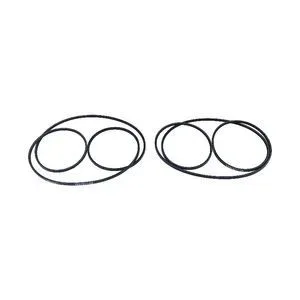
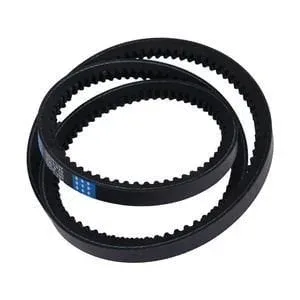
Fan Belt 90916-02975-71 | Overhaul Grade for Toyota 4Y Engine
<p><strong>Fan Belt 90916-02975-71 for Toyota 4Y Engine, Overhaul Grade</strong> — compatible with 7FG/8FG series forklifts including 7FG30, 8FGU25, and FGZN30 variants. Replace at scheduled intervals when rubber cracking or cord fatigue appears, alongside tensioner and coolant system inspection to avoid unplanned downtime. Recommended replacement intervals provided with shipment for fleet maintenance planning.</p>
Lead Time
2-5 Days
Warranty
3-12 Months
Min. Order
1 Piece
Ships To
120+ Countries
90916-02975-71
Belt Drive System
fan belt
For Toyota
Service Part
Toyota forklift parts
Request a Quote
Response within 24 hours
Prefer instant chat?
WhatsApp
Product Details
Fleet Stocking — Plan Toyota 4Y forklift belt replacements by service hours and avoid reactive overheating failures that pull machines from rotation.
Technical Specifications
| Parameter | Value |
|---|---|
| Part Number | 90916-02975-71 |
| Product Type | Belt |
| Cross-Reference | 909160297571, TY90916-02975-71, TY909160297571 (reference only) |
| Machine Fitment | 02-7FG30, 02-7FGJ35, 02-7FGK30, 40-7FG15, 40-7FG20, 40-7FG23, 40-7FG25, 40-7FGK20, 40-7FGK25, 42-7FG15, 42-7FG18, 42-7FG20, 42-7FG25, 42-7FGK20, 42-7FGK25, 7FG30, 7FGJ35, 7FGK30, 7FGCSU20, 7FGCU15, 7FGCU18, 7FGCU20, 7FGCU25, 7FGCU30, 7FGCU32, 7FGU15, 7FGU18, 7FGU20, 7FGU25, 7FGU30, 7FGU32, 8FG18B, 8FG25B, 8FG30B, 8FGCSU20, 8FGCU15, 8FGCU18, 8FGCU20, 8FGCU25, 8FGCU30, 8FGCU32, 8FGU15, 8FGU18, 8FGU20, 8FGU25, 8FGU30, 8FGU32, FGZN20, FGZN25, FGZN30 |
| Brand Compatibility | Fits Toyota 4Y engine forklifts |
| Condition | New Aftermarket |
| Warranty | 3-12 months against manufacturing defects |
| Quality Standard | ISO 9001 |
Application Suitability
| Service Interval | What to Check |
|---|---|
| Every scheduled maintenance cycle | Inspect belt for rubber cracking, cord fatigue, and rib glazing |
| Coolant system service | Verify tensioner bearing smoothness and idler pulley alignment |
| Pre-season fleet preparation | Check fan clutch engagement and coolant hose condition alongside belt |
| Rental turnaround between deployments | Confirm belt tension and accessory drive reliability before next customer |
| Aging fleet support planning | Stock belts ahead of lengthening OEM dealer lead times |
Why Forklifts Sit Idle Waiting for a Fan Belt That Should Have Been on the Shelf
A fan belt service part for Toyota 4Y engine forklift maintenance belongs in planned inventory, not in an emergency air freight order.
Fleets operating Toyota 4Y forklifts in warehouses, port logistics yards, and construction sites routinely run fan belts past their service window. The result is predictable: the belt fails during a shift, the engine overheats within minutes, and the forklift sits idle while procurement scrambles to source a replacement. I have watched 7FGCU20 units go down in the middle of a loading cycle because the belt snapped without prior inspection, turning a routine wear item into an unplanned outage lasting days [NEED_CITE: planned maintenance interval guidelines for industrial forklift cooling systems]. The cost is never just the belt — it is the lost machine hours, the delayed shipments, and the reactive freight charges to get a replacement on site.
Where the Fan Belt Sits in Your Forklift Service Life
The fan belt drives the cooling fan that keeps the Toyota 4Y engine within operating temperature during sustained lifting and travel cycles. As a wear component, it follows a predictable degradation path: surface rubber hardens, cord reinforcement fatigues under thermal cycling, and the ribbed contact face glazes from friction. These changes reduce grip on the pulley and lower fan RPM, which means less airflow through the radiator. Catching this progression during scheduled inspections — rather than waiting for audible squeal or visible cracking — is what separates fleet operators who maintain uptime from those who manage breakdowns. A fan belt service part for Toyota 4Y engine forklift maintenance should be tracked by operating hours, not replaced only after failure.
Wear Signals That Tell You the Replacement Window Is Open
Rubber cracking along the belt back indicates ozone and heat degradation that precedes cord failure. Rib glazing on the pulley-contact side shows the belt is slipping, which reduces fan speed and cooling capacity even before the belt breaks. Cord fatigue, visible as bulging or separation along the belt edges, means the tensile members can no longer sustain operating tension [NEED_CITE: industrial belt wear progression indicators for mobile equipment]. When any of these signs appear during a routine check, the replacement window has opened. At the same service event, inspecting the tensioner spring force, idler pulley bearing condition, and fan clutch operation prevents a new belt from wearing prematurely against degraded hardware.
How Material and Profile Shape Service Life Under Load
Reinforced polyester cords within the belt body maintain tensile strength across the temperature range the Toyota 4Y engine produces during continuous warehouse or port operation. Heat-resistant rubber compound around those cords resists the hardening and cracking that plain rubber develops after repeated thermal cycles. The ribbed profile is shaped to match OEM pulley geometry, which keeps the belt seated correctly and maintains consistent fan RPM under varying load conditions [NEED_CITE: belt profile matching standards for engine accessory drive systems]. A belt that holds tension and tracks properly across temperature swings delivers predictable service intervals, while one that loses tension or rides high in the pulley groove shortens its own life and risks collateral damage to the tensioner.
The Accumulating Cost of Reactive Belt Procurement
Every time a fleet replaces a fan belt only after it fails, the machine has already been sitting idle for the duration of the sourcing and delivery process. Reactive purchasing means paying premium freight for a single belt, then paying again when the next machine in the fleet fails for the same reason because no stock was built. Over a year, these individual emergency orders accumulate into meaningful unplanned downtime across the fleet, especially when the same root cause — missing a scheduled inspection window — repeats on multiple units. A forklift that overheats due to belt failure can also develop secondary cooling system damage that extends repair scope beyond the belt itself [NEED_CITE: secondary engine damage from overheating events in industrial forklifts].
Why Source This Belt Through Our Supply Channel
We produce selected part lines in our own facility and source the remainder from qualified ISO-certified manufacturing partners, with both carrying the same quality control and warranty terms. Eight product categories sit under one account, so belts, filters, gaskets, and coolant system components for a fleet maintenance event ship as a single consignment. Orders from one piece upward are accepted, supporting both single-unit replacements and fleet-scale stocking programs. Part identification is available from a part number, machine model, photograph, or nameplate image when the original tag is worn. Cross-reference verification covers superseded and alternate numbers to confirm fitment before commitment. A technical team is available for compatibility confirmation and stocking guidance.
Documentation & Verification
- Commercial invoice and packing list matching belt quantity and fleet allocation
- Part compatibility sheet confirming fitment across 7FG, 8FG, and FGZN series models (reference only)
- Quality inspection record with dimensional checks on belt length and rib profile
- Warranty terms covering manufacturing defects for 3 to 12 months
- Packing photographs showing belt condition before crate closure
- HS code and customs documentation support for international fleet supply
Service Interval & Stocking Guidance
- Replace the fan belt at manufacturer-recommended service intervals or when rib glazing and cracking appear during inspection
- Check tensioner bearing smoothness and idler pulley wobble each time the belt is off for inspection
- Stock at least one spare belt per forklift in the fleet to eliminate emergency sourcing between service cycles
- Store belts flat in a cool, dry location away from direct sunlight and ozone sources to preserve rubber compound integrity
- Align belt orders with tensioner, coolant hose, and thermostat replacements to consolidate fleet maintenance shipments
- Record belt replacement hours on each unit to build a data-driven stocking forecast across the fleet
Planning Your Next Fleet Maintenance Order
Provide your forklift model list, current operating hours per unit, and the last belt replacement date for each machine. We will confirm fitment across your specific 7FG, 8FG, or FGZN variants, recommend stocking quantities based on your service intervals, and consolidate the belt order with any associated cooling system components into a single shipment.
Frequently Asked Questions
Q: How often should the fan belt be replaced under normal warehouse operating conditions?
A: Replacement intervals depend on operating hours, ambient temperature, and duty cycle intensity. Warehouse forklifts running standard shifts typically require belt inspection every scheduled service event, with replacement triggered by visible cracking, rib glazing, or tension loss. Operating in high-heat environments or continuous multi-shift cycles shortens the interval. We recommend tracking replacement hours per unit to establish a site-specific baseline.
Q: What are the early warning signs that a fan belt is nearing failure?
A: Early indicators include fine cracking along the belt back, glazing on the rib contact surface, and a subtle loss of tension that reduces fan speed. Audible squealing during engine startup or under load suggests the belt is already slipping. Bulging or separation along the belt edges points to internal cord fatigue. Any of these signs during a routine inspection means the replacement window is open.
Q: Should the tensioner and idler pulley be replaced at the same time as the belt?
A: Inspecting them at every belt change is necessary. A worn tensioner spring or a rough idler pulley bearing will accelerate wear on the new belt, cutting its service life short. If the tensioner shows fatigue or the idler has lateral play, replacing both alongside the belt prevents a premature repeat service event and protects the cooling system from unexpected degradation.
Q: How many spare belts should a fleet keep on hand per machine?
A: A common practice for fleet operators is stocking one spare belt per forklift, which covers an unplanned failure while the next scheduled order is being assembled. High-utilization fleets or operations in remote sites sometimes hold two per unit. The right quantity depends on your service interval, delivery lead times, and how much unplanned downtime your operation can absorb.
Q: Can I still source this belt for older Toyota 4Y forklift models?
A: Yes. This belt is compatible with a wide range of 7FG, 8FG, and FGZN series forklifts built around the Toyota 4Y engine platform. As older models age and OEM dealer support thins, aftermarket supply with verified cross-reference data becomes the practical sourcing path. Provide your machine model and serial number so we can confirm fitment for your specific variant.
Compatible Brands
CAT
KOMATSU
HITACHI
VOLVO
HYUNDAI
DOOSAN
KOBELCO
SANY
XCMG
Our parts are engineered to meet or exceed OEM specifications. Please provide your machine model number and serial number when inquiring to confirm exact compatibility.
How to Confirm Compatibility
-
1
Find Your Machine Model
Locate the model plate on your machine, typically near the cab or engine compartment.
-
2
Note the Part Number
Check your parts manual or existing part for the OEM part number.
-
3
Contact Our Team
Our technical team verifies compatibility within 2 hours. Send us the details via the inquiry form or WhatsApp.
Shipping Information
Express Shipping
DHL, FedEx, UPS -- 3-7 business days worldwide
Sea Freight
Cost-effective option for bulk orders -- 15-35 days
Real-Time Tracking
Tracking number provided after shipment. 24/7 support available.
Warranty Policy
3-12
Months Warranty
All parts come with manufacturer warranty. Duration varies by product category.
- Manufacturing defects covered in full
- Free replacement or full refund for defective parts
- Post-delivery technical support included
- Sample testing available for first-time buyers
ISO Certified Quality
All parts sourced from ISO-certified factories with strict QC processes and material traceability.
Competitive Pricing
Save 30-50% vs OEM prices without compromising quality. Transparent pricing with no hidden fees.
Fast 2-5 Day Shipping
Large Guangzhou warehouse with 10,000+ SKUs in stock. Most orders ship within 2-5 business days.
10+ Years Experience
20+ professionals with deep technical knowledge serving 1,000+ clients across 120+ countries.
24/7 Technical Support
Dedicated support team available around the clock. Part verification within 2 hours of inquiry.
Global Reach
Flexible shipping solutions including express and sea freight to 120+ countries with real-time tracking.
Related Products
More parts you might need


Need a Custom Quote?
Our technical team responds within 24 hours. MOQ 1 piece. Ships to 120+ countries from our Guangzhou warehouse.