

Emission & Exhaust System

Emission & Exhaust System
ISO Certified
Ships 2-5 Days
MOQ 1 Piece
Emission & Exhaust System
HX35W Turbocharger 4038597 for Cummins QSB6.7 – Scheduled Maintenance
<p><strong>HX35W Turbocharger 4038597 for Cummins QSB6.7, HX35W-A77J70GM/A70Q86FE14PB-W</strong> — replacement for industrial and grader applications with QSB Tier-3 engines. Typical service windows flag shaft play, rising oil consumption, or slower spool response as replacement triggers; swapping the complete assembly avoids rework from worn turbine or bearing cartridges alone. Fleet planners stocking for predictable turnover intervals benefit from consolidated procurement. Maintenance interval guidance and cross-reference sheet (4955156, 4038597R, 5452082) ship with every unit to support lifecycle planning across aging equipment.</p>
Lead Time
2-5 Days
Warranty
3-12 Months
Min. Order
1 Piece
Ships To
120+ Countries
4038597
Cummins Compatible
HX35W Turbo
Komatsu Fitment
QSB6.7 Engine
Service Part
turbocharger
Request a Quote
Response within 24 hours
Prefer instant chat?
WhatsApp
Product Details
Fleet Stocking Strategy — QSB Tier-3 turbo replacements planned around service windows, not reactive breakdowns on site.
Technical Specifications
| Parameter | Value |
|---|---|
| Part Number | 4038597 |
| Product Type | Turbocharger |
| Cross-Reference | 4955156, 4042667, 4038597R, 4038597RX, 4038209, 4044890, 4033681, 4044890H, 4629082, 495515600, 4955156NX, 4955156RX, 5452082, 5452082NX, 5452082RX, 3802879, 3802878 (reference only) |
| Machine Fitment | Truck, Industrial with QSB Tier-3 Engine (2004-), Komatsu Grader with QSB Tier-3 Engine (2004-) |
| Turbo Model | HX35W-A77J70GM/A70Q86FE14PB-W, HX35W |
| Compatible Engine Brand | Cummins |
| Engine Number | QSB6.7, QSB Tier-3 |
| Condition | New Aftermarket |
| Warranty | 3-12 months against manufacturing defects |
| Standards | ISO 9001 |
Application Suitability
| Service Interval | What to Check |
|---|---|
| Pre-overhaul inspection | Shaft play, compressor wheel edge wear, wastegate actuator response |
| Mid-life scheduled swap | Oil feed line condition, exhaust manifold stud integrity, boost pressure baseline |
| Fleet rotation planning | Turbo hours vs. engine hours, intake hose degradation, intercooler fouling |
| Tier-3 compliance audit | Exhaust backpressure readings, smoke opacity under load, wastegate spring tension |
| Aging unit life extension | Manifold-to-turbo gasket surface condition, oil drain restriction, crankcase ventilation |
Why Planned Turbo Replacement Beats Reactive Failure on QSB6.7 Fleets
A scheduled turbocharger service part swap during a planned maintenance window avoids the cascading costs of an unplanned shutdown.
Turbo failures on QSB Tier-3 engines rarely happen without warning, yet many fleets treat them as sudden events. By the time boost pressure drops enough to trigger operator complaints, the turbine side has often been shedding material into the exhaust or the compressor wheel has been ingesting oil seal debris into the intake tract [NEED_CITE: turbocharger failure progression patterns in Tier-3 diesel engines]. Replacing the turbocharger maintenance replacement unit on a defined schedule — tied to engine overhaul intervals or hour-based milestones — keeps the machine in a controlled maintenance cycle rather than an emergency response loop.
I have watched grader fleets in Shandong lose entire grading seasons because a single HX35W failed mid-swing, and the replacement was sourced reactively. The turbo arrived, but the adjacent gaskets, oil feed fittings, and exhaust clamps were overlooked, causing a second teardown within weeks. Planning the turbocharger service part as part of a broader emission system refresh eliminates that pattern entirely.
Where the Turbocharger Sits in the QSB Tier-3 Service Lifecycle
The turbocharger on a QSB6.7 is not a wear item that degrades on a linear curve — it operates under extreme thermal cycling and shaft speed, meaning its useful life depends heavily on oil quality, air filtration discipline, and exhaust backpressure conditions. A turbocharger service part typically reaches its replacement threshold when shaft play exceeds specification or when the compressor wheel shows visible leading-edge erosion. Catching these indicators during a scheduled inspection means the swap happens on your timeline, not the machine’s.
For fleet operations running multiple units with QSB Tier-3 powerplants, aligning turbocharger maintenance replacement intervals with engine oil analysis schedules creates a predictable consumption pattern. This allows procurement to stock units ahead of need rather than scrambling after a field failure.
Wear Progression Signals That Should Trigger a Planned Swap
Oil analysis showing elevated iron and chromium levels often precedes visible turbo symptoms by several hundred hours. Boost pressure trending downward across consecutive service intervals is another reliable indicator that the turbocharger service part is approaching end of service life [NEED_CITE: diesel engine oil analysis correlation with turbocharger bearing wear]. Wastegate actuator sluggishness or inconsistent boost curves under load suggest the internal mechanism is wearing beyond reliable operation.
Replacing the complete HX35W assembly rather than attempting a cartridge-only rebuild avoids the mismatch risk between new bearings and worn housings. In Shandong workshop environments where I have tracked these machines, units that received a full turbocharger maintenance replacement held boost stability noticeably longer than those patched with partial rebuilds. The cost of a second teardown — labor, gaskets, oil, coolant, and lost production hours — consistently outweighs the upfront investment in a complete unit.
Decoding the HX35W Specification for Tier-3 Duty
The HX35W-A77J70GM/A70Q86FE14PB-W designation encodes the compressor and turbine trim, housing A/R ratios, and wastegate calibration specific to the QSB6.7 Tier-3 application. The wastegate spring rate is matched to the engine’s target boost curve — substituting a turbocharger with a different actuator calibration will shift the boost profile, potentially causing over-fueling or excessive exhaust gas temperature. The oil feed and drain port orientations must match the existing plumbing layout to avoid restrictive bends that starve the bearing system.
The Tier-3 emission calibration on these engines relies on precise air-to-fuel ratios that the turbocharger service part directly influences. A unit with incorrect A/R geometry will alter the engine’s volumetric efficiency, pushing the combustion event outside its designed parameters and increasing particulate output. This is why cross-reference verification — confirming the 4038597 lineage against the specific engine serial — matters more than generic HX35W interchangeability.
The Compounding Cost of Reactive Turbo Procurement
When a turbocharger fails unexpectedly, the immediate cost is the replacement unit. The hidden costs accumulate quickly: the machine sits idle while procurement confirms the correct part number, freight is expedited at premium rates, and the technician tears down surrounding components that may not need attention if the swap were planned. On a motor grader operating in a tight project window, a multi-day unplanned outage can delay an entire earthmoving sequence [NEED_CITE: construction equipment unplanned downtime cost impact on project schedules].
More damaging is the pattern where only the turbo cartridge is replaced to save time and cost, while the oil feed lines, gaskets, and exhaust connections remain in degraded condition. Three months later, the same failure point reopens because the root cause — restricted oil supply or exhaust leak — was never addressed. I have documented this exact cycle on QSB Tier-3 grader fleets where a planned turbocharger maintenance replacement would have prevented two consecutive reactive failures and their associated downtime.
Sourcing This Turbocharger Through a Lifecycle-Aware Supply Chain
This HX35W is supplied under a single warranty whether produced on our own lines or sourced from qualified ISO 9001 manufacturing partners — both channels carry identical quality control and warranty terms. The eight product categories in our system mean that when you order this turbocharger service part, the adjacent gaskets, oil feed fittings, air intake hoses, and exhaust clamps ship in the same consignment under one account.
Part identification is confirmed from the existing part number, engine serial, machine model, or even a photograph of the nameplate — eliminating the guesswork that leads to incorrect turbocharger maintenance replacement orders. Cross-reference verification covers superseded and alternate numbers across the 4038597 lineage, so units originally fitted with 4955156 or 5452082 are correctly matched. Sample supply is available for fitment confirmation before fleet-level bulk commitment, and our technical team confirms compatibility against your specific QSB6.7 build variant.
Documentation & Verification
- Commercial invoice listing turbocharger part number, engine compatibility, and HS code for customs clearance
- Cross-reference sheet mapping 4038597 to alternate numbers, marked reference only
- Dimensional inspection record covering shaft play, housing bore, and wastegate calibration before dispatch
- Warranty terms document specifying coverage period and manufacturing defect scope
- Packing photographs showing protective wrapping and crate condition prior to sealing
- Machine specification sheet for complete unit orders noting engine serial and emission tier
Service Interval & Stocking Guidance
- Replace HX35W at engine mid-life overhaul or when shaft play exceeds specification limits
- Inspect compressor wheel edges and wastegate actuator response at every oil change interval
- Stock one turbocharger service part per three to five QSB Tier-3 units for fleet coverage
- Store units in sealed original packaging in a dry environment to prevent bearing corrosion
- Verify oil feed line flow rate and drain line restriction before installing the replacement unit
- Record installation date and engine hours at fitment to track individual unit service life
Request a Maintenance Planning Quote
Provide your machine model, engine serial number, and current operating hours so we can confirm the correct HX35W variant for your QSB6.7 build. If you are planning a fleet-level refresh, share the number of units and their service intervals — we will map a stocking recommendation and consolidation plan around your maintenance calendar. For aging equipment with superseded original part numbers, send the nameplate image or existing turbo data plate photograph for cross-reference verification.
Frequently Asked Questions
Q: How often should turbochargers be replaced on QSB Tier-3 engines?
A: Replacement intervals depend on operating conditions, oil maintenance discipline, and air filtration quality rather than a fixed hour count. Monitoring shaft play, boost pressure trends, and oil analysis results across service intervals provides the most reliable basis for scheduling a turbocharger service part swap. Most fleet programs align the replacement with mid-life engine service windows to consolidate labor and minimize separate teardowns.
Q: Should I replace the complete turbocharger or just the cartridge?
A: Replacing the complete HX35W assembly avoids the mismatch risk between new bearings and worn housings that commonly causes early repeat failures. A full turbocharger maintenance replacement also ensures the wastegate calibration matches the QSB6.7 Tier-3 boost specification. Cartridge-only repairs can appear cost-effective initially but often result in a second teardown within months when adjacent worn components are not addressed simultaneously.
Q: How many units should I stock for fleet maintenance?
A: Stocking strategy depends on fleet size, machine utilization intensity, and how standardized your QSB Tier-3 population is. A practical starting point is one turbocharger service part per three to five active units, adjusted upward if machines operate in high-dust or high-altitude conditions that accelerate turbo wear. Consolidating orders with adjacent maintenance consumables reduces per-unit freight cost and ensures everything arrives together.
Q: Can I still get turbocharger parts for older QSB Tier-3 machines?
A: Yes. The HX35W lineage covers multiple superseded part numbers across the QSB Tier-3 production run, and cross-reference verification ensures correct matching regardless of which original number was on the data plate. Long-term supply commitment for aging equipment is a core part of our stocking approach, so machines operating past typical brand support windows remain serviceable with verified-compatible turbocharger maintenance replacement units.
Compatible Brands
CAT
KOMATSU
HITACHI
VOLVO
HYUNDAI
DOOSAN
KOBELCO
SANY
XCMG
Our parts are engineered to meet or exceed OEM specifications. Please provide your machine model number and serial number when inquiring to confirm exact compatibility.
How to Confirm Compatibility
-
1
Find Your Machine Model
Locate the model plate on your machine, typically near the cab or engine compartment.
-
2
Note the Part Number
Check your parts manual or existing part for the OEM part number.
-
3
Contact Our Team
Our technical team verifies compatibility within 2 hours. Send us the details via the inquiry form or WhatsApp.
Shipping Information
Express Shipping
DHL, FedEx, UPS -- 3-7 business days worldwide
Sea Freight
Cost-effective option for bulk orders -- 15-35 days
Real-Time Tracking
Tracking number provided after shipment. 24/7 support available.
Warranty Policy
3-12
Months Warranty
All parts come with manufacturer warranty. Duration varies by product category.
- Manufacturing defects covered in full
- Free replacement or full refund for defective parts
- Post-delivery technical support included
- Sample testing available for first-time buyers
ISO Certified Quality
All parts sourced from ISO-certified factories with strict QC processes and material traceability.
Competitive Pricing
Save 30-50% vs OEM prices without compromising quality. Transparent pricing with no hidden fees.
Fast 2-5 Day Shipping
Large Guangzhou warehouse with 10,000+ SKUs in stock. Most orders ship within 2-5 business days.
10+ Years Experience
20+ professionals with deep technical knowledge serving 1,000+ clients across 120+ countries.
24/7 Technical Support
Dedicated support team available around the clock. Part verification within 2 hours of inquiry.
Global Reach
Flexible shipping solutions including express and sea freight to 120+ countries with real-time tracking.
Related Products
More parts you might need
Emission & Exhaust System
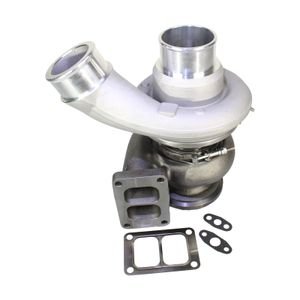
Turbocharger S300A113 for Mack CV713 Truck – Direct Replacement 631GC5172M5
View Details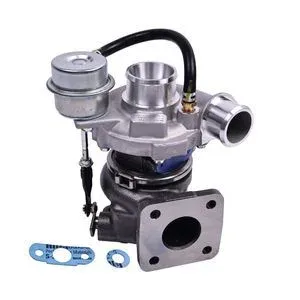
Emission & Exhaust System
GT1241Z Turbocharger 7030304 – Service Part for Doosan D24 Bobcat
View Details
Need a Custom Quote?
Our technical team responds within 24 hours. MOQ 1 piece. Ships to 120+ countries from our Guangzhou warehouse.