
Belt Drive Systems
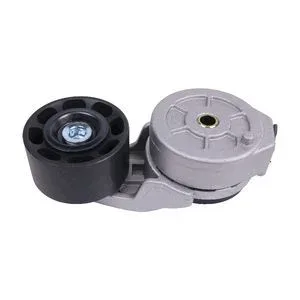
Hyundai-Compatible Belt Tensioner 3976832 3911621 – Wear Item
<p><strong>3976832 3911621 Belt Tensioner, SAE 1045 Steel</strong> — compatible with Cummins 4B3.9, 6B5.9, QSB5.9 engines in Hyundai R305LC-7, R290LC-7, HL740-9 series machines.</p> <ul> <li>Scheduled wear item in the accessory drive system — replace during engine overhauls or major service intervals to prevent belt slippage and cascading component damage</li> <li>Fits continuous-duty hydraulic pump and cooling fan drives across excavator and wheel loader fleets</li> <li>Legacy models like R290LC-3 and HL720-3C remain supported with verified cross-reference 3937556, 3936207</li> </ul> <p>Replacement interval guidelines included with shipment to support your fleet maintenance planning.</p>
Lead Time
2-5 Days
Warranty
3-12 Months
Min. Order
1 Piece
Ships To
120+ Countries
Request a Quote
Response within 24 hours
Product Details
Fleet Stocking & Lifecycle Planning — Cummins-powered Hyundai R305LC-7 and HL-series wheel loaders benefit from scheduled belt tensioner replacement alongside belt and pulley service, preventing cascading accessory drive failures across mixed fleets.
Technical Specifications
| Parameter | Value |
|---|---|
| Part Number | 3976832 3911621 |
| Product Type | Belt Tensioner |
| Cross-Reference | 3976832, 3911621, 3937556, 3936207, 3934823, 3922901, 3973825, 3936208, 3934824, 3928748, 3279446, 4063951 (reference only) |
| Machine Fitment | Hyundai R305LC-7, R290LC-7, R290LC-3, R250LC-7, HL740-9B, HL740-9S, HL757-7, HL760, HL720-3C, HL730-3, HL730TM-3, HL740-3, HL740TM-3, HL750-3, HL750TM, HL750TM3, HDF35AII, HDF45AII, 42HDLL, 39HDRB; M939 series military vehicles |
| Material | SAE 1045 steel |
| Surface Treatment | Induction-hardened |
| Assembly State | Complete with automatic spring mechanism and sealed deep-groove ball bearing |
| Certification | ISO 9001:2015 |
| Warranty | 3–12 months against manufacturing defects |
| MOQ | 1 piece |
Application Suitability
| Service Interval | What to Check |
|---|---|
| Major engine service (2,000+ hours) | Inspect tensioner bearing play, spring arm pivot wear, and belt tracking alignment before deciding on single-component or system-level refresh |
| Engine overhaul | Replace tensioner as standard line item alongside belt set, idler pulleys, and all accessory drive seals to eliminate early callback risk |
| Rental turnaround reconditioning | Check tensioner arm travel range and bearing noise; replace if any axial play is detectable by hand before machine re-enters the rental fleet |
| Legacy machine continuation (R290LC-3, HL720-3C) | Confirm engine serial prefix matches tensioner variant; stock proactively as dealer support thins for older Hyundai platforms |
Why Fleet Maintenance Plans Overlook This Wear Item Until It Fails
The belt tensioner is a finite-life wear component, not a lifetime part — treating it as scheduled consumable eliminates most accessory-drive-related field failures.
Most fleet maintenance schedules track oil filters, coolant, and hydraulic fluid at defined intervals but leave belt tensioners in a "replace on failure" category. In continuous-duty excavation*ins belt tensioner degrades steadily under high-vibration digging loads. By the time belt slippage becomes audible or the alternator warning light illuminates, the tensioner bearing has already scored the bracket surface and the belt has glazed adjacent pulleys. [NEED_CITE: scheduled maintenance intervals for diesel engine accessory drive systems in construction equipment]
Across a mixed fleet of Hyundai excavators and wheel loaders, this reactive approach accumulates meaningful unplanned downtime that a planned replacement program would have prevented entirely.
Where the Tensioner Sits in the Machine’s Service Life
The Belt Tensioner service part for Cummins engine maintenance occupies a predictable position within the engine accessory drive lifecycle. During early service life, the sealed bearing and spring mechanism perform without intervention. As cumulative engine hours climb through high-load construction duty cycles, spring force decays and bearing lubricant degrades — both following a curve that correlates with engine runtime rather than calendar time. Fleet operators who map tensioner replacement to major service intervals, rather than waiting for visible belt deterioration, keep their Hyundai R305LC-7 and HL740-9S machines running through planned windows instead of breaking down mid-shift.
Recognizing Wear Progression Before Catastrophic Belt Failure
Early tensioner degradation shows as subtle arm flutter at idle speed and a faint bearing rumble that disappears once the engine reaches operating RPM. These symptoms precede visible belt cracking or glazing by a significant margin. When the tensioner bearing develops axial play, the belt begins to track off-center across the pulley grooves, accelerating wear on the entire accessory drive set. At this stage, replacing only the belt without addressing the tensioner guarantees a repeat failure within weeks. For high-hour Hyundai R290LC-7 excavators working quarry or demolition applications, inspecting tensioner arm movement range and bearing condition during each scheduled service catches degradation before it cascades into alternator dropout or coolant pump drive loss. [NEED_CITE: bearing wear progression and diagnostic indicators in diesel engine accessory drives]
How Material and Assembly Define On-Machine Performance
The SAE 1045 steel construction of the tensioner bracket and arm provides the structural rigidity needed to resist deflection under continuous belt load. Induction hardening of the contact surfaces adds localized wear resistance at the pivot and pulley interface, where friction and micro-movement concentrate over thousands of operating hours. The sealed deep-groove ball bearing inside the pulley is the component with the shortest service life — once its internal grease degrades from sustained heat exposure near the exhaust manifold, bearing drag increases and the automatic spring mechanism can no longer maintain correct belt tension. The complete assembly, with spring and bearing integrated, allows replacement as a single unit without the alignment risk that comes from rebuilding individual sub-components in field conditions.
The Hidden Cost of Replacing Only What Visibly Failed
Replacing a broken belt without swapping the tensioner that caused the overload is a pattern I have encountered repeatedly when reviewing fleet maintenance records. The new belt inherits the same misaligned tracking and insufficient tension from the degraded tensioner, and the cycle repeats — typically within a shorter interval than the first failure. On a Hyundai HL757-7 wheel loader running a hydraulic pump drive, this repeat failure means two unplanned machine-down events, two sets of labor hours for access and re-tensioning, and accumulated heat damage to the pulley grooves that eventually forces a full accessory drive refresh at considerably higher cost. [NEED_CITE: total cost of reactive versus planned component replacement in heavy equipment fleets]
Why This Supply Channel Supports Fleet Planning
XUNPO maintains self-produced and qualified sourced belt drive components under one account with identical warranty terms, so a tensioner order consolidates with belts, idler pulleys, and seal kits into a single consignment. The Guangzhou warehouse carries stock of high-turnover items for fast dispatch on common Hyundai and Cummins applications. Part identification works from part number, machine model, or even a photograph of a worn nameplate — critical when field machines have been repainted multiple times. Cross-reference verification covers superseded numbers across Cummins 4B3.9, 6B5.9, and QSB5.9 engine families, reducing the risk of ordering a variant that fits the block but not the bracket. Sample supply is available for fitment confirmation before bulk fleet stocking commitments.
Documentation & Verification
- Commercial invoice and packing list referencing tensioner part numbers and machine compatibility
- Cross-reference sheet mapping 3976832, 3911621 and superseded numbers (reference only)
- Dimensional and bearing play inspection recorded per unit before dispatch
- Warranty terms covering manufacturing defects for 3–12 months from delivery
- Packing photographs showing tensioner protective wrapping before crate closure
- HS code and customs documentation prepared for international construction equipment parts shipments
Service Interval & Stocking Guidance
- Replace tensioner at every major engine service interval or whenever belt replacement is performed due to glazing or cracking
- Check for arm flutter at idle and axial bearing play by hand during each scheduled inspection
- Stock a minimum of one tensioner per ten active Cummins-powered machines in the fleet to cover unplanned requirements
- Store in original packaging away from direct UV exposure and moisture to preserve bearing grease integrity
- Consolidate orders with belt sets and idler pulleys to align replacement timing across the accessory drive system
Requesting a Fleet Stocking Proposal
Provide your Hyundai excavator or wheel loader model list with accumulated engine hours, and we will map the correct tensioner variant to each machine’s Cummins engine serial prefix. For mixed fleets spanning older R290LC-3 units alongside newer HL740-9S loaders, we can structure a consolidated stocking plan with recommended reorder quantities tied to your service calendar.
Frequently Asked Questions
Q: How often should the belt tensioner be replaced on Cummins-powered Hyundai excavators in continuous-duty applications?
A: Tensioner replacement aligns with major engine service intervals, typically coinciding with belt replacement. In high-vibration quarry or demolition work, inspecting bearing play and spring arm condition at every scheduled service allows early detection. Replacing the tensioner proactively alongside the belt set prevents unplanned accessory drive failures that cause alternator dropout or cooling system loss mid-shift.
Q: Should I replace just the tensioner or the entire accessory drive belt system at the same time?
A: When tensioner bearing play or spring fatigue is confirmed, the adjacent belt has already operated under suboptimal tension and likely shows glazing. Replacing the tensioner, belt, and inspecting idler pulleys together addresses the root cause and prevents the new tensioner from being overloaded by a degraded belt. This system-level approach reduces repeat failures and associated labor costs.
Q: What are the early warning signs that a tensioner is approaching end of service life?
A: Arm flutter visible at idle speed, faint bearing rumble that changes with engine RPM, and belt tracking drift across pulley grooves all indicate internal degradation before complete failure. These symptoms appear well before belt squeal or alternator warning lights. Catching them during scheduled inspections allows planned replacement rather than emergency field repair.
Q: Can I still source this tensioner for older Hyundai R290LC-3 and HL720-3C machines past standard dealer support?
A: Yes. Cross-reference verification covers multiple OEM reference numbers across Cummins engine generations, confirming the correct variant for older platforms. Stocking proactively for legacy machines avoids procurement delays when dealer channels thin. Confirm engine serial prefix to ensure the tensioner bracket and pulley match your specific engine build configuration.
Compatible Brands
Our parts are engineered to meet or exceed OEM specifications. Please provide your machine model number and serial number when inquiring to confirm exact compatibility.
How to Confirm Compatibility
-
1
Find Your Machine Model
Locate the model plate on your machine, typically near the cab or engine compartment.
-
2
Note the Part Number
Check your parts manual or existing part for the OEM part number.
-
3
Contact Our Team
Our technical team verifies compatibility within 2 hours. Send us the details via the inquiry form or WhatsApp.
Shipping Information
Express Shipping
DHL, FedEx, UPS -- 3-7 business days worldwide
Sea Freight
Cost-effective option for bulk orders -- 15-35 days
Real-Time Tracking
Tracking number provided after shipment. 24/7 support available.
Warranty Policy
All parts come with manufacturer warranty. Duration varies by product category.
- Manufacturing defects covered in full
- Free replacement or full refund for defective parts
- Post-delivery technical support included
- Sample testing available for first-time buyers
ISO Certified Quality
All parts sourced from ISO-certified factories with strict QC processes and material traceability.
Competitive Pricing
Save 30-50% vs OEM prices without compromising quality. Transparent pricing with no hidden fees.
Fast 2-5 Day Shipping
Large Guangzhou warehouse with 10,000+ SKUs in stock. Most orders ship within 2-5 business days.
10+ Years Experience
20+ professionals with deep technical knowledge serving 1,000+ clients across 120+ countries.
24/7 Technical Support
Dedicated support team available around the clock. Part verification within 2 hours of inquiry.
Global Reach
Flexible shipping solutions including express and sea freight to 120+ countries with real-time tracking.
Related Products
More parts you might need


Need a Custom Quote?
Our technical team responds within 24 hours. MOQ 1 piece. Ships to 120+ countries from our Guangzhou warehouse.