

Belt Drive Systems
Polaris Ranger 1000 & Pro XD-Compatible Clutch Belt – Fleet Supply
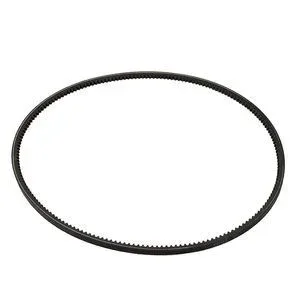
<p><strong>3211218 Clutch Drive Belt, EPDM compound with aramid cord reinforcement</strong> — replacement for Polaris Ranger 1000 and Pro XD utility vehicles in fleet service.</p> <ul> <li>Scheduled CVT belt replacement at planned maintenance intervals prevents unplanned downtime and secondary clutch sheave damage</li> <li>Aramid tensile cords resist stretch under repetitive heavy-haul load cycles, preserving CVT ratio control through the service window</li> <li>EPDM formulation sustains engagement performance across -20°C to +55°C operating environments typical in quarry, ranch, and municipal fleet use</li> </ul> <p>Recommended replacement intervals and wear inspection guidance included with every shipment for long-term fleet planning.</p>
Lead Time
2-5 Days
Warranty
3-12 Months
Min. Order
1 Piece
Ships To
120+ Countries
Request a Quote
Response within 24 hours
Product Details
Fleet Stocking Strategy — Clutch drive belt 3211218 (cross-reference only) kept in scheduled rotation so Ranger and Pro XD units never sit idle waiting for parts delivery.
Technical Specifications
| Parameter | Value |
|---|---|
| Part Number | 3211218 |
| Product Type | Belt |
| Cross-Reference | 3211218 (reference only), 26C4057 (reference only) |
| Machine Fitment | Polaris Ranger XP 1000 EPS Trail Boss (2021), Ranger XP 1000 EPS Premium (2020), Ranger SP 570 EPS (2022–2024), Ranger Crew XP 1000 EPS Premium (2020), Ranger Crew 1000 EPS (2020–2024), Ranger 1000 EPS (2020–2024), Ranger 1000 (2020–2024), Ranger 530 EPS (2023), Pro XD Mid-Size Gas (2022–2024), Pro XD Full-Size Gas (2022–2024), Pro XD 4000G (2020–2021), Pro XD 2000G (2020–2021) |
| Material | EPDM compound with aramid cord reinforcement |
| Temperature Range | -20°C to +55°C operating; heat resistance up to 120°C |
| Dimensional Tolerance | ±0.3 mm across width and pitch length |
| Condition | New Aftermarket |
| Warranty | 3–12 months against manufacturing defects |
| MOQ | 1 piece |
| Standards | ISO 9001, ISO 4184, SAE J1960 |
Application Suitability
| Service Interval | What to Check |
|---|---|
| Every 3,000–5,000 miles or annual inspection | Belt edge wear, glazing, and cracking on the contact surface |
| Before heavy-haul season on ranch or quarry sites | Clutch sheave condition and bearing play alongside the CVT belt |
| Post-rebuild or clutch service on Pro XD fleet units | Alignment of primary and secondary clutches and belt seating depth |
| Winter prep cycle for Ranger 1000 EPS Premium Winter Prep | Cold-start engagement behavior and belt flexibility below 0°C |
| Mid-lifecycle refresh on older Ranger SP 570 EPS models | Availability of replacement stock as OEM support thins |
Why Planned Belt Swaps Matter More Than Emergency Orders
Fleet managers running mixed Polaris Ranger and Pro XD units frequently lose operational days to belt failures that were entirely predictable. A CVT belt maintenance program built around known service intervals keeps machines working instead of waiting for freight.
Replacing the Clutch Drive Belt service part on schedule protects the entire drivetrain from cascading damage that a snapped belt inflicts on sheaves and bearings.
When a belt fails under load at a remote mining support site or agricultural operation, the machine is down until a replacement arrives. In my years procuring for fleet operations, I watched Ranger 1000 units sit idle for days because a worn belt was never added to the preventive parts list. The cost of that reactive posture compounds quickly — secondary damage to clutch components, missed project deadlines, and expedited shipping fees that far exceed the belt itself. [NEED_CITE: CVT belt failure modes and secondary drivetrain damage in utility vehicles]
Where This Belt Sits in the Fleet Service Calendar
The CVT clutch drive belt occupies a central position in every UTV’s wear cycle. Unlike hydraulic filters or brake pads, belt degradation is not always visible until the unit begins slipping under load or producing a chatter during engagement. For fleet operators managing rental pools or municipal utility vehicles, scheduling the Clutch Drive Belt service part replacement during routine downtime windows — between project phases or seasonal transitions — eliminates the scramble that follows an unexpected failure.
Fleet-level preventive maintenance programs benefit most from standardizing this interval across all compatible Ranger and Pro XD units, reducing the number of unique SKUs that must be tracked separately.
Wear Signs That Signal Replacement Before Failure
Edge fraying, surface glazing, and a noticeable loss of grip during acceleration all indicate that a CVT belt maintenance swap is overdue. In desert construction environments and quarry access roads, heat buildup accelerates compound degradation, shortening the usable window compared to temperate-climate operations. Inspecting the belt at each scheduled service and recording its condition lets fleet managers predict remaining life rather than guessing.
When the same belt part number serves multiple Ranger 1000 and Pro XD variants across model years, stocking a single compatible reference simplifies warehouse management and ensures a spare is always on hand when inspection reveals advanced wear. [NEED_CITE: CVT belt inspection criteria for off-road utility vehicle fleets]
Material and Dimensional Factors That Define Service Life
EPDM compound formulation directly governs how the belt handles the thermal cycling inherent to CVT operation. Ethylene propylene diene monomer resists ozone cracking and maintains flexibility across the -20°C to +55°C operating envelope, which matters when a Ranger Crew 1000 transitions from cold morning starts to sustained high-RPM hauling by midday. The aramid cord reinforcement embedded within the belt body preserves tensile integrity under repeated load cycles, resisting the stretch that causes ratio drift and slippage in lesser constructions.
Dimensional tolerance held to ±0.3 mm across width and pitch length ensures the belt seats correctly in both primary and secondary clutch sheaves without edge riding or bottoming out. This precision prevents uneven wear patterns that would otherwise shorten the life of adjacent clutch components and introduce vibration into the drivetrain.
The Cumulative Cost of Reactive Belt Procurement
Waiting for a belt to fail before ordering a replacement guarantees unplanned downtime that ripples through an entire work schedule. A single Ranger 1000 down on a construction site can delay material transport for the crew depending on it. When the failure tears belt fragments into the clutch housing, the repair escalates from a simple swap to a full sheave and bearing inspection, multiplying both parts cost and labor hours.
Fleet operators who stock the Clutch Drive Belt service part ahead of predictable consumption avoid these compounding losses entirely. The shift from reactive to planned procurement is one of the most impactful changes a maintenance manager can make for UTV fleet uptime. [NEED_CITE: unplanned downtime cost analysis for light utility vehicle fleets]
Procurement Advantages for Fleet Maintenance Programs
Sourcing from a single account covering eight equipment categories means the Clutch Drive Belt service part ships alongside filters, seals, and undercarriage components in one consolidated dispatch. This eliminates the split-shipment problem where the belt arrives but the matching clutch spring or seal kit is still on backorder from a different supplier.
Minimum order from one piece allows testing fitment on a single Ranger or Pro XD unit before committing to fleet-scale stock. Guangzhou warehouse inventory supports fast dispatch on common references like this cross-reference number. Cross-reference verification covers both 3211218 and 26C4057, ensuring the part matches your existing catalog entries. Technical support is available to confirm compatibility across the full Ranger and Pro XD model range before you finalize your stocking plan. Our team has supported fleet operators transitioning from multiple vendors to a unified aftermarket supply chain since 2014.
Documentation & Verification
- Commercial invoice listing each belt reference and quantity per machine model
- Compatibility sheet mapping 3211218 and 26C4057 to Ranger and Pro XD year ranges (reference only)
- Dimensional inspection record confirming width and pitch length within ±0.3 mm tolerance
- Warranty terms covering manufacturing defects across the 3–12 month service window
- Packing photographs showing belt condition and labeling before crate closure
- HS code classification and customs documentation for cross-border fleet supply
Service Interval & Stocking Guidance
- Schedule CVT belt inspection every 3,000–5,000 miles depending on load severity and terrain abrasiveness
- Look for surface glazing, edge cord exposure, and reduced engagement grip as primary wear indicators
- Stock one spare Clutch Drive Belt service part per active machine for remote-site operations
- Store belts flat in a cool, dark environment away from ozone sources to preserve EPDM compound integrity
- Replace clutch sheave bearings and inspect spring tension whenever a belt is swapped outside normal intervals
- Record belt condition at each service to build a predictive replacement timeline for the fleet
Request a Fleet Stocking Proposal
Share your active Ranger and Pro XD model list along with annual usage hours per unit. We will map compatible belt references to each machine, recommend stocking quantities based on your operating environment, and provide a consolidated quotation covering the full preventive maintenance parts list.
Frequently Asked Questions
Q: How often should a CVT clutch drive belt be replaced under typical fleet operating conditions?
A: Most fleet operators schedule replacement every 3,000 to 5,000 miles, though harsh environments like mining support or quarry access may require earlier swaps. Regular inspection for glazing and edge wear helps refine the interval for your specific duty cycle.
Q: What wear signs indicate the belt is approaching end of service life before catastrophic failure?
A: Surface glazing, visible cord fraying at the edges, and a noticeable hesitation during clutch engagement all signal advanced wear. Catching these signs during scheduled inspection prevents the belt from failing under load and damaging clutch sheaves.
Q: Should clutch sheaves and bearings be inspected at the same interval as the belt?
A: Yes. Every belt replacement is an opportunity to check sheave surface condition, bearing play, and spring tension. Addressing worn adjacent components during the same service window prevents premature wear on the new belt.
Q: How many spare belts should a fleet operator stock per machine based on annual usage?
A: For remote-site operations, one spare per active unit is a practical baseline. High-utilization machines in abrasive or high-temperature environments may justify stocking two per unit to cover consecutive service intervals without reordering.
Q: Is this belt still available for older Ranger and Pro XD model years with thinning OEM support?
A: This aftermarket reference covers Ranger and Pro XD models from 2020 through 2024, including trims like the SP 570 EPS and Pro XD 4000G. Availability remains stable through qualified manufacturing partners regardless of OEM production status.
Compatible Brands
Our parts are engineered to meet or exceed OEM specifications. Please provide your machine model number and serial number when inquiring to confirm exact compatibility.
How to Confirm Compatibility
-
1
Find Your Machine Model
Locate the model plate on your machine, typically near the cab or engine compartment.
-
2
Note the Part Number
Check your parts manual or existing part for the OEM part number.
-
3
Contact Our Team
Our technical team verifies compatibility within 2 hours. Send us the details via the inquiry form or WhatsApp.
Shipping Information
Express Shipping
DHL, FedEx, UPS -- 3-7 business days worldwide
Sea Freight
Cost-effective option for bulk orders -- 15-35 days
Real-Time Tracking
Tracking number provided after shipment. 24/7 support available.
Warranty Policy
All parts come with manufacturer warranty. Duration varies by product category.
- Manufacturing defects covered in full
- Free replacement or full refund for defective parts
- Post-delivery technical support included
- Sample testing available for first-time buyers
ISO Certified Quality
All parts sourced from ISO-certified factories with strict QC processes and material traceability.
Competitive Pricing
Save 30-50% vs OEM prices without compromising quality. Transparent pricing with no hidden fees.
Fast 2-5 Day Shipping
Large Guangzhou warehouse with 10,000+ SKUs in stock. Most orders ship within 2-5 business days.
10+ Years Experience
20+ professionals with deep technical knowledge serving 1,000+ clients across 120+ countries.
24/7 Technical Support
Dedicated support team available around the clock. Part verification within 2 hours of inquiry.
Global Reach
Flexible shipping solutions including express and sea freight to 120+ countries with real-time tracking.
Related Products
More parts you might need


Need a Custom Quote?
Our technical team responds within 24 hours. MOQ 1 piece. Ships to 120+ countries from our Guangzhou warehouse.