
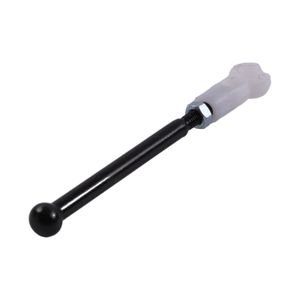
Block & Internal Parts

Block & Internal Parts
ISO Certified
Ships 2-5 Days
MOQ 1 Piece
Block & Internal Parts
Scheduled Maintenance Connecting Rod – Fits Kubota D1301 D1402
<p><strong>15471-22012 15471-22013 Connecting Rod for Kubota D1301 D1402</strong> — high-strength alloy steel with precise heat treatment. </p> <ul> <li>Typically replaced during mid-to-late lifecycle overhauls when knock or bearing scoring emerges; inspect pistons, crankshaft journals, and main bearings simultaneously </li> <li>Fits Kubota L1500, L295DT, M4950 series tractors, KH/KX excavators, Bobcat machines, and generators </li> <li>Sustains fleet availability for aging platforms where brand supply is thinning </li> </ul> <p>Replacement interval guidance included with shipment for proactive maintenance scheduling.</p>
Lead Time
2-5 Days
Warranty
3-12 Months
Min. Order
1 Piece
Ships To
120+ Countries
15471-22012
connecting rod
Engine Part
For Kubota
Kubota D1301
Service Part
Request a Quote
Response within 24 hours
Prefer instant chat?
WhatsApp
Product Details
Fleet Stocking — Older Kubota engines across tractor and excavator lines remain in service past peak brand support, and this connecting rod keeps those machines running on a predictable maintenance schedule rather than forcing emergency teardowns.
Technical Specifications
| Parameter | Value |
|---|---|
| Part Number | 15471-22012 15471-22013 |
| Product Type | Connecting Rod |
| Cross-Reference | 15471-22010, 15471-22012, 15471-22013, 15741-22012, 15201-22010 (reference only) |
| Machine Fitment | L1500, L2550, L2350DT, L2350F, L175, L245-IIDT, L245-IIF, L295DT, L295F, L405, L405DT, M4950, M4950DT, M4950DT OLD TYPE, M4950DT-S, M4950-S, KH-101, KH-101KTA, KH-151, KH-191, KH-191EXP, KH-28, KH-28L, KH-60, KH-60H, KH-66 / H, KH-66/H KCL, KH-70(H), KH-90, KH-90H, KH-91 / H, KX101, KX151, GV1120-B-50-AUS, GV1160-B-50-AUS, GV3100-B-50-AUS, GV3150-B-50-AUS, GV3200-B-50-AUS, GV3120-60-B, GV-3170(SW), GV-3190Q-60, GV-3240, GV-3240SW, R400(B), R410, R410B, RW25, RW30, 225, 643 |
| Compatible Engine Models | Kubota D1301, D1302 DI, D1402, D1402-BBS |
| Condition | New Aftermarket |
| Material | High-strength alloy steel |
| Surface Treatment | Precise heat treatment |
| Warranty | 3-12 months against manufacturing defects |
| Standard | ISO 9001 |
Application Suitability
| Service Interval | What to Check |
|---|---|
| Major overhaul at high hour accumulation | Inspect rod journals, piston pin bore, and bearing shell seating for scoring or deformation |
| Engine knock or rising oil consumption detected | Pull oil pan, check rod bearing clearance and rod bolt torque before further operation |
| Planned rebuild on aging D1301 / D1402 units | Verify engine serial number against rod variant, confirm crankshaft journal condition |
| Rental fleet turnaround between contracts | Include connecting rod inspection in standard teardown checklist alongside main bearings and piston rings |
Why Connecting Rod Failures Derail Entire Fleet Schedules
Scheduling a Connecting Rod service part for Kubota D1301 D1402 maintenance during a planned overhaul prevents cascading crankshaft and piston damage that turns a budgeted repair into an unbudgeted crisis.
I have seen fleet operators in Latin America lose entire grading seasons because a single fractured rod took out the crankshaft, block, and piston set in one event — machines that should have been back in three weeks sat idle for months waiting on back-ordered components. The connecting rod is not a part you replace reactively; by the time it breaks, the damage is already multiplied across the entire bottom end [NEED_CITE: engine bottom-end failure cascade patterns in compact diesel powerplants].
Waiting until audible knock or bearing debris appears in the oil filter means the rod has been operating outside tolerance for an extended period. For fleet managers running multiple Kubota-powered tractors and excavators, the cost is never just the rod itself — it is the crankshaft regrind, the matched piston set, the line-bore on the block, and the weeks of downtime stacked on top of a repair that could have been contained during a scheduled teardown.
Where the Rod Sits in the Machine’s Service Life
A Connecting Rod service part for Kubota D1301 D1402 maintenance event typically falls in the mid-to-late lifecycle of the engine, coinciding with the first or second major overhaul. On agricultural tractors like the L2350DT or compact excavators like the KH-66, this means the machine has already accumulated significant hours across multiple seasonal cycles. Planning this replacement ahead of failure — rather than reacting to a dropped rod — keeps the machine’s remaining service life predictable and extends the asset’s productive years.
Wear Progression and the Signals You Should Not Ignore
Before a connecting rod reaches critical failure, the engine typically presents a sequence of warnings: increasing knock at idle that worsens under load, bearing shell material appearing in oil analysis, and oil consumption climbing beyond normal ranges. These indicators point to rod bearing wear that transfers stress into the rod big-end bore. If left unchecked, the bore deforms, the rod bolt stretch exceeds specification, and the assembly can no longer maintain oil film on the crankshaft journal. Fleet operators who track oil analysis trends across their Kubota-powered units can identify the window where rod replacement is still a contained overhaul rather than a block-level rebuild [NEED_CITE: oil analysis indicators for connecting rod bearing degradation].
Alloy Steel and Heat Treatment in Context
The high-strength alloy steel construction of this connecting rod addresses the cyclic tensile and compressive loads that the D1301 and D1402 engines generate across thousands of combustion events per hour. The precise heat treatment applied to the rod body and big-end cap ensures the material maintains its fatigue resistance under the thermal cycling typical of compact diesel operation — where coolant temperature swings and load changes happen rapidly during loader or excavator duty cycles. Material consistency across the rod and cap mating surfaces is critical; any variation in hardness between the two halves causes uneven bearing crush and accelerates shell wear.
The Hidden Cost of Reactive Rod Replacement
When a connecting rod is replaced only after failure, the fleet operator absorbs costs far beyond the part itself. A fractured rod scores the crankshaft journal, often requiring regrind or replacement. The piston attached to the failed rod may have impacted the cylinder head or cracked at the pin boss. Adjacent rods operating under the same load profile likely carry similar fatigue accumulation, meaning a single-rod repair frequently leads to a second teardown within months. This pattern of repeat failure is common when maintenance teams address the symptom — one broken rod — without inspecting the full bottom end as a system [NEED_CITE: repeat engine failure patterns from incomplete teardown inspection].
Why Procurement Supports Lifecycle Planning Here
This connecting rod is available under a single account alongside every other overhaul component the D1301 or D1402 engine requires — piston sets, bearing shells, gasket kits, crankshaft seals — so the entire job list ships as one consignment with one warranty. Guangzhou warehouse stock enables fast dispatch on common items, and part identification can be confirmed from an engine serial number or a photograph of the nameplate when the original tag is worn. Cross-reference verification covers superseded numbers across Kubota engine generations, so older machines like the L175 or M4950 remain supportable. Technical confirmation of rod variant applicability is available before commitment, and sample supply allows fitment verification prior to bulk ordering for fleet-wide overhauls.
Documentation & Verification
- Commercial invoice and packing list itemized by engine model and rod variant
- Compatibility sheet listing D1301, D1302 DI, D1402, D1402-BBS cross-reference numbers (reference only)
- Dimensional inspection record covering big-end bore, small-end bushing bore, and center distance
- Warranty terms document specifying coverage period against manufacturing defects
- Packing photographs showing rod packaging and crate condition before dispatch
- HS code and customs documentation support for cross-border fleet procurement
Service Interval & Stocking Guidance
- Plan connecting rod inspection at each major overhaul event on Kubota D1301 and D1402 engines to catch bore deformation early.
- Monitor oil analysis for bearing material and rising iron content as early indicators of rod bearing wear progression.
- Stock one complete rod set per engine in active fleet service to eliminate lead-time risk during scheduled rebuilds.
- Store rods in original protective packaging in a dry environment to prevent surface corrosion on journal-contact faces.
- Record engine serial numbers at procurement to ensure future rod orders match the correct variant for each machine.
Planning Your Next Overhaul Order
Share your engine model, serial number, and current hour meter reading so the team can confirm rod variant applicability and suggest a stocking quantity aligned with your fleet’s overhaul cycle. For machines approaching major service intervals, a consolidated inquiry covering rods, pistons, bearings, and gasket sets ensures all components arrive together and the teardown stays on schedule.
Frequently Asked Questions
Q: How do I know when connecting rods need replacement versus just bearings?
A: Bearing shells are sacrificial by design and typically replaced at every overhaul. Rods require replacement when the big-end bore measures out of round beyond service limits, shows visible scoring on the cap mating surface, or when rod bolt stretch exceeds specification. Oil analysis revealing bearing material combined with increasing knock at idle usually signals that rod inspection is overdue.
Q: Should I replace all rods as a set or just the damaged one?
A: Replacing the full set is generally recommended when one rod has failed, because the remaining rods have accumulated similar fatigue cycles under identical load conditions. A single-rod repair often results in a second failure within a relatively short operating window. For planned overhauls where no rod has failed yet, inspection and reuse of serviceable rods is acceptable.
Q: What other components should I inspect or replace during a rod service event?
A: The crankshaft journals, piston pin bores, main bearings, piston rings, and cylinder bore condition should all be evaluated during a rod-level teardown. The connecting rod transmits combustion force to the crankshaft, so any wear in the rod transfers directly into these adjacent surfaces. Inspecting the full bottom end prevents a second teardown within months of the first.
Q: Can I still get connecting rods for older Kubota engine models?
A: Yes. The D1301 and D1402 engines power machines across multiple generations of Kubota tractors, excavators, and generators, many of which remain in active service. This aftermarket connecting rod covers superseded part numbers and variant differences across those engine builds, keeping older fleet assets supportable even as brand-level parts availability thins.
Q: How far in advance should I plan this overhaul to avoid emergency downtime?
A: Procurement lead times for a full overhaul kit including rods, pistons, and bearings typically require planning several weeks ahead of the scheduled teardown window. Fleet operators who align rod procurement with seasonal downtime — such as the off-season for agricultural tractors or contract gaps for rental excavators — avoid the compounding costs of reactive repairs.
Compatible Brands
CAT
KOMATSU
HITACHI
VOLVO
HYUNDAI
DOOSAN
KOBELCO
SANY
XCMG
Our parts are engineered to meet or exceed OEM specifications. Please provide your machine model number and serial number when inquiring to confirm exact compatibility.
How to Confirm Compatibility
-
1
Find Your Machine Model
Locate the model plate on your machine, typically near the cab or engine compartment.
-
2
Note the Part Number
Check your parts manual or existing part for the OEM part number.
-
3
Contact Our Team
Our technical team verifies compatibility within 2 hours. Send us the details via the inquiry form or WhatsApp.
Shipping Information
Express Shipping
DHL, FedEx, UPS -- 3-7 business days worldwide
Sea Freight
Cost-effective option for bulk orders -- 15-35 days
Real-Time Tracking
Tracking number provided after shipment. 24/7 support available.
Warranty Policy
3-12
Months Warranty
All parts come with manufacturer warranty. Duration varies by product category.
- Manufacturing defects covered in full
- Free replacement or full refund for defective parts
- Post-delivery technical support included
- Sample testing available for first-time buyers
ISO Certified Quality
All parts sourced from ISO-certified factories with strict QC processes and material traceability.
Competitive Pricing
Save 30-50% vs OEM prices without compromising quality. Transparent pricing with no hidden fees.
Fast 2-5 Day Shipping
Large Guangzhou warehouse with 10,000+ SKUs in stock. Most orders ship within 2-5 business days.
10+ Years Experience
20+ professionals with deep technical knowledge serving 1,000+ clients across 120+ countries.
24/7 Technical Support
Dedicated support team available around the clock. Part verification within 2 hours of inquiry.
Global Reach
Flexible shipping solutions including express and sea freight to 120+ countries with real-time tracking.
Related Products
More parts you might need

Block & Internal Parts
Camshaft Bearing Set 4HK1 6HK1 | Overhaul Grade for Hitachi ZX240-3
View Details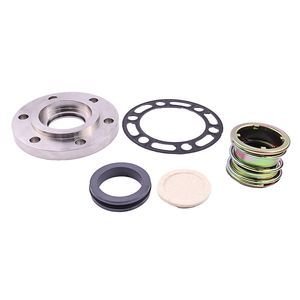
Block & Internal Parts
05G Shaft Seal Crankshaft Kit 17-44145-00 for Carrier Optima Supra Ultima
View Details
Block & Internal Parts
Aftermarket Accelerator Rod 26607-26602-71 – Fleet Supply for Toyota Forklift
View DetailsNeed a Custom Quote?
Our technical team responds within 24 hours. MOQ 1 piece. Ships to 120+ countries from our Guangzhou warehouse.