
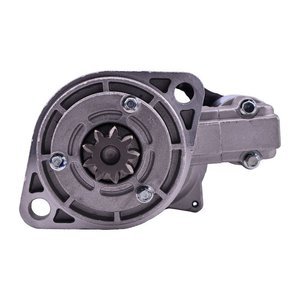
Engine Auxiliary Components

Engine Auxiliary Components
ISO Certified
Ships 2-5 Days
MOQ 1 Piece
Engine Auxiliary Components
Stop Solenoid D610-B1V12 68990-015 | Fleet Supply for Kubota Engine
<p><strong>Stop Solenoid D610-B1V12 68990-015</strong> — replacement for Kubota WG750, DF752, DF-750, DF972, D905 engines, 12V DC dual-coil pull-type with 2-terminal configuration.</p> <ul> <li>Stocking this solenoid as part of scheduled fleet maintenance avoids unplanned machine downtime when the unit fails to start or shut down reliably.</li> <li>Dual-coil design separates high-current pull-in from low-current hold, reducing thermal stress across repeated cold-start cycles.</li> <li>Zinc-plated steel housing resists corrosion in humid or coastal job sites.</li> </ul> <p>Replacement interval guidance ships with every order to support your preventive maintenance planning.</p>
Lead Time
2-5 Days
Warranty
3-12 Months
Min. Order
1 Piece
Ships To
120+ Countries
12V DC Dual Coil
68990-015
D610-B1V12
Engine Auxiliary
Fleet Supply
Kubota Compatible
stop solenoid
Request a Quote
Response within 24 hours
Prefer instant chat?
WhatsApp
Product Details
Stocking Strategy Included — Maintenance intervals for Kubota stop solenoids are mapped to fleet size so replacement units arrive before the original fails, not after the machine goes silent.
Technical Specifications
| Parameter | Value |
|---|---|
| Part Number | D610-B1V12 68990-015 |
| Product Type | Stop Solenoid |
| Cross-Reference | D610-B1V12, D610B1V12, 68990-015, 68990015 (reference only) |
| Machine Fitment | WG750, DF752, DF-750, DF972, D905 |
| Electrical Rating | 12V DC, dual-coil pull-type |
| Terminal Configuration | 2-terminal |
| Condition | New Aftermarket |
| Warranty | 6-month standard warranty against manufacturing defects |
| Manufacturing Standard | ISO 9001 |
Application Suitability
| Service Interval | What to Check |
|---|---|
| Routine 500-hour engine service | Inspect solenoid coil resistance and plunger travel for signs of binding or sluggish return |
| Cold-season pre-start inspection | Verify pull-in coil engages fully without excessive current draw indicating worn internal contacts |
| Fleet-wide scheduled overhaul | Replace solenoid alongside fuel shutoff linkage and related gaskets to prevent single-point failures |
| End-of-warranty evaluation | Check terminal corrosion and housing zinc plating integrity before extending service intervals |
Why Reactive Purchasing Keeps Kubota-Powered Fleets Grounded
The Stop Solenoid D610-B1V12 service part replacement belongs on the shelf before the engine refuses to shut down or, worse, refuses to start.
In the Shandong manufacturing corridor, production lines depend on Kubota-powered equipment running on tight schedules. When a D610-B1V12 solenoid fails unexpectedly, the machine sits idle while procurement scrambles to confirm fitment, source the part, and arrange freight — a sequence that consumes days of productive time. [NEED_CITE: preventive maintenance scheduling standards for auxiliary engine components] Fleet operators who treat this solenoid as a reactive purchase end up paying for downtime in lost output, not just in parts cost. The pattern repeats across grain handling facilities and small quarry operations where a single downed loader or mini-excavator bottlenecks the entire workflow.
Where the Solenoid Sits in the Kubota Service Lifecycle
A Stop Solenoid D610-B1V12 service part replacement occupies a specific position in the Kubota engine auxiliary system — it is the final electrical gate between the operator’s key switch and the fuel shutoff mechanism. Unlike filters or belts that degrade gradually and visibly, a solenoid tends to fail without obvious warning. The dual-coil architecture means the high-current pull-in winding handles the initial engagement while the low-current hold winding maintains position, and either coil can degrade independently over thousands of start-stop cycles.
Recognizing Wear Before the Solenoid Fails Completely
Operators who monitor their Kubota WG750 or DF752 engines closely can spot early indicators: a slight delay between key turn and engine shutoff, a faint buzzing from the solenoid housing during hold, or intermittent starting failures that resolve after a second key cycle. These symptoms typically point to contact surface degradation or increased internal resistance within the coil windings. [NEED_CITE: diagnostic indicators for electromagnetic solenoid wear in diesel and gas engines] Replacing the unit at this stage, during a scheduled service window, avoids the scenario where the solenoid fails mid-shift on a construction site or during harvest operations. Fleet managers tracking replacement intervals across multiple Kubota-powered machines find that aligning solenoid swaps with fuel system service reduces unplanned downtime meaningfully.
Decoding the Electrical Specifications That Matter in the Field
The 12V DC rating matches the standard electrical architecture across Kubota’s compact and mid-range engine families, ensuring the solenoid interfaces directly with existing wiring harnesses without voltage converters or relay modifications. The dual-coil pull-type design separates the high-amperage pull-in function from the lower-amperage hold function, which reduces thermal stress on the windings during repeated cold-start cycles — a critical consideration for equipment operating in northern Chinese winters or high-altitude sites. The 2-terminal configuration connects to the existing Kubota plug without adapter splicing, keeping the installation straightforward. Zinc-plated steel housing provides corrosion resistance that matters when machines operate in humid coastal regions or are stored outdoors between rental contracts. [NEED_CITE: electromagnetic coil thermal management in mobile equipment auxiliary systems] Silver-alloy plated internal contacts minimize arcing at the switching point, supporting consistent current transfer across the service interval and reducing the likelihood of contact welding under high inrush conditions.
The Cumulative Cost of Waiting Until the Solenoid Fails
A fleet running a dozen Kubota-powered machines that treats Stop Solenoid D610-B1V12 service part replacement as an emergency purchase will experience compounding losses. Each failure means not just the solenoid lead time but also the operator idle time, the rescheduling of downstream tasks, and the expedited freight premium. Over a year, these reactive incidents accumulate into significant productivity gaps that a modest shelf stock of two or three units would have prevented entirely. [NEED_CITE: total cost of ownership analysis for auxiliary engine components in fleet operations] The older the Kubota engine model, the longer the sourcing delay tends to be, since OEM channel support thins for discontinued production runs — making advance stocking even more consequential for fleets keeping legacy machines in service.
What This Supply Channel Delivers for Fleet Buyers
Selected part lines are produced in-house while the remainder is sourced from ISO 9001-certified manufacturing partners, meaning both self-produced and sourced Stop Solenoid D610-B1V12 units carry identical quality control and warranty terms. Eight product categories ship under one account and one warranty, so a fleet maintenance order covering engine auxiliaries, filters, seal kits, and electrical components consolidates into a single consignment. Orders start from one piece, which matters when a rental company needs a single spare for turnaround inventory rather than a bulk commitment. Cross-reference verification covers superseded and alternate numbers, reducing the risk that a legacy Kubota engine gets mismatched with an incorrect solenoid variant. Technical support confirms compatibility against engine serial prefix and machine model before dispatch, preventing fitment surprises on the shop floor. Sample units are available for physical verification before a fleet commits to bulk stocking quantities.
Documentation & Verification
- Commercial invoice listing solenoid part number, coil voltage, and terminal configuration per line item
- Compatibility sheet mapping D610-B1V12 and 68990-015 cross-references to Kubota engine serial ranges (reference only)
- Coil resistance and plunger travel inspection recorded before dispatch
- Six-month warranty covering coil failure, contact degradation, and mechanical binding under normal use
- Packing photographs documenting solenoid condition at time of crating
- HS code classification provided for customs clearance at destination port
Service Interval & Stocking Guidance
- Replace the solenoid during scheduled 500-hour engine service or when sluggish shutoff response is detected
- Check coil housing for zinc plating flaking and terminal posts for green corrosion as early wear indicators
- Stock one spare unit per five Kubota-powered machines to cover typical fleet replacement demand
- Store solenoids in dry, temperature-stable conditions away from direct solvent or fuel vapor exposure
Planning Your Fleet’s Solenoid Stock
Provide your Kubota engine model designations, equipment serial numbers, and current operating hours so we can align solenoid replacement intervals with your existing maintenance schedule and recommend stocking quantities matched to your fleet size.
Frequently Asked Questions
Q: How often should a stop solenoid be replaced in routine Kubota engine maintenance?
A: There is no universal hour-based interval for the Stop Solenoid D610-B1V12 service part replacement because wear depends on start-stop frequency and environmental exposure. Most fleet operators align replacement with major fuel system service or when diagnostic checks reveal coil resistance drift or sluggish plunger return. Replacing the solenoid proactively during a scheduled service window avoids the far greater cost of an unplanned machine stoppage on site.
Q: What are the early warning signs that a D610-B1V12 solenoid is approaching end of service life?
A: Common indicators include a noticeable delay between key turn and engine shutoff, a faint buzzing or humming from the solenoid housing during the hold phase, and intermittent starting failures that clear after a second attempt. These symptoms suggest internal contact degradation or coil winding resistance increase. Catching these signs during routine inspections allows replacement during planned maintenance rather than under emergency conditions.
Q: Should the starter motor be inspected or replaced at the same time as the solenoid?
A: The starter motor operates on a different wear cycle than the stop solenoid and does not require simultaneous replacement in most cases. However, if the starter shows signs of slow cranking or excessive current draw, inspecting both components during the same service window makes practical sense. This approach consolidates labor and ensures the entire starting and stopping system is verified before the machine returns to duty.
Q: How many spare solenoids should a fleet of Kubota-powered machines keep in stock?
A: A practical baseline is one spare unit per five machines operating under similar conditions. Fleets running older Kubota engines with thinning OEM channel support should consider stocking two or three units to buffer against longer sourcing lead times. The exact quantity depends on fleet size, operating intensity, and how critical each machine is to downstream workflow continuity.
Q: Can this solenoid still be sourced for older Kubota engines no longer in current production?
A: Yes, this aftermarket solenoid compatible with Kubota WG750, DF752, DF-750, DF972, and D905 engines remains available even as OEM channel support for older models diminishes. Cross-reference verification against your specific engine serial prefix confirms fitment before dispatch. Fleet operators keeping legacy machines in service benefit from securing stock while supply remains readily available rather than waiting until an urgent failure forces a search.
Compatible Brands
CAT
KOMATSU
HITACHI
VOLVO
HYUNDAI
DOOSAN
KOBELCO
SANY
XCMG
Our parts are engineered to meet or exceed OEM specifications. Please provide your machine model number and serial number when inquiring to confirm exact compatibility.
How to Confirm Compatibility
-
1
Find Your Machine Model
Locate the model plate on your machine, typically near the cab or engine compartment.
-
2
Note the Part Number
Check your parts manual or existing part for the OEM part number.
-
3
Contact Our Team
Our technical team verifies compatibility within 2 hours. Send us the details via the inquiry form or WhatsApp.
Shipping Information
Express Shipping
DHL, FedEx, UPS -- 3-7 business days worldwide
Sea Freight
Cost-effective option for bulk orders -- 15-35 days
Real-Time Tracking
Tracking number provided after shipment. 24/7 support available.
Warranty Policy
3-12
Months Warranty
All parts come with manufacturer warranty. Duration varies by product category.
- Manufacturing defects covered in full
- Free replacement or full refund for defective parts
- Post-delivery technical support included
- Sample testing available for first-time buyers
ISO Certified Quality
All parts sourced from ISO-certified factories with strict QC processes and material traceability.
Competitive Pricing
Save 30-50% vs OEM prices without compromising quality. Transparent pricing with no hidden fees.
Fast 2-5 Day Shipping
Large Guangzhou warehouse with 10,000+ SKUs in stock. Most orders ship within 2-5 business days.
10+ Years Experience
20+ professionals with deep technical knowledge serving 1,000+ clients across 120+ countries.
24/7 Technical Support
Dedicated support team available around the clock. Part verification within 2 hours of inquiry.
Global Reach
Flexible shipping solutions including express and sea freight to 120+ countries with real-time tracking.
Related Products
More parts you might need
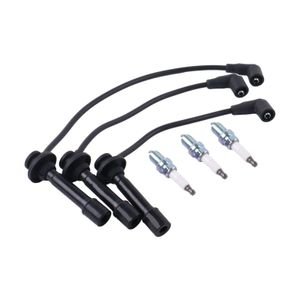
Engine Auxiliary Components
Spark Plug and Wire Kit for Yanmar 3TNV70 Engine – Direct Replacement for John Deere XUV 825i/835M
View Details
Engine Auxiliary Components
Glow Plug 185366190 TPN257 for Perkins 404D-22 404C-22 – Service Part
View Details
Engine Auxiliary Components
Wear Item Glow Plug 6655233 Compatible with Kubota V1903 V2003T V2203
View DetailsNeed a Custom Quote?
Our technical team responds within 24 hours. MOQ 1 piece. Ships to 120+ countries from our Guangzhou warehouse.