

Emission & Exhaust System
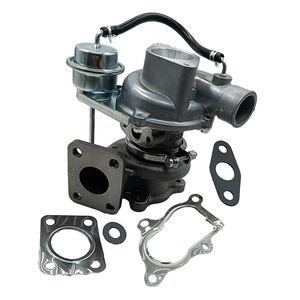
Emission & Exhaust System
ISO Certified
Ships 2-5 Days
MOQ 1 Piece
Emission & Exhaust System
Turbocharger 1J716-17010 for Kubota SVL65-2 – Fleet Supply
<p><strong>1J716-17010 Turbocharger for Kubota SVL65-2/SVL65-2C</strong> — aftermarket replacement delivering 1.8 bar boost with Ni-Resist ductile iron turbine housing and forged 7075-T6 aluminum compressor wheel balanced to 120,000 RPM.</p> <ul> <li>Monitor declining boost pressure, rising oil consumption, or audible turbine whine as early wear indicators before complete failure</li> <li>Replace at scheduled service intervals to prevent collateral damage to intercooler, EGR valve, and oil circuits</li> <li>Single-component swap recommended alongside full intake and exhaust system inspection to address root-cause issues</li> </ul> <p>Replacement interval guidance and long-term supply commitment included for fleet-level maintenance planning.</p>
Lead Time
2-5 Days
Warranty
3-12 Months
Min. Order
1 Piece
Ships To
120+ Countries
1J716-17010
Emission System
Fleet Supply
For Kubota
Kubota SVL65-2
turbocharger
Request a Quote
Response within 24 hours
Prefer instant chat?
WhatsApp
Product Details
Lifecycle Stocking — Replacement intervals mapped to SVL65-2 duty cycles, supported by ongoing supply for aging serial ranges.
Technical Specifications
| Parameter | Value |
|---|---|
| Part Number | 1J716-17010 |
| Cross-Reference | 1J71617010 (reference only) |
| Product Type | Turbocharger |
| Machine Fitment | Kubota SVL65-2, SVL65-2C |
| Condition | New Aftermarket |
| Turbine Housing Material | Ni-Resist ductile iron (ASTM A436 Grade 2) |
| Compressor Wheel Material | Forged 7075-T6 aluminum |
| Boost Pressure | 1.8 bar |
| Rotational Balance | up to 120,000 RPM |
| Bearing Radial Play | ≤0.03 mm |
| Sealing Surface Finish | Ra ≤0.8 μm (SAE J1926-1) |
| Pre-lubrication | ISO VG 32 synthetic oil |
| Warranty | 3–12 months against manufacturing defects |
| Standards | ISO 9001, ASTM A436 Grade 2, SAE J1926-1 |
Application Suitability
| Service Interval | What to Check |
|---|---|
| Every 2,000 operating hours | Boost pressure trend, turbine shaft play, oil residue on compressor side |
| Every 4,000 operating hours | Exhaust backpressure reading, wastegate actuator response, intake hose condition |
| Annual fleet review | Cross-machine comparison of turbocharger service part for Kubota SVL65-2 maintenance records, identify units approaching replacement threshold |
| Pre-overhaul inspection | EGR valve carbon buildup, intercooler internal contamination, oil feed line flow rate |
Why Machines Go Down Before Anyone Orders the Part
Most turbocharger failures on compact track loaders are detected only after the machine has already lost meaningful power output.
In quarry and high-duty construction environments, a degraded turbo does not announce itself with a single dramatic event. Boost pressure declines gradually, oil consumption creeps upward, and operators compensate by running the engine at higher load — which accelerates turbine housing thermal fatigue and compressor wheel imbalance. By the time the turbocharger service part for Kubota SVL65-2 maintenance is finally written onto a work order, collateral damage to the intercooler, EGR passages, and oil return lines has typically already accumulated. Fleet managers running multiple SVL65-2 units often discover that three or four machines have entered the same wear window simultaneously, yet no stock was held because the failure pattern was never tracked across the fleet [NEED_CITE: turbocharger wear progression monitoring in compact track loader fleets].
Where This Turbocharger Sits in the Machine’s Service Life
The turbocharger is not a wear item with a fixed calendar replacement date. Its service life depends on duty cycle intensity, ambient dust loading, oil change discipline, and whether the air intake system has been kept sealed. For SVL65-2 units in continuous-load quarry operations, the turbine housing and bearing cartridge typically require inspection well before the same components on a machine used intermittently in general construction. Planning a turbocharger service part for Kubota SVL65-2 maintenance replacement around measurable indicators — rather than waiting for complete failure — prevents secondary engine damage and keeps the machine available for scheduled work.
Recognizing Wear Before It Becomes a Multi-System Repair
Declining boost pressure under load is the earliest measurable indicator. Audible turbine whine that was not present during the previous service interval signals bearing wear or compressor wheel imbalance. Increased oil consumption without visible external leaks often points to turbo seal degradation, where oil migrates past the turbine-side seal ring into the exhaust stream. Each of these symptoms, caught early, means a single-component swap. Left unaddressed, the same symptoms progress to intercooler contamination and EGR valve carbon locking — turning what was a turbocharger replacement into an intake and exhaust system overhaul [NEED_CITE: diesel turbocharger failure root cause analysis for compact equipment].
What the Material and Balance Specifications Mean in Practice
The Ni-Resist ductile iron turbine housing resists thermal cycling fatigue that causes standard cast iron housings to crack along the volute after repeated heat-up and cool-down sequences. This matters for SVL65-2 units that run high-load cycles with frequent idle periods, where the housing experiences steep temperature gradients. The forged 7075-T6 aluminum compressor wheel maintains dimensional stability at sustained rotational speeds up to 120,000 RPM, resisting the blade-edge erosion that reduces airflow on softer alloy wheels. Bearing radial play held to ≤0.03 mm ensures the shaft does not deflect enough to contact the turbine housing bore under transient load spikes, which is the most common cause of catastrophic turbo failure in dusty operating environments. The Ra ≤0.8 μm sealing surface finish on mating flanges maintains gasket integrity through thousands of thermal expansion and contraction cycles, preventing the exhaust leaks that reduce turbine efficiency and raise engine bay temperatures.
The Hidden Cost of Reactive Turbocharger Procurement
When a fleet operator replaces a failed turbo without investigating why it failed, the new unit often inherits the same operating conditions that destroyed the first one. Restricted oil feed lines, contaminated intake air, or a partially blocked exhaust downstream will shorten the replacement turbo’s life in exactly the same way. I have seen SVL65-2 units in mining camps go through two or three turbochargers in rapid succession because the root cause — excessive exhaust backpressure from a collapsed muffler baffle — was never diagnosed. Reaction-style procurement also means each failure triggers an emergency order cycle, with the machine sitting idle while the part is sourced and shipped. For a fleet running multiple units, the cumulative idle hours from repeated unplanned turbo failures represent a measurable loss in productive capacity across an entire season [NEED_CITE: cumulative downtime cost analysis for construction fleet turbocharger failures].
Why Procurement From a Single Lifecycle Supplier Changes the Pattern
Own production on selected turbocharger lines combined with qualified sourced supply means consistent quality control and warranty terms across every unit shipped, whether the order is one piece or a fleet-level stock replenishment. Eight product categories under one account allow fleet operators to consolidate turbo replacements with air filters, oil feed lines, exhaust gaskets, and EGR service kits into a single consignment — eliminating the split shipments that delay repairs. Guangzhou warehouse stock enables fast dispatch on common SVL65-2 turbocharger configurations, reducing the gap between failure identification and part arrival. Part identification from machine model and serial range ensures the correct variant is supplied, even when nameplates are worn or part numbers have been superseded across production generations. The technical team confirms compatibility and advises on adjacent component inspection before the order ships, reducing the chance of a second repair cycle caused by an undiagnosed upstream fault. Sample supply is available for fitment confirmation before a fleet commits to bulk stocking [NEED_CITE: aftermarket turbocharger fitment verification protocols for Kubota compact loaders].
Documentation & Verification
- Commercial invoice listing turbocharger part number and cross-reference (reference only)
- Compatibility sheet confirming SVL65-2 and SVL65-2C serial range applicability
- Dimensional and balance inspection record for each turbocharger before dispatch
- Warranty terms covering manufacturing defects for 3–12 months
- Packing photographs documenting protective packaging and pre-shipment condition
- HS code and customs classification support for international fleet shipments
Service Interval & Stocking Guidance
- Inspect boost pressure and shaft play every 2,000 hours on SVL65-2 units in high-dust environments
- Schedule turbocharger service part for Kubota SVL65-2 maintenance replacement when boost drops below rated threshold under full load
- Stock one turbocharger per five machines for fleets operating in continuous-load quarry or mining applications
- Store replacement units in sealed packaging with pre-lubrication intact until installation day
- Rotate fleet stock annually, using the oldest unit first to prevent seal material aging in storage
Planning Your Next Turbocharger Order
Provide your SVL65-2 or SVL65-2C machine model, serial number, and current operating hours so the team can confirm the correct turbocharger variant and advise on adjacent intake and exhaust components worth inspecting during the same service window. Fleet operators managing multiple units should share the full machine list with hours to receive a consolidated replacement schedule and stocking recommendation.
Frequently Asked Questions
Q: What symptoms indicate this turbocharger is approaching the end of its service life?
A: Declining boost pressure under load, audible high-frequency whine from the turbine end, and unexplained oil consumption increases are the primary early indicators. Shaft play detectable by hand when the engine is cool suggests bearing wear has progressed to the point where replacement should be scheduled within the next service window rather than deferred.
Q: Should I inspect adjacent intake and exhaust components when replacing this turbo?
A: Yes. The intercooler should be checked for internal oil contamination, the EGR valve for carbon buildup that restricts flow, and the oil feed and return lines for restriction or degradation. Addressing these during the same service event prevents the new turbocharger from failing prematurely due to the same upstream or downstream fault that destroyed the previous unit.
Q: How many turbochargers should a fleet of SVL65-2 machines keep in stock?
A: For fleets in continuous high-load operation, one unit per five machines is a practical baseline. Operations in remote sites with long resupply lead times may need higher coverage. Tracking actual replacement intervals across the fleet over two or three service cycles provides data to refine stocking levels based on observed wear patterns rather than generic recommendations.
Q: What causes premature turbo failure on Kubota SVL65-2 units and how can it be prevented?
A: Restricted oil supply from degraded feed lines, contaminated intake air bypassing a poorly sealed filter housing, and excessive exhaust backpressure from downstream blockages are the most common root causes. Confirming oil flow rate, intake system integrity, and exhaust backpressure before installing the replacement turbocharger prevents the same failure from recurring within months.
Q: Is this turbocharger still available for older SVL65-2 serial ranges?
A: Yes. This turbocharger (cross-reference 1J716-17010, reference only) is supplied for both SVL65-2 and SVL65-2C configurations. Provide the machine serial number to confirm the correct variant, as production changes across serial ranges can affect mounting flange configuration and oil port positioning.
Compatible Brands
CAT
KOMATSU
HITACHI
VOLVO
HYUNDAI
DOOSAN
KOBELCO
SANY
XCMG
Our parts are engineered to meet or exceed OEM specifications. Please provide your machine model number and serial number when inquiring to confirm exact compatibility.
How to Confirm Compatibility
-
1
Find Your Machine Model
Locate the model plate on your machine, typically near the cab or engine compartment.
-
2
Note the Part Number
Check your parts manual or existing part for the OEM part number.
-
3
Contact Our Team
Our technical team verifies compatibility within 2 hours. Send us the details via the inquiry form or WhatsApp.
Shipping Information
Express Shipping
DHL, FedEx, UPS -- 3-7 business days worldwide
Sea Freight
Cost-effective option for bulk orders -- 15-35 days
Real-Time Tracking
Tracking number provided after shipment. 24/7 support available.
Warranty Policy
3-12
Months Warranty
All parts come with manufacturer warranty. Duration varies by product category.
- Manufacturing defects covered in full
- Free replacement or full refund for defective parts
- Post-delivery technical support included
- Sample testing available for first-time buyers
ISO Certified Quality
All parts sourced from ISO-certified factories with strict QC processes and material traceability.
Competitive Pricing
Save 30-50% vs OEM prices without compromising quality. Transparent pricing with no hidden fees.
Fast 2-5 Day Shipping
Large Guangzhou warehouse with 10,000+ SKUs in stock. Most orders ship within 2-5 business days.
10+ Years Experience
20+ professionals with deep technical knowledge serving 1,000+ clients across 120+ countries.
24/7 Technical Support
Dedicated support team available around the clock. Part verification within 2 hours of inquiry.
Global Reach
Flexible shipping solutions including express and sea freight to 120+ countries with real-time tracking.
Related Products
More parts you might need
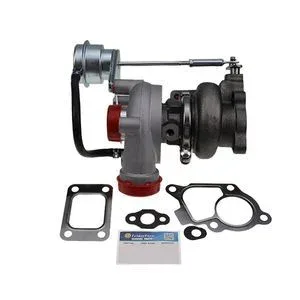
Emission & Exhaust System
TD04L4 Turbo 7008469 Replacement for Bobcat S630 Fleet Supply
View Details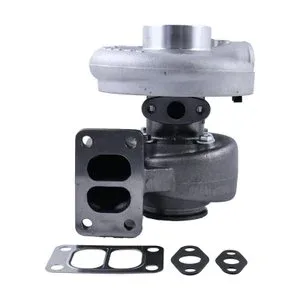
Emission & Exhaust System
H1C Turbocharger 3802289 for Cummins 6BT – Scheduled Maintenance
View Details
Emission & Exhaust System
HT60 Turbocharger 3804566 for Cummins N14 – Direct Replacement for Komatsu PC600-6/PC650-6
View DetailsNeed a Custom Quote?
Our technical team responds within 24 hours. MOQ 1 piece. Ships to 120+ countries from our Guangzhou warehouse.