

Block & Internal Parts

Block & Internal Parts
ISO Certified
Ships 2-5 Days
MOQ 1 Piece
Block & Internal Parts
Valve Tappet 04165057 for Deutz TCD2.9 TCD3.6 – Service Part
<p><strong>Valve Tappet 04165057, Deutz TCD2.9 / TCD3.6 compatible replacement</strong> — ISO-certified aftermarket unit for valve train service on D 2.9 L4, TD 2009 L4, TCD 3.6 L4 and related engine variants.</p> <ul> <li>Replace during scheduled valve adjustment intervals; inspect camshaft lobes and push rods for associated wear patterns before reassembly</li> <li>Fits Deutz TCD 2.2 L3 through TD 3.6 L4 series, covering construction, mining and material handling applications</li> <li><strong>OEM cross-reference: 04165057, 04164676, 04139032, 04112032</strong> — verify against engine serial to confirm correct variant</li> </ul> <p>Recommended replacement intervals and inspection checklist supplied with shipment for fleet maintenance planning</p>
Lead Time
2-5 Days
Warranty
3-12 Months
Min. Order
1 Piece
Ships To
120+ Countries
04165057
Deutz TCD2.9
Engine Component
For Deutz
Service Part
valve tappet
Request a Quote
Response within 24 hours
Prefer instant chat?
WhatsApp
Product Details
Fleet Stocking Support — Replacement intervals and superseded cross-references verified for Deutz TCD2.9 and TCD3.6 valve train maintenance programs.
Technical Specifications
| Parameter | Value |
|---|---|
| Part Number | 04165057 |
| Product Type | Tappet |
| Cross-Reference | 04165057, 4165057, 04164676, 04139032, 04112032 (reference only) |
| Machine Fitment | TCD2.9, TCD3.6, D 2.2 L3, D 2.9 L4, D 2008 L4, D 2009 L3, D 2009 L4, G 2.2 L3, TCD 2.2 L3, TCD 2.9 L4, TCD 3.6 L4, TD 2.2 L3, TD 2.9 L4, TD 2009 L4, TD 3.6 L4 |
| Brand Compatibility | Designed to replace components in DEUTZ engines |
| Condition | New Aftermarket |
| Warranty | 3-12 months against manufacturing defects |
| Quality Standard | ISO |
Application Suitability
| Service Interval | What to Check |
|---|---|
| Routine Valve Adjustment | Tappet face wear, lash drift beyond specification |
| Mid-Life Overhaul | Camshaft lobe scoring, push rod tip condition |
| High-Hour Rebuild | Complete valve train geometry, cylinder head deck |
| Fleet Preventive Schedule | Stocking depth across mixed Deutz engine variants |
Why Valve Train Noise Signals a Deeper Maintenance Problem
Waiting for audible clatter before ordering a valve tappet service part for Deutz TCD2.9 TCD3.6 engines usually means the camshaft has already started wearing.
I have pulled cylinder heads off TCD3.6 units where the tappet face was concave and the corresponding cam lobe was scored beyond salvage. The owner heard ticking at idle and assumed a simple adjustment would fix it. By the time the machine reached the workshop, metal particles had circulated through the lubrication system, contaminating main bearings and turbocharger feed lines. A single worn tappet turned into a full engine teardown because the replacement decision was delayed past the point where surrounding components remained serviceable [NEED_CITE: valve train wear progression indicators in medium-duty diesel engines].
Fleet operators running mixed-age Deutz equipment in quarries and port facilities face this pattern repeatedly. The valve tappet service part for Deutz TCD2.9 TCD3.6 engines sits at the boundary between scheduled maintenance and catastrophic failure. Replace it during a planned valve adjustment, and the cost stays contained. Wait for symptoms, and the repair scope expands to include camshafts, rocker arms, and potentially the entire cylinder head assembly.
Where the Tappet Sits in the Engine Service Lifecycle
The valve tappet occupies a specific position in the Deutz engine’s maintenance progression. During the first major service window, typically when valve lash drifts outside tolerance, inspectors check tappet faces for flat-spotting or edge chipping. At this stage, the valve tappet service part for Deutz TCD2.9 TCD3.6 engines can often be replaced as a set without disturbing the camshaft, provided lobe profiles still measure within specification.
As engine hours accumulate past mid-life, the relationship between tappet wear and camshaft condition becomes inseparable. The hardened face of the tappet and the cam lobe develop a matched wear pattern. Swapping one without the other accelerates degradation of the new component. This is why overhaul planning must account for the entire valve train as a system rather than treating individual components in isolation.
Recognizing Wear Progression Before Catastrophic Failure
Tappet degradation follows a predictable sequence. Early wear manifests as gradual lash increase, requiring more frequent adjustment intervals. The maintenance team notices they are setting valves more often than the service manual prescribes. This is the signal to inspect tappet faces and cam lobes during the next scheduled downtime [NEED_CITE: preventive maintenance scheduling for diesel valve train components].
Mid-stage wear produces audible valve clatter at idle, particularly when the engine is warm and oil viscosity has thinned. At this point, the tappet face has worn concave, and the cam lobe profile has distorted. Metal particles from this contact zone circulate through the oil system, accelerating wear on turbocharger bearings and main journal surfaces. The replacement window has narrowed significantly.
Late-stage failure shows up as misfire, compression loss, or complete valve train collapse. The tappet may have worn through its hardened surface, allowing the softer core material to deform rapidly. Push rods may have bent, rocker arms cracked, and valve stems mushroomed. What began as a scheduled tappet replacement now requires a full cylinder head overhaul and potentially a short-block inspection.
Interpreting Tappet Specifications for Real-World Service Conditions
The valve tappet service part for Deutz TCD2.9 TCD3.6 engines must maintain dimensional stability across the operating temperature range while resisting abrasive wear from the camshaft contact surface. The hardened face depth determines how many hours the tappet can run before wear reaches the softer substrate material. Once that boundary is crossed, wear accelerates dramatically.
Material compatibility with the camshaft lobe is critical. Mismatched hardness values cause one component to wear preferentially, destroying the geometry of both. The aftermarket replacement must replicate the original surface treatment to ensure the paired wear relationship continues as designed [NEED_CITE: material pairing standards for cam follower and camshaft contact surfaces].
Dimensional tolerances on the tappet body diameter and overall length affect oil film formation and valve timing accuracy. A tappet that is slightly undersized in the bore will rock under load, creating uneven wear patterns. One that varies in length will shift valve opening events, affecting combustion efficiency and emissions output across the engine’s operating range.
The Cost of Reactive Purchasing for Valve Train Components
Fleet operators who treat tappets as emergency purchases rather than planned consumables accumulate hidden costs across their equipment base. Each reactive repair involves diagnostic time, expedited freight charges, and extended machine downtime while parts are sourced. The valve train does not fail in isolation—by the time tappets need emergency replacement, camshafts and push rods typically require attention as well.
Maintenance programs that stock valve tappet service parts for Deutz TCD2.9 TCD3.6 engines ahead of predictable consumption avoid these compounding costs. The decision becomes whether to carry inventory or accept repeated unplanned downtime. For fleets running multiple Deutz-powered units in remote quarry or construction sites, the math favors stocking. A machine down for three days waiting on a single tappet costs more in lost production than maintaining a small buffer inventory [NEED_CITE: total cost of ownership calculations for construction equipment spare parts].
Older Deutz engine variants present an additional challenge. As OEM support thins for legacy models, lead times for specific tappet variants lengthen. Fleet operators discover that a part number valid five years ago has been superseded multiple times, and the current variant may require verification against engine serial number ranges. Stocking ahead of this transition protects the fleet from extended downtime during the parts identification process.
Why Procurement Verification Matters for This Component
Our production and sourcing approach covers both self-manufactured lines and qualified partner supply under unified quality control, which means the valve tappet service part for Deutz TCD2.9 TCD3.6 engines carries the same warranty terms regardless of origin. Guangzhou warehouse stock on common Deutz variants enables consolidated dispatch alongside related valve train components.
Part identification works from engine serial number, machine model, or nameplate photograph when the original part number is illegible. Cross-reference verification covers superseded numbers and variant differences across TCD2.9 and TCD3.6 production runs. Sample supply allows fitment confirmation before bulk commitment, particularly important when transitioning to a new supplier or dealing with older engine variants where documentation may be incomplete.
The technical team confirms compatibility against specific engine serial ranges and advises on grade selection based on service history. This prevents the situation where a tappet set arrives on site only to discover it does not match the variant installed during a previous rebuild.
Documentation & Verification
- Commercial invoice lists tappet part numbers with cross-reference validation notes marked reference only
- Compatibility sheet confirms engine serial range coverage for TCD2.9 and TCD3.6 variants
- Dimensional inspection records verify body diameter and overall length tolerances before dispatch
- Warranty terms aligned with expected service intervals for scheduled maintenance programs
- Packing photographs show protective packaging preventing surface damage during transit
- HS code documentation supports customs clearance for international fleet procurement
Service Interval & Stocking Guidance
- Inspect tappet faces during every scheduled valve adjustment, replace as a set when wear exceeds specification
- Monitor valve lash drift frequency—increasing adjustment intervals signal approaching tappet replacement window
- Stock one complete set per engine variant in fleet inventory to prevent emergency sourcing delays
- Store tappets in original protective packaging to prevent surface corrosion or mechanical damage before installation
- Verify engine serial number against cross-reference sheet before issuing from stock to avoid variant mismatch
Requesting Maintenance Planning Support
Provide engine model, serial number range, and current service hour readings across your Deutz fleet to receive a tappet replacement schedule aligned with your preventive maintenance windows. Include any previous rebuild history or variant substitutions that may affect part number selection. We will confirm compatible tappet specifications and advise on stocking quantities based on your equipment utilization patterns and site remoteness.
Frequently Asked Questions
Q: How often should valve tappets be inspected during routine maintenance?
A: Inspect tappet faces during every scheduled valve adjustment interval, which typically coincides with major service windows. If lash drift requires adjustment more frequently than the service manual prescribes, this indicates accelerating wear that warrants closer monitoring. The inspection should include visual examination of the contact face and measurement against specification limits to determine whether replacement should be scheduled at the next planned downtime.
Q: What symptoms indicate tappet wear requiring replacement?
A: Progressive valve clatter at idle, particularly when the engine reaches operating temperature, signals advanced tappet face wear. Increasing valve lash drift between adjustment intervals provides earlier warning. Misfire or compression irregularities may indicate late-stage failure where the tappet has worn beyond the hardened surface layer. Any of these symptoms warrants immediate inspection of both tappets and camshaft lobes to assess the full scope of valve train degradation.
Q: Should camshaft and push rods be replaced together with worn tappets?
A: When tappet wear has progressed to the point of audible clatter or visible face concavity, the camshaft lobes have likely developed matching wear patterns. Installing new tappets against worn lobes accelerates degradation of the new components. Push rod tips should also be inspected for mushrooming or scoring. The decision depends on measured wear values rather than automatic replacement of all adjacent components.
Q: How to plan tappet inventory for a mixed-age Deutz engine fleet?
A: Map each engine variant in your fleet to its specific tappet part number using serial number ranges, as superseded numbers may not be interchangeable across production years. Stock one complete set per variant as minimum buffer inventory. For engines operating in remote sites where expedited freight is impractical, increase stocking depth to cover predictable consumption across your maintenance schedule horizon.
Q: Are these tappets still available for older Deutz engine variants?
A: Yes, aftermarket support continues for legacy Deutz engine models even as OEM parts availability thins. Cross-reference verification confirms which current part numbers replace superseded variants in older TCD2.9 and TCD3.6 engines. Provide your engine serial numbers to confirm compatibility, as variant differences across production years require validation rather than assumption based on model designation alone.
Compatible Brands
CAT
KOMATSU
HITACHI
VOLVO
HYUNDAI
DOOSAN
KOBELCO
SANY
XCMG
Our parts are engineered to meet or exceed OEM specifications. Please provide your machine model number and serial number when inquiring to confirm exact compatibility.
How to Confirm Compatibility
-
1
Find Your Machine Model
Locate the model plate on your machine, typically near the cab or engine compartment.
-
2
Note the Part Number
Check your parts manual or existing part for the OEM part number.
-
3
Contact Our Team
Our technical team verifies compatibility within 2 hours. Send us the details via the inquiry form or WhatsApp.
Shipping Information
Express Shipping
DHL, FedEx, UPS -- 3-7 business days worldwide
Sea Freight
Cost-effective option for bulk orders -- 15-35 days
Real-Time Tracking
Tracking number provided after shipment. 24/7 support available.
Warranty Policy
3-12
Months Warranty
All parts come with manufacturer warranty. Duration varies by product category.
- Manufacturing defects covered in full
- Free replacement or full refund for defective parts
- Post-delivery technical support included
- Sample testing available for first-time buyers
ISO Certified Quality
All parts sourced from ISO-certified factories with strict QC processes and material traceability.
Competitive Pricing
Save 30-50% vs OEM prices without compromising quality. Transparent pricing with no hidden fees.
Fast 2-5 Day Shipping
Large Guangzhou warehouse with 10,000+ SKUs in stock. Most orders ship within 2-5 business days.
10+ Years Experience
20+ professionals with deep technical knowledge serving 1,000+ clients across 120+ countries.
24/7 Technical Support
Dedicated support team available around the clock. Part verification within 2 hours of inquiry.
Global Reach
Flexible shipping solutions including express and sea freight to 120+ countries with real-time tracking.
Related Products
More parts you might need
Block & Internal Parts
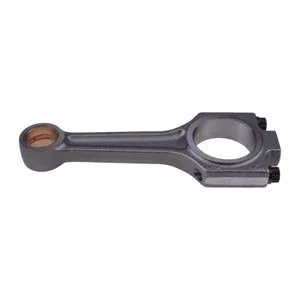
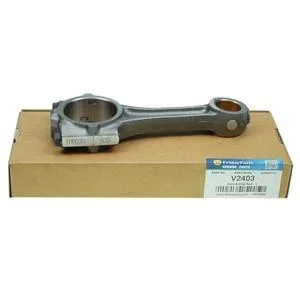
Connecting Rod 1G924-22014 | Overhaul Grade for Kubota V2003 V2203
View Details
Block & Internal Parts
Camshaft Holding Tool Kit EN-48383 EN-46105 for GM V6 – Service Part
View DetailsNeed a Custom Quote?
Our technical team responds within 24 hours. MOQ 1 piece. Ships to 120+ countries from our Guangzhou warehouse.