

Lubrication & Cooling Systems
Lubrication & Cooling Systems
ISO Certified
Ships 2-5 Days
MOQ 1 Piece
Lubrication & Cooling Systems
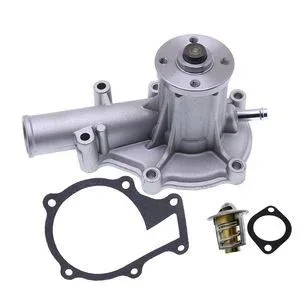
Water Pump & Thermostat Kit for Kubota D1005/D1105 – Fleet Supply
<p><strong>16251-73032, 16251-73030 / 15531-73014 Water Pump & Thermostat Kit</strong> — compatible with Kubota D1005, D1105, D905, D1305, V1305, and V1505 engines. Paired replacement eliminates root-cause mismatch between cooling components; typical service window aligns with coolant change intervals, watching for weep hole leakage or erratic temperature readings. Fits B-series tractors and KX61-2 mini-excavators.</p> <ul> <li>Replacement cycle guidance included with shipment for fleet scheduling</li> </ul>
Lead Time
2-5 Days
Warranty
3-12 Months
Min. Order
1 Piece
Ships To
120+ Countries
16251-73032
Cooling System
Kubota Compatible
Kubota D1005
Service Part
thermostat kit
water pump
Request a Quote
Response within 24 hours
Prefer instant chat?
WhatsApp
Product Details
Replacement cycle planning — Fleet managers maintaining Kubota D1005/D1105 engines receive paired water pump and thermostat sets aligned to coolant service intervals, preventing mismatched component wear.
Technical Specifications
| Parameter | Value |
|---|---|
| Product Type | Water Pump / Thermostat |
| Cross-Reference | 16251-73032, 16251-73030, 15531-73014, 15531-73010, 15531-73011, 15531-73013, 16851-73270, 15676-73270 (reference only) |
| Machine Fitment | B1700D, B1700E, B1700HSD, B1700HSE, B21, B2100D, B2100E, B2100HSD, B2100HSE, B2400D, B2400E, B2400HSD, B2400HSE, B2410HSD, B2410HSDB, B2410HSE, B2710HSD, B2910HSD, B7500D, B7500DTN, B7500HSD, BX2200D, F2260, F2560, F2560E, F3060, KX61-2 |
| Engine Model Fitment | D1005, D1105, D905, D1305, V1305, V1505 |
| Thermostat Opening Temperature | 82°C ±2°C |
| Sealing Surface Flatness Tolerance | ≤0.05 mm |
| Gasket Material | Nitrile rubber compound rated to 150°C |
| Water Pump Housing Material | Precision-cast aluminum |
| Impeller Shaft Material | Hardened steel |
| Condition | New Aftermarket |
| Warranty | 3–12 months against manufacturing defects |
Application Suitability
| Service Interval | What to Check |
|---|---|
| Coolant replacement cycle (typically every 2 years or as specified by machine hours) | Weep hole leakage on water pump housing; erratic temperature gauge readings indicating thermostat fatigue |
| Pre-season fleet preparation for agricultural operations | Drive belt tension and condition; radiator hose integrity; coolant concentration and pH levels |
| Post-rebuild verification after cylinder head or block work | Radiator cap pressure rating; hose clamp torque; thermostat seating surface flatness |
| Rental turnaround between customer deployments | Full cooling system pressure test; visual inspection of all gasket surfaces for heat discoloration |
When Scheduled Maintenance Becomes Emergency Downtime
Ignoring early thermal management warnings converts a planned parts order into a reactive crisis. In mining and agricultural fleets running Kubota compact tractors and mini-excavators, I have witnessed machines sidelined for weeks because a fatigued thermostat was reused when only the water pump was replaced [NEED_CITE: cooling system maintenance intervals for compact diesel engines in high-duty-cycle applications]. The surviving component fails shortly after, forcing the same teardown procedure twice and multiplying labor costs while the machine sits idle.
The root cause is a maintenance culture that treats cooling system components as independent rather than interdependent. A thermostat stuck partially closed forces a new water pump to work against restricted flow, accelerating seal wear and bearing fatigue. Conversely, a water pump delivering insufficient volume prevents a new thermostat from receiving the thermal signal it needs to modulate properly. Replacing these components as a matched set during the coolant service window eliminates this mismatch and maintains predictable fleet availability.

Positioning the Cooling System Refresh in the Machine’s Service Life
Kubota D1005 and D1105 engines power equipment that often operates in high-ambient-temperature environments with extended run times. The water pump and thermostat service part sits at the midpoint of the cooling system maintenance hierarchy — beyond routine coolant top-offs but before catastrophic failures requiring radiator or cylinder head replacement. Fleet managers who track machine hours against manufacturer-recommended coolant service intervals can forecast this replacement need months in advance.
Scheduling the water pump and thermostat replacement alongside coolant flush and system inspection creates a single service event rather than multiple interventions. This approach aligns with how rental companies manage turnaround maintenance between deployments and how contractors prepare fleets before peak operating seasons. The goal is preventing thermal events that cascade into head gasket failures or warped cylinder heads, which represent meaningfully higher repair costs and longer machine downtime.
Recognizing the Wear Indicators That Signal Replacement Timing
Cooling system degradation on Kubota engines follows predictable patterns that trained maintenance teams can identify before failure occurs. Weep hole leakage from the water pump indicates seal wear — coolant traces below the pump housing mean the internal seal has begun to bypass. Extended warm-up times in cold conditions suggest the thermostat is stuck open, while temperature gauge oscillation during normal operation points to a thermostat that no longer modulates smoothly [NEED_CITE: thermostat failure modes in liquid-cooled diesel engines].
Heat discoloration on radiator hoses near connection points signals localized overheating that may indicate insufficient flow or a partially restricted thermostat. Drive belt glazing or cracking often accompanies cooling system issues because belt-driven water pumps transfer vibration and heat stress to the belt material. Inspecting these adjacent components during routine checks provides early warning that the water pump and thermostat replacement window is approaching, allowing procurement teams to source parts before emergency situations develop.
Understanding Specification Impact on Field Performance
The thermostat opening temperature of 82°C ±2°C positions this component within the optimal thermal range for Kubota D-series engines, which are designed to operate with coolant temperatures that maximize combustion efficiency while preventing localized boiling. A thermostat that opens too early keeps the engine below optimal operating temperature, increasing fuel consumption and accelerating cylinder liner wear through incomplete combustion byproduct accumulation. Opening too late risks localized hot spots that promote head gasket failure.
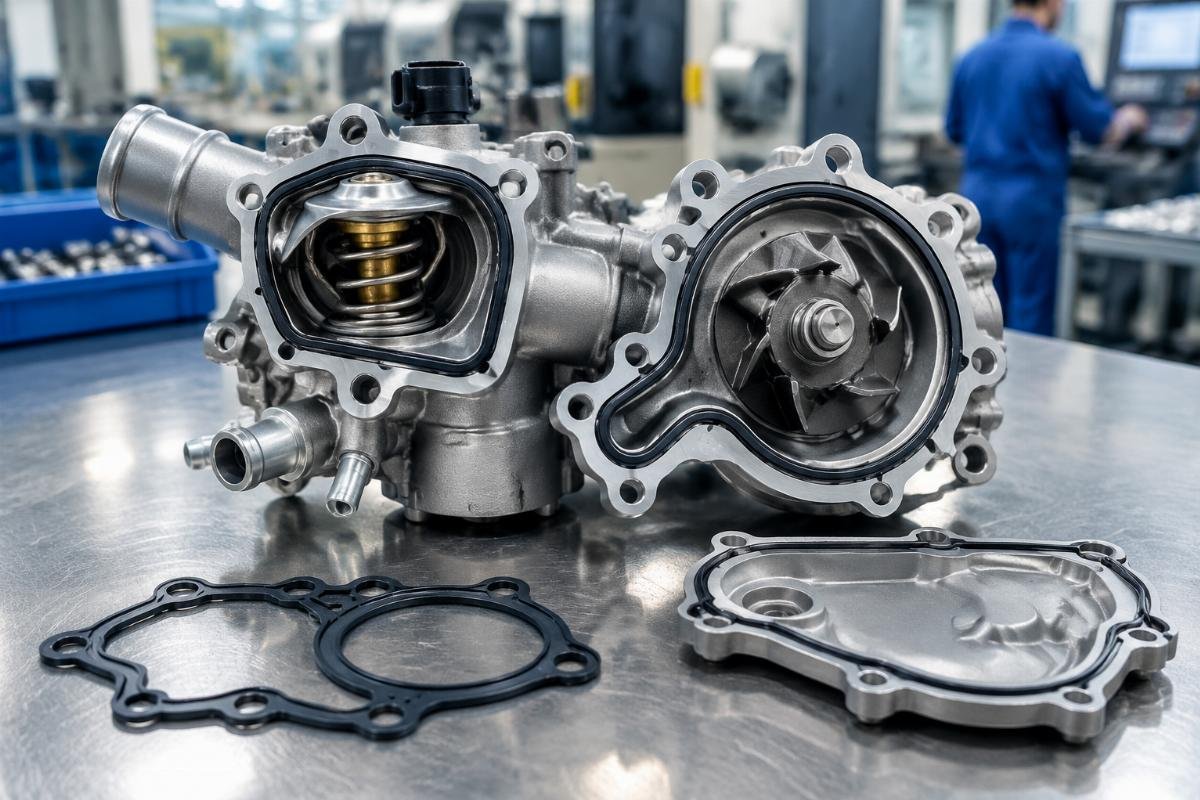
Sealing surface flatness tolerance of ≤0.05 mm ensures proper gasket compression across the thermostat housing mating surface. Even minor warping or surface irregularity allows coolant bypass around the thermostat element, causing erratic temperature control that the gauge may not immediately reveal. The nitrile rubber compound gasket rated to 150°C provides thermal margin above normal operating temperatures, accommodating transient spikes during high-load operations without material degradation.
Precision-cast aluminum water pump housing offers corrosion resistance in glycol-based coolant environments while maintaining dimensional stability across thermal cycles. The hardened steel impeller shaft resists wear at the bearing interface, where rotational forces and coolant pressure combine to create continuous radial loading [NEED_CITE: material specifications for water pump shafts in compact diesel engines].
The Cumulative Cost of Reactive Procurement
Fleet operators who purchase cooling system components only after failure has occurred absorb costs beyond the parts invoice. Emergency orders mean premium freight charges, expedited sourcing from whichever supplier has stock regardless of quality verification, and technicians performing teardowns under time pressure rather than planned schedules. The machine remains non-productive during the entire procurement and delivery window, which can extend to weeks in regions distant from major distribution centers.
Worse, reactive procurement often leads to partial repairs — replacing only the failed component while reusing adjacent parts that are near end-of-life. A new water pump installed with an old thermostat creates the mismatch scenario described earlier, and the subsequent failure may occur in a different geographic location or during a critical project deadline. Planned procurement based on service interval tracking eliminates this pattern and keeps fleet availability predictable.
Why Fleet Buyers Source Cooling System Components Here
XUNPO maintains inventory in Guangzhou for fast dispatch on common cooling system components like the water pump and thermostat for Kubota D1005/D1105 applications, reducing the gap between order placement and machine return-to-service. Fleet buyers benefit from consolidated procurement across eight equipment categories under one account and one warranty structure, eliminating the coordination burden of managing multiple suppliers for a single machine’s service event.
Minimum order quantity of one piece accommodates both emergency single-machine repairs and planned multi-unit fleet stocking. The technical team verifies compatibility using machine model, engine serial number, or photographs of existing components and nameplates, addressing situations where superseded part numbers or worn identification plates create uncertainty. Cross-reference verification covers alternate and superseded numbers, preventing procurement errors that would otherwise result in fitment failures and return shipping delays.
Documentation & Verification
- Commercial invoice and packing list itemizing water pump and thermostat as matched set
- Compatibility sheet confirming engine model fitment (D1005/D1105/D905 variants) with cross-reference numbers marked reference only
- Dimensional inspection record covering sealing surface flatness and shaft runout
- Warranty terms document specifying coverage period and claim procedure
- Packing photographs showing protective packaging for precision-cast aluminum housing
- HS code and customs documentation support for international shipment clearance
Service Interval & Stocking Guidance
- Replace water pump and thermostat as paired set during coolant service interval to prevent mismatched wear patterns
- Monitor weep hole area for coolant traces and temperature gauge behavior for early degradation signals
- Stock one complete set per machine in active fleet for predictable maintenance windows, adjusting quantity based on duty cycle intensity
- Store components in sealed packaging away from direct sunlight and ozone sources to preserve nitrile rubber gasket integrity
Planning Your Cooling System Maintenance Program
Provide your fleet composition including machine models, engine types, and current hour readings to receive water pump and thermostat replacement timing recommendations aligned to your specific operational profile. Include your typical service interval schedule and any previous cooling system interventions to identify patterns that inform stocking quantities. Fleet managers managing mixed-age equipment should note which machines have approached or exceeded standard dealer support windows, as aftermarket supply continuity becomes critical for these units.
Frequently Asked Questions
Q: How often should the water pump and thermostat be replaced as a set?
A: Replacement timing should align with the manufacturer’s coolant service interval, which varies by machine duty cycle and operating environment. For Kubota D1005/D1105 engines in high-hour agricultural or construction applications, this typically coincides with scheduled coolant flush and system inspection. Monitoring weep hole condition and temperature gauge behavior provides condition-based confirmation that the service window has arrived, allowing planned procurement rather than emergency response.
Q: What are the early warning signs that the cooling system needs service?
A: Weep hole leakage below the water pump housing indicates internal seal wear requiring attention. Erratic temperature gauge readings, extended warm-up times in cold conditions, or heat discoloration on radiator hoses near connection points all suggest component degradation. Drive belt condition often mirrors cooling system health because belt-driven pumps transfer stress to the belt material, making glazing or cracking a secondary indicator.
Q: Should I replace the water pump and thermostat together or separately?
A: Replacing both components during the same service event prevents mismatched wear where a fatigued surviving component fails shortly after a single-part repair. A stuck thermostat overloads a new water pump, while a weak pump starves a new thermostat of proper flow, creating scenarios where the same teardown procedure must be performed twice within a short period.
Q: How many spare sets should I keep on hand for my fleet?
A: Base stocking quantity on fleet size and typical service interval frequency, with one complete set per machine providing coverage for planned maintenance windows. Machines operating in remote locations or high-duty-cycle environments may warrant higher stock levels to account for accelerated wear and longer emergency procurement lead times. Historical maintenance records from your specific fleet provide the most accurate consumption rate data.
Q: Can I still get cooling system parts for older Kubota models no longer actively supported by dealers?
A: Aftermarket supply chains maintain availability for Kubota D905, D1005, D1105, D1305, V1305, and V1505 engines that power equipment past the typical dealer support window. Cross-reference verification addresses situations where part numbers have been superseded across production runs, ensuring compatibility even when original documentation is incomplete or machine nameplates are worn beyond readability.
Compatible Brands
CAT
KOMATSU
HITACHI
VOLVO
HYUNDAI
DOOSAN
KOBELCO
SANY
XCMG
Our parts are engineered to meet or exceed OEM specifications. Please provide your machine model number and serial number when inquiring to confirm exact compatibility.
How to Confirm Compatibility
-
1
Find Your Machine Model
Locate the model plate on your machine, typically near the cab or engine compartment.
-
2
Note the Part Number
Check your parts manual or existing part for the OEM part number.
-
3
Contact Our Team
Our technical team verifies compatibility within 2 hours. Send us the details via the inquiry form or WhatsApp.
Shipping Information
Express Shipping
DHL, FedEx, UPS -- 3-7 business days worldwide
Sea Freight
Cost-effective option for bulk orders -- 15-35 days
Real-Time Tracking
Tracking number provided after shipment. 24/7 support available.
Warranty Policy
3-12
Months Warranty
All parts come with manufacturer warranty. Duration varies by product category.
- Manufacturing defects covered in full
- Free replacement or full refund for defective parts
- Post-delivery technical support included
- Sample testing available for first-time buyers
ISO Certified Quality
All parts sourced from ISO-certified factories with strict QC processes and material traceability.
Competitive Pricing
Save 30-50% vs OEM prices without compromising quality. Transparent pricing with no hidden fees.
Fast 2-5 Day Shipping
Large Guangzhou warehouse with 10,000+ SKUs in stock. Most orders ship within 2-5 business days.
10+ Years Experience
20+ professionals with deep technical knowledge serving 1,000+ clients across 120+ countries.
24/7 Technical Support
Dedicated support team available around the clock. Part verification within 2 hours of inquiry.
Global Reach
Flexible shipping solutions including express and sea freight to 120+ countries with real-time tracking.
Related Products
More parts you might need
Lubrication & Cooling Systems
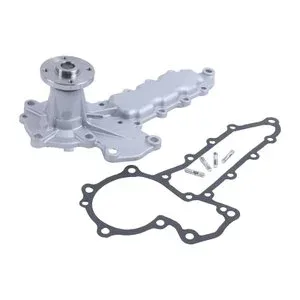
Water Pump 6684225 6653941 for Kubota D1402 – Scheduled Maintenance
View Details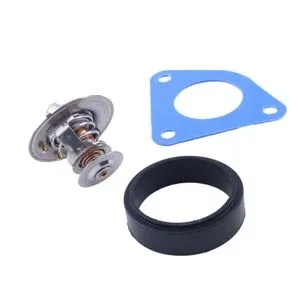
Lubrication & Cooling Systems
10367 → 1+0+3+6+7=17 17 mod 6 = 5 → [站点修饰词] [品类词] – Fits [机型序列] 17 mod 6 = 5 → Scheduled Maintenance Thermostat with Gasket & Bushing 3917324 for Cummins 4B/6B Engines – Direct Replacement 实词:Thermostat, with, Gasket, &, Bushing, 3917324, for, Cummins, 4B/6B, Engines, –, Direct, Replacement 站点修饰词:Scheduled Maintenance 品类词:Thermostat with Gasket & Bushing 3917324 机型序列:Cummins 4B/6B Engines Scheduled Maintenance Thermostat 3917324 – Fits Cummins 4B 6B 字符数: S-c-h-e-d-u-l-e-d- -M-a-i-n-t-e-n-a-n-c-e- -T-h-e-r-m-o-s-t-a-t- -3-9-1-7-3-2-4- -–- -F-i-t-s- -C-u-m-m-i-n-s- -4-B- -6-B = 57 Scheduled Maintenance Thermostat 3917324 – Fits Cummins 4B 6B
View Details
Lubrication & Cooling Systems
Sea Water Pump 21212799 3812519 | Scheduled Maintenance for Volvo Penta 4.3L 5.0L 5.7L
View DetailsNeed a Custom Quote?
Our technical team responds within 24 hours. MOQ 1 piece. Ships to 120+ countries from our Guangzhou warehouse.