

Engine Auxiliary Components
Wear Item Starter Motor AT318141 Compatible with Yanmar John Deere
<p><strong>AT318141 Starter Motor, 12V 15-Tooth Spline Drive</strong> — compatible with Yanmar and John Deere compact excavators including 30G, 35D, 35G, 50D, 50G, 312GR, 314G, 316GR, 317G, 318G, 184G, 204G, and 304G. As a predictable wear item in the engine auxiliary system, replacement planning around cranking cycle accumulation and environmental exposure reduces unplanned downtime across mixed fleets. Scheduled auxiliary audits and proactive stocking thresholds keep rental units rotating without emergency procurement delays. Fleet-level spare planning supported with replacement interval guidance supplied per order.</p>
Lead Time
2-5 Days
Warranty
3-12 Months
Min. Order
1 Piece
Ships To
120+ Countries
Request a Quote
Response within 24 hours
Product Details
Planned maintenance intervals — Starter replacement timing aligned with cranking cycle audits for Yanmar and John Deere compact fleets
Technical Specifications
| Parameter | Value |
|---|---|
| Part Number | AT318141 |
| Cross-Reference | AT318141 (reference only) |
| Product Type | Starter Motor |
| Machine Fitment | 30G, 35D, 35G, 50D, 50G, 312GR, 314G, 316GR, 317G, 318G, 184G, 204G, 304G |
| Brand Compatibility | Fits Yanmar and John Deere platforms |
| Voltage | 12 Volts |
| Teeth/Splines | 15 Teeth |
| Condition | New Aftermarket |
| Warranty | 3–12 months against manufacturing defects |
| Quality Standard | ISO 9001 |
Application Suitability
| Service Interval | What to Check |
|---|---|
| 1,500–2,000 cranking cycles | Pinion gear engagement surface wear and flywheel ring gear condition |
| Annual auxiliary system audit (high-dust or coastal sites) | Terminal corrosion, brush length, and solenoid response time |
| Machine approaching end of brand support window | Long-term starter stocking and cross-reference verification for superseded numbers |
| Fleet rotating through high-utilization contracts | Proactive spare stocking threshold based on units sharing the same Yanmar engine platform |
Why Fleets Replace This Starter Motor Too Late
Most no-crank events are preventable with scheduled auxiliary audits rather than reactive procurement.
I spent years handling warranty claims across Latin American mining and construction sites before moving into parts planning. The pattern was always the same: a machine goes down at the worst possible moment, the crew scrambles for an emergency replacement, and the project schedule cascades into delays. On a copper mine site in Chile, I saw a compact excavator fitted with a starter that had only its brushes replaced — nobody checked the circuit impedance or the flywheel ring gear. Three months later, the unit burned out again and the machine sat idle while the mine waited for a full assembly. [NEED_CITE: preventive maintenance scheduling for mobile equipment electrical systems]
A 12V Starter Motor service part like this one belongs in the planned maintenance category. Waiting until the operator turns the key and hears nothing turns what should be a scheduled swap into a crisis. For fleets running multiple John Deere 30G through 50G units or Yanmar 3TNV88F-equipped machines, stocking ahead of predictable consumption keeps the replacement decision on the maintenance team’s timeline rather than the breakdown crew’s.
Where the Starter Sits in the Machine’s Service Life
The starter motor on a Yanmar 3TNV88F or John Deere compact excavator is an auxiliary component that endures predictable wear tied directly to cranking cycle accumulation. Every cold start, every restart after an idle shutdown, and every failed cranking attempt due to a weak battery adds to brush wear, solenoid fatigue, and pinion surface degradation. In environments common across Latin American job sites — fine quarry dust, high humidity, coastal salt air — corrosion accelerates terminal and internal contact degradation well before the mechanical components reach their design limits. A 12V Starter Motor service part should be evaluated during each scheduled engine auxiliary audit, not deferred until the next no-crank event forces the issue.
Symptoms, Linked Wear, and the Case for Assembly Exchange
Operators and site supervisors often notice the early signs: slower cranking speed, a grinding noise during engagement, or intermittent solenoid clicks that resolve after a second key turn. These symptoms typically point to brush wear or pinion surface scoring, but the root cause may lie elsewhere. The flywheel ring gear that the 15-tooth pinion engages with accumulates its own wear profile, and a damaged ring gear tooth can destroy a new starter within weeks. [NEED_CITE: starter motor and flywheel ring gear interaction wear patterns in diesel engines] When the machine is older — a John Deere 30G or 50G well past its initial warranty window — replacing individual internal components like brushes or bushings rarely delivers lasting results. The sensible approach is a full assembly exchange, swapping the complete unit during a scheduled service interval and inspecting the ring gear engagement surface at the same time. This avoids the repeat failure cycle where a partially repaired starter fails again at the same location, triggering a second unplanned downtime event.
Reading the Specification Sheet for Field Decisions
The 12 Volt rating means this starter is designed for the standard electrical system on compact excavators in the 3-ton to 5-ton class, matching the Yanmar and John Deere platforms listed in the fitment table. The 15-tooth pinion must match the flywheel ring gear pitch exactly — a mismatch here means the pinion either fails to engage or partially meshes, causing tooth shearing under cranking torque. The new aftermarket condition ensures matched internal tolerances without the variability that comes from rebuilding a core with unknown service history. ISO 9001 manufacturing standards govern the production process, meaning dimensional checks and electrical performance tests are documented rather than assumed. For fleet planners, these specifications define the boundaries within which the 12V Starter Motor service part performs reliably — and the points at which a different solution, such as an upgraded cold-cranking unit for high-altitude mining sites, may be warranted.
The Cumulative Cost of Reactive Starter Procurement
When a fleet treats starter replacement as an emergency rather than a scheduled event, the costs compound in ways that do not appear on a single purchase order. The machine sits idle while procurement sources the part, the crew is reassigned or stands by, and the project timeline absorbs delays that ripple into subsequent tasks. For contractors running multiple units on the same Yanmar engine platform, the absence of even one spare starter on the shelf means every failure triggers the same scramble. I have seen rental companies lose entire contract weeks because a single no-crank event turned into a multi-day wait for delivery. [NEED_CITE: equipment downtime cost impact on construction project schedules] The pattern repeats: a fleet that stocks reactively always pays more in accumulated downtime than one that plans starter swaps around service intervals and keeps a calculated buffer on hand.
Sourcing That Supports Lifecycle Planning
Our own production lines and qualified sourced supply operate under one account with identical warranty terms, so whether your fleet needs one starter or a shelf replenishment, the quality commitment is consistent. Eight product categories mean a complete auxiliary system audit — starters, alternators, sensors, filters — consolidates into a single shipment rather than arriving from multiple vendors on different schedules. Minimum order starts at one piece, which matters when a single emergency unit is needed before a planned bulk order ships. Our Guangzhou warehouse maintains stock on fast-moving items for rapid dispatch to common destinations. Part identification works from a part number, a machine model, or even a photograph of a worn nameplate — useful when field conditions have obscured the original markings. Cross-reference verification covers superseded and alternate numbers, which is essential for older John Deere 30G and 50G units where original numbers may have been updated across production generations.
Documentation & Verification
- Commercial invoice and packing list referencing machine models for customs clearance
- Part compatibility and cross-reference sheet marked reference only for AT318141
- Quality inspection record covering voltage output and pinion engagement test
- Warranty terms document aligned with 3–12 month coverage for manufacturing defects
- Packing photographs showing terminal protection and cushioning before dispatch
- HS code and customs documentation support for international fleet shipments
Service Interval & Stocking Guidance
- Schedule replacement during engine auxiliary audits at regular cranking cycle intervals to avoid no-crank emergencies on Yanmar-equipped machines
- Inspect flywheel ring gear teeth each time the 15-tooth starter is removed, noting scoring or partial engagement marks
- Stock one spare unit per five machines sharing the same John Deere or Yanmar platform to cover typical failure rates without excess inventory
- Store in dry, temperature-stable conditions with terminal caps fitted to prevent corrosion before installation
Planning Your Starter Inventory
Provide your machine models, engine serial numbers, and current operating hours so we can map replacement intervals across your fleet. Sharing your utilization rates and site environment details — dust levels, altitude, coastal exposure — allows us to recommend stocking quantities that match your actual consumption pattern rather than generic guidelines.
Frequently Asked Questions
Q: How often should a starter motor be replaced under typical excavator duty cycles?
A: Replacement timing depends on cranking cycle accumulation rather than a fixed hour count. Machines in stop-start applications accumulate cycles faster than those running continuous shifts. We recommend evaluating the starter during each scheduled engine auxiliary audit and planning a full assembly exchange before brush wear reaches the solenoid limit.
Q: What symptoms indicate the starter is approaching end of service life?
A: Slower cranking speed, intermittent solenoid engagement, and grinding during pinion-to-ring-gear mesh all signal advancing wear. Corrosion on terminals in coastal or high-humidity environments accelerates electrical degradation. Any of these symptoms warrants scheduling a replacement at the next service window rather than waiting for a no-crank failure.
Q: Should I replace the starter alone or inspect the flywheel ring gear at the same time?
A: Always inspect the ring gear when the starter is removed. A worn or chipped ring gear tooth will damage a new 15-tooth pinion within weeks, triggering a repeat failure. Simultaneous inspection during a planned swap avoids the cost and downtime of a second removal.
Q: How many spare starters should a fleet keep on hand for a given machine count?
A: A practical threshold is one spare per five machines on the same Yanmar or John Deere platform. High-utilization fleets or those operating in remote areas with long delivery lead times should increase this buffer. We can map your specific consumption based on operating hours and site conditions.
Q: Are replacement starters still available for older John Deere 30G and 50G models?
A: Yes, aftermarket supply continues for these platforms even as brand support thins. Cross-reference verification confirms fitment across production generations where part numbers were superseded. We maintain compatibility records for older compact excavators to support long-term fleet planning.
Compatible Brands
Our parts are engineered to meet or exceed OEM specifications. Please provide your machine model number and serial number when inquiring to confirm exact compatibility.
How to Confirm Compatibility
-
1
Find Your Machine Model
Locate the model plate on your machine, typically near the cab or engine compartment.
-
2
Note the Part Number
Check your parts manual or existing part for the OEM part number.
-
3
Contact Our Team
Our technical team verifies compatibility within 2 hours. Send us the details via the inquiry form or WhatsApp.
Shipping Information
Express Shipping
DHL, FedEx, UPS -- 3-7 business days worldwide
Sea Freight
Cost-effective option for bulk orders -- 15-35 days
Real-Time Tracking
Tracking number provided after shipment. 24/7 support available.
Warranty Policy
All parts come with manufacturer warranty. Duration varies by product category.
- Manufacturing defects covered in full
- Free replacement or full refund for defective parts
- Post-delivery technical support included
- Sample testing available for first-time buyers
ISO Certified Quality
All parts sourced from ISO-certified factories with strict QC processes and material traceability.
Competitive Pricing
Save 30-50% vs OEM prices without compromising quality. Transparent pricing with no hidden fees.
Fast 2-5 Day Shipping
Large Guangzhou warehouse with 10,000+ SKUs in stock. Most orders ship within 2-5 business days.
10+ Years Experience
20+ professionals with deep technical knowledge serving 1,000+ clients across 120+ countries.
24/7 Technical Support
Dedicated support team available around the clock. Part verification within 2 hours of inquiry.
Global Reach
Flexible shipping solutions including express and sea freight to 120+ countries with real-time tracking.
Related Products
More parts you might need

Engine Auxiliary Components
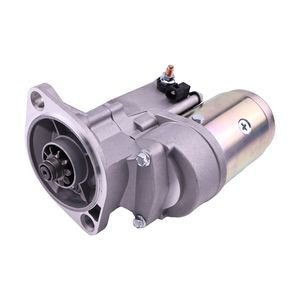
12V 10T 2.2KW Starter Motor 6670727 for Bobcat Excavators & Loaders
View Details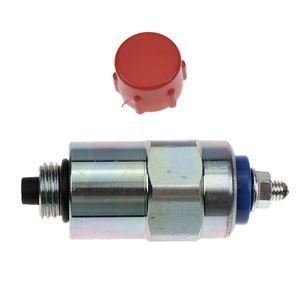
Engine Auxiliary Components
12V Fuel Shut-Off Solenoid J904630 for CASE & Cummins Engines
View Details
Engine Auxiliary Components
12V Stop Solenoid SBA185206083 – Scheduled Maintenance for Shibaura N844
View DetailsNeed a Custom Quote?
Our technical team responds within 24 hours. MOQ 1 piece. Ships to 120+ countries from our Guangzhou warehouse.