

Block & Internal Parts
Wear Item Valve Tappet 04165057 Compatible with Deutz TCD2.9 TCD3.6
<p><strong>Valve Tappet 04165057, Forged Steel, HRC 58–62</strong> — compatible with Deutz TCD2.9, TCD3.6, TD2.9L4 and related engine variants.</p> <ul> <li>Tappets wear predictably under repeated impact loading; replacing on schedule prevents secondary camshaft and valve guide damage</li> <li>Pair replacement with push rod and rocker arm inspection to extend valve train service life</li> </ul> <p>Scheduled service interval guidance included with shipment for your fleet maintenance records.</p>
Lead Time
2-5 Days
Warranty
3-12 Months
Min. Order
1 Piece
Ships To
120+ Countries
Request a Quote
Response within 24 hours
Product Details
Service Interval Planning — Valve tappet replacement scheduling aligned with Deutz TCD2.9 and TCD3.6 maintenance windows.
Technical Specifications
| Parameter | Value |
|---|---|
| Part Number | 04165057 |
| Product Type | Tappet |
| Cross-Reference | 04165057, 4165057, 04164676, 04139032, 04112032 (reference only) |
| Machine Fitment | TCD2.9, TCD3.6, TCD2.2L3, TCD2.9L4, TCD3.6L4, TD2.2L3, TD2.9L4, TD2009L4, TD3.6L4, D2.2L3, D2.9L4, D2008L4, D2009L3, D2009L4, G2.2L3 |
| Brand Compatibility | DEUTZ |
| Material | Forged Steel |
| Surface Treatment | Anti-rust phosphate coating |
| Assembly State | New Aftermarket |
| Standards | ISO 9001 |
| Warranty | 3–12 months against manufacturing defects |
| Minimum Order | 1 piece |
Application Suitability
| Service Interval | What to Check |
|---|---|
| Scheduled valve train service | Camshaft lobe profile and push rod end wear |
| Engine overhaul (top end) | Rocker arm pivot surfaces and valve guide clearance |
| High-hour fleet preventive rotation | Full tappet set replacement alongside gasket kit |
| Post-failure corrective maintenance | Secondary valve and seat damage from timing drift |
Why Tappet Wear Drives the Entire Valve Train Replacement Decision
Replacing tappets on a planned cycle prevents secondary damage that turns a minor service event into a full cylinder head overhaul.
In construction and quarry operations running Deutz TCD2.9 and TCD3.6 engines, tappets fail quietly. Operators rarely notice the progressive valve lash drift until a misfire appears or compression drops. By that point, the camshaft lobe has already suffered impact wear from the altered contact pattern, and the push rod may have developed a fatigue crack at the cup end. Fleet maintenance logs consistently show that reactive tappet replacement correlates with higher downstream parts consumption across the entire valve train assembly [NEED_CITE: preventive maintenance scheduling for high-cycle diesel valve trains].
The Valve Tappet service part + Deutz engine maintenance conversation shifts once you track wear across a fleet. Engines running similar duty cycles show predictable wear progression, which means you can standardize replacement intervals and stock matched sets rather than reacting to individual failures.
Where Tappets Sit in the TCD2.9 and TCD3.6 Service Life
These Deutz engines use a cam-in-block design with push rod actuation, placing the tappet at the highest-stress interface in the entire valve train. Every camshaft revolution drives the tappet through an impact-load cycle. Over thousands of operating hours, the hardened contact face gradually loses its profile, altering the valve timing event by fractions of a millimeter. This drift is cumulative and irreversible once it starts.
The Valve Tappet service part + Deutz engine maintenance cycle typically aligns with the second or third major service interval, depending on duty severity. Quarry haul trucks and demolition equipment operating under continuous high-load conditions will reach tappet wear limits sooner than standby generator sets running at steady state.
Wear Signs That Should Trigger a Scheduled Pull
The earliest reliable indicator is increasing valve lash that cannot be stabilized through adjustment alone. When a tappet face wears beyond its designed profile, the effective push rod length changes, and no amount of rocker arm adjustment compensates for the lost material. Secondary signs include a distinct tapping noise at idle that does not clear at higher RPM, and uneven compression readings across cylinders that do not correlate with ring or valve condition [NEED_CITE: diesel engine valve train wear diagnostics and failure modes].
A fleet operator who tracks these indicators can pull tappets during a planned downtime window rather than waiting for a valve-to-piston interference event. The cost difference between a scheduled tappet set replacement and an emergency cylinder head rebuild is substantial when you factor in machine downtime, secondary parts, and labor.
Material and Tolerance Considerations for Service Life
How Hardness and Coating Define Replacement Intervals
The forged steel construction provides the core structural integrity needed to withstand repeated impact loading without deformation. Surface hardness in the specified range ensures the contact face resists abrasive wear against the camshaft lobe through extended service intervals. The anti-rust phosphate coating serves a dual purpose: it protects the component during storage and provides a controlled break-in surface that reduces initial scuffing during the first hours of operation.
Dimensional tolerance on critical diameters directly affects oil film stability between the tappet body and its bore. Excessive clearance leads to tappet rotation irregularity and accelerated bore wear, while overly tight fitment can cause binding under thermal expansion. These tolerances must be verified against service manual specifications for each engine variant, as bore dimensions can differ across TCD2.9 and TCD3.6 production runs.
The Compounding Cost of Deferred Tappet Replacement
Fleet operators who defer tappet service until audible symptoms appear consistently face compounded repair scope. The worn tappet face transfers impact loading to the camshaft lobe, creating a pitting pattern that accelerates wear on the replacement tappet. This means the new part inherits a reduced service life from the damaged camshaft surface, creating a cycle of premature replacement that only resolves with a full camshaft exchange.
Beyond the camshaft, the altered valve timing from tappet wear affects combustion efficiency, increasing exhaust temperatures and accelerating valve guide wear. In our experience across珠三角 repair shops, engines pulled in for "valve noise" almost always require push rod and rocker arm inspection once the tappets are removed, because the fatigue damage propagates through the entire actuation chain [NEED_CITE: cascading failure patterns in push rod diesel valve trains].
Why Procurement Alignment Matters for Fleet Maintenance
Our supply structure supports fleet-level planning rather than emergency ordering. Selected production lines operate in our own facility alongside sourced components from ISO 9001-certified partners, all carrying identical warranty terms under one account. For tappets, this means you can consolidate your entire valve train service order — gaskets, seals, push rods, rocker arm components — into a single consignment with matched lead times.
The Guangzhou warehouse maintains stock on high-consumption service items for common Deutz variants, allowing planned maintenance orders to ship without extended lead times. Part identification is confirmed through engine serial number, machine model, or nameplate photograph, and our cross-reference verification covers superseded and alternate numbers to prevent ordering errors across TCD2.9 and TCD3.6 production generations.
Technical support is available for compatibility and grade confirmation before you commit to bulk quantities. For fleets standardizing service intervals across multiple machines, we can structure standing orders that align with your maintenance calendar.
Documentation & Verification
- Commercial invoice listing engine model and tappet quantity per line item
- Cross-reference sheet mapping alternate numbers (reference only) to your engine serial range
- Dimensional inspection record confirming bore fit and face profile before dispatch
- Warranty terms covering manufacturing defects for the stated coverage period
- Packing photographs showing protective separation between individual tappets
- HS code documentation for customs clearance in destination market
Service Interval & Stocking Guidance
- Align tappet replacement with camshaft lobe inspection at major service milestones
- Monitor valve lash adjustment frequency as an early indicator of face wear progression
- Stock one complete set per engine plus reserve units for high-hour fleet machines
- Store in original phosphate-coated condition until installation to preserve break-in surface
- Record tappet service date and machine hours to build fleet-specific replacement baselines
Planning Your Tappet Procurement for the Next Service Window
Provide your Deutz engine model variant, engine serial number, and current operating hours so we can confirm tappet fitment and recommend stocking quantities aligned with your maintenance schedule. If your fleet includes multiple TCD2.9 or TCD3.6 units at different service stages, share the serial range so we can verify cross-reference compatibility across all machines in a single order.
Frequently Asked Questions
Q: How often should valve tappets be replaced in TCD2.9 and TCD3.6 engines?
A: Replacement intervals depend on duty cycle and load profile rather than a fixed hour count. Engines in continuous high-load service such as quarry haul trucks and demolition equipment reach tappet wear limits sooner than standby generator sets running at steady state. Track valve lash adjustment frequency as a practical indicator; when adjustments no longer stabilize lash settings, the tappet face profile has worn beyond compensation and replacement is due.
Q: What signs indicate tappet wear before catastrophic valve train failure?
A: The earliest reliable indicator is valve lash that drifts between scheduled adjustments and cannot be held stable. Secondary signs include persistent tapping noise at idle that does not clear at operating RPM, and uneven compression readings across cylinders that cannot be attributed to ring or valve seating issues. These symptoms suggest the tappet contact face has worn beyond its designed profile.
Q: Should I replace individual tappets or the full set during scheduled service?
A: Replacing the full set ensures uniform wear progression across all cylinders and prevents the situation where a new tappet operates against a camshaft lobe already worn by its predecessor. Partial replacement is acceptable only if the remaining tappets show minimal wear and the camshaft lobe profile has been verified. Fleet standardization benefits from full-set replacement at consistent intervals.
Q: Can older Deutz engine models still get reliable aftermarket tappets?
A: Yes. Cross-reference verification covers superseded and alternate part numbers across TCD2.9, TCD3.6, and related Deutz engine families. Production generations may differ in bore dimensions or material specifications, so engine serial number confirmation is essential to ensure correct fitment. Supply continuity for aging engines is maintained through verified manufacturing partners.
Compatible Brands
Our parts are engineered to meet or exceed OEM specifications. Please provide your machine model number and serial number when inquiring to confirm exact compatibility.
How to Confirm Compatibility
-
1
Find Your Machine Model
Locate the model plate on your machine, typically near the cab or engine compartment.
-
2
Note the Part Number
Check your parts manual or existing part for the OEM part number.
-
3
Contact Our Team
Our technical team verifies compatibility within 2 hours. Send us the details via the inquiry form or WhatsApp.
Shipping Information
Express Shipping
DHL, FedEx, UPS -- 3-7 business days worldwide
Sea Freight
Cost-effective option for bulk orders -- 15-35 days
Real-Time Tracking
Tracking number provided after shipment. 24/7 support available.
Warranty Policy
All parts come with manufacturer warranty. Duration varies by product category.
- Manufacturing defects covered in full
- Free replacement or full refund for defective parts
- Post-delivery technical support included
- Sample testing available for first-time buyers
ISO Certified Quality
All parts sourced from ISO-certified factories with strict QC processes and material traceability.
Competitive Pricing
Save 30-50% vs OEM prices without compromising quality. Transparent pricing with no hidden fees.
Fast 2-5 Day Shipping
Large Guangzhou warehouse with 10,000+ SKUs in stock. Most orders ship within 2-5 business days.
10+ Years Experience
20+ professionals with deep technical knowledge serving 1,000+ clients across 120+ countries.
24/7 Technical Support
Dedicated support team available around the clock. Part verification within 2 hours of inquiry.
Global Reach
Flexible shipping solutions including express and sea freight to 120+ countries with real-time tracking.
Related Products
More parts you might need
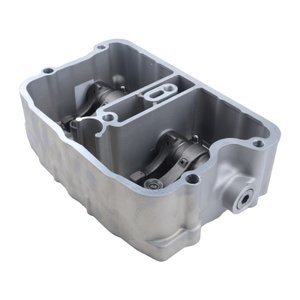


Block & Internal Parts
Connecting Rod Bearing 16241-22310 | Overhaul Grade for Kubota D1105
View Details
Need a Custom Quote?
Our technical team responds within 24 hours. MOQ 1 piece. Ships to 120+ countries from our Guangzhou warehouse.