
Engine Auxiliary Components

Engine Auxiliary Components
ISO Certified
Ships 2-5 Days
MOQ 1 Piece
Engine Auxiliary Components
Woodward-Compatible Stop Solenoid 1502-12A2U1B2 – Fleet Supply
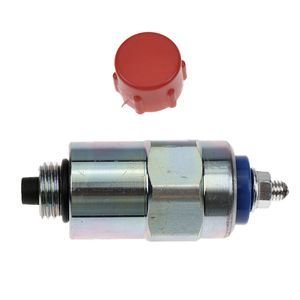
<p><strong>1502-12A2U1B2 Stop Solenoid, 12V, New Aftermarket</strong> — compatible with Woodward engine shutdown systems and cross-reference 1500-2114. This safety-critical component controls fuel cutoff, and early signs of degradation include sluggish shutdown response or intermittent starting faults. Replacing the solenoid at scheduled service intervals prevents runaway risk and avoids costly unplanned downtime across the fleet. Maintenance interval recommendations ship with every order.</p>
Lead Time
2-5 Days
Warranty
3-12 Months
Min. Order
1 Piece
Ships To
120+ Countries
12V
1500-2114
1502-12A2U1B2
Engine Auxiliary Components
Fleet Supply
stop solenoid
Woodward Compatible
Request a Quote
Response within 24 hours
Prefer instant chat?
WhatsApp
Product Details
Fleet Stocking Strategy — Engine shutdown safety components planned into preventive maintenance schedules for continuous fleet availability.
Technical Specifications
| Parameter | Value |
|---|---|
| Part Number | 1502-12A2U1B2 |
| Product Type | Stop Solenoid |
| Cross-Reference | 1500-2114 (reference only), 150212A2U1B2 (reference only), 15002114 (reference only) |
| Brand Compatibility | Compatible with Woodward engine systems |
| Machine Fitment | Models requiring stop solenoid 1502-12A2U1B2 or 1500-2114 |
| Voltage | 12V |
| Condition | New Aftermarket |
| Standards | ISO |
| Applications | Construction equipment, agricultural machinery, industrial generators |
| Warranty | 3–12 months against manufacturing defects |
Application Suitability
| Service Interval | What to Check |
|---|---|
| Annual preventive inspection | Solenoid coil resistance and actuator stroke response under load |
| Every 2,000 operating hours | Electrical connector corrosion, terminal tightness, and insulation integrity |
| Pre-overhaul teardown | Fuel shutoff linkage wear and solenoid mounting bracket alignment |
| Fleet rotation planning | Age-based replacement regardless of functional status for safety-critical units |
| Legacy equipment support | Wiring harness compatibility and voltage regulation stability |
Why Stop Solenoid Failures Derail Fleet Maintenance Schedules
Planned shutdown system maintenance prevents costly reactive scrambles when engines refuse to stop or start.
Fleet operators managing mixed-equipment pools across construction and mining sites encounter the same recurring problem: safety-critical electrical components are rarely included in preventive stocking lists until they fail. In my years sourcing for equipment fleets operating in Central Asian mining regions, I watched entire shift schedules collapse because a single engine shutdown component was unavailable. A stop solenoid is a safety-critical component in the engine shutdown system, and its absence from planned maintenance budgets means every failure becomes an emergency event [NEED_CITE: preventive maintenance planning standards for mobile equipment shutdown systems].
The pattern repeats across rental fleets and contractor operations. Maintenance teams replace obvious wear items on schedule but treat electrical controls as run-to-failure components. When a stop solenoid fails, the engine either cannot be shut down safely or refuses to start at all—both outcomes force unplanned downtime that cascades through project timelines. Proactive engine shutdown system maintenance requires treating this stop solenoid service part with the same stocking discipline applied to filters and seals.
Positioning Engine Shutdown Components in the Service Life Plan
The stop solenoid occupies a critical junction between the electrical control circuit and the fuel delivery system. Unlike consumables with visible wear indicators, this maintenance replacement degrades internally through coil insulation breakdown and plunger friction increases. Fleet maintenance programs that exclude shutdown system components from scheduled replacement intervals accept an unquantified operational risk. Treating the stop solenoid service part as a planned consumable rather than an emergency spare shifts maintenance from reactive to predictive.
Recognizing Degradation Before Total Failure Arrives
Early warning signs of stop solenoid degradation include intermittent slow cranking during shutdown sequences and occasional failure to energize on startup. These symptoms often get misattributed to battery condition or starter motor wear, delaying the actual diagnosis [NEED_CITE: electrical diagnostic procedures for diesel engine shutdown circuits]. In aging equipment fleets, the wiring harness insulation and connector terminals feeding the stop solenoid service part deteriorate alongside the component itself. Replacing the solenoid without inspecting the upstream electrical path leads to repeat failures within weeks. Proactive stocking allows maintenance teams to swap the unit during a scheduled service window rather than waiting for complete functional loss.
Voltage Characteristics and Connector Compatibility
The 12V rating of this stop solenoid defines its operating envelope within engine electrical systems that regulate between approximately 13.5 and 14.4 volts during alternator charging cycles. Coil resistance values determine current draw, and sustained operation outside design voltage generates excess heat in the winding insulation. Connector pin configuration must match the existing engine harness precisely—mismatched connector types force field modifications that compromise weather sealing. The ISO manufacturing standard applied here ensures dimensional consistency in mounting patterns and terminal positions across compatible Woodward engine platforms. Correct voltage specification and connector verification eliminate the most common fitment disputes during installation.
The Accumulated Cost of Reactive Shutdown System Purchasing
Every emergency order for a failed stop solenoid carries hidden expenses beyond the component itself. Expedited freight charges, operator idle time, project schedule penalties, and the administrative overhead of processing single-piece urgent purchases compound across a fleet’s operating year. Maintenance managers who reviewed their reactive spending patterns consistently discover that safety-critical electrical components represent a disproportionate share of emergency procurement costs [NEED_CITE: fleet maintenance cost analysis for unplanned electrical component failures]. The stop solenoid maintenance replacement is inexpensive relative to the downtime it prevents, yet it routinely gets omitted from forward stocking plans. Shifting to scheduled replacement based on operating hours or calendar intervals eliminates the emergency purchasing cycle entirely.
Sourcing Stop Solenoids Within a Structured Fleet Supply Account
Our Guangzhou facility maintains stock positions on high-demand engine auxiliary components including this 12V stop solenoid, allowing fleet planners to order against maintenance schedules rather than equipment failures. Production on selected part lines occurs in-house, while sourced supply from ISO-certified partners carries identical quality control protocols and warranty terms—both channels serve the same fleet account. Cross-reference verification covers superseded numbers like 1500-2114 (for identification purposes), ensuring legacy equipment receives correct fitment even when original manufacturer numbering has shifted. Minimum order starts at one piece, so pilot testing on a single machine before fleet-wide adoption requires no volume commitment. Technical confirmation of voltage, connector type, and mounting compatibility is available before purchase, reducing the risk of incorrect stocking decisions across mixed-equipment fleets.
Documentation & Verification
- Commercial invoice listing stop solenoid part number and cross-reference identifiers for customs clearance
- Compatibility sheet confirming fitment against specific Woodward engine serial ranges
- Quality inspection record documenting coil resistance and actuator stroke measurement
- Warranty terms specifying coverage period against manufacturing defects
- Packing photographs showing individual unit condition before dispatch
- HS code documentation for engine auxiliary electrical components
Service Interval & Stocking Guidance
- Schedule replacement during annual engine service to maintain shutdown system reliability
- Inspect electrical connectors and wiring insulation at each stop solenoid service part installation
- Stock one spare unit per ten engines in active fleet rotation to cover unpredictable failures
- Store solenoids in dry conditions away from temperature extremes to preserve coil insulation integrity
- Record operating hours at installation to build fleet-specific failure interval data over time
- Verify voltage regulator output during replacement to prevent premature coil degradation
Planning Your Fleet Shutdown System Requirements
Provide your equipment models, engine serial numbers, and current operating hour readings so we can confirm fitment and recommend stocking quantities aligned with your maintenance cycle. Fleet operators managing mixed-brand equipment benefit from submitting a consolidated list for cross-reference verification across the entire pool.
Frequently Asked Questions
Q: How frequently should a fleet inspect or replace the stop solenoid?
A: We recommend including the stop solenoid service part in annual preventive maintenance schedules or at 2,000 operating hour intervals, whichever arrives first. Electrical degradation is not always externally visible, so age-based replacement provides more reliable protection than condition-based assessment alone. Fleet operators managing safety-critical systems benefit from calendar-driven swaps to eliminate unquantified risk between service windows.
Q: What early warning signs indicate stop solenoid degradation?
A: Intermittent slow response during shutdown sequences and occasional startup hesitation typically indicate internal coil or plunger wear. These symptoms are frequently misdiagnosed as battery or starter issues. If your maintenance team notices inconsistent engine stopping behavior across similar units, systematic inspection of the shutdown circuit including the stop solenoid maintenance replacement is warranted before complete functional loss occurs.
Q: Should maintenance teams replace just the solenoid or the entire shutdown assembly?
A: Replace the stop solenoid service part individually when the mounting bracket and fuel linkage remain in good condition. If connector terminals show corrosion or the linkage shows visible wear, addressing the entire shutdown circuit prevents repeat failures. Fleet stocking plans should account for both scenarios by keeping solenoid units and associated hardware available.
Q: How many spare stop solenoids should a fleet keep in stock?
A: Fleet managers typically maintain one spare per ten active engines as a baseline for emergency coverage. Operations in remote locations with extended supply lead times should increase this ratio. Incorporating the stop solenoid maintenance replacement into scheduled service intervals reduces emergency demand and allows lower safety stock levels while maintaining continuous equipment availability.
Q: Is this stop solenoid still available for older Woodward engine platforms?
A: Yes, aftermarket production continues for legacy Woodward-compatible engines using cross-reference numbers like 1500-2114 (reference only) and 1502-12A2U1B2. Aging equipment past the period of direct manufacturer support relies on consistent aftermarket availability. Confirm your engine serial range before ordering to ensure connector configuration and mounting pattern compatibility with your specific installation.
Compatible Brands
CAT
KOMATSU
HITACHI
VOLVO
HYUNDAI
DOOSAN
KOBELCO
SANY
XCMG
Our parts are engineered to meet or exceed OEM specifications. Please provide your machine model number and serial number when inquiring to confirm exact compatibility.
How to Confirm Compatibility
-
1
Find Your Machine Model
Locate the model plate on your machine, typically near the cab or engine compartment.
-
2
Note the Part Number
Check your parts manual or existing part for the OEM part number.
-
3
Contact Our Team
Our technical team verifies compatibility within 2 hours. Send us the details via the inquiry form or WhatsApp.
Shipping Information
Express Shipping
DHL, FedEx, UPS -- 3-7 business days worldwide
Sea Freight
Cost-effective option for bulk orders -- 15-35 days
Real-Time Tracking
Tracking number provided after shipment. 24/7 support available.
Warranty Policy
3-12
Months Warranty
All parts come with manufacturer warranty. Duration varies by product category.
- Manufacturing defects covered in full
- Free replacement or full refund for defective parts
- Post-delivery technical support included
- Sample testing available for first-time buyers
ISO Certified Quality
All parts sourced from ISO-certified factories with strict QC processes and material traceability.
Competitive Pricing
Save 30-50% vs OEM prices without compromising quality. Transparent pricing with no hidden fees.
Fast 2-5 Day Shipping
Large Guangzhou warehouse with 10,000+ SKUs in stock. Most orders ship within 2-5 business days.
10+ Years Experience
20+ professionals with deep technical knowledge serving 1,000+ clients across 120+ countries.
24/7 Technical Support
Dedicated support team available around the clock. Part verification within 2 hours of inquiry.
Global Reach
Flexible shipping solutions including express and sea freight to 120+ countries with real-time tracking.
Related Products
More parts you might need
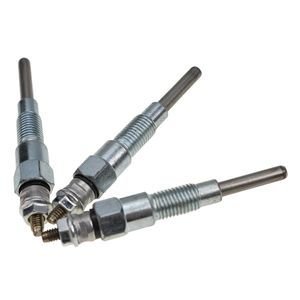
![[result]Glow Plug 8-98290-755-0 for Isuzu 4JJ1 4HK1 – Scheduled Maintenance[/result]](https://xunpomachinery.com/wp-content/uploads/2026/08/resultglow-plug-8-98290-755-0-for-isuzu-4jj1-4hk1-scheduled-maintenance-result-ae63e0.webp)
Engine Auxiliary Components
[result]Glow Plug 8-98290-755-0 for Isuzu 4JJ1 4HK1 – Scheduled Maintenance[/result]
View Details
Engine Auxiliary Components
12V Fuel Stop Solenoid Valve for Thermo King TK – Service Part
View DetailsNeed a Custom Quote?
Our technical team responds within 24 hours. MOQ 1 piece. Ships to 120+ countries from our Guangzhou warehouse.