
Belt Drive Systems
Yanmar 3TNV70-Compatible V-Belt MIU13962 – Fleet Supply
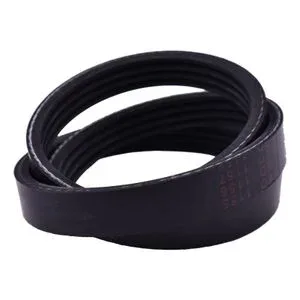
<p><strong>MIU13962 V-Belt, EPDM Rubber + Reinforced Polyester Cord</strong> — replacement for Yanmar 3TNV70 and John Deere XUV590E / XUV825M / XUV835R series utility vehicles.</p> <ul> <li>Continuous heat resistance up to 150°C (302°F) reduces thermal hardening over extended service intervals</li> <li>Typical wear progression: surface glazing → edge cracking → cord exposure, signaling planned replacement before snap</li> <li>Align belt swap with tensioner and pulley inspection to avoid premature re-failure</li> </ul> <p>Recommended replacement intervals and fleet stocking guidance ship with every order.</p>
Lead Time
2-5 Days
Warranty
3-12 Months
Min. Order
1 Piece
Ships To
120+ Countries
Request a Quote
Response within 24 hours
Product Details
Fleet Stocking Strategy — EPDM V-belts for Yanmar 3TNV70 and John Deere XUV platforms remain in steady aftermarket production, supporting long-term maintenance planning even as OEM channels thin for aging utility vehicle fleets.
Technical Specifications
| Parameter | Value |
|---|---|
| Part Number | MIU13962 |
| Product Type | Belt |
| Cross-Reference | MIU13962 (reference only) |
| Machine Fitment | Yanmar 3TNV70, John Deere XUV590E, XUV590i, XUV590M, XUV825E, XUV825M, XUV825I S4, XUV835E, XUV835M, XUV835R, UV72, 4X4, XUV590E S4, XUV590i S4, XUV590M S4, XUV825i, XUV825M S4 |
| Material | EPDM rubber with reinforced polyester cord |
| Temperature Resistance | Up to 150°C (302°F) continuous |
| Cord Type | Reinforced polyester |
| Flex Durability | 10,000+ flex cycles |
| Condition | New Aftermarket |
| Warranty | 3–12 months against manufacturing defects |
| MOQ | 1 piece |
| Standards | ISO 9001, ISO 14879-1 |
Application Suitability
| Service Interval | What to Check |
|---|---|
| Standard preventive maintenance cycle | Belt surface glazing, edge cracking, and cord exposure |
| Pre-season fleet inspection | Tensioner spring force and pulley alignment |
| Post-overhaul reassembly | Belt groove seating and tension specification |
| Rental turnaround between cycles | Full belt drive system condition including accessory pulleys |
| Aging machine continued-service review | Availability of replacement V-belt service part and related components |
Why Reactive Belt Replacement Costs More Than the Part Itself
A snapped V-belt service part shuts down every driven accessory — cooling fan, hydraulic pump, alternator — turning a scheduled swap into a cascade failure.
In quarry haul roads and demolition sites, I have watched utility vehicles sit idle for days because a worn belt finally broke under load, taking the tensioner and sometimes the water pump pulley with it. Fleet operators who treat the V-belt as a run-to-failure component end up paying for emergency logistics and compounding accessory repairs [NEED_CITE: predictive maintenance scheduling for mobile equipment belt drive systems]. The belt itself is inexpensive relative to the machine hours lost while waiting for a replacement to arrive.
Utility vehicle platforms like the John Deere XUV series and Yanmar 3TNV70 engines see continuous-duty operation in farming, port logistics, and construction support roles. These environments generate heat soak and particulate exposure that accelerate belt wear beyond standard service intervals. Operators running mixed fleets often discover that belt failure patterns cluster around specific machine models, making planned replacement a far more predictable maintenance strategy than waiting for visible damage.
Where the V-Belt Sits in the Machine’s Service Life
The V-belt occupies the front end of the belt drive system, transmitting crankshaft rotation to every engine-driven accessory. It is a predictable wear item — not a component that fails randomly. Recognizing its position in the maintenance hierarchy means scheduling replacement alongside related wear parts rather than treating it as an isolated consumable.
Fleet-level maintenance programs benefit from mapping belt replacement against engine service hours, aligning the V-belt service part swap with tensioner inspection and pulley bearing checks. This approach prevents the common scenario where a new belt is installed on a worn tensioner, causing premature re-failure within weeks of the original repair.
Reading Wear Progression Before Catastrophic Failure
Belt deterioration follows a recognizable sequence: surface glazing appears first as the rubber compound hardens from thermal cycling, followed by micro-cracking along the edges, and finally cord exposure where the reinforcing polyester strands become visible. Each stage provides a visible checkpoint for maintenance teams conducting walk-around inspections.
The EPDM compound in this V-belt resists thermal hardening over extended service intervals, maintaining groove contact and flexibility longer than standard natural rubber or SBR compounds [NEED_CITE: EPDM versus SBR belt compound thermal aging characteristics]. However, even heat-resistant materials reach end-of-life — the difference is that EPDM provides a longer and more predictable wear window, giving fleet supervisors more lead time to schedule replacement during planned downtime rather than reacting to a roadside failure.
For aging John Deere XUV platforms that have accumulated significant service hours, pulley groove wear and tensioner spring fatigue become contributing factors. A belt that appears worn may actually be the symptom of a degraded tensioner no longer maintaining correct tracking force, which means replacing the belt alone addresses the visible symptom without correcting the underlying condition.
Material Selection and What It Means for Continuous-Duty Operation
The EPDM rubber compound provides continuous thermal resistance up to 150°C (302°F), which matters directly in engine compartments where ambient under-hood temperatures climb during sustained load operation. Standard rubber compounds begin hardening and losing elasticity at lower thermal thresholds, leading to the glazing and edge cracking that signal premature end-of-life.
Reinforced polyester cord carries the tensile load across the belt span. Unlike nylon cord, which absorbs moisture and stretches under humid operating conditions, polyester maintains dimensional stability, keeping belt tension within specification across varying climate conditions. This matters for fleets operating in tropical mining camps or coastal port yards where humidity fluctuates seasonally.
The flex durability rating of 10,000+ cycles indicates the belt can withstand repeated engagement and load variation without measurable elongation. For utility vehicles that cycle between idle and full-load operation — such as XUV825M units used in material handling — this flex resistance prevents the gradual stretching that causes belt slip and accessory underperformance.
The Hidden Cost of Skipping Scheduled Belt Replacement
When a V-belt service part fails unexpectedly, the immediate cost is the belt and the labor to install it. The secondary costs accumulate quickly: an overheated engine from a non-functional cooling fan, a dead battery from an alternator no longer driven, hydraulic system contamination from a pump that cavitates when its drive belt snaps under load.
Fleet operators who defer belt replacement until visible failure often find that the tensioner has also exceeded its service life, requiring a second downtime event shortly after the first repair [NEED_CITE: cascading component failure patterns in belt drive systems]. This reactive cycle means the same machine returns to the workshop twice for what could have been addressed in a single planned maintenance window.
For rental companies turning over utility vehicles between customer cycles, an undetected worn belt creates a liability exposure — the next renter inherits a component near end-of-life, and the failure occurs under their operation, triggering warranty disputes and customer dissatisfaction. Proactive belt replacement during turnaround eliminates this risk entirely.
Why Source This Component Through XUNPO
Our own production lines and qualified sourcing partners operate under a single quality and warranty framework, so whether this V-belt service part ships from our facility or a certified partner, the inspection standard and warranty terms remain identical.
Eight product categories under one account means a fleet maintenance order covering belts, filters, seal kits, and undercarriage components consolidates into a single shipment with matching dispatch timelines. This eliminates the scenario where the belt arrives but the tensioner is still on backorder from a different supplier.
Minimum order of one piece supports both emergency single-unit replacement and planned fleet-wide stocking programs. Guangzhou warehouse inventory on common belt drive items enables fast dispatch for high-demand fitments. Our technical team confirms machine model and engine serial compatibility before dispatch, catching variant differences that cross-reference tables alone may not resolve.
Documentation & Verification
- Commercial invoice listing MIU13962 cross-reference and machine compatibility
- Belt drive system cross-reference sheet with Yanmar and John Deere fitment notes
- Dimensional and visual inspection record before dispatch
- Warranty terms covering manufacturing defects for 3–12 months
- Packing photographs confirming belt condition and quantity at shipment
- HS code and customs documentation support for international freight
Service Interval & Stocking Guidance
- Schedule V-belt service part replacement during planned maintenance windows aligned with engine hour intervals
- Inspect belt surface for glazing, edge cracking, and cord exposure during each walk-around check
- Stock quantity should reflect fleet size plus one additional unit per machine model for contingency coverage
- Store replacement belts in dry, temperature-stable conditions away from direct sunlight and ozone sources
Planning Your Next Belt Drive Maintenance Cycle
Provide your fleet composition including machine models and approximate engine service hours. Our technical team can map recommended replacement intervals for the V-belt service part and associated belt drive components, then build a stocking proposal that aligns with your maintenance calendar and operational uptime targets.
Frequently Asked Questions
Q: How often should this V-belt be replaced under typical operating conditions?
A: Replacement intervals depend on engine hours, ambient temperature, and duty cycle severity. Continuous-duty applications in high-heat environments like quarry operations accelerate wear compared to intermittent use. We recommend aligning belt replacement with scheduled engine service intervals and confirming timing based on your specific machine model and operating conditions. Our technical team can provide interval guidance matched to your fleet’s duty profile.
Q: What are the early warning signs that the belt needs replacement?
A: Surface glazing indicates the EPDM compound is hardening from thermal cycling. Edge micro-cracking signals the next stage of deterioration. Visible cord exposure means the belt has reached end-of-life and should be replaced immediately. Regular walk-around inspections during fuel stops or shift changes catch these stages early, allowing planned replacement before catastrophic failure shuts down driven accessories.
Q: Should the tensioner and pulleys be replaced at the same time?
A: The tensioner and pulleys should be inspected every time the V-belt service part is replaced. A worn tensioner that no longer maintains correct tracking force will cause premature failure of the new belt. Pulley groove wear and bearing play should also be checked. Replacing only the belt without addressing degraded adjacent components often results in a second downtime event within a short period.
Q: How many belts should I keep in stock for my fleet?
A: We recommend stocking at least one replacement belt per machine model in your fleet, plus additional units for models operating in severe conditions or high-utilization roles. Fleet supervisors managing mixed John Deere XUV and Yanmar 3TNV70 platforms should account for variant differences within model series. Our team can build a stocking plan matched to your fleet size and operational requirements.
Q: Can I still get supply support for older Yanmar and John Deere models?
A: Aftermarket production for the V-belt service part covering Yanmar 3TNV70 and John Deere XUV platforms remains active, even as OEM channel availability thins for aging machines. We maintain cross-reference verification that covers superseded and alternate part numbers, ensuring correct fitment for older serial ranges. Fleet operators supporting machines past typical brand-dealer inventory horizons can rely on continued supply through our sourcing network.
Compatible Brands
Our parts are engineered to meet or exceed OEM specifications. Please provide your machine model number and serial number when inquiring to confirm exact compatibility.
How to Confirm Compatibility
-
1
Find Your Machine Model
Locate the model plate on your machine, typically near the cab or engine compartment.
-
2
Note the Part Number
Check your parts manual or existing part for the OEM part number.
-
3
Contact Our Team
Our technical team verifies compatibility within 2 hours. Send us the details via the inquiry form or WhatsApp.
Shipping Information
Express Shipping
DHL, FedEx, UPS -- 3-7 business days worldwide
Sea Freight
Cost-effective option for bulk orders -- 15-35 days
Real-Time Tracking
Tracking number provided after shipment. 24/7 support available.
Warranty Policy
All parts come with manufacturer warranty. Duration varies by product category.
- Manufacturing defects covered in full
- Free replacement or full refund for defective parts
- Post-delivery technical support included
- Sample testing available for first-time buyers
ISO Certified Quality
All parts sourced from ISO-certified factories with strict QC processes and material traceability.
Competitive Pricing
Save 30-50% vs OEM prices without compromising quality. Transparent pricing with no hidden fees.
Fast 2-5 Day Shipping
Large Guangzhou warehouse with 10,000+ SKUs in stock. Most orders ship within 2-5 business days.
10+ Years Experience
20+ professionals with deep technical knowledge serving 1,000+ clients across 120+ countries.
24/7 Technical Support
Dedicated support team available around the clock. Part verification within 2 hours of inquiry.
Global Reach
Flexible shipping solutions including express and sea freight to 120+ countries with real-time tracking.
Related Products
More parts you might need


Need a Custom Quote?
Our technical team responds within 24 hours. MOQ 1 piece. Ships to 120+ countries from our Guangzhou warehouse.