
Engine Auxiliary Components

Engine Auxiliary Components
ISO Certified
Ships 2-5 Days
MOQ 1 Piece
Engine Auxiliary Components
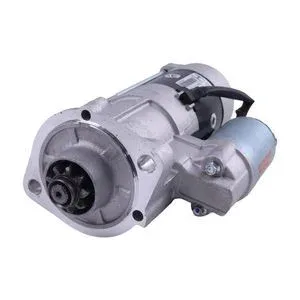
12V Starter Motor 25-098-11 for Kohler Engines – Service Part
<p><strong>25-098-11 Starter Motor</strong>, 12V, 0.8 kW output, 10-tooth CCW rotation — replacement for Kohler CH12.5-CH26, CV12.5-CV26, CH620-CH1000, CV624-CV730 engine platforms in construction, agricultural and generator applications.</p> <ul> <li>Cranking performance typically degrades through brush wear and solenoid fatigue; scheduled replacement before full failure avoids reactive downtime across fleet operations</li> <li>Inspect flywheel ring gear teeth and mounting hardware during starter service to address root causes rather than symptoms alone</li> <li>Recommended replacement intervals and maintenance planning guidance provided with shipment for long-term fleet support</li> </ul>
Lead Time
2-5 Days
Warranty
3-12 Months
Min. Order
1 Piece
Ships To
120+ Countries
12V starter
25-098-11
CCW Rotation
Kohler Compatible
Service Part
starter motor
Request a Quote
Response within 24 hours
Prefer instant chat?
WhatsApp
Product Details
Fleet Stocking Ready — Replacement cycles mapped for Kohler CH and CV series so fleet planners keep the right starter on the shelf before cranking performance drops.
Technical Specifications
| Parameter | Value |
|---|---|
| Part Number | 25-098-11 |
| Product Type | Starter Motor |
| Cross-Reference | 25-098-11-S, 2509811, 2509811S, 128000-7480, 1280007480 (reference only) |
| Machine Fitment | CH12.5-CH26, CV12.5-CV26, CH620-CH1000, CV624-CV730 |
| Voltage | 12V |
| Power Output | 0.8 kW |
| Teeth | 10 |
| Rotation | CCW |
| Condition | New Aftermarket |
| Warranty | 3-12 months |
| Quality Standard | ISO 9001 |
Application Suitability
| Service Interval | What to Check |
|---|---|
| 1,500–2,500 operating hours | Brush length, solenoid engagement, terminal corrosion |
| Annual fleet maintenance audit | Cranking voltage drop, ring gear tooth condition |
| Pre-season commissioning (agricultural) | Battery health, wiring harness integrity, mounting bolt torque |
| Rental turnaround between contracts | Starter current draw, pinion gear engagement depth |
| Storage reactivation after extended idle | Solenoid freedom, moisture ingress at terminal caps |
Why a 12V Starter Motor Maintenance Service Part Fails Before Anyone Notices
Cranking slowdown is the first measurable signal, yet most fleets replace only after a no-start event.
A starter motor sits at the boundary between electrical and mechanical systems, and its degradation follows a predictable curve that fleet maintenance schedules can capture. Brush wear, solenoid contact erosion, and pinion gear fatigue accumulate silently across hundreds of cranking cycles. By the time the operator reports slow cranking, internal damage may already extend to the commutator and armature windings [NEED_CITE: starter motor failure mode progression in small diesel engines]. The 12V Starter Motor 25-098-11 addresses this by fitting the same mounting pattern and electrical interface as the units installed on Kohler CH and CV series engines, allowing planned replacement during scheduled downtime rather than emergency response.
Where This Starter Sits in the Equipment Service Life
Kohler CH and CV engines power a wide range of construction, agricultural, and industrial machinery, from skid steers to generator sets. These platforms often accumulate operating hours in demanding conditions where vibration, dust, and thermal cycling accelerate electrical component aging. A 12V Starter Motor maintenance service part becomes relevant once the machine passes its initial warranty period and enters the phase where wear-item budgeting matters. Fleet operators managing mixed Kohler-powered equipment find that standardizing on a single starter reference across CH12.5 through CH26 and CV624 through CV730 platforms simplifies inventory and reduces the risk of stocking the wrong variant.
Wear Progression and the Decision Between Single-Component and System-Level Attention
Brush depletion in a starter motor of this class typically manifests as intermittent engagement before reaching complete failure. Solenoid contacts erode with each cranking cycle, increasing resistance and reducing the current available to the armature. When a fleet maintenance team decides to replace the starter, the adjacent inspection points — flywheel ring gear tooth condition, battery cable terminal integrity, and ground strap continuity — should receive attention simultaneously [NEED_CITE: starting system diagnostic checklist for industrial engines]. Replacing only the starter while ignoring a worn ring gear tooth pattern invites premature failure of the new unit, as the pinion gear encounters irregular engagement surfaces on every subsequent start attempt.
Reading the Specifications That Matter in the Field
The 0.8 kW output rating reflects the torque available to overcome engine compression during cranking. For Kohler engines in the CH620-CH1000 range, adequate cranking speed is essential for ignition timing and fuel delivery synchronization. The 10-tooth pinion gear engages the flywheel ring gear at a specific ratio, and CCW rotation matches the engine’s designed cranking direction. Voltage at 12V aligns with standard mobile equipment electrical systems, though actual cranking voltage under load should remain above the threshold specified by the engine manufacturer to ensure reliable engagement [NEED_CITE: SAE cranking circuit voltage requirements for off-road equipment].
The Hidden Cost of Reactive Starter Replacement
Fleet operators who treat starter motors as run-to-failure components accumulate downtime costs that extend beyond the machine itself. A skid steer that will not start on a Monday morning delays the entire crew. A generator set that fails to crank during a power outage compromises the site it was meant to protect. The cumulative effect across a mixed fleet is measurable in lost production hours and emergency freight charges for replacement parts. Planning 12V Starter Motor maintenance service part procurement around known service intervals converts unpredictable failures into scheduled maintenance events, preserving machine availability and crew productivity.
Procurement Advantages for Fleet Maintenance Planners
Stock from our Guangzhou warehouse covers common Kohler starter references for fast dispatch when a fleet audit reveals depleted shelf inventory. Part identification works from the engine model alone — our technical team cross-references CH and CV serial ranges to confirm fitment before the order ships. Minimum order of one unit means a single emergency replacement does not require a bulk commitment, while fleet-wide stocking orders consolidate under one account with unified warranty terms. Sample supply supports fitment verification on older Kohler platforms where nameplate data may be incomplete or superseded.
Documentation & Verification
- Commercial invoice listing 25-098-11 with Kohler engine compatibility notes
- Cross-reference sheet mapping 128000-7480 and variant numbers as reference only
- Quality inspection record covering pinion gear tooth count and rotational direction
- Warranty terms specifying coverage period from dispatch date
- Packing photographs confirming protective packaging before crate closure
- HS code documentation supporting customs clearance for international fleet spares
Service Interval & Stocking Guidance
- Inspect starter cranking performance at each major Kohler engine service event
- Stock one 25-098-11 per three to five machines sharing CH or CV platforms
- Monitor brush length and solenoid engagement during annual electrical audits
- Store in dry conditions with terminal caps fitted to prevent contact corrosion
- Record cranking cycle counts where telematics data is available
Requesting a Quotation
Provide the Kohler engine model and serial number, or the machine type and approximate manufacture year, so our team can confirm the correct starter variant. For fleet stocking requests, share the number of machines on each Kohler platform to receive a consolidated maintenance supply proposal.
Frequently Asked Questions
Q: How many cranking cycles typically precede starter replacement on Kohler engines?
A: Brush and solenoid wear depend on operating environment and cranking duration per start. Engines in stop-start applications accumulate cycles faster than continuously running units. Inspect at scheduled service intervals and replace when cranking speed drops below specification or engagement becomes intermittent.
Q: What symptoms distinguish starter degradation from battery failure?
A: Battery failure shows as uniform voltage drop under load with slow cranking. Starter degradation often presents as intermittent engagement, grinding noise from the pinion gear, or normal cranking speed followed by sudden no-start events. Load testing both components clarifies the root cause.
Q: Should the flywheel ring gear be inspected during every starter replacement?
A: Yes. A worn or damaged ring gear tooth pattern causes irregular pinion engagement and accelerates wear on the new starter. Visual inspection through the starter mounting opening or during clutch service reveals tooth condition before the new unit is installed.
Q: How many starter units should a mixed Kohler fleet keep in stock?
A: For fleets operating multiple machines on CH12.5-CH26 or CV624-CV730 platforms, stocking one to two units per platform group covers most unplanned replacement needs. Adjust based on machine age, operating hours, and criticality of each unit to site operations.
Q: Are these starters still available for discontinued Kohler engine models?
A: Aftermarket production continues for widely installed platforms even after the original engine series is discontinued. Compatibility with CH and CV serial ranges is confirmed through cross-reference verification, supporting older equipment past the manufacturer’s parts availability window.
Compatible Brands
CAT
KOMATSU
HITACHI
VOLVO
HYUNDAI
DOOSAN
KOBELCO
SANY
XCMG
Our parts are engineered to meet or exceed OEM specifications. Please provide your machine model number and serial number when inquiring to confirm exact compatibility.
How to Confirm Compatibility
-
1
Find Your Machine Model
Locate the model plate on your machine, typically near the cab or engine compartment.
-
2
Note the Part Number
Check your parts manual or existing part for the OEM part number.
-
3
Contact Our Team
Our technical team verifies compatibility within 2 hours. Send us the details via the inquiry form or WhatsApp.
Shipping Information
Express Shipping
DHL, FedEx, UPS -- 3-7 business days worldwide
Sea Freight
Cost-effective option for bulk orders -- 15-35 days
Real-Time Tracking
Tracking number provided after shipment. 24/7 support available.
Warranty Policy
3-12
Months Warranty
All parts come with manufacturer warranty. Duration varies by product category.
- Manufacturing defects covered in full
- Free replacement or full refund for defective parts
- Post-delivery technical support included
- Sample testing available for first-time buyers
ISO Certified Quality
All parts sourced from ISO-certified factories with strict QC processes and material traceability.
Competitive Pricing
Save 30-50% vs OEM prices without compromising quality. Transparent pricing with no hidden fees.
Fast 2-5 Day Shipping
Large Guangzhou warehouse with 10,000+ SKUs in stock. Most orders ship within 2-5 business days.
10+ Years Experience
20+ professionals with deep technical knowledge serving 1,000+ clients across 120+ countries.
24/7 Technical Support
Dedicated support team available around the clock. Part verification within 2 hours of inquiry.
Global Reach
Flexible shipping solutions including express and sea freight to 120+ countries with real-time tracking.
Related Products
More parts you might need

Engine Auxiliary Components
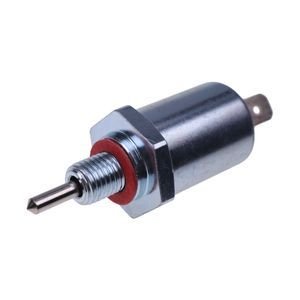
Scheduled Maintenance Shut Off Solenoid M138477 – Fits John Deere 325
View Details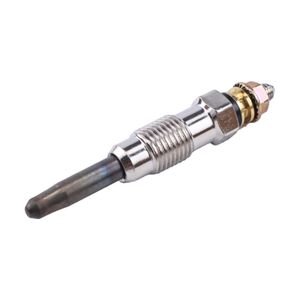
Engine Auxiliary Components
Glow Plug H1 655 for Lombardini Kohler Deutz Engines – 12.5V Fast-Start Replacement
View DetailsNeed a Custom Quote?
Our technical team responds within 24 hours. MOQ 1 piece. Ships to 120+ countries from our Guangzhou warehouse.