

Belt Drive Systems
REM F-1345 Fan Belt for Excavator Tractor Mower – Scheduled Maintenance
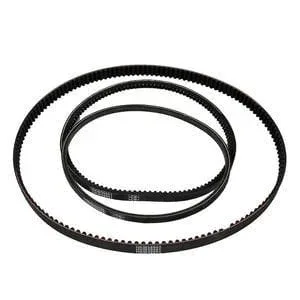
<p><strong>REMF-1345 Fan Belt for Excavator, Tractor & Mower cooling systems</strong> — replacement for Mitsuboshi REMF-1345 (cross-reference), precision-molded rubber with reinforced cord.</p> <ul> <li>Fan belts are scheduled wear items — cracking, glazing, or squealing signal replacement before a snap strands the machine and halts a job site.</li> <li>Plan preventive replacement intervals by operating hours to avoid reactive downtime across a mixed fleet.</li> </ul> <p>Replacement interval guidance sheet included with shipment to support your fleet maintenance planning.</p>
Lead Time
2-5 Days
Warranty
3-12 Months
Min. Order
1 Piece
Ships To
120+ Countries
Request a Quote
Response within 24 hours
Product Details
Fleet Stocking Plans — Keeping a predictable inventory of REMF-1345 fan belts across mixed fleets prevents reactive purchasing when a cooling system fails mid-shift.
Technical Specifications
| Parameter | Value |
|---|---|
| Part Number | REMF-1345 |
| Cross-Reference | REMF-1345, REMF1345 (for identification purposes only) |
| Product Type | Belt |
| Application | Engine cooling systems for excavators, tractors, and mowers |
| Brand | FridayParts |
| Condition | New Aftermarket |
| Material | Precision-molded rubber compounding with reinforced cord structure |
| Standards | ISO |
| Warranty | 3–12 months against manufacturing defects |
Application Suitability
| Service Interval | What to Check |
|---|---|
| Every 1,000 operating hours or annually | Inspect REMF-1345 belt for cracking, glazing, and edge fraying |
| Every 2,000 operating hours or at major service | Replace belt and verify tensioner and pulley alignment |
| Pre-season inspection for agricultural equipment | Check belt condition before peak usage periods for tractors and mowers |
| Older legacy machines with thinning brand support | Confirm continued supply availability and cross-reference interchange compatibility |
Predictable Wear Demands a Scheduled Approach to Fan Belt Service Part Replacement
A snapped fan belt does not just stop an engine — it risks overheating damage that multiplies repair cost and downtime.
Running a mixed fleet of excavators, tractors, and mowers on reactive parts purchasing means fan belt failures shut down equipment at the worst possible moment. I have watched a拉美-based contractor lose weeks of grading work because a single REMF-1345 belt was not in stock locally, turning a planned consumable replacement into thousands in lost productivity. Fleet operators who treat fan belt service part maintenance as a scheduled line item avoid these cascading losses entirely [NEED_CITE: preventive maintenance scheduling standards for mobile construction equipment].
Where This Belt Sits in the Machine’s Service Life
The REMF-1345 fan belt belongs to the engine cooling system’s front-end drive group. It transfers crankshaft rotation to the cooling fan and often to the alternator or water pump depending on the engine layout. As a high-wear consumable, this fan belt service part has a finite and predictable lifespan determined by heat exposure, tension cycling, and environmental contamination. Recognizing its position in the service life cycle means replacing it on schedule rather than waiting for visible failure.
Wear Progression Signals and Coordinated Replacement
Rubber-compounded belts like the REMF-1345 follow a recognizable wear progression. Early signs include surface micro-cracking on the ribbed or smooth face, followed by glazing from sustained slip, and finally edge cord separation or complete tensile failure. When replacing this fan belt service part, inspect the tensioner spring force, pulley bearing play, and adjacent belt condition simultaneously. Replacing only the belt while ignoring a weak tensioner leads to premature re-failure. I have seen fleet operators who coordinate belt drive component replacement at each major service interval extend belt life meaningfully across their entire machine roster [NEED_CITE: belt drive system inspection procedures for heavy-duty diesel engines].
Material Specification and Operating Environment
The precision-molded rubber compounding with reinforced cord structure is designed for the thermal and mechanical demands of construction and agricultural engine bays. Rubber hardness and compound formulation determine resistance to heat aging from sustained high-load operation. The reinforced cord carries tensile load without stretching beyond the pulley engagement tolerance. Oil contamination from minor engine leaks accelerates rubber degradation, making regular visual inspection during oil change intervals a practical checkpoint. These material characteristics define the realistic service window for each fan belt service part in the field.
The Cumulative Cost of Reactive Belt Purchasing
Fleet operators who purchase belts only after failure accumulate hidden costs across every machine. A single unplanned belt replacement means the machine sits idle while sourcing happens, the technician shifts from scheduled work to emergency response, and the engine may have sustained heat damage during the failure event. Over a fleet of mixed excavators and tractors, these reactive events compound into measurable annual productivity loss. Planning fan belt service part consumption as a budgeted inventory line removes this cumulative drain [NEED_CITE: total cost of ownership analysis for consumable replacement parts in fleet operations].
Why Source This Belt Through a Lifecycle-Oriented Supplier
Our selected production lines and qualified sourced supply carry identical QC and warranty terms, so you know what to expect regardless of origin. Eight product categories under one account means your belt drive components, filters, and seal kits ship in a single consignment. Minimum order starts from one piece for emergency needs, yet volume pricing applies when you stock ahead. Guangzhou warehouse inventory supports fast dispatch on common items like the REMF-1345. Our technical team confirms machine model compatibility and advises on stocking quantities for your specific fleet mix.
Documentation & Verification
- Commercial invoice and packing list matching REMF-1345 quantities and batch references
- Part compatibility sheet listing verified machine models for cross-reference identification
- Quality inspection record covering dimensional checks and visual defect screening
- Warranty terms document specifying coverage period and claim procedure
- Packing photographs confirming belt condition and packaging integrity before dispatch
- HS code and customs documentation support for international belt shipments
Service Interval & Stocking Guidance
- Replace the REMF-1345 fan belt service part at manufacturer-recommended hour intervals or at first sign of surface cracking
- Inspect belt tension and pulley alignment during every engine oil change to catch early wear signals
- Stock a minimum of two belts per machine model in your fleet to cover one in-service replacement and one emergency spare
- Store belts in a cool, dry environment away from direct sunlight and ozone sources to preserve rubber compound integrity
- Review stocking levels seasonally for agricultural machines that see concentrated usage during planting and harvest periods
- Flag older machine models in your fleet to verify continued belt supply availability before OEM support phases out
Requesting a Lifecycle Supply Proposal
Provide your fleet machine models, approximate operating hours, and current belt replacement frequency. We will map the REMF-1345 against your roster, confirm compatibility across serial ranges, and propose a stocking quantity that covers your maintenance calendar without over-committing inventory.
Frequently Asked Questions
Q: How often should fan belts be replaced in heavy-duty service?
A: Replacement intervals depend on operating hours, ambient temperature, and engine load profile. Most manufacturers specify inspection at every service interval and replacement at defined hour milestones or when visual cracking and glazing appear. For excavators and tractors in continuous duty, proactive replacement before visible failure prevents overheating risk and unplanned downtime.
Q: What other components should be inspected or replaced at the same time?
A: When replacing the fan belt service part, check the tensioner spring or hydraulic damper, all pulley bearings for axial play, and any adjacent belts sharing the same drive path. Worn tensioners cause new belts to slip and fail prematurely. Coordinated replacement of the entire belt drive group at major service intervals delivers better long-term reliability than single-component swaps.
Q: Should I replace just the belt or the entire belt drive assembly?
A: If the tensioner and pulleys are within service limits, belt-only replacement is appropriate. However, when the machine approaches a major overhaul interval or shows signs of bearing wear, replacing the complete drive assembly prevents repeat failures. Fleet operators often alternate between belt-only and full-assembly services based on accumulated hours.
Q: How many belts should I keep in stock for a fleet of mixed machines?
A: A practical baseline is two belts per machine model — one for scheduled replacement and one for unexpected failure. Machines operating in remote sites or harsh environments benefit from higher stock levels. Seasonal equipment like mowers should be stocked ahead of peak usage to avoid supply delays during critical work windows.
Q: Can I still get replacement belts for older, discontinued machine models?
A: Aftermarket supply often continues well beyond OEM support discontinuation. Cross-reference identification using the original part number and machine model allows matching compatible replacements like the REMF-1345. We verify fitment against serial ranges and can supply samples for confirmation before you commit to bulk stocking.
Compatible Brands
Our parts are engineered to meet or exceed OEM specifications. Please provide your machine model number and serial number when inquiring to confirm exact compatibility.
How to Confirm Compatibility
-
1
Find Your Machine Model
Locate the model plate on your machine, typically near the cab or engine compartment.
-
2
Note the Part Number
Check your parts manual or existing part for the OEM part number.
-
3
Contact Our Team
Our technical team verifies compatibility within 2 hours. Send us the details via the inquiry form or WhatsApp.
Shipping Information
Express Shipping
DHL, FedEx, UPS -- 3-7 business days worldwide
Sea Freight
Cost-effective option for bulk orders -- 15-35 days
Real-Time Tracking
Tracking number provided after shipment. 24/7 support available.
Warranty Policy
All parts come with manufacturer warranty. Duration varies by product category.
- Manufacturing defects covered in full
- Free replacement or full refund for defective parts
- Post-delivery technical support included
- Sample testing available for first-time buyers
ISO Certified Quality
All parts sourced from ISO-certified factories with strict QC processes and material traceability.
Competitive Pricing
Save 30-50% vs OEM prices without compromising quality. Transparent pricing with no hidden fees.
Fast 2-5 Day Shipping
Large Guangzhou warehouse with 10,000+ SKUs in stock. Most orders ship within 2-5 business days.
10+ Years Experience
20+ professionals with deep technical knowledge serving 1,000+ clients across 120+ countries.
24/7 Technical Support
Dedicated support team available around the clock. Part verification within 2 hours of inquiry.
Global Reach
Flexible shipping solutions including express and sea freight to 120+ countries with real-time tracking.
Related Products
More parts you might need


Need a Custom Quote?
Our technical team responds within 24 hours. MOQ 1 piece. Ships to 120+ countries from our Guangzhou warehouse.