

Block & Internal Parts
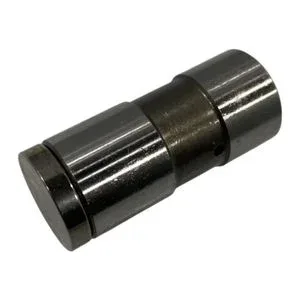
Block & Internal Parts
ISO Certified
Ships 2-5 Days
MOQ 1 Piece
Block & Internal Parts
Valve Tappet 04165057 for Deutz TCD2.9/TCD3.6 – Service Part
<p><strong>Valve Tappet 04165057, Forged Alloy Steel</strong> — replacement for Deutz TCD2.9, TCD3.6, TD2.2L3 and related engine series. Valve tappets define the wear boundary of the valve train; lash drift during routine checks signals the unit is past its service window. Plan replacement at scheduled intervals rather than reacting to cam lobe or push rod damage from deferred service.</p> <ul> <li>Fits TCD2.9L4, TCD3.6L4, TD2009L4, D2009L4 and additional Deutz variants</li> <li>Hardened contact face with phosphate anti-corrosion treatment</li> <li>Suggested service intervals and replacement guidance provided with shipment</li> </ul>
Lead Time
2-5 Days
Warranty
3-12 Months
Min. Order
1 Piece
Ships To
120+ Countries
04165057
Deutz TCD2.9
Deutz TCD3.6
Forged Alloy Steel
Service Part
valve tappet
Request a Quote
Response within 24 hours
Prefer instant chat?
WhatsApp
Product Details
Replacement intervals mapped — Tappet service windows for TCD2.9 and TCD3.6 series engines defined against typical operating hours so fleet planners can stage inventory before wear forces unscheduled stops.
Technical Specifications
| Parameter | Value |
|---|---|
| Part Number | 04165057 |
| Product Type | Tappet |
| Cross-Reference | 04165057, 4165057, 04164676, 04139032, 04112032 (reference only) |
| Machine Fitment | Deutz TCD2.9, TCD3.6, TCD2.2L3, TCD2.9L4, TCD3.6L4, TD2.2L3, TD2.9L4, TD2009L4, TD3.6L4, D2.2L3, D2.9L4, D2008L4, D2009L3, D2009L4, G2.2L3 |
| Material | Forged alloy steel |
| Surface Treatment | Anti-corrosion phosphate coating |
| Hardness | HRC 58–62 |
| Contact Face Flatness Tolerance | ≤0.005 mm |
| Stem Surface Finish | Ra ≤0.4 μm |
| Condition | New Aftermarket |
| Warranty | 3–12 months against manufacturing defects |
| MOQ | 1 piece |
| Standards | ISO 9001, ISO 683-17 |
Application Suitability
| Service Interval | What to Check |
|---|---|
| 1,500–2,000 hours | Valve lash drift on TCD2.9 and TCD3.6 engines — measure clearance deviation at rocker arm |
| Scheduled overhaul | Cam lobe wear pattern and push rod end condition paired with tappet contact face |
| Rental turnaround between contracts | Full valve train inspection including tappet stem surface for scoring |
| Legacy engine continued service | Cross-reference verification for superseded tappet numbers on older Deutz builds |
| Fleet-wide preventive maintenance cycle | Stocking quantity aligned to cylinder count across TCD2.2L3 through TCD3.6L4 variants |
Why Valve Lash Drift Signals More Than Routine Adjustment Needs
A tappet that has worn past its service boundary will keep throwing lash out of spec no matter how many times you adjust it.
In my years working with mining fleets across Chile and Peru, I have watched maintenance crews chase persistent valve clatter on Deutz-powered excavators and loaders, adjusting clearance only to have it drift again within fifty hours. The real cause is usually a Valve Tappet service part maintenance replacement that has been deferred well past its window. When the hardened contact face wears unevenly or the stem develops scoring, no amount of rocker adjustment compensates for the lost geometry. Fleet operators who treat lash drift as a warning rather than a nuisance avoid the cascade into cam lobe damage [NEED_CITE: valve train wear progression indicators in medium-displacement diesel engines].
Where the Tappet Sits in the Engine Service Life
Every Deutz TCD series engine relies on the tappet as the first mechanical link between the camshaft and the valve. It translates rotational cam profile into the linear motion that opens and closes intake and exhaust valves. Over thousands of hours, the contact face and stem endure repeated impact loading and sliding friction. The tappet occupies a predictable position in the engine lifecycle: it is not a lifetime component, nor is it a high-frequency consumable like a filter. It belongs to the mid-life service category — parts that fail silently and then cause expensive secondary damage when ignored.
Recognizing Wear Before It Becomes a Shutdown Event
Tappet degradation follows a pattern that experienced fleet maintenance teams learn to read. Early stage shows as gradual lash increase requiring more frequent adjustment. Mid-stage presents as audible valve clatter that returns shortly after each adjustment session. Late stage brings measurable loss of valve lift, incomplete combustion, and elevated exhaust temperatures on affected cylinders. When you observe these symptoms across multiple machines in a fleet running similar duty cycles, it indicates a batch replacement is approaching. Planning the Valve Tappet service part maintenance replacement at the mid-stage indicator keeps the machines on scheduled service rather than reactive breakdown response [NEED_CITE: preventive maintenance scheduling for fleet diesel valve trains].
Reading the Specifications That Matter in Service
The forged alloy steel construction provides the core strength to withstand repeated impact from the cam lobe without deformation. Forging aligns the grain structure along the load path, which matters when the tappet face receives thousands of high-force contacts per hour of engine operation. The phosphate coating serves a dual role during installation and early break-in: it provides corrosion protection during storage and acts as a mild lubricant during the first running hours before full oil film establishes on the contact surfaces.
The contact face flatness tolerance of ≤0.005 mm ensures uniform load distribution across the cam lobe interface. A face that deviates beyond this range concentrates stress on a small area, accelerating wear on both the tappet and the cam lobe it rides against. The stem surface finish at Ra ≤0.4 μm governs how the tappet slides within its bore — a rougher finish would generate scoring on the bore wall and increase oil consumption past the guide. These specifications directly determine whether the part reaches its intended service interval or requires premature attention.
The Cost of Treating Tappets as an Afterthought
When a fleet operator waits for audible valve clatter to order replacement tappets, the typical scenario involves a machine already showing performance loss. By the time the part arrives and installation is scheduled, the worn tappet has often damaged the matching cam lobe. What should have been a tappet swap now requires camshaft replacement or regrinding, push rod replacement, and potentially valve seat work. The cumulative downtime extends from a planned half-day service event into a multi-day engine teardown [NEED_CITE: secondary damage costs from deferred valve train maintenance in mobile equipment].
Fleet-level impact compounds when this pattern repeats across several machines. A rental company that services Deutz-powered telehandlers and compact loaders between contracts may find that unplanned valve train repairs consume turnaround windows, pushing equipment availability into the next rental cycle. Contractors managing aging quarry crushers powered by legacy Deutz engines face even thinner margins for error, as replacement parts for older engine variants already carry longer procurement lead times.
Why Maintenance Planners Source This Part Here
Own production on selected tappet lines and qualified sourced supply for the remainder operate under one account and one warranty, so a fleet stocking order covers all Deutz engine variants without splitting accountability across multiple vendors. Eight product categories mean the valve cover gaskets, rocker arm components, and push rods needed alongside the tappets ship in a single consignment, eliminating split freight and staggered arrivals. Minimum order from one piece supports emergency single-machine repairs as well as full-fleet preventive stocking. Guangzhou warehouse stock on common Deutz tappet references allows fast dispatch for the highest-volume engine series. Part identification from machine model alone — even when nameplates are worn or painted over in quarry dust — ensures the correct tappet variant reaches the right engine build. Cross-reference verification covering superseded numbers like 04164676 and 04139032 catches interchange errors before parts ship.
Documentation & Verification
- Commercial invoice and packing list referencing tappet part number and quantity per engine variant
- Compatibility and cross-reference sheet listing verified interchange numbers marked as reference only
- Dimensional inspection record confirming contact face flatness and stem diameter within tolerance
- Warranty terms covering manufacturing defects for the stated service period
- Packing photographs documenting protective separation preventing stem and face damage in transit
- HS code classification and customs documentation for international fleet supply shipments
Service Interval & Stocking Guidance
- Inspect valve lash at intervals recommended for your specific Deutz engine series and duty cycle
- Measure lash deviation trend — consistent increase across adjustments indicates tappet face wear approaching replacement threshold
- Stock tappet sets matching cylinder count for each engine variant in your fleet plus one spare set
- Store in original phosphate-coated condition, protected from moisture and contact damage to the face and stem
- Track operating hours per machine to anticipate replacement windows across the fleet simultaneously
- Pair tappet orders with valve cover gasket sets and rocker adjustment hardware for complete service events
Planning Your Next Tappet Service Event
Provide your fleet’s Deutz engine models, approximate operating hours, and the last recorded valve lash measurements. I will cross-reference the correct tappet variant for each engine build and recommend stocking quantities aligned to your maintenance calendar, ensuring parts are on shelf before wear indicators reach the replacement threshold.
Frequently Asked Questions
Q: How often should valve tappets be inspected on Deutz TCD2.9 and TCD3.6 engines?
A: Valve lash should be measured at every scheduled service interval specified for your engine series. When lash drift requires adjustment more frequently than the standard interval, the tappet contact face is likely wearing. At that point, plan a replacement during the next available maintenance window rather than continuing to adjust. Consistent drift across multiple cylinders signals a batch replacement is due.
Q: What symptoms indicate a tappet has passed its service life?
A: The primary indicators are valve clatter that returns shortly after adjustment, measurable lash increase between service intervals, and loss of valve lift on affected cylinders. In advanced wear, you may notice incomplete combustion or elevated exhaust temperature on specific cylinders. These symptoms confirm the tappet face geometry has degraded beyond what rocker adjustment can compensate for.
Q: Should I replace the tappet alone or overhaul the full valve train?
A: If the tappet has been running past its service window, inspect the matching cam lobe and push rod end for wear patterns. When the cam lobe shows visible scoring or profile change, replacing only the tappet risks rapid re-wear against the damaged cam surface. For engines approaching major overhaul intervals, replacing the complete valve train assembly as matched sets is often more economical than staging individual component replacements.
Q: How many tappets should I stock per machine for a maintenance cycle?
A: Stock one complete set matching the cylinder count of each engine variant in your fleet. For a TCD3.6L4, that means four tappets per engine. Fleet planners running multiple identical machines often add one spare set to cover unexpected failures between planned service events. This quantity supports both scheduled batch replacement and individual emergency swaps.
Q: Can I still get replacement tappets for older Deutz engine models?
A: Many legacy Deutz engines including the D2008L4 and D2009 series remain in active service across mining and construction fleets. Cross-reference numbers for these older builds have often been superseded through multiple revisions. We verify current part compatibility against your specific engine serial number and build variant, ensuring correct fitment even when original catalog references have been retired.
Compatible Brands
CAT
KOMATSU
HITACHI
VOLVO
HYUNDAI
DOOSAN
KOBELCO
SANY
XCMG
Our parts are engineered to meet or exceed OEM specifications. Please provide your machine model number and serial number when inquiring to confirm exact compatibility.
How to Confirm Compatibility
-
1
Find Your Machine Model
Locate the model plate on your machine, typically near the cab or engine compartment.
-
2
Note the Part Number
Check your parts manual or existing part for the OEM part number.
-
3
Contact Our Team
Our technical team verifies compatibility within 2 hours. Send us the details via the inquiry form or WhatsApp.
Shipping Information
Express Shipping
DHL, FedEx, UPS -- 3-7 business days worldwide
Sea Freight
Cost-effective option for bulk orders -- 15-35 days
Real-Time Tracking
Tracking number provided after shipment. 24/7 support available.
Warranty Policy
3-12
Months Warranty
All parts come with manufacturer warranty. Duration varies by product category.
- Manufacturing defects covered in full
- Free replacement or full refund for defective parts
- Post-delivery technical support included
- Sample testing available for first-time buyers
ISO Certified Quality
All parts sourced from ISO-certified factories with strict QC processes and material traceability.
Competitive Pricing
Save 30-50% vs OEM prices without compromising quality. Transparent pricing with no hidden fees.
Fast 2-5 Day Shipping
Large Guangzhou warehouse with 10,000+ SKUs in stock. Most orders ship within 2-5 business days.
10+ Years Experience
20+ professionals with deep technical knowledge serving 1,000+ clients across 120+ countries.
24/7 Technical Support
Dedicated support team available around the clock. Part verification within 2 hours of inquiry.
Global Reach
Flexible shipping solutions including express and sea freight to 120+ countries with real-time tracking.
Related Products
More parts you might need


Block & Internal Parts
Crankshaft Seal 04102866 for Deutz DL2011L – Scheduled Maintenance
View Details
Need a Custom Quote?
Our technical team responds within 24 hours. MOQ 1 piece. Ships to 120+ countries from our Guangzhou warehouse.