
Engine Auxiliary Components
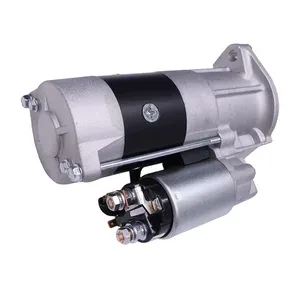
12V 9T Starter Motor 25-39476-00 for Carrier CT4-134DI – Service Part
<p><strong>12V 9T Starter Motor 25-39476-00 for Carrier CT4-134DI</strong> — replacement for transport refrigeration units including Genesis, X2, X4, and ULTRA series.</p> <ul> <li>Built for frequent start-stop cycles and high-vibration cold chain environments</li> <li>Watch for extended cranking time or rising electrical draw as wear indicators</li> <li>Plan fleet-level stocking across multiple Carrier models to avoid cargo-risk downtime</li> <li>Inspect battery, alternator, and wiring alongside starter replacement for full system reliability</li> <li>Replacement interval guidance and quality inspection records ship with every order</li> </ul>
Lead Time
2-5 Days
Warranty
3-12 Months
Min. Order
1 Piece
Ships To
120+ Countries
Request a Quote
Response within 24 hours
Product Details
Lifecycle Coverage — replacement scheduling and spares planning supported across Carrier cold chain fleet operations
Technical Specifications
| Parameter | Value |
|---|---|
| Part Number | 25-39476-00 |
| Product Type | Starter Motor |
| Cross-Reference | 25-39476-00, 25-39476-00SV, 253947600, 253947600SV (reference only) |
| Machine Fitment | Genesis 1000, Genesis TM900, Extra XT, ULTRA XL, ULTRA XT, ULTRA XTC, Ultima XTC, Vector 8600MT, X2 1800, X2 2100, X2 2100A, X2 2100R, X2 2500A, X2 2500R, X4 6600 MT, X4 7500 |
| Voltage | 12V |
| Pinion Teeth | 9T |
| Insulation Class | Class H (rated to 180°C) |
| Pinion Gear Material | SAE 1045 steel, induction-hardened to 58–62 HRC |
| Brush Material | Copper-graphite composite |
| Bore Diameter Tolerance | ±0.01 mm |
| Flange Face Runout | < 0.03 mm |
| Surface Treatment | Zinc-nickel plating (8–12 μm) |
| Max Electrical Draw | 280A at 10°C |
| Balance Standard | ISO 1940-1 |
| Operating Temperature Range | –25°C to +55°C |
| Condition | New Aftermarket |
| Warranty | 3–12 months against manufacturing defects |
| MOQ | 1 piece |
| Standards | ISO 9001, ISO 1940-1 |
Application Suitability
| Service Interval | What to Check |
|---|---|
| Every major service cycle on Carrier CT4-134DI units | Battery health, alternator output, cable integrity alongside starter motor condition |
| High start-cycle transport refrigeration routes | Brush wear depth, pinion gear tooth condition, solenoid engagement consistency |
| Aging Genesis and X2 series units approaching OEM support limits | Starting system draw under load, cranking speed, thermal behavior after repeated starts |
| Lease turnaround for rental fleet operators | Full starter motor bench test, flange face runout verification, mounting bolt torque confirmation |
When Fleet Downtime Traces Back to a Starter Motor Nobody Stocked
A single failed starter motor on a Carrier refrigeration unit can strand an entire load of temperature-sensitive cargo.
Fleet operators managing dozens of Carrier CT4-134DI Tier 4 units often discover that the Starter Motor service part maintenance for Carrier CT4-134DI was never written into the preventive maintenance schedule. The unit runs fine through hundreds of start-stop cycles at distribution centers and port terminals, then fails during a high-frequency weekend dispatch run when the cargo is most vulnerable. I have watched repair teams pull apart a starting system at two in the morning only to find the brushes worn past minimum thickness and the pinion gear chipped on one tooth — problems that would have been caught with a planned inspection interval. [NEED_CITE: transport refrigeration unit preventive maintenance scheduling practices]
Where This Starter Motor Sits in the Unit Service Life
The starter motor is a front-of-life component in any transport refrigeration unit. It bears the mechanical and electrical load every time the Carrier engine fires, accumulating wear in direct proportion to start-cycle frequency rather than calendar time. On cold chain routes with multiple daily stops, the Starter Motor service part maintenance for Carrier CT4-134DI should be planned around cycle counts, not mileage alone. Scheduling replacement before the brushes reach minimum serviceable thickness prevents the sudden no-crank failures that leave reefers silent and cargo warming.
Wear Progression and the Signals You Should Not Ignore
Brush wear on a copper-graphite set is gradual and invisible from outside the housing, but the electrical symptoms appear before total failure. Extended cranking time, inconsistent pinion engagement, and rising electrical draw above rated limits all point to a starter motor approaching end of service. When one unit in a fleet shows these signs, every unit built in the same batch and running the same route is likely weeks away from the same failure. [NEED_CITE: electrical diagnostics for transport refrigeration starting systems] Stocking replacement units at the fleet level — rather than ordering one at a time after each failure — shifts the operation from reactive firefighting to managed lifecycle support.
What the Specification Sheet Tells You About Field Performance
The Class H insulation rated to 180°C matters because starter motors in refrigeration units operate in confined engine compartments where ambient heat from the diesel engine combines with electrical heat from high-current cranking. A lower insulation class would degrade faster under these compounded thermal loads, shortening service life in exactly the conditions where reliability matters most. The SAE 1045 steel pinion gear, induction-hardened to 58–62 HRC, resists tooth wear across thousands of engagement cycles against the flywheel ring gear — a softer gear would develop backlash and engagement noise within the first service interval.
Zinc-nickel plating at 8–12 μm thickness provides corrosion protection in port environments where salt-laden air attacks bare steel surfaces within weeks. The flange face runout held below 0.03 mm ensures the starter motor mounts square to the flywheel housing, preventing uneven pinion-to-ring-gear contact that accelerates wear on both components. These are not marginal specifications; they directly determine how many start cycles the unit delivers before the next replacement is needed.
The Accumulated Cost of Buying One Starter at a Time
Reacting to each starter motor failure individually means each event triggers an emergency order, expedited freight, and a unit sitting idle while a single component crosses the country. Over a fleet of twenty Carrier units, this pattern repeats often enough that the cumulative downtime and premium shipping costs exceed what a planned stocking program would have required. [NEED_CITE: fleet maintenance cost analysis for transport refrigeration operations] Worse, when only the starter motor gets replaced without inspecting the battery, alternator, and cabling, the underlying electrical weakness remains — and the new starter motor absorbs the stress of a system that was never properly diagnosed.
Why Operators Source This Starter Motor Through XUNPO
Selected part lines are produced in our own Guangzhou facility while remaining SKUs come from qualified ISO-certified manufacturing partners — both streams carry the same quality control and warranty terms, so fleet operators order with confidence regardless of which line supplies their starter motors. Eight product categories under one account mean a fleet maintenance order that includes starter motors, filters, seal kits, and electrical components ships as a single consignment rather than arriving in staggered batches from separate vendors.
Minimum order starts at one piece, supporting both emergency single-unit replacements and planned fleet-wide stocking programs without artificial quantity barriers. Part identification works from a part number, machine model, photograph, or nameplate image — useful when Carrier unit nameplates are faded from years of exposure at port terminals and distribution yards. Cross-reference verification covers superseded and alternate numbers so that older Genesis and X2 series units remain supported even as OEM part numbers evolve. Sample supply is available for fitment confirmation before operators commit to bulk fleet orders.
Documentation & Verification
- Commercial invoice and packing list itemized by Carrier unit model for fleet deployment tracking
- Part compatibility and cross-reference sheet listing 25-39476-00 alternates (reference only)
- Quality inspection record covering bore tolerance and flange runout measurements
- Warranty terms aligned with fleet maintenance cycle intervals
- Packing photographs showing starter motor condition before dispatch
- HS code and customs documentation support for cross-border cold chain fleet supply
Service Interval & Stocking Guidance
- Plan starter motor inspection at each major Carrier CT4-134DI service event, checking brush depth and pinion tooth condition
- Monitor cranking time trends across the fleet; units showing progressively longer engagement are approaching replacement thresholds
- Stock at least one replacement starter motor per ten active Carrier units running high-frequency cold chain routes
- Store spare units in dry, climate-controlled conditions to preserve zinc-nickel plating integrity before installation
- Inspect battery, alternator, and main cables whenever a starter motor is replaced to address system-level electrical health
Planning Your Next Starter Motor Inquiry
Provide your Carrier unit model series, engine type, and current fleet size so the stocking recommendation matches your operational cycle count. Share any observed starting symptoms — cranking delays, intermittent engagement, or electrical draw anomalies — so the technical team can confirm whether the starter motor is the root cause or a secondary failure. For aging Genesis or X2 series units, include the unit serial number to verify fitment against superseded part numbers and ensure the correct variant ships.
Frequently Asked Questions
Q: How often should a starter motor be replaced in a transport refrigeration fleet?
A: Replacement timing depends on start-cycle frequency rather than calendar months alone. Units running high-frequency distribution routes with multiple daily starts will consume brush material faster than long-haul units with fewer cycles. Inspect brush depth and pinion gear condition at every major Carrier CT4-134DI service event and plan replacement when wear approaches minimum serviceable limits.
Q: What symptoms indicate the starter motor is nearing end of service life?
A: Watch for extended cranking time before the engine fires, inconsistent pinion engagement that sometimes fails on first attempt, and rising electrical draw measured during starting. These signs typically appear weeks before total failure, giving operators a window to schedule planned replacement rather than face an unplanned breakdown with cargo at risk.
Q: Should I replace just the starter or inspect the full starting system at the same time?
A: Always inspect the battery, alternator, and main power cables when replacing the starter motor. A weak battery or degraded cable forces the new starter motor to work harder than designed, accelerating its wear. Addressing the full starting system at once prevents repeat failures and extends the service life of every component in the circuit.
Q: How many spares should a fleet operator keep on the shelf?
A: A practical starting point is one spare starter motor for every ten active Carrier units running frequent start-stop cold chain routes. Adjust this ratio based on your fleet’s observed failure history and the lead time for replenishment orders. Operators with aging Genesis or X2 series units may stock higher quantities as OEM support becomes less predictable.
Q: Can older Carrier units still be supported with this starter motor?
A: Yes. This starter motor is compatible with multiple Carrier unit series including Genesis 1000, Genesis TM900, X2 1800 through X2 2500R, X4 6600 MT, X4 7500, and ULTRA series units. Cross-reference verification covers superseded part numbers, so operators of older equipment can confirm fitment before ordering even when original Carrier documentation lists discontinued references.
Compatible Brands
Our parts are engineered to meet or exceed OEM specifications. Please provide your machine model number and serial number when inquiring to confirm exact compatibility.
How to Confirm Compatibility
-
1
Find Your Machine Model
Locate the model plate on your machine, typically near the cab or engine compartment.
-
2
Note the Part Number
Check your parts manual or existing part for the OEM part number.
-
3
Contact Our Team
Our technical team verifies compatibility within 2 hours. Send us the details via the inquiry form or WhatsApp.
Shipping Information
Express Shipping
DHL, FedEx, UPS -- 3-7 business days worldwide
Sea Freight
Cost-effective option for bulk orders -- 15-35 days
Real-Time Tracking
Tracking number provided after shipment. 24/7 support available.
Warranty Policy
All parts come with manufacturer warranty. Duration varies by product category.
- Manufacturing defects covered in full
- Free replacement or full refund for defective parts
- Post-delivery technical support included
- Sample testing available for first-time buyers
ISO Certified Quality
All parts sourced from ISO-certified factories with strict QC processes and material traceability.
Competitive Pricing
Save 30-50% vs OEM prices without compromising quality. Transparent pricing with no hidden fees.
Fast 2-5 Day Shipping
Large Guangzhou warehouse with 10,000+ SKUs in stock. Most orders ship within 2-5 business days.
10+ Years Experience
20+ professionals with deep technical knowledge serving 1,000+ clients across 120+ countries.
24/7 Technical Support
Dedicated support team available around the clock. Part verification within 2 hours of inquiry.
Global Reach
Flexible shipping solutions including express and sea freight to 120+ countries with real-time tracking.
Related Products
More parts you might need

Engine Auxiliary Components
12V 9T Starter 23300-FU410 for Nissan K15 K21 K25 – Fleet Supply
View Details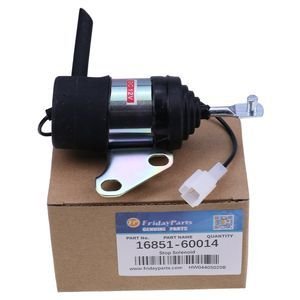
Engine Auxiliary Components
12V Fuel Stop Solenoid 16851-60014 – Fleet Supply for Kubota ZD Mowers
View DetailsNeed a Custom Quote?
Our technical team responds within 24 hours. MOQ 1 piece. Ships to 120+ countries from our Guangzhou warehouse.