

Engine Auxiliary Components
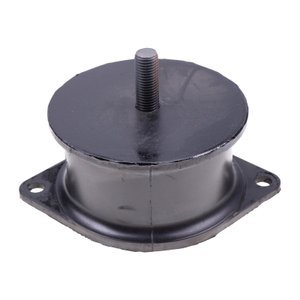
Cushion Damper
ISO Certified
Ships 2-5 Days
MOQ 1 Piece
Cushion Damper
Rubber Buffer 06129901/06129902 | Service Part for Bomag Vibratory Rollers
<p><strong>Rubber Buffer 06129901/06129902 — Cushion Damper for Bomag Vibratory Rollers, Shore A 60±3</strong> — replacement for vibratory roller isolation mounts that degrade under continuous oscillation. Typical wear signs include surface cracking, permanent compression set, and increased frame resonance; scheduled replacement protects vibratory shafts, motor brackets, and hydraulic components from secondary stress damage. UV and ozone stabilizers extend service intervals in tropical and coastal environments.</p> <ul> <li>Compatible with Bomag BW90 through BW284 AD series rollers</li> <li>Cross-reference: 06129901, 06129902 (reference only)</li> <li>Recommended inspection every 500 operating hours or annually</li> <li>Older BW models remain in active supply for fleet continuity</li> </ul>
Lead Time
2-5 Days
Warranty
3-12 Months
Min. Order
1 Piece
Ships To
120+ Countries
06129901
06129902
BW219 Parts
Cushion Damper
For Bomag
rubber buffer
Service Part
Request a Quote
Response within 24 hours
Prefer instant chat?
WhatsApp
Product Details
Fleet Stocking Supported — replacement intervals mapped across Bomag vibratory roller generations from BW90 to BW284.
Technical Specifications
| Parameter | Value |
|---|---|
| Part Number | 06129901 / 06129902 |
| Product Type | Cushion Damper |
| Cross-Reference | 06129901, 06129902 (reference only) |
| Machine Fitment | BW90, BW100, BW120, BW124, BW141, BW145, BW151, BW160, BW161 AC-4 (AD-4), BW166, BW174, BW177, BW177PHD-3, BW179, BW180, BW184, BW202, BW203, BW211, BW212, BW212D, BW212D-3, BW213, BW213D-3, BW214, BW214D-3, BW216, BW216D-3, BW216D-4, BW218, BW219, BW219DH-3, BW219DH-4, BW220, BW225, BW225D-3, BW226, BW266 AD, BW278 AD, BW284 |
| Brand Compatibility | Bomag |
| Material | High-elasticity natural rubber compound with anti-aging additives |
| Durometer Rating | Shore A 60±3 |
| Dimensional Tolerance | ±0.3 mm |
| Condition | New Aftermarket |
| Warranty | 3–12 months against manufacturing defects |
| Quality Standard | ISO 9001 |
Application Suitability
| Service Interval | What to Check |
|---|---|
| Every 500 operating hours | Surface cracking, compression set, mounting bolt torque |
| Annual overhaul | Cushion damper rebound test, bracket wear, adjacent fastener condition |
| Pre-season inspection (rental fleets) | Rubber hardness degradation, UV and ozone damage, dimensional drift |
| Post-heavy compaction project | Residual vibration transfer to frame, hydraulic motor mount stress |
Why Planned Replacement Beats Reactive Purchasing for Vibratory Roller Cushion Dampers
A Bomag rubber buffer service part fails silently long before it breaks visibly.
Fleet managers often wait until a cushion damper cracks or collapses before placing an order. By that point, the vibratory roller has already transmitted excess harmonic energy into the frame, hydraulic motor brackets, and electronic control housings for weeks or months. In Latin American mining operations where I spent years supervising equipment maintenance, I watched Bomag rollers arrive at the workshop with frame micro-cracks that traced directly back to degraded rubber buffers nobody thought to inspect. The repair bill for a cracked frame dwarfs the cost of stocking a set of dampers. [NEED_CITE: vibratory compaction equipment frame fatigue analysis under sustained harmonic loading]
The pattern repeats across job sites: the cushion damper is treated as a minor consumable until the machine is already down. Integrating this Bomag rubber buffer service part into a scheduled maintenance calendar removes the surprise element and protects components that cost far more to replace.
Where This Cushion Damper Sits in the Roller’s Service Life
The cushion damper occupies a critical position between the vibrating drum assembly and the main machine frame on every compatible Bomag vibratory roller. Its role is to absorb and dissipate the high-frequency oscillations generated during compaction work on asphalt, soil, and gravel surfaces. Without effective isolation, those vibrations propagate into structural welds, hydraulic lines, and operator cabin mounts.
As a vibratory roller cushion damper maintenance item, this component follows a predictable wear curve rather than a random failure pattern. Rubber compounds degrade through compression set, thermal cycling, and environmental exposure. Fleet operators who track operating hours and correlate them with damper condition reports can forecast replacement windows with reasonable accuracy, turning an unplanned breakdown into a scheduled swap during routine servicing.
Recognizing Wear Before the Cushion Damper Fails Completely
Surface cracking on the rubber body is the earliest visible indicator, though it does not always correlate with remaining functional life. A more reliable field test involves checking compression recovery: press the damper with a calibrated force and observe whether it returns to its original height within the expected timeframe. Dampers that remain visibly compressed have lost their energy absorption capacity and should enter the replacement queue.
Another symptom operators report is increased vibration felt in the cabin or transmitted to adjacent structural members. When the Bomag rubber buffer service part can no longer isolate the drum oscillation, the entire machine resonates differently. Mounting brackets also deserve inspection during each damper check — worn bolt holes or deformed seats will compromise a new damper just as quickly as the old one failed. [NEED_CITE: rubber vibration isolator inspection criteria for heavy construction equipment]
Replacing only the rubber element while ignoring bracket wear is a pattern I encountered repeatedly. A fresh cushion damper installed into a deformed mounting seat will concentrate stress unevenly, leading to premature failure within weeks rather than months.
Material Formulation and Environmental Durability
The high-elasticity natural rubber compound used in this cushion damper includes anti-aging additives specifically selected for outdoor exposure. On job sites ranging from tropical highway rehabilitation projects to arid quarry operations, rubber components face UV radiation, ozone, temperature swings, and in coastal regions, salt-laden air. Each of these factors accelerates polymer chain breakdown.
The Shore A 60±3 durometer rating places this damper in a range that balances isolation performance with structural support. A softer compound would absorb vibration more effectively but deform excessively under the static weight of the drum assembly. A harder compound would support the load but transmit more oscillation to the frame. The specified hardness represents a compromise tuned for the vibratory frequencies and masses typical of Bomag’s BW-series roller range.
Dimensional tolerance held at ±0.3 mm ensures consistent fitment across the wide machine compatibility list, from the compact BW90 through the heavy BW284 AD. Even small deviations in damper height or diameter alter the preload on the mounting hardware and change the isolation characteristics.
The Hidden Cost of Skipping the Cushion Damper in Planned Maintenance
Treating the cushion damper as a throwaway item that gets replaced only after visible failure creates a cascade of downstream expenses. Hydraulic motor mounts subjected to unchecked vibration develop fatigue cracks. Electrical connectors loosen and corrode. Operator cabin isolation degrades, increasing fatigue and reducing productivity over long shifts.
I once worked with a road construction contractor in Brazil who ran a fleet of BW219 and BW225 rollers on municipal resurfacing projects. Their maintenance protocol replaced filters, fluids, and wear plates on schedule but never listed the cushion damper until a machine arrived with a fractured drum support bracket. The root cause analysis pointed to sustained vibration transfer from dampers that had hardened beyond their useful life. The bracket repair took the machine offline for days while a single damper swap would have been completed during a routine service stop. [NEED_CITE: vibration-induced fatigue failure in construction equipment structural components]
The cumulative cost of reactive purchasing — measured in secondary damage, extended downtime, and emergency freight — consistently exceeds the modest investment in keeping dampers on the shelf as planned consumables.
Why Source This Part Through Our Supply Channel
We produce selected part lines in our own facility and source the remainder from qualified ISO-certified manufacturing partners, with both streams carrying identical quality control and warranty terms. This cushion damper ships under the same inspection protocol regardless of production origin.
Eight product categories sit under one account and one warranty, so a fleet maintenance order that includes dampers, seal kits, and hydraulic filters consolidates into a single shipment. There is no minimum order barrier — a single emergency piece ships the same day as a pallet quantity.
Our Guangzhou warehouse maintains stock on high-turnover items for fast dispatch, and our technical team can confirm machine-model compatibility from a serial number, a photograph, or even a worn nameplate image. Cross-reference verification covers superseded numbers and alternate references, reducing the risk of ordering the wrong variant. Sample supply is available for fitment confirmation before any bulk commitment.
Documentation & Verification
- Commercial invoice and packing list itemizing each cushion damper by machine compatibility
- Part compatibility sheet with cross-reference numbers marked reference only
- Dimensional inspection records verifying ±0.3 mm tolerance on each batch
- Warranty terms covering manufacturing defects for the stated period
- Packing photographs confirming damper condition at the point of dispatch
- HS code and customs documentation support for cross-border shipments
Service Interval & Stocking Guidance
- Inspect cushion damper surfaces and rebound characteristics at every 500-hour service stop
- Schedule full damper replacement during annual overhauls or when compression set exceeds visible thresholds
- Stock enough dampers to cover the most-utilized machines in the fleet plus a buffer for rental turnover units
- Store dampers in shaded, climate-stable conditions away from direct UV, ozone sources, and solvent vapors
- Check mounting bracket bolt holes and seat surfaces before installing new dampers to avoid inherited stress points
Requesting a Stocking Proposal
Send us your fleet roster including machine models, serial ranges, and current operating hours. We will map the cushion damper requirement across your equipment, flag any variant differences between model generations, and propose a stocking quantity aligned with your maintenance calendar. If older machines in your fleet have superseded part numbers, we will verify cross-references before quoting.
Frequently Asked Questions
Q: How often should the cushion damper be inspected on a Bomag vibratory roller?
A: We recommend checking surface condition and rebound behavior at every 500-hour service interval, with full replacement scheduled during annual overhauls. Rental fleets operating in harsh UV or coastal environments should inspect more frequently, as environmental exposure accelerates rubber degradation independent of operating hours.
Q: What signs indicate the cushion damper is approaching end of life?
A: Visible surface cracking, permanent compression set where the damper does not return to its original height, and increased vibration transfer to the frame or cabin all signal degradation. Operators may also notice unusual resonance patterns during compaction that were not present when the damper was fresh.
Q: Should I replace mounting brackets and fasteners along with the cushion damper?
A: Yes. Worn bolt holes, deformed bracket seats, or corroded fasteners will compromise the new damper from day one. Inspect all adjacent mounting hardware during every damper swap and replace any component showing wear to ensure the fresh cushion damper performs across its full intended service life.
Q: How many cushion dampers should a fleet keep in stock?
A: Base your stock on fleet size, utilization intensity, and lead time tolerance. A common approach is one complete set per high-use machine plus additional units for rental turnaround equipment. We can help calculate a quantity based on your specific roster and maintenance schedule.
Q: Are cushion dampers still available for older Bomag BW-series models?
A: Yes. Our compatibility list spans from the BW90 through the BW284 AD, including discontinued variants. Cross-reference verification covers superseded numbers, so even machines with obsolete nameplate references can be matched to the correct damper. Confirm your machine model and serial number with us before ordering.
Compatible Brands
CAT
KOMATSU
HITACHI
VOLVO
HYUNDAI
DOOSAN
KOBELCO
SANY
XCMG
Our parts are engineered to meet or exceed OEM specifications. Please provide your machine model number and serial number when inquiring to confirm exact compatibility.
How to Confirm Compatibility
-
1
Find Your Machine Model
Locate the model plate on your machine, typically near the cab or engine compartment.
-
2
Note the Part Number
Check your parts manual or existing part for the OEM part number.
-
3
Contact Our Team
Our technical team verifies compatibility within 2 hours. Send us the details via the inquiry form or WhatsApp.
Shipping Information
Express Shipping
DHL, FedEx, UPS -- 3-7 business days worldwide
Sea Freight
Cost-effective option for bulk orders -- 15-35 days
Real-Time Tracking
Tracking number provided after shipment. 24/7 support available.
Warranty Policy
3-12
Months Warranty
All parts come with manufacturer warranty. Duration varies by product category.
- Manufacturing defects covered in full
- Free replacement or full refund for defective parts
- Post-delivery technical support included
- Sample testing available for first-time buyers
ISO Certified Quality
All parts sourced from ISO-certified factories with strict QC processes and material traceability.
Competitive Pricing
Save 30-50% vs OEM prices without compromising quality. Transparent pricing with no hidden fees.
Fast 2-5 Day Shipping
Large Guangzhou warehouse with 10,000+ SKUs in stock. Most orders ship within 2-5 business days.
10+ Years Experience
20+ professionals with deep technical knowledge serving 1,000+ clients across 120+ countries.
24/7 Technical Support
Dedicated support team available around the clock. Part verification within 2 hours of inquiry.
Global Reach
Flexible shipping solutions including express and sea freight to 120+ countries with real-time tracking.
Related Products
More parts you might need
Engine Auxiliary Components
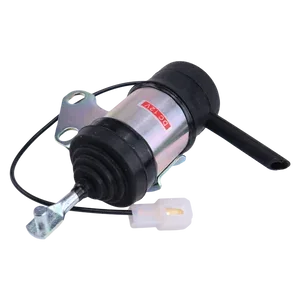
16851-60014 Stop Solenoid for Kubota Tractors – Fleet Supply
View Details

Engine Auxiliary Components
Scheduled Maintenance Starter Motor – Fits Kubota KX41-3 KX71-3 Series
View DetailsNeed a Custom Quote?
Our technical team responds within 24 hours. MOQ 1 piece. Ships to 120+ countries from our Guangzhou warehouse.