
Belt Drive Systems
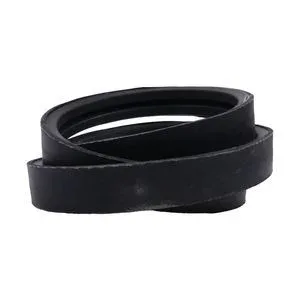
Drive Belt 154537-001 for Vermeer BC600XL Brush Chipper – Service Part
<p><strong>Drive Belt 154537-001 for Vermeer BC600XL Brush Chipper, 1545 mm pitch length, EPDM compound</strong> — replacement for scheduled maintenance on the BC600XL drive system. Edge cracking, glazing, or slippage under load signals the belt is nearing end of service life; replacing it during a planned window avoids unplanned downtime and protects pulleys and bearings from secondary damage. Inspecting tensioner and pulley groove condition at the same service interval reduces repeat teardowns.</p> <ul> <li>Recommended replacement intervals provided with shipment to support your fleet maintenance schedule</li> <li>Compatible with Vermeer BC600XL Brush Chipper across production serial ranges</li> <li>MOQ 1 piece, ISO 9001 production, 3–12 month warranty against manufacturing defects</li> </ul>
Lead Time
2-5 Days
Warranty
3-12 Months
Min. Order
1 Piece
Ships To
120+ Countries
Request a Quote
Response within 24 hours
Product Details
Planned Replenishment — stocking this belt before it snaps keeps your BC600XL on the job instead of waiting weeks for emergency freight.
Technical Specifications
| Parameter | Value |
|---|---|
| Part Number | 154537-001 |
| Cross-Reference | 154537-001 (reference only), 154537001 (reference only) |
| Machine Fitment | Vermeer BC600XL Brush Chipper |
| Product Type | Belt |
| Pitch Length | 1545 mm ±0.3 mm |
| Material | EPDM rubber compound with high-modulus polyester-cord reinforcement |
| Surface Hardness | Shore A 72±3 |
| Temperature Resistance | Up to 120°C |
| Condition | New Aftermarket |
| Warranty | 3–12 months against manufacturing defects |
| MOQ | 1 piece |
| Production Standard | ISO 9001 |
Application Suitability
| Service Interval | What to Check |
|---|---|
| Every 250 operating hours | Inspect belt edges for cracking, glazing, or fraying |
| Every 500 operating hours | Check pulley groove wear and tensioner spring force |
| Annual overhaul window | Replace belt and inspect bearings on tensioner assembly |
| Between rental deployment cycles | Verify belt tracking and surface condition before next job |
| Older BC600XL units with thinning support | Confirm part availability and stock replacement units in advance |
When Scheduled Replacement Beats Emergency Ordering
A predictable wear component like the Drive Belt service part replacement for Vermeer BC600XL Brush Chipper maintenance belongs in your forward plan, not on a wish list once the machine is already silent.
Running a brush chipper in land clearing or municipal forestry without a spare drive belt on the shelf means a routine swap becomes a multi-day outage. You wait for sourcing, freight, and customs while the crew stands idle and the contract clock keeps ticking. The cost is never just the belt — it is the compounding loss of production hours, missed disposal windows at the landfill or biomass facility, and the secondary damage a snapping belt can inflict on pulleys and downstream bearings. [NEED_CITE: planned maintenance scheduling for mobile forestry equipment]
The Belt’s Place in the Machine’s Service Life
The drive belt on the BC600XL transmits engine power to the chipper drum, and it degrades with every hour of operation under load. Edge cracking, surface glazing, and audible slippage under heavy feed are the typical progression markers. Catching these signs early and scheduling the replacement at the next planned service window avoids the catastrophic failure that takes the machine offline without warning. Keeping a Drive Belt service part replacement for Vermeer BC600XL Brush Chipper maintenance unit on the shelf means your workshop pulls it from inventory rather than scrambling through international supply channels.
Wear Signals That Tell You Replacement Is Due
Belt condition does not fail all at once — it announces itself. Surface glazing means the rubber compound is hardening and losing grip. Edge fraying indicates the cord reinforcement is separating from the body. Tracking noise during startup points to uneven wear across the belt width or pulley misalignment developing over time. Each of these signs gives you a window to plan the swap. [NEED_CITE: belt condition monitoring indicators for industrial power transmission]
Reading the Specifications for Field Performance
The 1545 mm pitch length with a ±0.3 mm tolerance keeps the belt seated correctly in the pulley grooves without excessive slack or overtightening, both of which accelerate wear. EPDM rubber compound is chosen for its resistance to heat buildup in continuous chipping duty, where ambient temperature and friction combine to push operating conditions toward the 120°C upper limit. The high-modulus polyester-cord reinforcement provides tensile stability so the belt maintains its pitch length under the cyclic loading of the chipper drum. Surface hardness at Shore A 72±3 balances flexibility for pulley engagement with resistance to abrasion from wood dust and debris infiltration.
The Cost of Waiting Until It Breaks
Operators who treat the drive belt as a run-to-failure component accumulate unplanned downtime in compounding cycles. The first failure costs a day while you source the replacement. The second failure costs more because the sudden snap may have scored the pulley grooves, meaning you now need both a belt and a pulley set. Fleet operators running multiple BC600XL units across sites face this multiplied across the fleet, with machines rotating between active duty and unplanned standby. [NEED_CITE: cost analysis of reactive versus planned maintenance in forestry operations]
Why Procurement Planning Matters Here
Our production lines for selected part categories operate under the same quality control and warranty terms as our qualified sourced supply, so you get consistent terms across your entire order regardless of where each component originates. Eight product categories under a single account mean the belt, tensioner, pulleys, and any associated seals ship together in one consignment. The one-piece minimum order removes the barrier when you need a single spare for the shelf rather than a bulk commitment. Guangzhou warehouse stock on common fast-failure items allows rapid dispatch when your planning window opens. Part identification from your machine model, a photograph of the old belt, or the nameplate image removes ambiguity when the original part number is worn or superseded. Cross-reference verification covers superseded and alternate numbers so you receive the correct variant for your specific BC600XL production run.
Documentation & Verification
- Commercial invoice and packing list referencing 154537-001 and BC600XL compatibility
- Part compatibility sheet confirming fitment to your machine serial range (reference only)
- Quality inspection record covering pitch length tolerance and surface hardness
- Warranty terms document specifying coverage period against manufacturing defects
- Packing photographs showing belt condition before crating
- HS code and customs documentation support for international shipment
Service Interval & Stocking Guidance
- Inspect belt edges and surface condition every 250 operating hours for early wear signs
- Check tensioner spring force and pulley groove depth during every belt inspection
- Stock one replacement unit per machine for single-unit operators, two or more for fleet accounts
- Store spare belts in a cool, dry environment away from direct sunlight and ozone sources
- Rotate stock on a first-in-first-out basis to prevent shelf-age degradation of the EPDM compound
Request a Stocking Proposal
Provide your BC600XL machine model and approximate annual operating hours so we can recommend a replacement interval aligned with your duty cycle. If you are planning for a fleet, share the unit count and deployment regions so we can structure consolidated batch shipments. For older machines where the nameplate is worn or missing, send a photograph of the existing belt or the pulley assembly for fitment confirmation before you commit to an order.
Frequently Asked Questions
Q: How often should the drive belt be replaced under normal chipping duty cycles?
A: Inspect the belt every 250 operating hours and plan replacement at or before 500 hours depending on material density and feed rate. Harder wood species and continuous heavy feed accelerate wear. Your actual interval depends on operating conditions, but treating it as a scheduled swap rather than a surprise failure keeps the machine productive.
Q: What symptoms indicate the belt is nearing end of service life?
A: Look for edge cracking or fraying, surface glazing where the rubber hardens and loses grip, tracking noise during startup, and slippage under load that produces a chirping or squealing sound. Any of these signs means the belt should be scheduled for replacement at the next available service window.
Q: Should I inspect or replace pulleys and tensioners when changing the belt?
A: Yes. A worn belt accelerates groove wear on the pulleys and adds uneven load to the tensioner bearing. Inspect pulley groove depth and tensioner spring force during every belt change. Replacing a belt onto worn pulleys shortens the new belt’s service life noticeably.
Q: How many spare belts should a fleet operator keep in stock?
A: A minimum of one replacement per machine is the baseline. Fleet operators running multiple BC600XL units across remote or hard-to-supply sites should consider two or more per machine, particularly where local sourcing options are limited and emergency freight lead times are unpredictable.
Q: Will this belt remain available for older BC600XL units?
A: Aftermarket supply continuity for aging machines is a core part of our stocking strategy. As brand support thins for older production runs, we maintain availability through cross-reference verification and qualified manufacturing partners, so your older units remain serviceable.
Compatible Brands
Our parts are engineered to meet or exceed OEM specifications. Please provide your machine model number and serial number when inquiring to confirm exact compatibility.
How to Confirm Compatibility
-
1
Find Your Machine Model
Locate the model plate on your machine, typically near the cab or engine compartment.
-
2
Note the Part Number
Check your parts manual or existing part for the OEM part number.
-
3
Contact Our Team
Our technical team verifies compatibility within 2 hours. Send us the details via the inquiry form or WhatsApp.
Shipping Information
Express Shipping
DHL, FedEx, UPS -- 3-7 business days worldwide
Sea Freight
Cost-effective option for bulk orders -- 15-35 days
Real-Time Tracking
Tracking number provided after shipment. 24/7 support available.
Warranty Policy
All parts come with manufacturer warranty. Duration varies by product category.
- Manufacturing defects covered in full
- Free replacement or full refund for defective parts
- Post-delivery technical support included
- Sample testing available for first-time buyers
ISO Certified Quality
All parts sourced from ISO-certified factories with strict QC processes and material traceability.
Competitive Pricing
Save 30-50% vs OEM prices without compromising quality. Transparent pricing with no hidden fees.
Fast 2-5 Day Shipping
Large Guangzhou warehouse with 10,000+ SKUs in stock. Most orders ship within 2-5 business days.
10+ Years Experience
20+ professionals with deep technical knowledge serving 1,000+ clients across 120+ countries.
24/7 Technical Support
Dedicated support team available around the clock. Part verification within 2 hours of inquiry.
Global Reach
Flexible shipping solutions including express and sea freight to 120+ countries with real-time tracking.
Related Products
More parts you might need


Need a Custom Quote?
Our technical team responds within 24 hours. MOQ 1 piece. Ships to 120+ countries from our Guangzhou warehouse.