

Engine Auxiliary Components
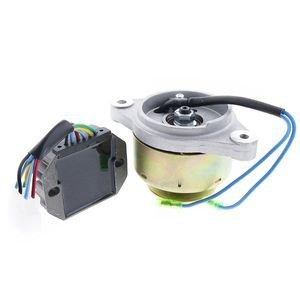
Alternator
ISO Certified
Ships 2-5 Days
MOQ 1 Piece
Alternator
12V 14A Alternator for Kubota B-Series – Scheduled Maintenance
<p><strong>15531-64017 Alternator, 12V 14A</strong> — compatible with Kubota B-Series, BX, G, and ZD compact tractors. Anodized die-cast aluminum housing with Class H insulation rated to 180°C for sustained heat resistance during continuous PTO operation.</p> <ul> <li>Plan alternator replacement at first signs of dim lights or slow cranking to avoid battery cascade damage</li> <li>Pair with drive belt and battery terminal service for full charging-system refresh across aging fleet units</li> <li>Sustained aftermarket supply supports lifecycle extension on older B-Series models as brand-direct availability declines</li> </ul> <p>Replacement interval guidance included with shipment to support fleet-level maintenance scheduling.</p>
Lead Time
2-5 Days
Warranty
3-12 Months
Min. Order
1 Piece
Ships To
120+ Countries
12V 14A
15531-64017
alternator
For Kubota
Kubota B Series
Service Part
Request a Quote
Response within 24 hours
Prefer instant chat?
WhatsApp
Product Details
Lifecycle Support — Sustained aftermarket supply for aging Kubota B-Series charging systems when brand-direct support thins on older production years.
Technical Specifications
| Parameter | Value |
|---|---|
| Part Number | 15531-64017 |
| Product Type | Alternator |
| Cross-Reference | 15531-64017, 15531-54013, 15531-64016, 6C040-59252 (reference only) |
| Regulator Cross-Reference | 15531-64601, 15531-64603, RS5101, RS5155 (reference only) |
| Machine Fitment | Kubota B-Series (B1550–B9200), BX-Series, F-Series, G-Series, GF-Series, K-Series, KH-Series, RTV500, T1600H, ZD18–ZD28 |
| Voltage | 12V DC |
| Current Output | 14A |
| Insulation Class | Class H (rated to 180°C) |
| Stator Core Material | Laminated silicon steel |
| Stator Tolerance | <±0.05 mm |
| Regulator Voltage Threshold | 13.8–14.4 V |
| Housing Material | Die-cast aluminum |
| Housing Finish | Anodized |
| Condition | New Aftermarket |
| Warranty | 3–12 months against manufacturing defects |
| MOQ | 1 piece |
| Standards | ISO 9001 |
Application Suitability
| Service Interval | What to Check |
|---|---|
| Every 1,500–2,000 operating hours | Battery terminal corrosion, drive belt tension, charging voltage at idle and rated RPM |
| Annual pre-season inspection (agricultural fleets) | Headlight brightness, slow cranking, battery state of charge after shutdown |
| Between rental turnover cycles | Full charging circuit continuity, alternator output under PTO load |
| When battery fails prematurely | Alternator ripple current, regulator threshold, pulley alignment |
| On machines exceeding 8,000 total hours | Stator winding resistance, bearing play, housing integrity |
Why a Planned Alternator Strategy Beats Reactive Replacement
A 12V 14A alternator for Kubota B-Series tractors is a predictable wear component — not a surprise failure. Fleet operators who schedule charging-system refreshes during planned maintenance windows recover far more field hours than those waiting for the first no-start event.
In the Yangtze River Delta region where I spent years managing spare parts inventories before moving into field sales, I watched landscaping contractors lose entire mowing cycles because a single alternator failed during peak season with no replacement on the shelf. The machine sat idle for days while the part was sourced, and the tow-back cost alone exceeded the alternator’s value. [NEED_CITE: mobile equipment charging system preventive maintenance scheduling]
The pattern repeats across agricultural and municipal fleets: compact tractors running 10–12 hour shifts under continuous PTO load generate steady thermal stress on the stator windings. Insulation degradation accumulates silently. By the time lights dim or cranking slows, the alternator has been operating below rated output for weeks — often dragging the battery into deep discharge and damaging it in the process.
Where the Alternator Sits in the Machine’s Service Life
The charging system on a Kubota B-Series or BX-Series tractor typically requires its first alternator evaluation between 1,500 and 3,000 operating hours, depending on duty cycle and ambient conditions. Machines in dusty agricultural environments or municipal fleets operating under high-humidity conditions tend to reach end-of-life sooner because contamination accelerates bearing wear and compromises housing ventilation.
Replacing the 12V 14A alternator for Kubota B-Series service part maintenance at a planned interval — rather than after complete failure — protects the downstream battery and prevents voltage regulator cascade damage. A machine that enters a scheduled maintenance window can have the alternator, drive belt, and battery all evaluated together. A machine that fails in the field requires a tow, a diagnostic session, and often a second trip for the actual replacement part.
Recognizing the Signals Before Complete Failure
The electrical symptoms of alternator degradation follow a progression. Early-stage wear appears as slightly dimmed headlights at idle and a battery that requires more frequent charging between shifts. Mid-stage degradation shows as slow cranking on cold starts and instrument panel flicker under PTO engagement. Late-stage failure presents as the battery warning light staying illuminated or the machine failing to restart after a short shutdown. [NEED_CITE: compact tractor electrical system fault progression diagnostics]
Each of these stages offers a decision window. Fleet managers running multiple Kubota B, BX, or G-Series units can use the first symptoms as triggers to pull a spare from shelf stock and schedule the swap during the next planned downtime. The alternative — waiting until the machine will not restart — converts a routine component exchange into an unplanned outage with logistics costs attached.
For rental companies turning over equipment between seasons, a charging-system refresh that includes the alternator, belt inspection, and battery terminal service between rental contracts protects the next customer’s experience and reduces warranty claims on the machine itself.
Reading the Specifications That Matter for Field Service
The Class H insulation rating means the stator windings can tolerate continuous operating temperatures up to 180°C before degradation accelerates. On compact tractors running PTO-driven implements in mid-summer heat, the alternator housing routinely exceeds ambient by a significant margin, making this thermal headroom relevant rather than theoretical.
The laminated silicon steel stator core, held to <±0.05 mm tolerance, controls eddy current losses that would otherwise convert electrical energy into waste heat. Tighter lamination tolerance means less internal heating at sustained 14A output, which extends the interval before insulation breakdown begins. [NEED_CITE: silicon steel lamination effects on alternator thermal performance]
The integrated regulator threshold of 13.8–14.4 V matches the charging profile of standard 12V lead-acid batteries used across Kubota B-Series and BX-Series machines. A regulator that drifts above this range overcharges and damages battery plates; one that drops below it leaves the battery chronically undercharged. The die-cast aluminum housing with anodized finish provides corrosion resistance in the high-moisture environments typical of agricultural and groundskeeping applications.
The Cumulative Cost of Reactive Purchasing
Fleet operators who buy alternators only after failures accumulate hidden expenses that compound across a season. Each reactive event involves machine recovery from the field, diagnostic time to confirm the alternator as the root cause rather than the battery or wiring, and expedited parts sourcing. When this pattern repeats across a ten-unit fleet, the total downtime and logistics burden becomes substantial compared to a scheduled swap program.
The secondary damage is often overlooked. An alternator operating below specification for an extended period before complete failure can deeply discharge the battery multiple times, shortening battery life independently. The corroded connections and worn belt that may have contributed to alternator overheating go unaddressed when the response is limited to swapping the failed unit. [NEED_CITE: secondary component damage from charging system degradation]
Fleet-level thinking means stocking two or three units for a mixed fleet of Kubota B-Series and BX-Series machines, evaluating charging health during every scheduled service, and treating alternator replacement as a line item in the annual maintenance budget rather than an emergency purchase.
What XUNPO Brings to Charging-System Lifecycle Planning
Self-produced and qualified sourced supply lines carry identical warranty terms, meaning alternators from either channel arrive with the same quality commitments for your fleet program. Eight product categories under one account let you add drive belts, battery terminals, seal kits, and filters to the same order as the alternator — a single consignment covering a complete charging-system refresh.
One-piece minimum order quantity means a single emergency spare for a rental fleet or a bulk stock order for a large agricultural operation both qualify. Part identification works from a machine model alone, which matters when Kubota nameplates are faded or painted over after years of field use. The technical team confirms compatibility across superseded numbers like 15531-54013 and 15531-64016, so older B-Series machines remain supported even as brand-direct availability declines.
Documentation & Verification
- Commercial invoice listing alternator part number and cross-reference designations
- Compatibility sheet mapping Kubota B-Series and BX-Series models to alternator fitment
- Quality inspection record covering stator tolerance and regulator threshold test
- Warranty terms defining coverage period and replacement process for manufacturing defects
- Packing photographs showing alternator condition before dispatch
- HS code and customs documentation for international fleet procurement
Service Interval & Stocking Guidance
- Evaluate alternator output and bearing condition every 1,500–2,000 operating hours
- Check drive belt tension and battery terminals whenever the alternator is accessed
- Stock one spare alternator per five Kubota B-Series or BX-Series units in active fleet
- Store spare alternators in dry conditions with desiccant packs to prevent bearing corrosion
- Replace the drive belt simultaneously with the alternator to avoid early belt-induced failure
Planning Your Next Charging-System Refresh
Share your fleet composition — which Kubota B-Series, BX-Series, or G-Series models you operate and their current hour readings — and the team will recommend stocking quantities aligned with your replacement intervals. For mixed fleets with machines spanning different production years, provide model and year details so cross-reference verification covers superseded part numbers. This approach ensures your shelf stock matches the machines actually in the field.
Frequently Asked Questions
Q: How often should I plan to replace the alternator on a Kubota B-Series tractor?
A: Most fleet operators schedule alternator evaluation between 1,500 and 3,000 operating hours, with actual replacement triggered by output testing rather than hours alone. Machines running continuous PTO operations in dusty or high-humidity environments may reach end-of-life sooner. Monitoring charging voltage during routine service visits identifies the right replacement window for each unit.
Q: What electrical symptoms indicate the alternator is nearing end of service life?
A: Early warning includes dimmed headlights at idle, slow cranking on cold starts, and batteries requiring frequent recharging between shifts. As degradation progresses, instrument panel flicker under PTO load and the battery warning light appearing during operation signal that replacement should be scheduled promptly before complete failure strands the machine in the field.
Q: Should I replace just the alternator, or the entire charging circuit together?
A: Replacing the alternator alongside a drive belt inspection and battery terminal service addresses the common contributing factors — belt slip causing alternator overheating and corroded terminals increasing electrical load. If the battery has endured repeated deep discharge from a failing alternator, it may also need replacement to restore full charging-system reliability.
Q: How many spare alternators should a fleet operator keep on hand?
A: A practical guideline is one spare alternator per five machines of the same Kubota series. Rental companies benefit from stocking two to three units before peak season. This buffer covers typical seasonal failure rates while avoiding the cost and downtime of emergency sourcing during critical operating windows.
Q: Can I still source alternators for older Kubota models no longer in current production?
A: Aftermarket supply for aging B-Series and BX-Series machines remains available through cross-reference verification of superseded part numbers. Models like the B5200, B6200, and early BX units continue to receive alternator support even as brand-direct channels reduce coverage for discontinued production years.
Compatible Brands
CAT
KOMATSU
HITACHI
VOLVO
HYUNDAI
DOOSAN
KOBELCO
SANY
XCMG
Our parts are engineered to meet or exceed OEM specifications. Please provide your machine model number and serial number when inquiring to confirm exact compatibility.
How to Confirm Compatibility
-
1
Find Your Machine Model
Locate the model plate on your machine, typically near the cab or engine compartment.
-
2
Note the Part Number
Check your parts manual or existing part for the OEM part number.
-
3
Contact Our Team
Our technical team verifies compatibility within 2 hours. Send us the details via the inquiry form or WhatsApp.
Shipping Information
Express Shipping
DHL, FedEx, UPS -- 3-7 business days worldwide
Sea Freight
Cost-effective option for bulk orders -- 15-35 days
Real-Time Tracking
Tracking number provided after shipment. 24/7 support available.
Warranty Policy
3-12
Months Warranty
All parts come with manufacturer warranty. Duration varies by product category.
- Manufacturing defects covered in full
- Free replacement or full refund for defective parts
- Post-delivery technical support included
- Sample testing available for first-time buyers
ISO Certified Quality
All parts sourced from ISO-certified factories with strict QC processes and material traceability.
Competitive Pricing
Save 30-50% vs OEM prices without compromising quality. Transparent pricing with no hidden fees.
Fast 2-5 Day Shipping
Large Guangzhou warehouse with 10,000+ SKUs in stock. Most orders ship within 2-5 business days.
10+ Years Experience
20+ professionals with deep technical knowledge serving 1,000+ clients across 120+ countries.
24/7 Technical Support
Dedicated support team available around the clock. Part verification within 2 hours of inquiry.
Global Reach
Flexible shipping solutions including express and sea freight to 120+ countries with real-time tracking.
Related Products
More parts you might need

Engine Auxiliary Components
12V Fuel Shut Off Solenoid P610-B1V12 | Fleet Supply for Heavy Equipment
View Details

Need a Custom Quote?
Our technical team responds within 24 hours. MOQ 1 piece. Ships to 120+ countries from our Guangzhou warehouse.