

Fuel Pump
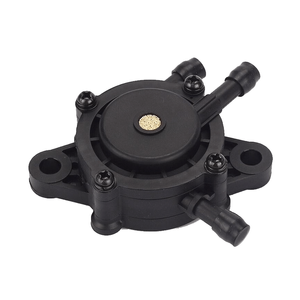
AM132715 Fuel Pump Service Part for John Deere Kawasaki
<p><strong>AM132715 Fuel Pump, diaphragm type for John Deere and Kawasaki small engines</strong> — compatible with 240, 245, 260, 320, 325, 345, GX345, LX172, LX176, LX188, LX289 lawn tractors and FD501V, FD590V, FD611V mower engines.</p> <ul> <li>Plan fuel pump replacement ahead of seasonal demand to avoid unplanned downtime on landscaping and grounds-keeping fleets</li> <li>Ethanol-blended fuel and long storage cycles accelerate diaphragm wear; inspect fuel lines, filters, and carburetor gaskets at the same service interval</li> <li>Stocking predictable-wear components in advance keeps older LX and GX series machines running as brand support thins</li> </ul> <p>Replacement interval guidance and cross-reference verification sheet included with each shipment for long-term fleet planning.</p>
Lead Time
2-5 Days
Warranty
3-12 Months
Min. Order
1 Piece
Ships To
120+ Countries
Request a Quote
Response within 24 hours
Product Details
Lifecycle Planning for Small Engine Fleets — replacement intervals mapped to ethanol exposure and seasonal storage cycles keep John Deere and Kawasaki machines running through peak demand.
Technical Specifications
| Parameter | Value |
|---|---|
| Part Number | AM132715 |
| Product Type | Fuel Pump |
| Cross-Reference | AM132715 (reference only) |
| Machine Fitment | 240, 245, 260, 265, 285, 320, 325, 335, 345, GX345, LX172, LX173, LX176, LX178, LX186, LX188, LX277, LX279, LX289, 2243 Greens Mower, F725 Front Mower, FD501V, FD590V, FD611V |
| Brand Compatibility | Fits John Deere and Kawasaki engines |
| Condition | New Aftermarket |
| Warranty | 3-12 months against manufacturing defects |
| Quality Standard | ISO 9001 |
| Pump Type | Diaphragm-style mechanical fuel pump |
Application Suitability
| Service Interval | What to Check |
|---|---|
| Pre-season startup after winter storage | Diaphragm integrity, fuel line cracks, filter saturation |
| 500-hour scheduled maintenance | Pump output pressure, mounting gasket condition, hose clamp torque |
| Ethanol-blended fuel exposure review | Internal diaphragm swelling, check valve seating, carburetor inlet screen |
| Machine turnover between lease cycles | Full fuel delivery system inspection including pump, lines, and filter |
| Aging fleet life-extension service | Fuel tank sediment, deteriorating rubber lines, pump mounting surface condition |
Reactively Buying Fuel Pumps After Diaphragm Failure Breaks the Schedule
Plan fuel system service around predictable wear, not unexpected downtime.
Fleet operators managing dozens of John Deere lawn tractors or Kawasaki-powered mowers consistently find that fuel pump diaphragms degrade on a timeline tied to fuel chemistry and storage habits rather than operating hours alone. Machines sitting through an off-season with ethanol-blended fuel in the tank return to service with stiffened or swollen diaphragms, and the first sign is often a no-start condition on a Monday morning when the crew is scheduled to mobilize. [NEED_CITE: ethanol-blended fuel effects on elastomeric diaphragm materials in small engines]
I have seen Kawasaki FD590V engines go down in the field because a fuel pump was swapped without checking the upstream filter — debris that had already compromised the original pump migrated into the replacement and caused a second failure within weeks. That machine sat idle while the correct filter and line clamps were sourced separately.
Where the Fuel Pump Sits in the Maintenance Calendar
The Fuel Pump AM132715 is a scheduled-wear item, not a lifetime component. In diaphragm-type pumps fitted to John Deere LX and GX series tractors and Kawasaki FD-series engines, the flexible membrane flexes thousands of times per operating hour and is continuously exposed to fuel vapors. Over seasonal storage periods, residual fuel evaporates and leaves varnish deposits that stiffen the diaphragm, reducing its stroke efficiency. A Fuel Pump service part maintenance plan that replaces the pump ahead of peak mowing or landscaping season eliminates the most common spring startup failure across mixed fleets.
Recognizing Wear Before the Machine Stops Delivering
Early-stage diaphragm wear shows up as extended cranking times, hesitation under load when climbing grades, or a lean-running condition that operators sometimes misdiagnose as a carburetor problem. By the time fuel starvation causes visible backfiring or the engine stalls under load, the diaphragm has typically been leaking internally for some time, allowing fuel to seep into the crankcase and dilute the oil. [NEED_CITE: fuel dilution of crankcase oil from failed diaphragm-type fuel pumps] At that point, replacing the pump alone addresses the symptom but not the contamination already in the sump — the oil must be changed and the breather system checked. Coordinating pump replacement with an oil service and filter change keeps the entire fuel system service part maintenance cycle aligned.
Reading the Specifications That Matter in the Field
The AM132715 cross-reference identifies a vacuum-actuated diaphragm pump that draws fuel from the tank using crankcase pressure pulses rather than an electric motor. This mechanical design means pump output is directly proportional to engine speed — at idle, flow is minimal, which is why a weak pump often causes stalling at low RPM while running acceptably at higher throttle settings. The ISO 9001 production standard ensures dimensional consistency across the mounting flange, inlet and outlet barb sizes, and pulse port connection, so the pump bolts on without modification to the original engine block mounting pattern. Compatibility spans the John Deere 200-series and 300-series lawn tractors, the GX345 and LX188, as well as Kawasaki FD501V, FD590V, and FD611V engines used in commercial mowing and light agricultural equipment. The 3-12 month warranty covers manufacturing defects across both self-produced and qualified sourced supply lines.
The Cost of Buying the Pump but Skipping the Supporting Items
Replacing only the fuel pump while leaving aged fuel lines, a clogged inline filter, and hardened hose clamps in place invites a repeat failure. Contaminants trapped in a saturated filter restrict flow enough to overwork the new diaphragm, and a cracked fuel line introduces air into the suction side, causing vapor lock that mimics pump failure. Operators who treat fuel system service part maintenance as a single-component swap end up pulling the pump off again within one season to chase a problem that was never in the pump itself. [NEED_CITE: fuel system contamination sources upstream of mechanical fuel pumps] Fleet-level planning that stocks pumps alongside matching filters, clamps, and carburetor gaskets eliminates the second teardown and the associated labor cost.
Supply That Supports Planned Maintenance Programs
Guangzhou warehouse stock on common fuel pump references means seasonal stocking orders can ship without multi-week delays when planned ahead. One account covers engine parts, filtration, seals, and electrical components, so a complete pre-season service kit for a mixed John Deere and Kawasaki fleet consolidates into a single consignment. Minimum order starts at one piece for emergency replacements, but fleet operators benefit from quantity planning that aligns spare stock with machine count and projected operating hours. Part identification is supported through machine model, engine serial number, or nameplate photograph when the original label is worn. Technical confirmation on variant differences within the same base reference ensures the correct pump reaches the correct machine before installation day.
Documentation & Verification
- Commercial invoice listing each fuel pump by cross-reference number and machine application
- Compatibility sheet confirming fitment for specific John Deere or Kawasaki engine serial ranges
- Dimensional inspection record covering mounting flange, barb diameter, and pulse port alignment
- Warranty terms document covering manufacturing defect claims for 3-12 months
- Packing photographs showing individual unit condition before carton sealing
- HS code and customs classification support for international fuel system component shipments
Service Interval & Stocking Guidance
- Replace diaphragm-type fuel pumps before each peak season or after extended storage exceeding six months
- Inspect pulse hose and fuel lines for cracking whenever the pump is removed for any reason
- Stock one spare pump per five machines for fleets operating on ethanol-blended fuel year-round
- Store spare pumps sealed in original packaging away from direct sunlight and fuel vapor exposure
- Coordinate pump replacement with inline fuel filter and carburetor inlet screen cleaning at the same service event
Request a Lifecycle Supply Plan
Provide your machine models, engine types, and fleet size along with typical annual operating hours to receive a stocking recommendation aligned with your maintenance calendar. Include any known engine serial numbers for variant confirmation on older LX and GX series units.
Frequently Asked Questions
Q: How often should the fuel pump be replaced under normal and ethanol-heavy fuel use?
A: Under standard conditions, inspect the diaphragm pump annually and plan replacement every two to three seasons. With ethanol-blended fuel and seasonal storage, diaphragm stiffening accelerates, so pre-season replacement each spring is advisable for fleets that sit idle over winter. Always pair the swap with a fresh fuel filter.
Q: What symptoms indicate the pump is nearing end-of-life versus a fuel line or filter issue?
A: Extended cranking, hesitation under load, and stalling at idle suggest reduced pump output. However, a clogged filter or cracked suction line produces similar symptoms. Isolate the cause by checking fuel flow at the pump outlet before condemning the pump itself.
Q: Should I replace just the pump or review the entire fuel delivery system at the same interval?
A: Review the full system. A new pump working against a restricted filter or pulling air through deteriorated lines will fail prematurely. Replace the filter, inspect clamps and hoses, and clean the carburetor inlet screen during the same service window.
Q: How many spares should I stock for a fleet of mixed John Deere tractors?
A: For fleets running ethanol-blended fuel, stock approximately one pump per five machines to cover predictable seasonal replacements. Adjust upward for older LX and GX series units where brand parts availability is thinning and lead times may extend.
Q: Can I still get support for older LX and GX series machines as brand parts availability declines?
A: Aftermarket supply continues for legacy models through cross-referenced part identification. Provide the engine model and serial number so the correct variant is confirmed, especially where superseded numbers or mounting pattern changes exist across production years.
Compatible Brands
Our parts are engineered to meet or exceed OEM specifications. Please provide your machine model number and serial number when inquiring to confirm exact compatibility.
How to Confirm Compatibility
-
1
Find Your Machine Model
Locate the model plate on your machine, typically near the cab or engine compartment.
-
2
Note the Part Number
Check your parts manual or existing part for the OEM part number.
-
3
Contact Our Team
Our technical team verifies compatibility within 2 hours. Send us the details via the inquiry form or WhatsApp.
Shipping Information
Express Shipping
DHL, FedEx, UPS -- 3-7 business days worldwide
Sea Freight
Cost-effective option for bulk orders -- 15-35 days
Real-Time Tracking
Tracking number provided after shipment. 24/7 support available.
Warranty Policy
All parts come with manufacturer warranty. Duration varies by product category.
- Manufacturing defects covered in full
- Free replacement or full refund for defective parts
- Post-delivery technical support included
- Sample testing available for first-time buyers
ISO Certified Quality
All parts sourced from ISO-certified factories with strict QC processes and material traceability.
Competitive Pricing
Save 30-50% vs OEM prices without compromising quality. Transparent pricing with no hidden fees.
Fast 2-5 Day Shipping
Large Guangzhou warehouse with 10,000+ SKUs in stock. Most orders ship within 2-5 business days.
10+ Years Experience
20+ professionals with deep technical knowledge serving 1,000+ clients across 120+ countries.
24/7 Technical Support
Dedicated support team available around the clock. Part verification within 2 hours of inquiry.
Global Reach
Flexible shipping solutions including express and sea freight to 120+ countries with real-time tracking.
Related Products
More parts you might need


Need a Custom Quote?
Our technical team responds within 24 hours. MOQ 1 piece. Ships to 120+ countries from our Guangzhou warehouse.