

Block & Internal Parts

Block & Internal Parts
ISO Certified
Ships 2-5 Days
MOQ 1 Piece
Block & Internal Parts
Connecting Rod 115026330 for Shibaura N844 – Scheduled Maintenance
<p><strong>Connecting Rod 115026330 for Shibaura N844</strong> — forged 4340 alloy steel replacement for New Holland TC35-TC55DA, BOOMER, WORKMASTER series compact tractors and loaders. Plan inspection around bearing shell clearance growth and bolt stretch fatigue to avoid cascading bottom-end damage; single-rod or full rotating assembly exchange depends on crankshaft journal condition and oil analysis history. Recommended replacement intervals and fleet stocking guidance provided with every order.</p>
Lead Time
2-5 Days
Warranty
3-12 Months
Min. Order
1 Piece
Ships To
120+ Countries
115026330
connecting rod
Forged Alloy Steel
New Holland Compatible
Service Part
Shibaura N844
Request a Quote
Response within 24 hours
Prefer instant chat?
WhatsApp
Product Details
Lifecycle Planning — Verified replacement intervals for Shibaura N844 connecting rods help rental fleets and contractors schedule overhauls before catastrophic bottom-end failure.
Technical Specifications
| Parameter | Value |
|---|---|
| Part Number | 115026330 |
| Product Type | Connecting Rod |
| Cross-Reference (reference only) | 115026330, P115026330, SBA115026330, 87763364, SBA115026330C, SBA115026330R |
| Machine Fitment | New Holland TC35, TC35A, TC35D, TC35DA, TC40–TC55DA, BOOMER 2030–50D, 45D, 8N, T1510–T2420, 1920, 2120, 3415, WORKMASTER 45/55, L175, L213–L220, C175, TT45A/TT50A, G6030/G6035, MC22–MC35 |
| Material | Forged 4340 alloy steel |
| Surface Treatment | Black oxide coating, shot peening |
| Small-End Bushing Material | Sintered bronze with oil-retention porosity |
| Engine Compatibility | Shibaura N844, N844L, N844LT-C 2.2L |
| Condition | New Aftermarket |
| Standard | ISO 9001 |
| Warranty | 3–12 months against manufacturing defects |
| MOQ | 1 piece |
Application Suitability
| Service Interval | What to Check |
|---|---|
| Mid-life overhaul (high-hour threshold) | Big-end bore clearance, bolt stretch fatigue, small-end bushing wear |
| Rental fleet turnaround between lease cycles | Crankshaft journal scoring, bearing shell condition, piston pin bore ovality |
| Legacy model sustainability (L175/L220 loaders, older TC-series) | Long-term supply availability, matched component compatibility across engine serial variants |
| Scheduled bottom-end rebuild | Linked wear on main bearings, piston skirts, and cylinder wall condition |
Why Planned Rod Replacement Avoids Cascading Engine Damage on N844 Power Units
A scheduled Connecting Rod 115026330 service part exchange prevents a minor wear issue from becoming a block-destroying event.
On job sites from municipal landscaping to heavy tillage, I have watched Shibaura N844 engines tear themselves apart because a single worn connecting rod was ignored until it let go. The result is never just a rod — it is a scored crankshaft, destroyed main bearings, and a cylinder wall that needs sleeving or scrapping. Fleet operators who monitor oil analysis data and plan bottom-end component replacement around service intervals sidestep these six-figure teardown events. [NEED_CITE: oil analysis wear particle trending for diesel engine bottom-end components]
Waiting for audible knock or sudden oil pressure drops means the damage cascade has already started. The cost difference between a planned rotating assembly refresh and an emergency block salvage operation is substantial in both parts and machine downtime.
Where the Connecting Rod Sits in the N844 Service Life
The Connecting Rod 115026330 for Shibaura N844 engines occupies a critical midpoint in the machine’s operating lifecycle. During the first several thousand hours, the rod and its bearing shells endure cyclic loading from combustion pressure and inertial forces without measurable wear. As hours accumulate, big-end bearing clearance grows incrementally, small-end bushing porosity degrades, and connecting rod bolts experience fatigue cycling that is invisible until a magnetic particle inspection reveals micro-cracks. Planning replacement at the point where bearing clearances approach service limits — rather than after failure — preserves the crankshaft journals and keeps overhaul costs contained.
Linked Wear Patterns That Signal Replacement Timing
When big-end bearing shells show uneven wear patterns or the small-end bushing develops measurable ovality, the connecting rod itself is experiencing stress cycles that accelerate fatigue. Crankshaft journal condition must be assessed simultaneously because a worn rod transmits impact loading that damages the journal surface. Piston pin bore dimensions should also be verified, as excessive clearance here creates secondary motion that accelerates small-end wear. [NEED_CITE: diesel engine rotating assembly linked wear progression patterns] Ignoring these adjacent indicators and replacing only the visibly worn component leads to repeat failures within a short operating window. For fleets running multiple New Holland TC35D or L220 units, standardizing replacement across all cylinders at a planned interval eliminates the guesswork of single-cylinder triage.
Material and Treatment Choices That Affect Service Life
Forged 4340 alloy steel provides the tensile strength and fatigue resistance necessary for the cyclic loading environment inside a compact diesel engine. Shot peening introduces compressive residual stress on the rod surface, which inhibits crack initiation under repeated tensile loading — a meaningful advantage in high-load applications like loader lifting and PTO-driven mowing where torque spikes are routine. The sintered bronze small-end bushing with oil-retention porosity maintains a lubricant film between the piston pin and bushing bore, reducing boundary friction during cold starts when oil pressure has not yet fully built. Black oxide coating provides corrosion resistance during storage and initial break-in without adding dimensional thickness that would interfere with fitted clearances. These specifications matter when evaluating aftermarket supply against the demands of continuous fleet operation.
The Hidden Cost of Reactive Procurement on Aging Compact Equipment
Fleet operators who wait for connecting rod failure before sourcing replacements accumulate compounding downtime across their equipment pool. A single failed rod in a Shibaura N844 engine often damages the crankshaft beyond regrind limits, forcing a full short-block replacement rather than a planned bearing and rod refresh. For older New Holland models like the L175 skid steer or legacy TC-series tractors, emergency sourcing adds lead time uncertainty on top of the mechanical damage, because brand-supported supply channels thin out as models age. [NEED_CITE: aftermarket supply chain reliability for legacy compact tractor models] Proactive stocking of verified aftermarket rotating assembly components eliminates this compounding risk and keeps maintenance budgets predictable across machine generations.
Why XUNPO Supports Long-Term Fleet Maintenance Planning
Own production on selected part lines and qualified sourced supply operate under one account and one warranty, so a connecting rod ordered alongside main bearings and overhaul gaskets carries consistent quality terms across the entire shipment. Eight product categories allow a complete bottom-end rebuild list — rods, bearings, seals, gaskets, piston assemblies — to ship as one consignment rather than fragmenting across multiple suppliers with mismatched lead times. Minimum order from one piece means a single replacement rod for an emergency repair and a full fleet stocking order are handled through the same process. Part identification from machine model, engine serial number, or a photograph of the existing component ensures the correct variant reaches the workshop. Cross-reference verification covers superseded and alternate numbers, which matters when older New Holland units carry parts lists that have been updated across production generations. Technical confirmation of engine serial variant compatibility (N844 versus N844L versus N844LT-C) prevents dimensional mismatches before the order ships.
Documentation & Verification
- Commercial invoice and packing list referencing engine serial variant and machine model fitment
- Part compatibility and cross-reference sheet marking all OEM numbers as reference only
- Dimensional inspection record covering big-end bore tolerance and small-end bushing fit
- Warranty terms covering manufacturing defects for the stated warranty period
- Packing photographs documenting rod condition and protective wrapping before crate closure
- HS code and customs documentation support for international fleet supply shipments
Service Interval & Stocking Guidance
- Inspect big-end bearing clearance and bolt condition at every mid-life overhaul interval on N844-powered units
- Monitor oil analysis reports for elevated iron and copper particle counts indicating rod bearing and bushing wear
- Stock one complete rod and bearing set per machine for fleets operating five or more TC35D, L220, or BOOMER-series units
- Store connecting rods in original protective wrapping in a dry, temperature-stable environment to prevent surface corrosion
- Replace connecting rod bolts at every rod removal regardless of visual condition, as torque-to-yield fasteners lose clamping reliability after one installation cycle
- Cross-check engine serial variant against parts documentation before committing to a bulk stocking order
Requesting a Maintenance Planning Quotation
Provide your machine model, engine serial number, and current operating hours to receive a replacement interval recommendation and matched component list for your fleet. Including oil analysis history or previous overhaul records helps confirm whether a single-rod replacement or a full rotating assembly exchange is the appropriate scope. Fleet operators managing multiple New Holland or Shibaura-powered units should share their equipment roster for consolidated stocking guidance.
Frequently Asked Questions
Q: At what operating hours should I plan connecting rod inspection on a Shibaura N844 engine?
A: Inspection timing depends on application severity. Loader and tillage duty cycles impose higher cyclic loading than light mowing, accelerating bearing and bushing wear. Oil analysis trending for iron and copper particles offers a condition-based trigger. Most fleet operators schedule bottom-end inspection during the first major overhaul window and adjust subsequent intervals based on measured wear data from that initial teardown.
Q: What are early warning signs that a connecting rod is approaching end-of-service?
A: Progressive increases in crankcase blow-by, subtle changes in engine knock character under load, and rising bearing metal content in oil samples all indicate advancing wear. Big-end bearing clearance growth produces a low-frequency knock most audible at idle after the engine reaches operating temperature. Catching these indicators during scheduled inspections avoids the catastrophic failure mode that damages the crankshaft and cylinder block.
Q: Should I replace one rod or the full set when one cylinder shows wear?
A: If one rod shows measurable wear beyond service limits, the remaining rods have accumulated similar operating hours and loading cycles. Replacing only the worn unit creates a rotating assembly with mixed fatigue life, increasing the probability of sequential failures. A full set replacement during a planned overhaul provides uniform remaining service life and simplifies future maintenance scheduling across the fleet.
Q: How many connecting rods should I stock for a fleet of New Holland compact tractors?
A: Stocking guidance depends on fleet size, operating intensity, and proximity to supply sources. A common approach is one complete rod set per five machines, adjusted upward for remote job sites or high-utilization rental fleets. Including matched bearing shells and bolts in the stocking plan ensures a complete repair kit is available when a teardown reveals additional wear beyond the rods themselves.
Q: Can I still get replacement parts for older New Holland models with thinning brand support?
A: Verified aftermarket supply for legacy models like the L175, C175, and early TC-series tractors remains available through qualified manufacturing partners. Cross-reference verification confirms dimensional compatibility across superseded part numbers that may appear on older machine parts lists. Confirming engine serial variant against current production specifications prevents fitment issues when sourcing components for machines built across multiple production generations.
Compatible Brands
CAT
KOMATSU
HITACHI
VOLVO
HYUNDAI
DOOSAN
KOBELCO
SANY
XCMG
Our parts are engineered to meet or exceed OEM specifications. Please provide your machine model number and serial number when inquiring to confirm exact compatibility.
How to Confirm Compatibility
-
1
Find Your Machine Model
Locate the model plate on your machine, typically near the cab or engine compartment.
-
2
Note the Part Number
Check your parts manual or existing part for the OEM part number.
-
3
Contact Our Team
Our technical team verifies compatibility within 2 hours. Send us the details via the inquiry form or WhatsApp.
Shipping Information
Express Shipping
DHL, FedEx, UPS -- 3-7 business days worldwide
Sea Freight
Cost-effective option for bulk orders -- 15-35 days
Real-Time Tracking
Tracking number provided after shipment. 24/7 support available.
Warranty Policy
3-12
Months Warranty
All parts come with manufacturer warranty. Duration varies by product category.
- Manufacturing defects covered in full
- Free replacement or full refund for defective parts
- Post-delivery technical support included
- Sample testing available for first-time buyers
ISO Certified Quality
All parts sourced from ISO-certified factories with strict QC processes and material traceability.
Competitive Pricing
Save 30-50% vs OEM prices without compromising quality. Transparent pricing with no hidden fees.
Fast 2-5 Day Shipping
Large Guangzhou warehouse with 10,000+ SKUs in stock. Most orders ship within 2-5 business days.
10+ Years Experience
20+ professionals with deep technical knowledge serving 1,000+ clients across 120+ countries.
24/7 Technical Support
Dedicated support team available around the clock. Part verification within 2 hours of inquiry.
Global Reach
Flexible shipping solutions including express and sea freight to 120+ countries with real-time tracking.
Related Products
More parts you might need
Block & Internal Parts
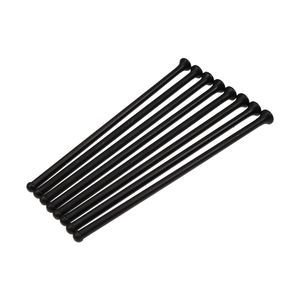
8 Push Rods 02109085 for Deutz D2011L02/F2L2011 Engines – Direct Replacement
View Details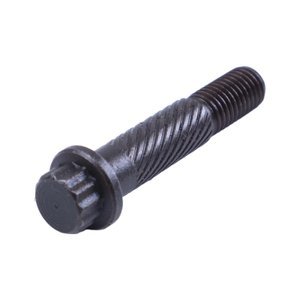
Block & Internal Parts
Connecting Rod Bolt 16851-22140 for Kubota D722 Engine – High-Strength Replacement
View Details
Block & Internal Parts
Main Bearing 04132003 for Deutz TD D2.9 4L – Scheduled Maintenance
View DetailsNeed a Custom Quote?
Our technical team responds within 24 hours. MOQ 1 piece. Ships to 120+ countries from our Guangzhou warehouse.