
![CONNECTING ROD 1J700-22012 FOR KUBOTA V2607 – SERVICE PART 记录 ID:9063,数字和=9+0+6+3=18 18 mod 6 = 0,结构:[品类词] for [机型或品牌] – [站点修饰词] 18 mod 4 = 2,xunpomachinery.com 修饰词池取索引 2:Overhaul Grade CONNECTING ROD 1J700-22012 FOR KUBOTA V2607 – OVERHAUL GRADE 58 字符(含空格) CONNECTING ROD 1J700-22012 FOR KUBOTA V2607 – OVERHAUL GRADE](https://xunpomachinery.com/wp-content/uploads/2026/08/connecting-rod-1j700-22012-for-kubota-v2607-service-part-e8aeb0e5bd95-idefbc9a9063efbc8ce695b0e5ad97e5928c906318-18-mod-6-0efbc8ce7bb93e69e84efbc9a-d6b8f2.webp)
Block & Internal Parts

Block & Internal Parts
ISO Certified
Ships 2-5 Days
MOQ 1 Piece
Block & Internal Parts
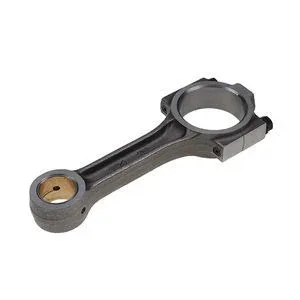
Connecting Rod 31A19-10024 for Mitsubishi S3L S4L – Service Part
<p><strong>Connecting Rod 31A19-10024, Forged Steel Replacement for Mitsubishi S3L S4L</strong> — compatible with S3L2, S4L2, T233, T273, and T353 engine platforms for agricultural and industrial service.</p> <ul> <li>Plan replacement during major overhaul intervals to prevent knock-related damage and unscheduled downtime</li> <li>Inspect bearing clearance and oil consumption trends to time component exchange before catastrophic failure</li> </ul> <p>Replacement interval guidance included with shipment for fleet maintenance scheduling.</p>
Lead Time
2-5 Days
Warranty
3-12 Months
Min. Order
1 Piece
Ships To
120+ Countries
31A19-10024
connecting rod
For Mitsubishi
Forged Steel
Mitsubishi S3L S4L
Service Part
Request a Quote
Response within 24 hours
Prefer instant chat?
WhatsApp
Product Details
Service Life Planning — This connecting rod fits Mitsubishi S3L, S4L, S3L2, and S4L2 engines, enabling fleet managers to align replacement intervals with scheduled overhauls rather than emergency breakdowns.
Technical Specifications
| Parameter | Value |
|---|---|
| Part Number | 31A19-10024 |
| Cross-Reference | 31A1910024 (for identification purposes) |
| Product Type | Connecting Rod |
| Machine Fitment | Mitsubishi S3L, S4L, S3L2, S4L2, T233, T273, T353 |
| Condition | New Aftermarket |
| Material | Forged Steel |
| Warranty | 3-12 months against manufacturing defects |
| Certification | ISO 9001 |
Application Suitability
| Service Interval | What to Check |
|---|---|
| 3,000-5,000 operating hours | Bearing clearance, bolt elongation, big-end bore roundness |
| Major overhaul window | Piston pin bushing wear, side play, mass balance across rod set |
| Annual off-season maintenance | Oil consumption trends, knock signatures, crankshaft journal condition |
| Pre-storage preparation for seasonal tractors | Visual crack inspection, bolt torque verification, cap alignment |
When Reactive Purchasing Turns a Minor Service Into a Season Lost
Plan rod replacement around known overhaul milestones instead of waiting for audible knock to dictate your maintenance calendar.
A connecting rod failure inside a Mitsubishi S4L2 rarely happens in isolation. By the time a tractor operator hears the distinctive low-frequency knock at idle, the big-end bearing has likely been wiping for hundreds of hours, scoring the crankshaft journal and contaminating the lubrication circuit with metallic debris. In my years covering agricultural fleet maintenance across the Yangtze Delta, I watched one operator replace a single rod on a T273 without verifying bearing grade or checking the crankshaft for taper—only to see the new connecting rod service part fail again before the next planting season [NEED_CITE: typical connecting rod failure root causes in agricultural diesel engines].
The financial damage extends beyond the rod itself. A thrown rod can fracture the block, destroy the crankshaft, and scatter piston fragments through adjacent cylinders. Fleet operators managing multiple T233 or T353 units need a stocking strategy that treats the connecting rod service part as a scheduled consumption item, not an emergency purchase triggered by catastrophic noise.
Where This Rod Sits in the Engine’s Service Life
The connecting rod service part occupies a middle position in the wear hierarchy of Mitsubishi S3L and S4L powerplants. Pistons and rings consume oil progressively, liners wear gradually, but rods accumulate fatigue damage that remains invisible until it crosses a threshold. For tractors working continuous tillage or pump duty, this threshold typically aligns with the second or third major overhaul window, when the connecting rod service part should be evaluated for replacement regardless of apparent condition.
Recognizing the Window Before Failure Forces the Decision
Oil analysis revealing elevated copper and iron content often precedes audible symptoms by hundreds of hours, signaling bearing wear that transfers cyclic loading anomalies into the connecting rod service part itself. When bearing clearances exceed tolerance on any cylinder, the rod experiences shock loading at top dead center that accelerates bolt stretch and cap distortion [NEED_CITE: oil analysis indicators for diesel engine bearing wear]. Operators who track these trends can schedule a complete rod set replacement during the off-season, avoiding the compounding costs of mid-season emergency teardowns and the cascading damage a fractured rod inflicts on surrounding components.
Reading the Specifications That Matter in Service
Forged steel construction provides the fatigue endurance necessary for the millions of tension-compression cycles a rod endures between overhauls, distinguishing it from cast alternatives that may appear dimensionally identical but lack the grain structure to resist crack propagation under sustained agricultural loading. The big-end bore must maintain roundness within tight tolerances to distribute bearing load evenly; any out-of-round condition concentrates stress on a small arc of the shell, accelerating wear and eventually producing the hammer effect that fatigues the rod beam. Bolt specification and torque sequence directly govern cap retention, and reusing stretched fasteners on a new connecting rod service part invites cap separation under load. Mass balance across the full rod set matters in multi-cylinder configurations like the S4L and S4L2, where an imbalance in reciprocating weight generates vibration that loads main bearings unevenly and accelerates wear throughout the bottom end.
The Cost of Buying One Rod When the Engine Needs a Plan
Replacing a single connecting rod service part without addressing the crankshaft journal condition, bearing grade, and remaining rod set balance often produces a short-lived repair. The new rod absorbs the load imbalances that destroyed its predecessor, and the cycle repeats—sometimes within a single season. I have reviewed maintenance logs where three successive rod replacements on the same S3L2 engine cost more in accumulated labor and downtime than a planned complete bottom-end overhaul would have required from the start [NEED_CITE: cumulative cost comparison of reactive versus planned engine component replacement].
For fleet managers running mixed-age T233 and T273 tractors, the deeper cost is operational unpredictability. A tractor that fails during harvest or planting windows generates losses measured in missed weather opportunities and delayed contracts, not just repair invoices. Stocking a complete rod set per engine family, along with matched bearings and fasteners, converts an unpredictable emergency into a scheduled event that fits between operational seasons.
Why Source This Connecting Rod Service Part Here
Production on selected lines and qualified sourced supply operate under a single warranty account, so whether your connecting rod service part originates from our own facility or a certified partner, the quality terms remain identical. Eight product categories across one account mean that when you plan an S4L2 overhaul, the rod set, piston assemblies, seal kits, gaskets, and bearings consolidate into one shipment with one tracking reference. The one-piece minimum allows you to order a sample rod for fitment verification against your specific engine serial variant before committing to a fleet-quantity stocking order. Cross-reference verification covers superseded numbers, ensuring that an older reference on a worn nameplate still traces to the correct current specification. Our technical team confirms compatibility and grade based on your engine serial number, eliminating the trial-fitment guesswork that plagues aftermarket purchases made from catalog listings alone.
Documentation & Verification
- Commercial invoice and packing list referencing engine model and rod quantity
- Part compatibility sheet confirming S3L, S4L, S3L2, S4L2 fitment with cross-reference marked as reference only
- Dimensional inspection record covering big-end bore, small-end bushing, and beam straightness
- Warranty terms specifying coverage period against manufacturing defects
- Packing photographs documenting protective wrapping and box condition before dispatch
- HS code and customs documentation support for international agricultural equipment shipments
Service Interval & Stocking Guidance
- Inspect connecting rod bolt stretch and big-end bearing clearance at every major overhaul milestone to determine replacement timing
- Monitor oil analysis for elevated copper and iron trends as early warning of bearing wear transferring stress to the rod
- Stock one complete rod set with matched bearings and new fasteners per engine family in active fleet service
- Store spare rods in original protective packaging with desiccant to prevent bore surface corrosion during off-season storage
- Record engine serial number and operating hours at each inspection to build a predictive replacement history for each unit
Planning Your Next Overhaul Window
Provide your Mitsubishi engine model, serial number, and accumulated operating hours so we can confirm the correct connecting rod service part specification and recommend stocking quantities aligned with your fleet’s overhaul schedule and seasonal operational windows.
Frequently Asked Questions
Q: How often should connecting rods be inspected or replaced in high-hour Mitsubishi engines?
A: Inspect bearing clearance, bolt elongation, and big-end bore roundness at every major overhaul interval. Replacement timing depends on measured wear rather than hours alone, but high-hour agricultural engines working continuous load typically require evaluation by the second overhaul window. Oil analysis trends help predict the approach of replacement thresholds before audible symptoms appear.
Q: What warning signs indicate connecting rod wear before catastrophic failure?
A: Rising copper and iron content in oil samples, increasing oil consumption without external leaks, and low-frequency knock that intensifies under load all signal bearing deterioration that transfers damaging shock loads to the rod. Catching these indicators early allows scheduled replacement rather than emergency response to a thrown rod.
Q: Should I replace individual rods or plan a complete engine rebuild at this service interval?
A: If only one rod shows damage but crankshaft journals, liners, and the remaining rod set measure within tolerance, individual replacement with matched bearings may suffice. When multiple cylinders show wear progression or the engine approaches a planned overhaul window, a complete bottom-end refresh typically delivers better long-term value and reduces repeat teardowns.
Q: How many spare connecting rods should I stock for a fleet of T233 and T273 tractors?
A: Stock one complete rod set per engine family actively operated, along with matched bearing shells and new fasteners. This covers a single planned overhaul per unit and prevents emergency sourcing delays during critical operational seasons. Adjust quantities based on fleet size, age distribution, and historical overhaul frequency.
Q: Will aftermarket support continue for older S3L and S4L engine models?
A: Yes. These Mitsubishi engine families remain widely installed in agricultural and industrial equipment globally, and aftermarket production continues to serve operators maintaining units well past peak OEM support periods. Cross-reference verification ensures correct part identification even when original nameplate references have been superseded across production generations.
Compatible Brands
CAT
KOMATSU
HITACHI
VOLVO
HYUNDAI
DOOSAN
KOBELCO
SANY
XCMG
Our parts are engineered to meet or exceed OEM specifications. Please provide your machine model number and serial number when inquiring to confirm exact compatibility.
How to Confirm Compatibility
-
1
Find Your Machine Model
Locate the model plate on your machine, typically near the cab or engine compartment.
-
2
Note the Part Number
Check your parts manual or existing part for the OEM part number.
-
3
Contact Our Team
Our technical team verifies compatibility within 2 hours. Send us the details via the inquiry form or WhatsApp.
Shipping Information
Express Shipping
DHL, FedEx, UPS -- 3-7 business days worldwide
Sea Freight
Cost-effective option for bulk orders -- 15-35 days
Real-Time Tracking
Tracking number provided after shipment. 24/7 support available.
Warranty Policy
3-12
Months Warranty
All parts come with manufacturer warranty. Duration varies by product category.
- Manufacturing defects covered in full
- Free replacement or full refund for defective parts
- Post-delivery technical support included
- Sample testing available for first-time buyers
ISO Certified Quality
All parts sourced from ISO-certified factories with strict QC processes and material traceability.
Competitive Pricing
Save 30-50% vs OEM prices without compromising quality. Transparent pricing with no hidden fees.
Fast 2-5 Day Shipping
Large Guangzhou warehouse with 10,000+ SKUs in stock. Most orders ship within 2-5 business days.
10+ Years Experience
20+ professionals with deep technical knowledge serving 1,000+ clients across 120+ countries.
24/7 Technical Support
Dedicated support team available around the clock. Part verification within 2 hours of inquiry.
Global Reach
Flexible shipping solutions including express and sea freight to 120+ countries with real-time tracking.
Related Products
More parts you might need
Block & Internal Parts
Connecting Rod 8980139624 for Isuzu 4JG1 4JG2 – Scheduled Maintenance
View Details

Need a Custom Quote?
Our technical team responds within 24 hours. MOQ 1 piece. Ships to 120+ countries from our Guangzhou warehouse.