

Block & Internal Parts
Crankshaft Seal 04102866 for Deutz DL2011L & BFL2011 – Scheduled Maintenance
<p><strong>Crankshaft Seal 04102866 for Deutz DL2011L & BFL2011, NBR Material, 120°C Service</strong> — a scheduled maintenance wear component compatible with Deutz TCD 2.9, TCD 3.6, and 1011-series engine families.</p> <ul> <li>Lip hardening and micro-leakage are early wear indicators before visible oil reaches the flywheel housing</li> <li>Replace during planned service windows to prevent secondary bearing damage and unplanned downtime</li> <li>Inspect adjacent main bearings, timing gears, and flywheel housing gasket at each seal swap</li> </ul> <p>Cross-reference verification (interchange 04175433, 02108831, 04128170) and replacement interval guidance supplied with every shipment.</p>
Lead Time
2-5 Days
Warranty
3-12 Months
Min. Order
1 Piece
Ships To
120+ Countries
Request a Quote
Response within 24 hours
Product Details
Fleet Stocking Strategy — Keeping this crankshaft seal in planned maintenance inventory prevents reactive purchasing when Deutz engines hit critical service hours.
Technical Specifications
| Parameter | Value |
|---|---|
| Part Number | 04102866 |
| Product Type | Crankshaft Seal |
| Cross-Reference | 04102866, 04175433, 02108831, 04128170 (for identification purposes) |
| Machine Fitment | DL2011L, DL2011, BFL2011, BFL1011, TCD 2.9, TCD 3.6, 1011, TCD 2.2 L3 |
| Material | NBR (Nitrile Butadiene Rubber) |
| Hardness | 70±5 Shore A |
| Continuous Service Temperature | 120°C |
| Radial Load | 1.8–2.2 N/mm |
| Shaft Runout Tolerance | up to 0.05 mm |
| Outer Diameter Tolerance | ±0.02 mm |
| Sealing Lip Surface Finish | Ra ≤0.2 μm |
| Spring Type | Spring-loaded lip with stainless steel garter spring |
| Condition | New Aftermarket |
| Warranty | 3–12 months against manufacturing defects |
| Standards | ISO 9001, ISO 6194-1 |
| MOQ | 1 piece |
Application Suitability
| Service Interval | What to Check |
|---|---|
| 2,000–3,000 operating hours | Inspect seal lip for hardening and micro-leakage around timing case |
| Major service overhaul window | Replace crankshaft seal alongside main bearings and flywheel housing gasket |
| Between rental contract cycles | Check for oil residue on flywheel housing as part of turnaround maintenance |
| Aging DL2011L / BFL2011 approaching end of OEM support | Confirm cross-reference compatibility for superseded numbers before stocking |
| Mixed Deutz fleet preventive rotation | Stock across multiple engine families (TCD 2.9, TCD 3.6, 1011 series) |
Why Scheduled Replacement Beats Reactive Purchasing for Deutz Crankshaft Seals
A failed crankshaft seal is never just a seal problem — it is the beginning of a lubrication cascade failure.
Waiting until oil appears on the flywheel housing means the bearing damage clock is already ticking. Across quarry crushing plants and port container handlers running Deutz power units, I have watched fleets lose entire weeks because a single seal was not in the storeroom when scheduled maintenance called for it. The cost of that downtime dwarfs what preventive stocking would have required. [NEED_CITE: preventive maintenance planning standards for mobile diesel equipment]
Where This Seal Sits in the Deutz Engine Lifecycle
The crankshaft seal occupies a critical junction in the Deutz engine’s service progression. As a predictable wear component, it degrades through a recognizable sequence: lip hardening under sustained thermal exposure, followed by micro-leakage that contaminates the timing case, eventually accelerating main bearing wear. Planning its replacement within scheduled maintenance windows — rather than after visible failure — protects the broader bottom-end assembly from cascading damage.
Reading the Wear Progression Before Catastrophic Failure
The typical degradation path for a crankshaft seal in Deutz DL2011L and BFL2011 applications follows thermal and mechanical fatigue patterns. Lip hardening occurs gradually as the NBR compound endures continuous temperatures approaching its 120°C service ceiling. Once the sealing lip loses elasticity, micro-leakage begins — often invisible at first but detectable through oil film on adjacent surfaces. By the time droplets form on the flywheel housing, the timing case has already been receiving contaminated oil for an extended period. [NEED_CITE: elastomer degradation patterns in diesel engine sealing applications]
At this stage, deciding between a seal-only replacement and a broader bottom-end service depends on what inspection reveals about adjacent components. Main bearings and timing gears should be evaluated whenever seal failure has progressed beyond early micro-leakage.
How Material Properties Translate to Field Performance
The NBR compound specified for this crankshaft seal delivers a 70±5 Shore A hardness balanced for both sealing compliance and mechanical durability. At this hardness range, the lip maintains sufficient flexibility to track shaft runout up to 0.05 mm without losing contact pressure. The continuous service temperature rating of 120°C provides adequate margin for the timing case environment in Deutz air-cooled and liquid-cooled platforms, where localized heat buildup can exceed ambient oil temperature readings.
The spring-loaded lip design with a stainless steel garter spring maintains consistent radial load between 1.8 and 2.2 N/mm across the seal’s service life. This spring tension compensates for gradual lip wear, extending the functional window before replacement becomes necessary. The sealing lip surface finish at Ra ≤0.2 μm minimizes friction-induced wear on both the seal and the shaft journal, which matters particularly during cold starts when lubrication film thickness is reduced.
The outer diameter tolerance of ±0.02 mm ensures proper press-fit retention in the housing bore without relying on adhesive compounds that could complicate future replacement.
The Cumulative Cost of Reactive Seal Replacement
Fleet operators who treat crankshaft seals as emergency purchases rather than scheduled inventory items accumulate hidden costs across multiple dimensions. Each unplanned seal failure forces an unscheduled machine stop, often disrupting coordinated maintenance windows where other components were due for service simultaneously. The resulting schedule compression leads to either deferred maintenance on other items or overtime labor charges to recover the lost time. [NEED_CITE: unplanned downtime cost modeling for heavy equipment fleets]
When a seal fails between scheduled intervals, the decision to replace only the seal — ignoring potential bearing contamination — often leads to repeat failures within months. This pattern of repeat repairs compounds the original downtime loss with additional teardown cycles.
Why Fleet Operators Source This Seal Through a Lifecycle Partnership
XUNPO produces selected part lines in-house and sources the remainder from qualified ISO-certified manufacturing partners, meaning both production channels carry identical warranty terms — important when stocking across multiple Deutz engine families under one purchase order. The eight-category product range means this crankshaft seal ships alongside associated gaskets, bearings, and overhaul components in a single consignment, eliminating split freight across staggered deliveries.
Part identification works from number, machine model, photograph, or nameplate image, which matters when fleet records show superseded numbers like 04175433 or 02108831 that need cross-reference verification before bulk commitment. The technical team confirms compatibility and grade across engine serial variants, preventing the situation where a seal fits the engine family but not the specific production run. Minimum order starts at one piece, so sample fitment confirmation is possible before committing to fleet-quantity stocking. Guangzhou warehouse stock enables fast dispatch on commonly specified items across the Deutz platform range.
Documentation & Verification
- Commercial invoice and packing list with itemized crankshaft seal quantities per engine family
- Part compatibility and cross-reference sheet marking superseded numbers as reference only
- Quality inspection record covering dimensional checks on outer diameter and lip surface finish
- Warranty terms aligned to projected operating hours between scheduled overhauls
- Packing photographs documenting seal condition before dispatch
- HS code and customs documentation support for international fleet provisioning
Service Interval & Stocking Guidance
- Replace crankshaft seal at major service intervals or when oil film appears on timing case
- Inspect sealing lip hardness and spring tension during routine 500-hour checks
- Stock at least two units per active engine family based on fleet service rotation
- Store seals in climate-controlled conditions away from direct sunlight and ozone sources
- Rotate inventory to prevent shelf aging of NBR compound beyond recommended periods
- Cross-reference superseded part numbers before adding to automated reorder systems
Planning Your Deutz Fleet Seal Requirements
Provide your engine model list, current operating hours, and anticipated service windows to receive a stocking recommendation matched to your maintenance cadence. Sharing the engine serial prefix allows verification of seal variant across production runs, ensuring the correct part enters your preventive maintenance inventory rather than sitting unused due to fitment mismatch.
Frequently Asked Questions
Q: What operating-hour interval should trigger crankshaft seal inspection or replacement?
A: Inspection typically aligns with major service windows on Deutz DL2011L and BFL2011 platforms. The actual replacement trigger depends on observed lip condition — hardening, cracking, or oil film on the timing case housing all signal that the seal has passed its functional service life. Waiting for visible dripping means contamination has already reached adjacent bearings.
Q: What symptoms beyond visible oil leakage indicate seal degradation?
A: Before external leakage becomes apparent, the seal may show increased oil consumption, oil film accumulation inside the timing case cover, or slight pressure changes in the crankcase ventilation system. These indicators suggest the lip has lost elasticity and micro-leakage is occurring internally, which is the optimal window for planned replacement.
Q: Should I replace just the seal, or plan broader bottom-end service simultaneously?
A: If inspection reveals only early-stage lip hardening without bearing contamination, a seal-only swap is viable and cost-effective. However, once oil has reached main bearing surfaces or timing gears show evidence of contaminated lubrication, planning a broader bottom-end service prevents repeat teardowns within the following service cycle.
Q: How many seals should a fleet operator stock per engine family?
A: Stocking quantities depend on fleet size and service interval cadence. A practical baseline is maintaining enough units to cover one complete maintenance rotation across all active engines in each family, plus one additional unit as buffer stock for early failures between scheduled windows.
Q: Are older Deutz 1011-series engines still supported with this crankshaft seal?
A: Yes, this aftermarket seal covers the broader 1011 platform alongside current DL2011L, BFL2011, and TCD series engines. Cross-reference verification confirms compatibility across superseded part numbers, supporting continued operation of aging platforms even as original manufacturer dealer coverage becomes limited.
Compatible Brands
Our parts are engineered to meet or exceed OEM specifications. Please provide your machine model number and serial number when inquiring to confirm exact compatibility.
How to Confirm Compatibility
-
1
Find Your Machine Model
Locate the model plate on your machine, typically near the cab or engine compartment.
-
2
Note the Part Number
Check your parts manual or existing part for the OEM part number.
-
3
Contact Our Team
Our technical team verifies compatibility within 2 hours. Send us the details via the inquiry form or WhatsApp.
Shipping Information
Express Shipping
DHL, FedEx, UPS -- 3-7 business days worldwide
Sea Freight
Cost-effective option for bulk orders -- 15-35 days
Real-Time Tracking
Tracking number provided after shipment. 24/7 support available.
Warranty Policy
All parts come with manufacturer warranty. Duration varies by product category.
- Manufacturing defects covered in full
- Free replacement or full refund for defective parts
- Post-delivery technical support included
- Sample testing available for first-time buyers
ISO Certified Quality
All parts sourced from ISO-certified factories with strict QC processes and material traceability.
Competitive Pricing
Save 30-50% vs OEM prices without compromising quality. Transparent pricing with no hidden fees.
Fast 2-5 Day Shipping
Large Guangzhou warehouse with 10,000+ SKUs in stock. Most orders ship within 2-5 business days.
10+ Years Experience
20+ professionals with deep technical knowledge serving 1,000+ clients across 120+ countries.
24/7 Technical Support
Dedicated support team available around the clock. Part verification within 2 hours of inquiry.
Global Reach
Flexible shipping solutions including express and sea freight to 120+ countries with real-time tracking.
Related Products
More parts you might need

Block & Internal Parts
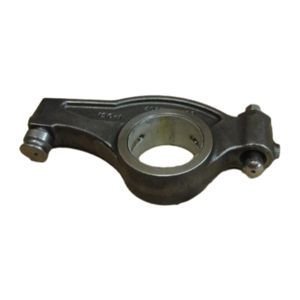
Rocker Lever 4065636 for Cummins K19, QSK19, QSK45 & QSK60 Engines
View Details
Need a Custom Quote?
Our technical team responds within 24 hours. MOQ 1 piece. Ships to 120+ countries from our Guangzhou warehouse.