
Belt Drive Systems
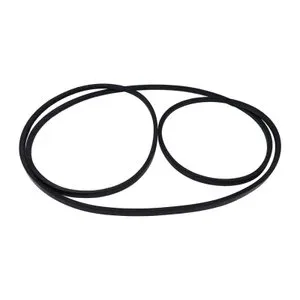
Deck Belt 131-1122 145-3482 Replacement for Toro Grandstand – Scheduled Maintenance
<p><strong>131-1122 Deck Belt</strong>, 52" replacement for Toro Grandstand 74505, 74519, 74529, 79505 — cross-reference 145-3482.</p> <ul> <li>Plan deck belt replacement around operating-hour intervals before peak mowing season to avoid revenue-losing downtime. Inspect pulleys, tensioners, and idlers at each belt change; worn grooves or bearing play shorten the new belt's service life. Stocking ahead consolidates seasonal consumption into one shipment.</li> <li>Replacement interval guidance and cross-reference verification provided with every order to support long-term fleet planning.</li> </ul>
Lead Time
2-5 Days
Warranty
3-12 Months
Min. Order
1 Piece
Ships To
120+ Countries
Request a Quote
Response within 24 hours
Product Details
Fleet Stocking Planning — Seasonal belt consumption calculated for landscaping fleets to prevent peak-season shortages on Grandstand mowers.
Technical Specifications
| Parameter | Value |
|---|---|
| Part Number | 131-1122 |
| Cross-Reference | 1311122, 145-3482, 1453482 (for identification purposes) |
| Machine Fitment | 74505, 74519, 74529, 79505 Grandstand, Grandstand Multi Force Mowers |
| Brand Compatibility | Toro |
| Product Type | Belt |
| Part Name | 52" Deck Belt |
| Condition | New Aftermarket |
| Warranty | 3-12 months against manufacturing defects |
| MOQ | 1 piece |
| Quality Standard | ISO 9001 |
Application Suitability
| Service Interval | What to Check |
|---|---|
| Pre-season fleet inspection | Belt sidewall cracking, glazing, and frayed cords on 52" decks |
| Mid-season high-hour service | Pulley groove wear and idler bearing play affecting belt tracking |
| End-of-season storage prep | Tensioner spring fatigue and belt seating depth in sheaves |
| Post-impact or debris strike | Belt cord separation and deck spindle alignment |
Why Reactive Belt Buying Costs Landscapers More Than the Part
Schedule the replacement, or the schedule will decide for you.
In commercial mowing operations, a snapped deck belt rarely fails at the shop; it fails on the third job of the day during peak season. Operators running multiple Grandstand units face the same pattern year after year: a belt breaks, the mower sits idle while someone drives to a local dealer or waits for an online order, and the crew’s daily revenue drops. The part itself is a minor expense compared to the missed contracts and split shipments that follow. [NEED_CITE: preventive maintenance scheduling standards for commercial grounds care fleets]
I have seen landscaping contractors lose entire days because a single deck belt was treated as an emergency purchase instead of a planned wear item. When you order one belt for a down machine, you pay premium freight for a single SKU. When you stock based on seasonal hours, the mower belt maintenance replacement becomes a line item on a consolidated order that arrives before you need it.
The Deck Belt’s Position in the Mower Service Calendar
Commercial Toro Grandstand mowers operate under continuous load during the mowing season, and the deck belt sits at the center of that mechanical stress. Unlike engine oil or air filters that get swapped during routine fluid services, the deck belt often escapes attention until visible damage appears. By that point, the belt has typically been slipping under load, generating excess heat, and accelerating wear on the pulleys it rides on. Planning a deck belt service part swap at predetermined hour intervals prevents the cascade of secondary damage that turns a simple belt change into a full deck-drive overhaul.
Reading Wear Progression Before the Belt Fails
A deck belt does not fail without warning if you know where to look. Sidewall glazing indicates the belt has been slipping against the pulley grooves, usually because tension has dropped or the idler bearings have developed play. Frayed cords at the belt edges suggest misalignment in the deck spindle or a pulley that has worn unevenly. When these signs appear during a scheduled inspection, it is time to order replacement stock rather than wait for the belt to snap under a heavy cut. [NEED_CITE: belt drive wear indicators and inspection criteria for commercial mowing equipment]
Replacing the belt at this stage also gives technicians the opportunity to check adjacent components. A worn belt accelerates pulley groove wear, and installing a new belt on damaged sheaves causes the replacement to fail prematurely. Inspecting the tensioner spring, idler bearings, and spindle alignment during the belt swap ensures the new belt achieves its expected service life.
Understanding the Load Path Through the 52-Inch Deck
The 52" deck belt routes power from the engine PTO to multiple spindle assemblies across the cutting width. This long routing path means the belt must maintain consistent tension across several pulleys while absorbing shock loads from blade impacts with dense grass or hidden obstacles. The belt’s cord construction handles the tensile load, while the sidewall compound manages friction and heat buildup in the pulley grooves.
For fleet operators running Grandstand Multi Force Mowers, the belt also interfaces with the Multi Force attachment system, adding another layer of routing complexity. Ensuring the correct belt length and routing pattern for your specific model variant prevents the tracking issues that cause premature belt walk-off. The ISO 9001 production standard applied to this aftermarket deck belt ensures dimensional consistency across production runs, which matters when you are stocking for a mixed fleet.
The Hidden Cost of Waiting Until It Snaps
Reactively buying deck belts means you are always one failure behind. A landscaping fleet running ten Grandstand units through peak season will consume belts at a predictable rate based on operating hours and cutting conditions. When each replacement is treated as an emergency, the cumulative cost of expedited shipping, crew downtime, and rushed installations adds up significantly over a season. [NEED_CITE: total cost of ownership analysis for reactive versus preventive parts procurement]
Beyond the direct costs, reactive procurement forces operators to accept whatever belt is available locally, which may not match the correct length or compound specification for their deck configuration. A belt that is slightly off in length or routing will either run too tight, stressing the idler bearings, or too loose, causing slip and heat damage. Planning your mower belt maintenance replacement inventory ahead of the season eliminates this gamble.
Why Source This Deck Belt Through XUNPO
XUNPO maintains the 131-1122 and 145-3482 cross-reference identification (cross-reference only) under a single account, so fleet operators can consolidate belt orders with pulleys, tensioners, and other wear items. Minimum order starts at one piece, which supports both emergency needs and planned stocking programs. Our Guangzhou warehouse holds common wear items for fast dispatch when seasonal demand spikes.
Technical support verifies belt compatibility from machine model, serial range, or deck configuration photographs when nameplate data is unclear. Cross-reference verification covers superseded numbers, ensuring older Grandstand models remain supported even as OEM part numbers change across generations. Sample supply is available for fitment confirmation before committing to bulk fleet orders.
Documentation & Verification
- Commercial invoice listing belt quantities matched to your fleet’s model distribution
- Part compatibility sheet confirming 131-1122 and 145-3482 interchange reference applicability
- Quality inspection record verifying belt length and cord integrity before dispatch
- Warranty terms covering manufacturing defects for 3 to 12 months
- Packing photographs showing belt condition at time of shipment
- HS code and customs documentation support for international fleet supply
Service Interval & Stocking Guidance
- Calculate seasonal belt consumption based on operating hours per Grandstand unit in your fleet
- Inspect belt sidewalls and pulley grooves at pre-season and mid-season service points
- Stock one spare belt per mower for peak season, adjusting upward for high-debris conditions
- Store spare belts in a cool, dry environment away from direct sunlight and ozone sources
- Replace tensioner springs and idler bearings when belts show glazing or tracking issues
- Verify belt routing against deck-specific diagrams for 74505, 74519, 74529, and 79505 variants
Plan Your Fleet’s Belt Inventory Before Peak Season
Provide your Grandstand model list, annual operating hours per unit, and current belt replacement frequency to receive a stocking recommendation aligned with your seasonal workload. We can consolidate this deck belt service part with pulleys, tensioners, and related wear items into a single pre-season shipment.
Frequently Asked Questions
Q: How often should deck belts be replaced on commercial Toro Grandstand mowers?
A: Replacement intervals depend on operating hours, cutting conditions, and debris exposure. Commercial fleets typically inspect belts at pre-season and mid-season service points, with replacement scheduled when sidewall glazing, cord fraying, or tracking issues appear. Aligning your mower belt maintenance replacement schedule with hour-based inspections prevents unexpected failures during peak workload periods.
Q: What other components should be inspected or replaced when changing the deck belt?
A: When swapping a deck belt, inspect the pulley grooves for uneven wear, check idler bearings for play, and verify tensioner spring function. Worn pulleys or failing bearings will cause the new belt to wear prematurely. Addressing these adjacent components during the belt service ensures the replacement achieves its expected service life.
Q: Should I replace just the belt or the entire belt-drive assembly?
A: If pulleys show groove wear, idlers have bearing play, or the tensioner spring has fatigued, replacing only the belt will result in early failure. Evaluate the entire belt-drive path during scheduled inspections. When multiple components show wear, replacing them together as a set is more cost-effective than repeated single-component swaps.
Q: How many spare belts should a landscaping fleet keep in stock?
A: Stocking strategy depends on fleet size, seasonal workload intensity, and lead times for resupply. A baseline of one spare belt per mower covers typical peak-season consumption, while high-debris environments may require additional stock. Consolidating your order before the season avoids emergency single-piece shipments during peak demand.
Q: Can I still get replacement belts for older Grandstand models?
A: Yes. XUNPO supports aging Grandstand units with verified cross-reference identification covering superseded part numbers. Provide your machine model and serial range, and our technical team will confirm the correct belt specification for your specific deck configuration, even if the original OEM number has been updated or discontinued.
Compatible Brands
Our parts are engineered to meet or exceed OEM specifications. Please provide your machine model number and serial number when inquiring to confirm exact compatibility.
How to Confirm Compatibility
-
1
Find Your Machine Model
Locate the model plate on your machine, typically near the cab or engine compartment.
-
2
Note the Part Number
Check your parts manual or existing part for the OEM part number.
-
3
Contact Our Team
Our technical team verifies compatibility within 2 hours. Send us the details via the inquiry form or WhatsApp.
Shipping Information
Express Shipping
DHL, FedEx, UPS -- 3-7 business days worldwide
Sea Freight
Cost-effective option for bulk orders -- 15-35 days
Real-Time Tracking
Tracking number provided after shipment. 24/7 support available.
Warranty Policy
All parts come with manufacturer warranty. Duration varies by product category.
- Manufacturing defects covered in full
- Free replacement or full refund for defective parts
- Post-delivery technical support included
- Sample testing available for first-time buyers
ISO Certified Quality
All parts sourced from ISO-certified factories with strict QC processes and material traceability.
Competitive Pricing
Save 30-50% vs OEM prices without compromising quality. Transparent pricing with no hidden fees.
Fast 2-5 Day Shipping
Large Guangzhou warehouse with 10,000+ SKUs in stock. Most orders ship within 2-5 business days.
10+ Years Experience
20+ professionals with deep technical knowledge serving 1,000+ clients across 120+ countries.
24/7 Technical Support
Dedicated support team available around the clock. Part verification within 2 hours of inquiry.
Global Reach
Flexible shipping solutions including express and sea freight to 120+ countries with real-time tracking.
Related Products
More parts you might need
Need a Custom Quote?
Our technical team responds within 24 hours. MOQ 1 piece. Ships to 120+ countries from our Guangzhou warehouse.