
Engine Auxiliary Components

Engine Auxiliary Components
ISO Certified
Ships 2-5 Days
MOQ 1 Piece
Engine Auxiliary Components
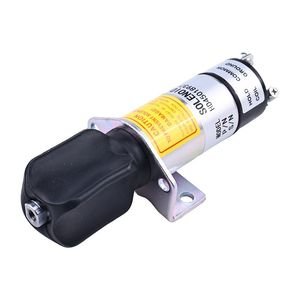
Fuel Shut Off Solenoid 16200-Z6L-003 – Service Part for Honda GX630 GX660 GX690
<p><strong>16200-Z6L-003 Fuel Shut Off Solenoid</strong> — 12V DC, FKM O-ring rated to 200°C, replacement for Honda GX630, GX660, GX690 engines.</p> <ul> <li>Plan proactive replacement at scheduled service intervals to avoid unplanned downtime on generators, compressors, and concrete mixers</li> <li>Typical wear signs include coil thermal fatigue and O-ring compression set — inspect carburetor float bowl seals and wiring connectors during service</li> <li>Single-component swap is cost-effective unless fuel system shows broader degradation requiring assembly-level overhaul</li> </ul> <p>Supported by lifecycle planning guidance: replacement interval recommendations ship with your order for fleet maintenance scheduling.</p>
Lead Time
2-5 Days
Warranty
3-12 Months
Min. Order
1 Piece
Ships To
120+ Countries
16200-Z6L-003
For Honda GX630
Fuel System
Service Part
stop solenoid
Request a Quote
Response within 24 hours
Prefer instant chat?
WhatsApp
Product Details
Fleet Stocking Plans — Proactive inventory of high-failure-rate solenoids keeps rental and municipal fleets running without reactive purchasing delays.
Technical Specifications
| Parameter | Value |
|---|---|
| Product Type | Stop Solenoid |
| Part Number | 16200-Z6L-003 |
| Cross-Reference | 16200-Z6L-003 (reference only), 16200Z6L003 (reference only) |
| Machine Fitment | Honda GX630, GX660, GX690 |
| Voltage | 12V DC |
| Coil Insulation Class | IEC 60034 Class B (130°C) |
| O-Ring Material | FKM fluoroelastomer |
| O-Ring Temperature Rating | 200°C |
| Operating Temperature Range | -10°C to +60°C |
| Fuel Pressure Seal Validation | 3 bar |
| Mounting Thread | M5x0.8 |
| Warranty | 6 months against manufacturing defects |
Application Suitability
| Service Interval | What to Check |
|---|---|
| Annual generator maintenance cycle | Coil thermal fatigue signs, O-ring compression set |
| Post-overhaul engine reassembly | Carburetor float bowl seals, fuel line condition |
| High-duty-cycle rental fleet operations | Wiring harness connector integrity, fuel system contamination |
| Municipal backup power unit audits | Plunger stroke response, voltage drop under load |
| Older GX630/GX660 fleet sustainment | Superseded part numbers, production variant differences |
Why Fleets Lose Weeks Over a Single Solenoid
Reactive procurement of small but mission-critical components creates disproportionate downtime across entire job sites.
When a Honda-powered generator goes silent at a remote mining camp or municipal water treatment facility, the cascade effect extends far beyond the affected unit. Lighting towers shut down, concrete pours halt, and backup systems fail to engage precisely when they are needed most. [NEED_CITE: unplanned downtime costs in remote mining operations] The fuel shut off solenoid 16200-Z6L-003 is a component that typically fails without warning—coil insulation breaks down over thousands of thermal cycles, and the FKM O-ring gradually loses its sealing force. By the time the engine refuses to start or fails to shut down cleanly, the damage to operational schedules is already done.
Fleet managers who treat this fuel shut off solenoid service part maintenance item as an emergency-only purchase consistently find themselves paying premium freight rates while crews stand idle. The pattern repeats across rental companies and municipal operations: the solenoid fails on Friday afternoon, the part ships Monday, and the machine sits non-productive through the weekend and into the following week.
Lifecycle Positioning for Fleet Maintenance Programs
This fuel shut off solenoid belongs to the preventive maintenance category rather than the overhaul or repair category. It is a component that wears predictably through thermal cycling and elastomer aging, not through catastrophic failure modes. Fleet maintenance planners should position it alongside air filters, fuel filters, and spark plugs in the scheduled service parts inventory for any equipment powered by Honda GX630, GX660, or GX690 engines.
The component sits at the intersection of the electrical system and the fuel system, making it a logical checkpoint during any carburetor service or electrical system diagnostic procedure. When maintenance teams are already inspecting the carburetor float bowl or testing the charging system, the additional time required to verify solenoid function and replace it proactively is minimal compared to the downtime avoided.
Predictable Wear Patterns and Replacement Triggers
The FKM fluoroelastomer O-ring maintains its sealing capability up to 200°C, but the operating environment inside an engine compartment subjects it to sustained heat exposure that gradually reduces elasticity. [NEED_CITE: elastomer compression set under sustained thermal loading] When the O-ring compression set exceeds acceptable limits, fuel weepage begins—often invisible during routine inspection but detectable through fuel consumption anomalies or hard-starting symptoms.
Coil thermal fatigue follows a similar progression. The Class B insulation system is rated for 130°C continuous operation, but repeated start-stop cycles in generator applications create thermal shock that accelerates insulation breakdown. The fuel shut off solenoid service part maintenance schedule should account for these wear mechanisms by establishing replacement intervals based on operating hours and duty cycle intensity rather than waiting for complete failure events.
Engineering Specifications That Determine Service Life
The 12V DC operating voltage and M5x0.8 mounting thread are standard specifications that ensure direct replacement compatibility with Honda GX series carburetors. The IEC 60034 Class B insulation rating provides a thermal margin that accommodates the elevated ambient temperatures found in enclosed generator housings and construction site lighting tower compartments.
The FKM O-ring material selection addresses the chemical compatibility requirements of modern fuel formulations, including ethanol-blended gasoline that degrades standard NBR seals. The 3 bar fuel pressure seal validation ensures the solenoid maintains positive shut-off capability across the full operating pressure range of gravity-fed and low-pressure fuel delivery systems. [NEED_CITE: fuel system seal material compatibility standards]
The Hidden Cost of Reactive Procurement Strategies
Fleet operators who purchase solenoids only after failure events accumulate hidden costs that far exceed the component price. Each reactive purchase triggers expedited freight charges, extends machine downtime while the part transits, and forces maintenance teams to work unscheduled overtime during installation. [NEED_CITE: total cost of reactive versus preventive maintenance]
When a rental company operates fifty Honda-powered generators across multiple job sites, the statistical probability of at least one solenoid failure per quarter approaches certainty. The cumulative downtime from reactive purchasing—multiplied across the fleet and compounded by cascading operational delays—represents a far greater financial impact than maintaining adequate spare parts inventory.
Why Procurement Teams Consolidate Here
Guangzhou warehouse stock enables rapid dispatch of common maintenance items like this solenoid, supporting both planned service programs and emergency requirements. The single-account structure covers eight equipment categories, allowing fleet managers to consolidate generator parts, excavator components, and loader spares into unified purchase orders with synchronized delivery schedules.
Part identification services accept machine model numbers, nameplate photographs, or worn component images, eliminating the guesswork that leads to incorrect orders. Cross-reference verification covers superseded part numbers and production variants, ensuring the solenoid ordered matches the specific engine serial prefix in the fleet. Sample supply allows fitment confirmation before bulk commitment, particularly valuable when standardizing inventory across mixed-age equipment fleets. Technical support confirms compatibility and grade requirements, preventing the costly errors that result from catalog misinterpretation.
Documentation & Verification
- Commercial invoice lists part number 16200-Z6L-003 with full machine compatibility notation
- Cross-reference sheet maps Honda OEM numbers for identification purposes only
- Quality inspection records verify coil resistance and plunger stroke before dispatch
- Warranty terms cover manufacturing defects in coil windings and O-ring seals
- Packing photographs document individual unit protection and carton contents
- HS code and customs documentation support provided for international shipments
Service Interval & Stocking Guidance
- Replace solenoid during annual generator service or at 2000 operating hours
- Inspect O-ring for compression set during carburetor float bowl service
- Stock one spare unit per ten machines in active rental fleet
- Store in dry conditions below 40°C to preserve O-ring elasticity
- Verify engine serial prefix matches GX630, GX660, or GX690 designation
- Check wiring harness connector for corrosion during solenoid replacement
Procurement Consultation
Provide your fleet composition including engine models, serial number prefixes, and annual operating hour projections to receive customized replacement interval recommendations and stocking quantity guidance. Share historical failure data if available to refine preventive maintenance scheduling. Request cross-reference verification if your current inventory lists superseded part numbers or variant designations.
Frequently Asked Questions
Q: What operating-hour interval should trigger a proactive solenoid replacement?
A: Replacement timing depends on duty cycle intensity and ambient temperature conditions. High-cycle rental applications may require annual replacement, while standby generator units with infrequent operation can extend intervals significantly. Monitor for hard-starting symptoms and fuel weepage as early indicators of degradation. [NEED_CITE: preventive maintenance interval determination methods]
Q: What symptoms indicate the solenoid is degrading before complete failure?
A: Early warning signs include intermittent failure to shut down when the ignition is turned off, extended cranking time before engine start, and visible fuel residue around the solenoid mounting flange. Electrical testing may reveal increased coil resistance or voltage drop beyond normal parameters.
Q: Should I replace the solenoid alone or the entire carburetor assembly?
A: If the solenoid failure is isolated to coil burnout or O-ring degradation, component-level replacement is appropriate. However, if the carburetor shows signs of internal corrosion, float mechanism wear, or multiple component failures, assembly exchange provides more reliable long-term performance.
Q: How many spare units should a rental fleet keep in stock?
A: Stocking calculations should account for fleet size, geographic distribution of equipment, and historical failure frequency. A common baseline is one spare unit per ten active machines, adjusted upward for remote operations where resupply logistics extend downtime.
Q: Can I still source this part for older GX630 engines as newer models replace them?
A: Yes, aftermarket supply continues for legacy engine models even as manufacturer direct support diminishes. Cross-reference verification ensures the replacement solenoid matches the specific production variant and mounting configuration of older engines in your fleet.
Compatible Brands
CAT
KOMATSU
HITACHI
VOLVO
HYUNDAI
DOOSAN
KOBELCO
SANY
XCMG
Our parts are engineered to meet or exceed OEM specifications. Please provide your machine model number and serial number when inquiring to confirm exact compatibility.
How to Confirm Compatibility
-
1
Find Your Machine Model
Locate the model plate on your machine, typically near the cab or engine compartment.
-
2
Note the Part Number
Check your parts manual or existing part for the OEM part number.
-
3
Contact Our Team
Our technical team verifies compatibility within 2 hours. Send us the details via the inquiry form or WhatsApp.
Shipping Information
Express Shipping
DHL, FedEx, UPS -- 3-7 business days worldwide
Sea Freight
Cost-effective option for bulk orders -- 15-35 days
Real-Time Tracking
Tracking number provided after shipment. 24/7 support available.
Warranty Policy
3-12
Months Warranty
All parts come with manufacturer warranty. Duration varies by product category.
- Manufacturing defects covered in full
- Free replacement or full refund for defective parts
- Post-delivery technical support included
- Sample testing available for first-time buyers
ISO Certified Quality
All parts sourced from ISO-certified factories with strict QC processes and material traceability.
Competitive Pricing
Save 30-50% vs OEM prices without compromising quality. Transparent pricing with no hidden fees.
Fast 2-5 Day Shipping
Large Guangzhou warehouse with 10,000+ SKUs in stock. Most orders ship within 2-5 business days.
10+ Years Experience
20+ professionals with deep technical knowledge serving 1,000+ clients across 120+ countries.
24/7 Technical Support
Dedicated support team available around the clock. Part verification within 2 hours of inquiry.
Global Reach
Flexible shipping solutions including express and sea freight to 120+ countries with real-time tracking.
Related Products
More parts you might need

Engine Auxiliary Components
Pull Start Recoil Starter 28400Z0DV04ZA for Multiquip Mikasa Rammers – Scheduled Maintenance
View Details
Engine Auxiliary Components
Mitsubishi L3E-Compatible Glow Plug 16693SRV – Fleet Supply
View Details
Need a Custom Quote?
Our technical team responds within 24 hours. MOQ 1 piece. Ships to 120+ countries from our Guangzhou warehouse.