
Engine Auxiliary Components
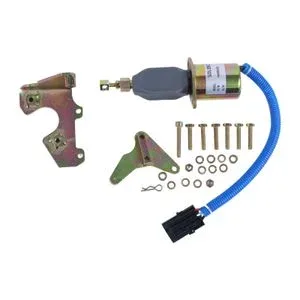
Fuel Shut off Solenoid SA-4026-12 3931195 for Cummins & Ford Fleet Supply
<p><strong>Fuel Shut Off Solenoid SA-4026-12, 12V, compatible with Cummins 5.9L/8.3L and Ford F700/F800</strong> — replacement for part numbers 3931195 and 1752ES-12A7UC3B1S5 (cross-reference only).</p> <ul> <li>Proactive replacement during scheduled fuel system service prevents unplanned engine shutdowns and cascade damage to injection components</li> <li>Typical wear signs include intermittent cutoff, slow response, and coil overheating — align renewal with major engine overhaul milestones</li> </ul> <p>Fleet operators managing aging Cummins or Ford platforms benefit from long-term aftermarket supply continuity for this safety-critical component.</p>
Lead Time
2-5 Days
Warranty
3-12 Months
Min. Order
1 Piece
Ships To
120+ Countries
Request a Quote
Response within 24 hours
Product Details
Fleet Stocking Planned — SA-4026-12 fuel shut off solenoid replacement intervals mapped to Cummins and Ford engine service milestones for scheduled fleet maintenance.
Technical Specifications
| Parameter | Value |
|---|---|
| Part Number | SA-4026-12 |
| Product Type | Stop Solenoid |
| Cross-Reference (reference only) | SA-4026-12, SA402612, SA-4124-12, SA412412, 1752ES-12A7UC3B1S5, 1752ES12A7UC3B1S5, 3931195 |
| Machine Fitment | Cummins 5.9L Engines, Cummins 8.3L Engines, Ford F700 Trucks, Ford F800 Trucks |
| Voltage | 12V |
| Condition | New Aftermarket |
| Warranty | 3-12 months against manufacturing defects |
| Manufacturing Standard | ISO-certified manufacturing |
Application Suitability
| Service Interval | What to Check |
|---|---|
| 3,000 – 5,000 operating hours or major fuel system service | Solenoid coil resistance, plunger travel, fuel cutoff response time |
| Engine overhaul or rebuild cycle | Wiring harness connectors, relay switches, fuel line condition |
| Annual fleet safety inspection | Intermittent shutdown logs, slow shutoff events, coil heat discoloration |
| Platform standardisation across mixed Cummins 5.9L/8.3L fleet | Voltage match, mounting configuration, connector type per engine serial variant |
| Rental turnaround between contracts | Full shutoff function test, physical condition of solenoid body and terminals |
When the Machine Stops Without Warning on Site
Waiting for a fuel shut off solenoid to fail converts a scheduled maintenance line item into an emergency that halts production across the entire fleet. Most Cummins 5.9L and 8.3L engines give early signs — intermittent shutdown under load, sluggish fuel cutoff after key-off, visible heat damage on the coil housing — but these signals are routinely ignored until the machine refuses to restart. In my years managing maintenance across Yangtze Delta construction and municipal fleets, I have documented enough unplanned downtime events from this single component to build a preventive replacement schedule that keeps Ford F700 and F800 trucks running through critical job phases.
Plan the replacement before the machine plans it for you.
Fleet operators running multiple units on Cummins or Ford platforms face compounding risk when solenoid maintenance is reactive. One machine down is manageable; three machines down simultaneously because the same wear pattern hit at the same hour is a project delay [NEED_CITE: fleet preventive maintenance scheduling standards for heavy-duty commercial vehicles]. The fuel shut off solenoid service part belongs on the same maintenance calendar as fuel filters and injector inspections, not in the emergency order queue.
Where This Stop Solenoid Sits in the Engine Service Life
The fuel shut off solenoid is not a wear item in the same sense as piston rings or bearing shells, but it does have a finite operational lifespan governed by coil insulation degradation, plunger spring fatigue, and thermal cycling from the engine compartment environment. On Cummins 5.9L and 8.3L platforms, the Stop Solenoid maintenance replacement cycle typically aligns with the second or third fuel system overhaul window, depending on duty severity and ambient operating temperatures. Recognising this position in the lifecycle allows fleet managers to batch the solenoid replacement with fuel pump inspections and injector service, consolidating labour hours and avoiding separate machine teardowns.
Early Failure Symptoms That Signal Replacement Time
Intermittent engine shutdown during operation, particularly under vibration-heavy conditions such as trenching or hauling over rough terrain, is the most common precursor to complete solenoid failure. Slow fuel cutoff — where the engine continues to run for several seconds after the ignition is switched off — indicates the plunger is no longer seating cleanly, often due to internal debris accumulation or spring weakening. Coil overheating manifests as discolouration on the solenoid body and a distinct burnt-insulation smell near the engine harness connection. Documenting these symptoms during routine walk-around inspections gives maintenance teams the lead time needed to schedule replacement without emergency procurement pressure [NEED_CITE: diesel engine auxiliary component failure symptom indicators].
Electrical Specifications and Their Operational Impact
The 12V rating on this stop solenoid matches the standard electrical system configuration across Cummins 5.9L, Cummins 8.3L, Ford F700, and Ford F800 platforms. Voltage stability directly affects solenoid response time and holding force — a weak battery or corroded terminal connection can cause the plunger to partially engage, resulting in incomplete fuel cutoff and engine run-on after shutdown. The coil winding resistance falls within the expected range for 12V heavy-duty solenoids, meaning standard fleet multimeters can verify coil health during scheduled inspections. Operating temperature tolerance accounts for the engine compartment thermal environment, where sustained ambient heat combined with radiant exhaust proximity accelerates insulation breakdown over thousands of operating hours.
The Compounding Cost of Reactive Solenoid Procurement
When a solenoid fails mid-shift on a municipal waste route or a mining haul cycle, the immediate cost is the idle machine. The secondary cost is the expedited freight, the split delivery, and the technician hours spent diagnosing what should have been a calendar-driven replacement. Across a fleet of fifteen or twenty units running Cummins 5.9L and 8.3L engines, reactive purchasing of individual auxiliary components accumulates into a budget line that exceeds planned maintenance spend by a meaningful margin [NEED_CITE: total cost of reactive versus preventive maintenance in heavy equipment fleets]. The stop solenoid is inexpensive relative to the downtime it prevents, yet it remains one of the most commonly deferred items on the service checklist.
Supply Structured for Fleet-Level Maintenance Planning
This fuel shut off solenoid is sourced through ISO-certified manufacturing channels and carries the same warranty terms as components produced on our own lines, so fleet buyers manage one account and one warranty across the entire order. Our Guangzhou warehouse maintains stock on high-turnover auxiliary components, enabling consolidated dispatch when the solenoid ships alongside fuel filters, gaskets, and relay switches for the same service event. Part identification from engine model, machine serial number, or even a photograph of a worn nameplate eliminates the guesswork that delays procurement decisions. Cross-reference verification covers superseded and alternate numbers across Cummins and Ford platforms, ensuring the correct voltage and mounting variant ships regardless of engine generation. Sample units are available for fitment confirmation before committing to bulk quantities across the fleet. Technical support confirms compatibility and grade requirements against specific engine serial variants.
Documentation & Verification
- Commercial invoice and packing list itemising each solenoid by engine platform and quantity
- Compatibility and cross-reference sheet listing SA-4026-12, SA-4124-12, and 3931195 as reference only
- Quality inspection record confirming coil resistance and plunger travel within specification
- Warranty terms covering manufacturing defects for 3 to 12 months from dispatch
- Packing photographs documenting solenoid condition and packaging integrity before shipment
- HS code classification and customs documentation support for international fleet supply orders
Service Interval & Stocking Guidance
- Align stop solenoid replacement with major fuel system service milestones on each Cummins or Ford unit
- Inspect coil housing for heat discolouration and test shutoff response during every annual fleet walk-around
- Stock one solenoid per three to five active machines on each platform to cover predictable failure frequency
- Store spare solenoids in dry conditions away from direct heat to preserve coil insulation integrity
- Review historical failure logs quarterly to adjust stocking depth as the fleet ages past standard service windows
Requesting a Fleet Maintenance Quotation
Provide your engine model list, platform serial numbers, and current operating hours per unit so we can align stop solenoid supply with your scheduled service calendar. If you are managing a mixed Cummins 5.9L and 8.3L fleet or transitioning Ford F700 and F800 trucks through a lifecycle extension programme, share your planned maintenance intervals and we will match supply timing to your maintenance windows.
Frequently Asked Questions
Q: How often should the fuel shut off solenoid be replaced on a Cummins or Ford engine?
A: There is no fixed calendar interval — replacement timing depends on operating hours, duty severity, and the condition signals observed during inspections. Most fleet operators align the solenoid with major fuel system service milestones or engine overhaul cycles. Documenting shutoff response time and coil condition at each scheduled inspection provides the data needed to set a reliable replacement schedule for your specific operating environment.
Q: What symptoms indicate the stop solenoid is approaching failure?
A: Intermittent engine shutdown under load, delayed fuel cutoff after key-off, and visible heat discolouration on the coil body are the primary indicators. Electrical testing with a multimeter can confirm coil resistance degradation before the solenoid fails completely. Any of these symptoms warrant scheduling a replacement rather than waiting for the next unplanned stoppage event.
Q: Should I replace the relay and wiring connectors along with the solenoid?
A: Inspecting the relay and harness connectors during solenoid replacement is recommended practice, especially on older Cummins and Ford platforms where corrosion and terminal wear accumulate over years of service. A new solenoid paired with a degraded connector or failing relay will not deliver reliable shutoff performance. Bundling these components in the same service event reduces repeat labour costs.
Q: How many solenoids should I stock for a fleet running multiple Cummins and Ford units?
A: Stocking depth depends on fleet size, engine platform mix, and historical failure frequency. A common baseline is one spare per three to five active machines on each platform, adjusted upward for units operating in high-vibration or high-temperature environments. Reviewing your maintenance logs over two or three service cycles provides the data needed to refine stocking quantities.
Q: Is aftermarket supply still available for older Cummins 5.9L and Ford F700 engines?
A: Yes. These engine platforms remain widely deployed across construction, municipal, and commercial truck fleets, and aftermarket manufacturing continues to support them with verified cross-reference parts. Our supply covers both current and superseded reference numbers, with cross-reference verification ensuring the correct voltage and mounting variant ships regardless of engine production year or serial number generation.
Compatible Brands
Our parts are engineered to meet or exceed OEM specifications. Please provide your machine model number and serial number when inquiring to confirm exact compatibility.
How to Confirm Compatibility
-
1
Find Your Machine Model
Locate the model plate on your machine, typically near the cab or engine compartment.
-
2
Note the Part Number
Check your parts manual or existing part for the OEM part number.
-
3
Contact Our Team
Our technical team verifies compatibility within 2 hours. Send us the details via the inquiry form or WhatsApp.
Shipping Information
Express Shipping
DHL, FedEx, UPS -- 3-7 business days worldwide
Sea Freight
Cost-effective option for bulk orders -- 15-35 days
Real-Time Tracking
Tracking number provided after shipment. 24/7 support available.
Warranty Policy
All parts come with manufacturer warranty. Duration varies by product category.
- Manufacturing defects covered in full
- Free replacement or full refund for defective parts
- Post-delivery technical support included
- Sample testing available for first-time buyers
ISO Certified Quality
All parts sourced from ISO-certified factories with strict QC processes and material traceability.
Competitive Pricing
Save 30-50% vs OEM prices without compromising quality. Transparent pricing with no hidden fees.
Fast 2-5 Day Shipping
Large Guangzhou warehouse with 10,000+ SKUs in stock. Most orders ship within 2-5 business days.
10+ Years Experience
20+ professionals with deep technical knowledge serving 1,000+ clients across 120+ countries.
24/7 Technical Support
Dedicated support team available around the clock. Part verification within 2 hours of inquiry.
Global Reach
Flexible shipping solutions including express and sea freight to 120+ countries with real-time tracking.
Related Products
More parts you might need

Engine Auxiliary Components
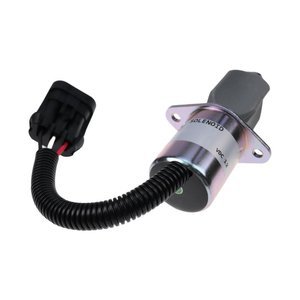
Shutoff Solenoid Valve 6681513 – Scheduled Maintenance for Bobcat Skid Steer
View Details

Engine Auxiliary Components
12V 9T Starter Motor 25-39476-00 – Service Part for Carrier CT4-134DI
View DetailsNeed a Custom Quote?
Our technical team responds within 24 hours. MOQ 1 piece. Ships to 120+ countries from our Guangzhou warehouse.