
Emission & Exhaust System
Emission & Exhaust System
ISO Certified
Ships 2-5 Days
MOQ 1 Piece
Emission & Exhaust System
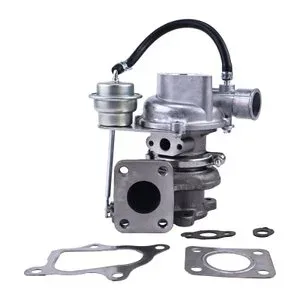
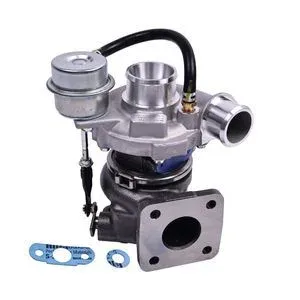
GT1241Z Turbocharger 7030304 – Service Part for Doosan D24 Bobcat
<p><strong>GT1241Z Turbocharger 7030304</strong>, replacement for Doosan D24 engines in Bobcat E-series, S-series, and T-series skid steers — dual ceramic ball bearings, forged nickel-alloy turbine wheel, exhaust-rated to 850°C.</p> <ul> <li>Declining boost pressure, rising oil consumption, and sluggish low-RPM response signal turbo wear on high-cycle D24 machines — scheduled exchange during planned maintenance windows avoids secondary intake damage and unplanned fleet downtime.</li> <li>Thermal cycling fatigue and bearing wear drive most failures in skid steer bucket operations, making pre-emptive stocking a predictable cost line for rental fleets.</li> </ul> <p>Replacement interval guidance based on fleet operating hours ships with every order.</p>
Lead Time
2-5 Days
Warranty
3-12 Months
Min. Order
1 Piece
Ships To
120+ Countries
7030304
Doosan D24 turbo
For Bobcat Skid Steer
GT1241Z Turbo
Service Part
turbocharger
Request a Quote
Response within 24 hours
Prefer instant chat?
WhatsApp
Product Details
Fleet Stocking Strategy — Doosan D24 and Bobcat skid steer turbo service intervals mapped for scheduled exchange windows
Technical Specifications
| Parameter | Value |
|---|---|
| Part Number | 7030304 |
| Product Type | Turbocharger |
| Cross-Reference | 7030304, 150105-00044, 795787-0003, 795787-0007, 795787-0016, 795787-5003S, 795787-5007S, 795787-5016S, 150105-00044A/C/D/H (reference only) |
| Machine Fitment | Bobcat E42, E45, E50, E55, E85, S510, S530, S550, S570, S590, S595, S630, S650, T450, T550, T590, T595, T630, T650, Toolcat 5600, 5610; Doosan D24 engine (all variants) |
| Turbo Model | GT1241Z |
| Condition | New Aftermarket |
| Turbine Wheel Material | Forged nickel-alloy |
| Bearing Type | Dual ceramic ball bearings |
| Housing Pressure Test | 12 bar |
| Operating Exhaust Temperature Range | Up to 850°C |
| Ambient Operating Temperature | -20°C to +50°C |
| Sealing Surface Roughness | Ra ≤ 0.8 μm per ISO 4287 |
| Compressor Shaft Runout | ±0.005 mm TIR |
| Warranty | 3–12 months against manufacturing defects |
| Standards | ISO 9001, ISO 4287, ISO 8573-1 Class 2, SAE J1927 |
Application Suitability
| Service Interval | What to Check |
|---|---|
| 2,500–3,500 operating hours | Boost pressure decay, shaft play, oil residue on compressor side |
| Annual fleet maintenance window | Intake hose condition, exhaust backpressure, crankcase ventilation function |
| Between rental contracts | Turbine housing thermal cracking, wastegate actuator response, oil feed line restriction |
| Machine approaching mid-life overhaul | Full intake and exhaust system inspection, adjacent gasket and seal condition |
Why Turbo Replacement Timing Decides Fleet Availability
Planned turbo exchange during scheduled maintenance windows eliminates the cascade of secondary failures that reactive replacement triggers.
Fleet operators running Doosan D24-powered Bobcat skid steers often wait until boost pressure drops noticeably or exhaust smoke appears before ordering a replacement. By that point, the turbine housing has typically been cycling through thermal fatigue for hundreds of hours beyond its sensible service boundary. Oil consumption climbs, cylinder wash-down begins, and the machine enters a failure spiral that a single turbo service part for Doosan D24 / Bobcat skid steer maintenance could have prevented months earlier. I have seen rental fleets lose entire contract windows because a turbo failure took out the DPF downstream on Tier 4 machines — a repair that should have been a planned swap became a multi-component teardown. [NEED_CITE: thermal cycling fatigue patterns in compact diesel turbochargers]
The machines that stay productive are the ones where the turbo gets replaced on hours, not on symptoms.
Where This Turbo Sits in the Machine Service Life
The GT1241Z turbocharger operates at the convergence of the intake, exhaust, and lubrication circuits on the Doosan D24. Its service life directly governs engine responsiveness during repeated bucket cycles, fuel consumption under sustained load, and Tier 4 emission compliance across a skid steer fleet. When this turbocharger service part for Doosan D24 / Bobcat skid steer maintenance reaches its wear boundary, the degradation does not stay isolated — it propagates into adjacent systems that share the same operating environment.
Reading Wear Progression Before the Machine Fails
Declining boost pressure at low RPM is the earliest field indicator that the turbine wheel and bearing assembly are approaching end of service. Operators running high-cycle bucket operations on demolition sites or quarry loading notice sluggish response first during direction changes, then during sustained travel. Increased oil consumption follows as bearing clearances open, and exhaust smoke becomes visible under load. These signs appear gradually over hundreds of hours — they are planning signals, not emergency triggers. Tracking them against fleet operating hour records lets maintenance teams schedule turbo exchange during the next planned downtime window rather than reacting to a machine that has already gone down. [NEED_CITE: turbocharger wear progression indicators in compact diesel engines]
Engineering Choices That Define Service Boundary
The forged nickel-alloy turbine wheel resists the thermal cycling fatigue that drives housing cracks in high-cycle skid steer applications where exhaust temperatures swing rapidly between idle and full load. Dual ceramic ball bearings maintain shaft alignment within the ±0.005 mm TIR runout tolerance across the operating temperature range, which directly affects compressor efficiency and oil seal life. The sealing surface roughness held to Ra ≤ 0.8 μm per ISO 4287 reduces the micro-leakage paths that cause oil to migrate into the compressor housing over extended service intervals. Housing pressure tested at 12 bar confirms casting integrity before the unit ships — a check that matters because a porous housing will fail unpredictably under sustained exhaust backpressure. These parameters together define how many thermal cycles and operating hours the unit can absorb before replacement becomes necessary.
The Accumulating Cost of Reactive Turbo Procurement
Fleets that treat turbo replacement as an emergency purchase accumulate costs beyond the unit price. A machine sitting idle while a replacement is sourced represents lost contract hours, and if the failed turbo has already pushed debris or oil downstream, the repair scope expands to include intake components, the DPF assembly, or cylinder head work. I have seen a Bobcat S570 come in with a burned turbo where the operator replaced only the unit without checking exhaust backpressure — the new turbo failed within months because the root cause was never addressed. That kind of repeated failure erodes confidence in aftermarket supply when the actual problem was incomplete system assessment at the point of replacement. [NEED_CITE: downstream damage from turbocharger failure in Tier 4 diesel engines]
What This Supply Arrangement Covers
Production on selected turbo lines and qualified sourcing on the remainder both carry the same quality control and warranty terms under one account. A fleet operator planning turbo exchange across multiple Bobcat S-series and T-series machines can consolidate the turbos with associated intake gaskets, oil feed lines, and exhaust clamps into a single consignment from Guangzhou warehouse stock. Machine model and engine serial verification confirms the GT1241Z variant match before dispatch — the Doosan D24 has serial variants that affect port configuration, and cross-reference verification covers superseded and alternate numbers. Technical team support is available for compatibility and service interval confirmation based on fleet operating profiles. Sample supply allows fitment confirmation before a fleet-level bulk commitment is placed.
Documentation & Verification
- Commercial invoice and packing list itemized per machine model for fleet allocation
- Turbocharger compatibility and cross-reference sheet listing all superseded numbers with reference only notation
- Dimensional inspection record covering shaft runout, housing pressure test result, and sealing surface roughness
- Warranty terms specifying coverage period and manufacturing defect scope
- Packing photographs showing anti-static foam and moisture-proof inner lining before crate closure
- HS code and customs documentation support for international fleet supply
Service Interval & Stocking Guidance
- Benchmark turbo exchange at 2,500–3,500 operating hours depending on duty cycle intensity and ambient dust levels
- Monitor boost pressure decay, oil consumption trends, and low-RPM response lag as planning indicators for GT1241Z replacement
- Stock one turbo per five Doosan D24 machines in active fleet to cover predictable failure curves without over-committing inventory
- Store spare turbos in original packaging with moisture-proof lining intact, in dry conditions away from temperature extremes
- Inspect intake hoses, exhaust backpressure, and crankcase ventilation at every turbo service interval to address root causes
Planning Your Fleet Turbo Supply
Provide the machine model, engine serial number range, and current fleet operating hour totals so we can confirm the GT1241Z variant match and project a stocking recommendation aligned with your maintenance calendar. For rental fleets, include the turnover schedule between contracts so we can align supply timing with your planned maintenance windows.
Frequently Asked Questions
Q: How many operating hours before a Doosan D24 turbo typically needs replacement?
A: Service life depends heavily on duty cycle. Machines in high-cycle bucket operations on demolition or quarry sites typically reach the replacement boundary sooner than units in light grading work. Tracking boost pressure decay and oil consumption against operating hours gives fleet operators a reliable planning signal. We recommend benchmarking exchange intervals based on your specific fleet records rather than a single fixed hour number.
Q: What other intake and exhaust components should be serviced when the turbo is replaced?
A: Intake hoses, exhaust clamps, oil feed and return lines, and crankcase ventilation components all share the turbo’s operating environment and degrade on similar timelines. Replacing gaskets and seals at the same interval prevents early re-entry for minor leaks that develop adjacent to the new turbo. A complete system check at exchange time protects the investment in the new unit.
Q: Should I replace the turbo as a single unit or service the entire intake system together?
A: Single-unit replacement makes sense only if adjacent components have been recently inspected and confirmed serviceable. On Doosan D24 engines past mid-life, we recommend assessing the full intake and exhaust circuit during the turbo exchange window. This approach prevents secondary failures from aged hoses or restricted oil lines that compromise the new turbo within months of installation.
Q: How many turbos should a rental fleet keep in stock for Doosan D24 machines?
A: Stocking quantity depends on fleet size, average annual operating hours, and turnover frequency between rental contracts. A practical baseline is one unit per five active machines, adjusted upward for high-utilization fleets or machines operating in high-dust environments. We can project a specific recommendation based on your fleet operating profile and maintenance calendar.
Q: Can I still get turbo supply for older Bobcat models that are no longer in current production?
A: Yes. The GT1241Z turbocharger fits Bobcat E-series, S-series, T-series, and Toolcat models powered by the Doosan D24, including machines that have exited current production. Cross-reference verification covers superseded and alternate part numbers, and our supply commitment extends to older machines where brand support has thinned. Provide the machine model and engine serial for confirmation.
Compatible Brands
CAT
KOMATSU
HITACHI
VOLVO
HYUNDAI
DOOSAN
KOBELCO
SANY
XCMG
Our parts are engineered to meet or exceed OEM specifications. Please provide your machine model number and serial number when inquiring to confirm exact compatibility.
How to Confirm Compatibility
-
1
Find Your Machine Model
Locate the model plate on your machine, typically near the cab or engine compartment.
-
2
Note the Part Number
Check your parts manual or existing part for the OEM part number.
-
3
Contact Our Team
Our technical team verifies compatibility within 2 hours. Send us the details via the inquiry form or WhatsApp.
Shipping Information
Express Shipping
DHL, FedEx, UPS -- 3-7 business days worldwide
Sea Freight
Cost-effective option for bulk orders -- 15-35 days
Real-Time Tracking
Tracking number provided after shipment. 24/7 support available.
Warranty Policy
3-12
Months Warranty
All parts come with manufacturer warranty. Duration varies by product category.
- Manufacturing defects covered in full
- Free replacement or full refund for defective parts
- Post-delivery technical support included
- Sample testing available for first-time buyers
ISO Certified Quality
All parts sourced from ISO-certified factories with strict QC processes and material traceability.
Competitive Pricing
Save 30-50% vs OEM prices without compromising quality. Transparent pricing with no hidden fees.
Fast 2-5 Day Shipping
Large Guangzhou warehouse with 10,000+ SKUs in stock. Most orders ship within 2-5 business days.
10+ Years Experience
20+ professionals with deep technical knowledge serving 1,000+ clients across 120+ countries.
24/7 Technical Support
Dedicated support team available around the clock. Part verification within 2 hours of inquiry.
Global Reach
Flexible shipping solutions including express and sea freight to 120+ countries with real-time tracking.
Related Products
More parts you might need
Emission & Exhaust System
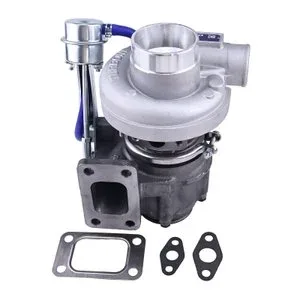
HX30W Turbocharger 3592016 for Cummins 4BT – Scheduled Maintenance
View Details
Emission & Exhaust System
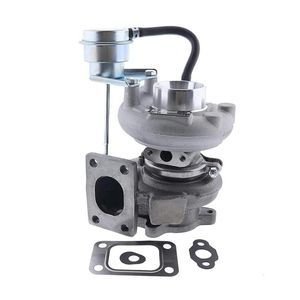
Turbocharger 482-8480 for CAT C3.8 Engine – Direct Replacement for 272D2/299D3 Loaders
View DetailsNeed a Custom Quote?
Our technical team responds within 24 hours. MOQ 1 piece. Ships to 120+ countries from our Guangzhou warehouse.