
Belt Drive Systems
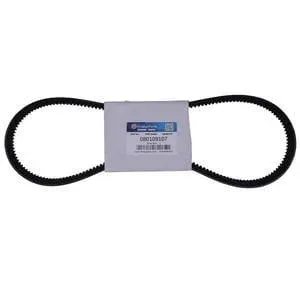
Perkins 404C-22-Compatible V Belt 080109107 – Fleet Supply
<p><strong>080109107 V Belt Fan Belt for Perkins 404C-22, 404C-22T, 104-22 Engines</strong> — compatible replacement for OEM cross-reference 080109107 and T80109107.</p> <ul> <li>Replace fan belts on schedule to avoid overheating and secondary engine damage across your fleet</li> <li>Inspect pulley alignment, tensioner condition, and bearing play at each belt change</li> <li>Stock ahead based on operating hours and predictable wear patterns</li> </ul> <p>Replacement interval recommendations included with shipment for fleet maintenance planning.</p>
Lead Time
2-5 Days
Warranty
3-12 Months
Min. Order
1 Piece
Ships To
120+ Countries
Request a Quote
Response within 24 hours
Product Details
Fleet Stocking — Scheduled V belt replacement prevents cascading overheating failures across your Perkins-powered fleet.
Technical Specifications
| Parameter | Value |
|---|---|
| Part Number | 080109107 |
| Product Type | Belt |
| Cross-Reference | T80109107 (reference only) |
| Machine Fitment | 404C-22, 404C-22T, 104-22 |
| Brand Compatibility | Perkins |
| Engine Type Codes | GV (404C-22), HR (404C-22T), KR (104-22) |
| Part Name | V Belt Fan Belt |
| Condition | New Aftermarket |
| Warranty | 3-12 months against manufacturing defects |
| Quality Standard | ISO 9001 |
Application Suitability
| Service Interval | What to Check |
|---|---|
| Every 1,000 operating hours or annually | Edge cracking, glazing, and tension loss on the V belt surface |
| Coolant temperature trending upward | Fan belt slippage reducing airflow through the radiator core |
| Scheduled engine overhaul | Pulley alignment, tensioner bearing play, and adjacent seal condition |
| Pre-season fleet inspection | Belt storage condition and shelf life for stockpiled spares |
| Post-rebuild break-in check | Re-tension the fan belt after initial heat cycles settle the cord structure |
When Reactive Buying Turns a Belt into a Cylinder Head Problem
Running a fan belt past its service window shifts the failure cost from a low-value wear part to secondary engine damage.
In mining and construction fleets operating Perkins 404C-22 and 404C-22T engines, the fan belt is often the last item anyone thinks about — until the temperature gauge spikes and the machine shuts down mid-shift. I spent years on the procurement side watching entire fleets stall because nobody ordered replacement V Belt Fan Belt service part maintenance items ahead of predictable wear. The belt snaps, coolant circulation drops, and what should have been a fifteen-minute swap becomes a multi-day overheating investigation. [NEED_CITE: diesel engine overheating damage progression from cooling system belt failure]
The pattern repeats across rental yards and contractor sites: belts are ordered reactively, lead times stretch, and machines sit idle. Planning V Belt Fan Belt service part maintenance into your fleet calendar keeps the cost where it belongs — in the consumables budget, not the major repair ledger.
Where the Fan Belt Sits in Your Engine’s Service Life
The fan belt on a Perkins 404C-22 series engine is a scheduled wear item, not a failure-driven component. Its position in the service cycle is straightforward: it should be replaced at defined intervals based on operating hours and environmental exposure, well before visible deterioration reaches the cord layer. Engines running in high-ambient, high-dust environments — typical of Southeast Asian mining and quarry operations — consume belts at an accelerated rate compared to temperate-climate benchmarks.
Planning V Belt Fan Belt service part maintenance around your fleet’s hour meter readings ensures replacements happen during scheduled downtime rather than emergency shutdowns.
Reading Wear Progression Before It Reads Your Temperature Gauge
Edge cracking appears first, usually visible as fine transverse fissures along the belt flank. Glazing follows — a polished, shiny surface on the driving face that signals the rubber compound has hardened beyond effective grip. Loss of tension manifests as squeal on cold start-up that disappears once the belt warms and expands. Each of these stages is a scheduling signal, not yet a failure. [NEED_CITE: visual inspection criteria for industrial V belt wear assessment]
When a glazed belt continues in service, the reduced fan speed lowers radiator airflow, coolant temperatures climb incrementally, and the engine operates outside its designed thermal envelope. The cumulative effect on piston rings, cylinder liners, and head gasket integrity compounds quietly until a more expensive component fails. Stocking the correct V Belt Fan Belt service part maintenance inventory for your engine type codes — GV, HR, or KR — means the replacement is already on the shelf when the inspection flags it.
Matching the Belt Variant to Your Engine Build
The Perkins 404C-22 family runs three engine type codes that affect belt routing and length. The GV code applies to the naturally aspirated 404C-22, the HR covers the turbocharged 404C-22T with its different accessory drive layout, and the KR designation belongs to the 104-22 variant. A belt that physically fits the pulleys but carries the wrong length or profile will either over-tension the system or slip under load.
The cross-reference identifier 080109107 serves as the primary interchange reference for sourcing, while T80109107 (reference only) appears in older parts catalogues for the same application. Confirming the engine type code against the machine’s data plate — not just the model badge — prevents the most common stocking error. Heat-resistant rubber compounds and matched cord tension are specified to handle the continuous thermal load of industrial-duty cooling circuits, not intermittent automotive use. [NEED_CITE: accessory drive belt specification standards for off-highway diesel engines]
The Accumulated Cost of Buying Belts Only After They Break
Every reactive purchase carries hidden costs that never appear on a single invoice. The machine sits idle while procurement confirms availability, freight is expedited at premium rates, and the repair window that could have been combined with a filter change or oil service becomes a standalone event. Across a fleet of ten or twenty Perkins-powered units, these isolated incidents add up to meaningful amounts of unplanned downtime each year.
Replacing the belt alone when the tensioner bearing is already worn means the new belt inherits the misalignment, accelerating wear from day one. The repair crew returns within weeks for the same job. [NEED_CITE: preventive maintenance scheduling impact on fleet availability metrics]
Sourcing With Fleet Continuity in Mind
Our Guangzhou warehouse carries stock of common belt drive items for fast dispatch, so scheduled replacements do not turn into waiting games. Both self-produced and sourced supply lines carry identical quality control and warranty terms under a single account. You can order one belt for a fitment check or a full year’s consumption across the fleet in the same consignment.
Cross-reference verification covers superseded and alternate numbers, which matters as Perkins platforms age and original catalogue numbers shift. Part identification works from the part number, the machine model, or a photograph of the old belt and data plate. Our technical team confirms the correct variant for your specific engine type code before shipment, and sample supply is available for fitment confirmation before you commit to bulk quantities.
Documentation & Verification
- Commercial invoice listing engine type codes and belt quantities per line
- Compatibility sheet cross-referencing 080109107 and T80109107 for identification purposes
- Dimensional and visual quality inspection record per production batch
- Warranty terms covering manufacturing defects for 3 to 12 months
- Packing photographs documenting belt condition before carton sealing
- HS code and customs classification support for international belt shipments
Service Interval & Stocking Guidance
- Replace fan belt at intervals aligned with your Perkins maintenance schedule and operating environment
- Inspect for edge cracking, glazing, and tension loss during every scheduled service visit
- Stock a minimum of one spare belt per engine per year based on fleet operating hours
- Store belts flat in a cool, dry area away from direct sunlight to preserve rubber compound integrity
- Retension the belt after the first heat cycle following installation to settle the cord structure
- Check pulley alignment and tensioner bearing play each time the belt is removed or replaced
Requesting Your Fleet Supply Plan
Provide your machine models, engine type codes, and current operating hours so we can map the correct belt variant to each unit and align quantities with your maintenance calendar. If the data plate is worn or painted over, send a photograph of the engine block casting number and we will verify compatibility before quoting. For fleets running mixed Perkins platforms, include all engine serial variants in one request so we can consolidate the supply plan.
Frequently Asked Questions
Q: How often should the fan belt be replaced on a Perkins 404C-22?
A: Replacement intervals depend on operating hours, ambient temperature, and dust exposure. In heavy-duty mining and construction environments, annual replacement or change at defined hour intervals is typical. Inspect the belt at every scheduled service for edge cracking and glazing, and replace immediately if either condition is advanced. Maintaining a forward stock eliminates the gap between inspection findings and part availability.
Q: What symptoms indicate the belt needs replacement before the next scheduled interval?
A: Cold-start squeal that fades as the engine warms indicates tension loss or surface glazing. Visible transverse cracks along the belt edges signal rubber compound degradation. A gradual upward trend in coolant temperature under normal load can point to reduced fan speed from belt slippage. Any of these symptoms warrants immediate replacement rather than waiting for the next planned service window.
Q: Should I replace the tensioner and pulleys at the same time as the belt?
A: Inspect the tensioner bearing for axial play and the pulleys for groove wear every time the belt is removed. If the tensioner shows measurable play or the pulley grooves are polished smooth, replacing them alongside the new belt prevents premature wear on the fresh component. This is especially important on higher-hour engines where accessory drive components age together.
Q: How many spare belts should I stock per machine per year?
A: A practical baseline is one spare belt per engine per year, adjusted upward for machines operating in extreme heat or continuous-duty cycles. Fleet operators running multiple Perkins 404C-22 or 104-22 units benefit from pooling stock across machines of the same engine type code, reducing per-unit carrying cost while maintaining immediate availability.
Q: Can I still get support for older 104-22 engines?
A: Yes. The 104-22 engine with KR type code remains in active aftermarket supply. Cross-reference verification covers both current and superseded numbers, and our technical team can confirm compatibility from the engine serial number or a photograph of the existing belt. Aging platforms that face thinning brand-dealer support are a core part of our sustained supply commitment.
Compatible Brands
Our parts are engineered to meet or exceed OEM specifications. Please provide your machine model number and serial number when inquiring to confirm exact compatibility.
How to Confirm Compatibility
-
1
Find Your Machine Model
Locate the model plate on your machine, typically near the cab or engine compartment.
-
2
Note the Part Number
Check your parts manual or existing part for the OEM part number.
-
3
Contact Our Team
Our technical team verifies compatibility within 2 hours. Send us the details via the inquiry form or WhatsApp.
Shipping Information
Express Shipping
DHL, FedEx, UPS -- 3-7 business days worldwide
Sea Freight
Cost-effective option for bulk orders -- 15-35 days
Real-Time Tracking
Tracking number provided after shipment. 24/7 support available.
Warranty Policy
All parts come with manufacturer warranty. Duration varies by product category.
- Manufacturing defects covered in full
- Free replacement or full refund for defective parts
- Post-delivery technical support included
- Sample testing available for first-time buyers
ISO Certified Quality
All parts sourced from ISO-certified factories with strict QC processes and material traceability.
Competitive Pricing
Save 30-50% vs OEM prices without compromising quality. Transparent pricing with no hidden fees.
Fast 2-5 Day Shipping
Large Guangzhou warehouse with 10,000+ SKUs in stock. Most orders ship within 2-5 business days.
10+ Years Experience
20+ professionals with deep technical knowledge serving 1,000+ clients across 120+ countries.
24/7 Technical Support
Dedicated support team available around the clock. Part verification within 2 hours of inquiry.
Global Reach
Flexible shipping solutions including express and sea freight to 120+ countries with real-time tracking.
Related Products
More parts you might need


Need a Custom Quote?
Our technical team responds within 24 hours. MOQ 1 piece. Ships to 120+ countries from our Guangzhou warehouse.