

Block & Internal Parts
Block & Internal Parts
ISO Certified
Ships 2-5 Days
MOQ 1 Piece
Block & Internal Parts
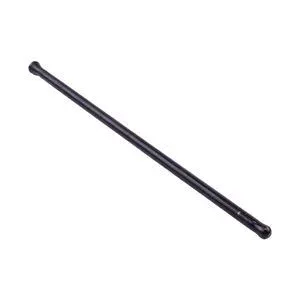
Push Rod 31434307 for Perkins 1004-40T – Service Part
<p><strong>Push Rod 31434307 for Perkins 1004-40T, Forged 42CrMo Steel, ≥900 MPa</strong> — compatible with 40+ Perkins engine variants across CASE, Landini, New Holland, and Kobelco equipment. Typical inspection at top-end service intervals; replace as a matched set when tip wear or straightness deviation exceeds tolerance to avoid cascading valve train damage. Stock ahead of predictable consumption on aging fleets.</p> <ul> <li>Replacement cycle guidance included with shipment for fleet planning</li> <li>MOQ 1 piece, ISO 9001 production</li> </ul>
Lead Time
2-5 Days
Warranty
3-12 Months
Min. Order
1 Piece
Ships To
120+ Countries
31434307
Engine Internal Part
For Perkins
Perkins 1004-40T
push rod
Service Part
Request a Quote
Response within 24 hours
Prefer instant chat?
WhatsApp
Product Details
Fleet-Level Stocking — Push rods held in Guangzhou inventory for scheduled Perkins 1004-series valve train overhauls across aging CASE and Landini fleets.
Technical Specifications
| Parameter | Value |
|---|---|
| Part Number | 31434307 |
| Product Type | Push Rod |
| Cross-Reference | 31434307 (reference only), 795728R1 (reference only), 131434307 (reference only), 505089 (reference only) |
| Material | Forged 42CrMo alloy steel |
| Tensile Strength | ≥900 MPa |
| Fatigue Resistance | Beyond 500,000 cycles |
| Diameter Tolerance | ±0.01 mm |
| Surface Hardness | HRC 52–56 (after quenching & tempering) |
| Surface Treatment | Anti-rust black oxide coating |
| Straightness Deviation | ≤0.03 mm over length |
| Geometric Tolerancing Standard | ISO 1101 |
| Engine Fitment | Perkins 1004-40T, 1004-40, 1004G, 1004-40S, 135Ti, 1004-4T, 1004-4, 1104C-44, 6.354, 1106C-E60TA, and 40+ Perkins engine models |
| Machine Fitment | CASE C100, C70, C80, C90, CX70, CX80, CX90, CX100, MX100C, MX80C, MX90C, 321D, 689G; Landini 8550, 7500, 6500, 6550, 6830, 6840, 6860, 6870, 6880, 7550, 7560, 7830, 7860, 7870, 7880, 8530, 8560, 8830, 8860, 8870, 8880, 9060, 9080, 9500, 9880, Blizzard 65/75/85/95, Ghibli 80/90/95/100/105, Globus 65/75/80, Mythos 90/100/105/110/115, Rex 60/65/70/75/80/85/90/95/100/105, Trekker 65/70/75/80/85/90/95/100/105, Vision 80/85/90/95/100/105, Legend 105/115/120/125/130/135/140/145/160/165/180/185, Large 9550/10000/13000/14500/16000/16500, Globalfarm 90/95/100/105, Technofarm 60/70/75/80/85; New Holland 1496; Kobelco 700, 800, 900 |
| Condition | New Aftermarket |
| Warranty | 3–12 months against manufacturing defects |
| MOQ | 1 piece |
| Standards | ISO 9001, ISO 8535, ISO 1101 |
Application Suitability
| Service Interval | What to Check |
|---|---|
| Top-end valve train overhaul | Cam lobe profile, rocker arm pad wear, push rod guide bore condition |
| Mid-life cylinder head service | Valve stem tip wear, tappet face scoring, push rod straightness under load |
| High-hour fleet rotation | Full push rod set replacement alongside timing gear inspection |
| Pre-deployment turnaround for rental units | Individual push rod inspection for bending or tip galling after sustained high-cycle operation |
| Older Perkins-powered machine support | Cross-reference verification on superseded part numbers for Landini, CASE, and New Holland platforms |
Why Valve Train Failures Become Fleet-Wide Downtime Events
A single broken push rod rarely stays a single-component repair once cylinder head damage begins.
In remote mining and agricultural operations, I have watched Perkins 1004-40T engines sit idle for weeks because a fractured push rod punched through a rocker arm, scored the cylinder head, and bent adjacent valves. The initial failure is almost always fatigue-driven, and it nearly always happens to the machines running the longest hours without scheduled top-end attention. Fleet managers who treat valve train components as run-to-failure items end up paying for emergency teardowns that could have been planned service events [NEED_CITE: valve train fatigue failure progression in medium-duty diesel engines]. The push rod service part sits at the center of this calculus — it is inexpensive relative to the damage it causes when neglected, yet it is routinely overlooked until audible tappet noise or compression loss forces the issue. Across aging CASE and Landini tractors running well past their original service windows, the cumulative cost of reactive push rod replacement consistently exceeds the cost of scheduled batch changes during planned maintenance intervals.
Where the Push Rod Sits in Your Machine’s Service Life
The push rod transmits cam lobe motion upward to the rocker arm, opening and closing valves thousands of times per hour under thermal and mechanical stress. On Perkins 1004-series engines, this component endures high-lift cycles that gradually alter tip geometry and introduce microscopic bending. As a scheduled wear part, the push rod should be evaluated at every cylinder head removal and replaced as a set during any top-end overhaul where cam lobes show measurable wear. Its position in the maintenance calendar directly determines whether your next valve train event is a planned service stop or an unplanned machine recovery.
Recognizing the Wear Signs Before Catastrophic Failure
Most push rod failures in the field follow a predictable progression. Tappet noise increases gradually as tip wear alters the effective length of the push rod, changing valve lash beyond adjustment range. Operators notice rougher idle and slight power loss before the rod finally fractures under peak cyclic load. In my experience managing fleet maintenance in African mining conditions, machines that received push rod sets during scheduled top-end work consistently avoided the cascading failures that took sister machines out of service for extended periods. [NEED_CITE: valve train wear indicators and inspection intervals for agricultural diesel engines]. The key discipline is treating push rod replacement as a planned interval activity rather than a breakdown response, particularly on Perkins-powered equipment that has accumulated hours beyond the manufacturer’s original service guidance.
Reading the Specifications That Matter in the Field
The 42CrMo forged alloy steel construction provides the fatigue endurance needed for sustained high-cycle valve train operation. Forging rather than machining from bar stock aligns the grain structure along the rod axis, which is the primary load path during cam lobe engagement. The diameter tolerance of ±0.01 mm ensures consistent fit within the push rod guide bore, preventing the lateral movement that accelerates guide wear and introduces bending stress. Surface hardness of HRC 52–56 after quenching and tempering gives the tip and cup ends the wear resistance needed to survive repeated contact with the tappet and rocker arm pad without galling. The straightness deviation held to ≤0.03 mm over the full length is critical — even minor bowing under load changes the force vector at the rocker arm, leading to uneven valve stem tip wear and eventual guide failure [NEED_CITE: push rod straightness tolerance impact on valve train geometry]. The anti-rust black oxide coating protects during storage and the initial break-in period before oil splash fully covers the component.
What Reactive Purchasing Actually Costs Your Fleet
When a push rod fails without warning, the machine is already down. The cylinder head must come off regardless, which means the cost of the push rod itself becomes the smallest line item in a much larger repair event. I have seen fleets lose entire planting seasons or critical earthmoving windows because procurement teams waited for the failure to happen before sourcing replacement sets. The cumulative downtime from multiple reactive push rod replacements across a fleet routinely exceeds the time and cost of a single coordinated top-end service campaign. Machines that receive matched push rod sets during scheduled overhauls return to service with predictable valve train life ahead of them, while machines patched with single-rod replacements often return with mismatched wear across the remaining rods [NEED_CITE: valve train component matching during partial overhaul]. The hidden cost is not the part — it is the second teardown six months later when the next-weakest rod fails under the same conditions.
Why Sourcing Through This Channel Supports Your Maintenance Planning
Own production on selected push rod lines combined with qualified sourced supply means consistent dimensional control across every unit in a fleet batch order. Eight equipment categories under one account allows you to add valve cover gaskets, rocker arm assemblies, and cam followers to the same consignment, eliminating split shipments that delay planned service windows. Minimum order from one piece means you can replace a single failed rod on an emergency basis without carrying excessive inventory, then scale to full fleet sets when scheduled overhaul cycles arrive. Part identification from machine model alone covers the broad range of Landini, CASE, and New Holland equipment running Perkins power where nameplates have deteriorated. Cross-reference verification addresses the superseded and alternate numbers that accumulate across decades of Perkins 1004-series production. Technical support is available to confirm whether your specific engine serial prefix requires a variant push rod length or tip configuration before you commit to a fleet-sized order.
Documentation & Verification
- Commercial invoice listing push rod batch quantities matched to fleet engine serial numbers
- Cross-reference sheet mapping superseded Perkins numbers to 31434307 (reference only)
- Dimensional inspection records confirming straightness and diameter tolerance per unit
- Warranty terms covering manufacturing defects for 3–12 months from dispatch
- Packing photographs documenting push rod condition before crate closure
- HS code classification and customs documentation for agricultural and construction parts import
Service Interval & Stocking Guidance
- Inspect push rods at every valve lash adjustment interval for tip wear and straightness deviation
- Replace as a complete set during any cylinder head removal to maintain matched valve train geometry
- Stock sufficient sets to cover your highest-hour Perkins 1004 engines for two planned overhaul cycles
- Store in dry conditions with original anti-rust coating intact until installation
- Rotate stock periodically to ensure oldest inventory deploys first during scheduled service events
- Cross-check engine serial prefix against fitment records before releasing stock to the workshop
Planning Your Next Valve Train Service Event
Provide your fleet’s Perkins engine model designations, serial prefixes, and current service hour readings so we can verify push rod variant fitment and recommend batch quantities aligned with your overhaul calendar. For older CASE, Landini, and New Holland machines where service documentation may be incomplete, a photograph of the existing push rod alongside the engine nameplate allows us to confirm compatibility before you commit to a fleet-sized order.
Frequently Asked Questions
Q: How often should push rods be inspected on Perkins 1004 engines?
A: Inspect push rods during every valve lash adjustment and at any cylinder head removal. On high-cycle applications like agricultural tractors running continuous seasonal operations, plan a full set replacement during the second or third top-end service event, depending on observed tip wear and straightness condition across the existing set.
Q: What signs indicate push rod wear before failure occurs?
A: Increasing tappet noise that cannot be corrected through valve lash adjustment typically indicates tip wear altering effective push rod length. Slight power loss and rougher idle may follow. Visible bending or tip galling during inspection confirms the component has reached the end of its service life and should be replaced as part of a matched set.
Q: Should I replace the full set or just the failed push rod?
A: Replacing a single rod on a high-hour engine leaves mismatched wear across the remaining set, increasing the likelihood of a second failure within months. During any cylinder head removal, installing a complete matched set provides predictable valve train life and avoids the cost of a second teardown for the next-weakest rod.
Q: How many push rods should I stock per machine for planned maintenance?
A: Stock one complete engine set per machine scheduled for top-end service within your planning horizon, plus a small reserve of individual units for interim emergency replacements. Fleet operators running multiple Perkins 1004-series engines typically hold sufficient sets to cover two full overhaul cycles without waiting on procurement.
Q: Can I still source push rods for older Perkins-powered CASE and Landini machines?
A: Yes. Cross-reference verification covers superseded and alternate part numbers accumulated across decades of Perkins 1004-series production. Provide the engine model designation and serial prefix, or a photograph of the existing push rod and engine nameplate, to confirm fitment on machines where original service documentation may no longer be available.
Compatible Brands
CAT
KOMATSU
HITACHI
VOLVO
HYUNDAI
DOOSAN
KOBELCO
SANY
XCMG
Our parts are engineered to meet or exceed OEM specifications. Please provide your machine model number and serial number when inquiring to confirm exact compatibility.
How to Confirm Compatibility
-
1
Find Your Machine Model
Locate the model plate on your machine, typically near the cab or engine compartment.
-
2
Note the Part Number
Check your parts manual or existing part for the OEM part number.
-
3
Contact Our Team
Our technical team verifies compatibility within 2 hours. Send us the details via the inquiry form or WhatsApp.
Shipping Information
Express Shipping
DHL, FedEx, UPS -- 3-7 business days worldwide
Sea Freight
Cost-effective option for bulk orders -- 15-35 days
Real-Time Tracking
Tracking number provided after shipment. 24/7 support available.
Warranty Policy
3-12
Months Warranty
All parts come with manufacturer warranty. Duration varies by product category.
- Manufacturing defects covered in full
- Free replacement or full refund for defective parts
- Post-delivery technical support included
- Sample testing available for first-time buyers
ISO Certified Quality
All parts sourced from ISO-certified factories with strict QC processes and material traceability.
Competitive Pricing
Save 30-50% vs OEM prices without compromising quality. Transparent pricing with no hidden fees.
Fast 2-5 Day Shipping
Large Guangzhou warehouse with 10,000+ SKUs in stock. Most orders ship within 2-5 business days.
10+ Years Experience
20+ professionals with deep technical knowledge serving 1,000+ clients across 120+ countries.
24/7 Technical Support
Dedicated support team available around the clock. Part verification within 2 hours of inquiry.
Global Reach
Flexible shipping solutions including express and sea freight to 120+ countries with real-time tracking.
Related Products
More parts you might need

Block & Internal Parts
Connecting Rod Bearing Replacement for Kubota D1105 Engine Long-Life
View Details
Block & Internal Parts
Scheduled Maintenance Connecting Rod Bearing – Fits Kubota D1105
View Details
Block & Internal Parts
Valve Cover Gasket Set 3902666 for Cummins 5.9L Scheduled Maintenance
View DetailsNeed a Custom Quote?
Our technical team responds within 24 hours. MOQ 1 piece. Ships to 120+ countries from our Guangzhou warehouse.