
Block & Internal Parts

Block & Internal Parts
ISO Certified
Ships 2-5 Days
MOQ 1 Piece
Block & Internal Parts
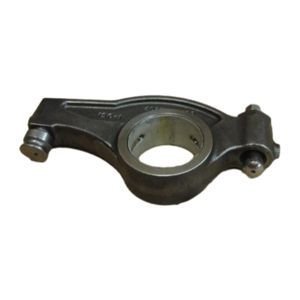
Push Rod 8-97071673-0 8-94143202-0 for Isuzu 4JH1 – Fleet Supply
<p><strong>Push Rod 8-97071673-0 / 8-94143202-0 (cross-reference) for Isuzu 4JH1 Engines, Heat-treated Steel</strong> — compatible with 4JA1, 4JB1, 4JG1, and 4JH1 engine families across NKR, NPR, NLR, and NQR truck series.</p> <ul> <li>End wear on push rods typically mirrors lifter and rocker arm degradation; scheduled replacement as a matched set during valve train service prevents cascading failures and unplanned teardowns.</li> <li>Stocking ahead of predictable consumption cycles keeps older Isuzu platforms running when dealer support thins.</li> </ul> <p>Replacement interval guidance supplied with each order to align your fleet maintenance planning.</p>
Lead Time
2-5 Days
Warranty
3-12 Months
Min. Order
1 Piece
Ships To
120+ Countries
8-97071673-0
Block Internal Parts
Fleet Supply
For Isuzu
Isuzu 4JH1
push rod
Request a Quote
Response within 24 hours
Prefer instant chat?
WhatsApp
Product Details
Lifecycle Planning — Push Rod service part maintenance schedules mapped to Isuzu 4J engine overhaul intervals, keeping NKR and NPR fleets running past thinning dealer support.
Technical Specifications
| Parameter | Value |
|---|---|
| Part Number | 8-97071673-0 8-94143202-0 |
| Product Type | Push Rod |
| Cross-Reference | 8970716730, 8941432020, 8-97071673-1, 8970716731 (reference only) |
| Machine Fitment | NHR, NKR, NKR55, NKR66, NKR69, NKR71, NKR77, NLR, NLR55, NLR71, NLR77, NLR85, NMR, NMR55, NMR71, NMR77, NMR85, NPR, NQR, QKR, TFR, TFS, UBS, UCS |
| Engine Compatibility | Isuzu 4JA1, 4JB1, 4JC1, 4JG1, 4JG2, 4JH1, UM4JA1, UM4JB1, UM4JG1 |
| Material | High-grade steel |
| Surface Treatment | Heat-treated |
| Condition | New Aftermarket |
| Warranty | 3-12 months against manufacturing defects |
| MOQ | 1 piece |
| Standard | ISO 9001 |
Application Suitability
| Service Interval | What to Check |
|---|---|
| Valve lash adjustment | Push rod end wear, rocker arm contact pattern |
| Major engine overhaul | Full valve train kit contents, lifter face condition |
| High-mileage fleet rotation | Bent rod inspection, valve seat recession |
| Legacy truck sustainment | Superseded part number verification, variant fitment |
Shifting From Reactive Teardowns to Planned Valve Train Service
Most fleets react to a bent push rod after a valve event has already caused secondary damage to rockers and lifters. Shifting to a lifecycle-based valve train service plan turns that unplanned teardown into a scheduled, budgeted interval.
In the Pearl River Delta logistics hubs, I spent years watching NHR and NKR owners scramble for 4JH1 and 4JB1 internal parts only after a truck went silent on the highway. Waiting for failure meant paying for towing, emergency labor, and missed delivery windows. Now, the focus is on mileage-based forecasting [NEED_CITE: diesel engine valve train wear progression and service intervals], replacing these internal components before the tip wears through the rocker arm pivot. This approach prevents the cascading failures that turn a minor consumable swap into a cylinder head removal.
The Push Rod’s Role in the 4J-Series Service Life
The push rod sits at the heart of the valve train in Isuzu 4J-series engines, transferring motion from the camshaft lifter to the rocker arm. As the engine accumulates hours in construction, agriculture, or municipal service, the spherical ends of the rod experience friction that eventually alters the valve lash setting. Planning the replacement of this component within the broader valve service cycle prevents cascading damage to adjacent parts, ensuring the truck remains in active rotation rather than sitting in the workshop bay.
Predicting Wear Before the Valve Event Occurs
Wear on the push rod tip correlates directly with the condition of the lifter face and the rocker arm bushing. When the spherical end loses its profile, the valve fails to open fully, leading to power loss and increased exhaust temperatures [NEED_CITE: correlation between valve train geometry loss and combustion efficiency in light commercial diesel engines]. For fleet managers overseeing mixed NKR and NPR models, replacing these rods as a set during a scheduled head-gasket service is significantly more efficient than waiting for a single cylinder to misfire. Stocking ahead of predictable consumption across the 4JA1, 4JB1, and 4JH1 families consolidates periodic orders and eliminates the freight costs associated with emergency single-piece shipments.
Material and Heat Treatment in High-Cycle Environments
The high-grade steel construction and heat-treated surface are essential for maintaining the structural integrity of the rod under thousands of compression cycles per hour. In the 4JG2 and 4JH1 applications, where thermal loads are higher, the treatment prevents the ends from "mushrooming" or deforming under the pressure of the rocker arm. This dimensional stability ensures that the valve timing remains precise throughout the service interval, reducing the frequency of manual lash adjustments required by the maintenance team.
The Hidden Cost of Waiting for Failure
When a fleet treats the push rod as a non-serviceable item until it snaps or bends, the resulting damage rarely stops at the rod itself. A failed rod often drops the valve onto the piston crown, necessitating a complete engine overhaul rather than a top-end refresh. This reactive approach leads to cumulative downtime that far exceeds the time required for a proactive replacement [NEED_CITE: cost of unplanned downtime versus scheduled maintenance in commercial truck fleets]. Furthermore, for older NLR and NMR models, waiting for a failure often means the specific variant required is no longer in local stock, extending the machine’s out-of-service time while the part is sourced from distant channels.
Supply Consistency for Legacy Isuzu Platforms
Sustaining older Isuzu truck models past the point where brand dealer support begins to thin requires a reliable aftermarket partner. We maintain a focus on verified cross-referencing for legacy engine platforms, ensuring that a fleet of NPR trucks can source matched components even as OEM channels shift focus to newer emissions-compliant models. Our approach involves mapping replacement intervals against the broader camshaft and lifter schedules, allowing contractors and rental companies to budget for the entire valve train rather than individual failures. By providing technical confirmation on variant differences within the same base number, we help buyers avoid the "trial fitment" approach that wastes time on the shop floor.
Documentation & Verification
- Commercial invoice and packing list detailing the specific push rod variants supplied.
- Part compatibility sheet confirming fitment for 4JB1 and 4JH1 serial ranges (reference only).
- Dimensional check records verifying rod length and end-profile geometry before dispatch.
- Warranty terms covering manufacturing defects for the duration of the service cycle.
- Packing photographs showing the protective coating and bundling of the rods.
- HS code and customs support for cross-border movement of engine internal parts.
Service Interval & Stocking Guidance
- Inspect rod ends for pitting or flattening during every major valve lash adjustment cycle.
- Replace as a complete set across all cylinders to maintain uniform valve timing and lift.
- Store in a dry environment with the original anti-corrosion coating intact until installation.
- Maintain a minimum of two full sets for fleets operating more than five NKR/NPR units.
- Verify the engine serial number to ensure the correct length variant is pulled from stock.
- Coordinate replacement with lifter and rocker arm inspections to maximize labor efficiency.
Planning Your Next Overhaul Interval
To ensure your maintenance budget aligns with actual component wear, provide your fleet composition, including specific engine serial numbers and current mileage or hour readings. This allows for a tailored recommendation on when to transition from single-component replacement to a full valve train exchange. We can then map out a supply schedule that keeps your Isuzu-compatible inventory aligned with your predicted service windows.
Frequently Asked Questions
Q: How often should push rods be inspected in a typical Isuzu 4J engine duty cycle?
A: Inspection should occur during every scheduled valve lash adjustment, which typically aligns with major service intervals. Look for wear on the spherical tips and any signs of bending. If the truck operates in high-load construction or municipal environments, more frequent visual checks during oil changes can help identify early wear before it affects valve timing.
Q: What symptoms indicate push rod wear before it leads to valve train failure?
A: Early symptoms include a persistent "ticking" noise from the valve cover that does not clear after adjustment, uneven engine idle, or a noticeable drop in power under load. These signs suggest the rod ends have worn enough to change the valve lift geometry, which can lead to more severe damage if left unaddressed through a scheduled service.
Q: Should I replace just the push rod or the full valve train set during an overhaul?
A: For fleet-level efficiency, replacing the full set of rods along with the lifters and rocker arms is recommended during a major overhaul. Mixing new rods with worn lifters accelerates the wear of the new components. A matched set ensures consistent valve timing across all cylinders and extends the time until the next top-end service.
Q: Are these push rods still available for older Isuzu engine variants no longer widely supported?
A: Yes, we focus on maintaining supply for legacy platforms like the 4JA1 and early 4JB1 variants. We use verified cross-references to identify the correct application for older NKR and NHR trucks, ensuring that fleets can continue to operate these reliable machines without relying on thinning OEM dealer inventories.
Compatible Brands
CAT
KOMATSU
HITACHI
VOLVO
HYUNDAI
DOOSAN
KOBELCO
SANY
XCMG
Our parts are engineered to meet or exceed OEM specifications. Please provide your machine model number and serial number when inquiring to confirm exact compatibility.
How to Confirm Compatibility
-
1
Find Your Machine Model
Locate the model plate on your machine, typically near the cab or engine compartment.
-
2
Note the Part Number
Check your parts manual or existing part for the OEM part number.
-
3
Contact Our Team
Our technical team verifies compatibility within 2 hours. Send us the details via the inquiry form or WhatsApp.
Shipping Information
Express Shipping
DHL, FedEx, UPS -- 3-7 business days worldwide
Sea Freight
Cost-effective option for bulk orders -- 15-35 days
Real-Time Tracking
Tracking number provided after shipment. 24/7 support available.
Warranty Policy
3-12
Months Warranty
All parts come with manufacturer warranty. Duration varies by product category.
- Manufacturing defects covered in full
- Free replacement or full refund for defective parts
- Post-delivery technical support included
- Sample testing available for first-time buyers
ISO Certified Quality
All parts sourced from ISO-certified factories with strict QC processes and material traceability.
Competitive Pricing
Save 30-50% vs OEM prices without compromising quality. Transparent pricing with no hidden fees.
Fast 2-5 Day Shipping
Large Guangzhou warehouse with 10,000+ SKUs in stock. Most orders ship within 2-5 business days.
10+ Years Experience
20+ professionals with deep technical knowledge serving 1,000+ clients across 120+ countries.
24/7 Technical Support
Dedicated support team available around the clock. Part verification within 2 hours of inquiry.
Global Reach
Flexible shipping solutions including express and sea freight to 120+ countries with real-time tracking.
Related Products
More parts you might need

Block & Internal Parts
STD Connecting Rod for Komatsu 3D82 Yanmar 3TN82E – Scheduled Maintenance
View Details

Need a Custom Quote?
Our technical team responds within 24 hours. MOQ 1 piece. Ships to 120+ countries from our Guangzhou warehouse.