
Belt Drive Systems
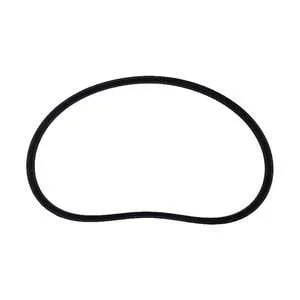
REMF-1345 Fan Belt Replacement for Excavator – Fleet Supply
<p><strong>REMF-1345 Fan Belt, precision-molded rubber with reinforced fiber cords</strong> — a predictable wear item in engine cooling systems for excavators, tractors, and mowers.</p> <ul> <li>Rated for <strong>-30°C to 120°C</strong> continuous service, resisting heat-induced cracking and glazing</li> <li>Plan replacement based on operating hours and visible surface wear to prevent unplanned downtime</li> <li>Pair belt swaps with pulley and tensioner inspection to avoid repeat failures within the same service cycle</li> </ul> <p>Stocking high-consumption belt sizes ahead of scheduled maintenance windows keeps your fleet running without reactive parts delays. Replacement interval recommendations ship with every order to support your preventive maintenance planning.</p>
Lead Time
2-5 Days
Warranty
3-12 Months
Min. Order
1 Piece
Ships To
120+ Countries
Request a Quote
Response within 24 hours
Product Details
Fleet Stocking Support — Replacement intervals mapped to operating hours so your next belt order arrives before the current one snaps.
Technical Specifications
| Parameter | Value |
|---|---|
| Part Number | REMF-1345 |
| Cross-Reference | REMF-1345 (cross-reference only), REMF1345 (cross-reference only) |
| Product Type | Belt |
| Machine Fitment | Excavators, Tractors, Mowers |
| Material | Precision-molded rubber compounds with reinforced fiber cords |
| Temperature Range | -30°C to 120°C |
| Condition | New Aftermarket |
| Warranty | 3-12 months against manufacturing defects |
| Quality Standard | ISO 9001 |
Application Suitability
| Service Interval | What to Check |
|---|---|
| Every 1,000–1,500 operating hours | Inspect belt surface for glazing, micro-cracking along ribs, and fiber cord exposure |
| At each engine oil change | Check belt tension and deflection; inspect pulley faces for groove wear |
| Seasonal turnaround (agricultural) | Examine tensioner bearing play and fan clutch engagement before planting or harvest |
| Pre-deployment inspection (rental fleet) | Verify belt part number matches engine serial variant; confirm no sidewall delamination |
Why Fan Belt Failures Cost More Than the Belt Itself
A snapped fan belt in the field turns a scheduled maintenance item into an emergency that idles the entire work site.
I spent years around mining fleets in Latin America where a single belt failure on a loader or excavator meant pulling a machine off production for hours while someone drove to the nearest town for a replacement. The belt itself was never the expensive part — the lost shift output, the overheated cylinder head that followed when the operator didn’t catch the temperature spike, and the repeat teardown when the replacement belt failed early because nobody checked the tensioner [NEED_CITE: engine cooling system belt-driven component failure cascade in heavy equipment]. Running a mixed fleet of excavators, tractors, and mowers means dozens of belts across different engine platforms, and reactive replacements after a snap turn a minor wear part into a disproportionate downtime event. Planning this Fan Belt service part / wear part / maintenance item into your scheduled intervals removes that surprise entirely.
Where This Belt Sits in Your Fleet Maintenance Calendar
Fan belts occupy a fixed position in the service hierarchy: they are predictable wear items tied to operating hours, not random failures. For most diesel engines in excavators and agricultural tractors, the belt drives the cooling fan, alternator, and sometimes the water pump — meaning a single belt failure disables multiple engine systems simultaneously. Scheduling REMF-1345 replacement at documented intervals keeps the engine cooling system within design temperature and prevents the secondary damage that follows an undetected overheat. A fleet maintenance plan that treats this Fan Belt service part / wear part / maintenance component as a calendar-driven consumable eliminates the guesswork that leads to field breakdowns.
Reading the Warning Signs Before the Belt Snaps
Belts rarely fail without leaving evidence first. Glazed sidewalls indicate slippage that generates excess heat and accelerates rubber degradation. Micro-cracks running perpendicular to the belt ribs point to age hardening beyond the compound’s flexibility limit. Visible fiber cords mean the protective rubber layer has worn through, and catastrophic separation is typically measured in days, not months. Tensioner bearing noise — a faint grinding felt by hand when the engine is off — often accompanies belt wear because a seized or dragging tensioner loads the belt unevenly [NEED_CITE: belt drive system tensioner and pulley wear correlation with premature belt failure]. Pairing belt replacement with pulley and tensioner inspection at the same service window avoids the pattern where a new belt is installed onto a worn tensioner, only to fail within weeks. I have seen this exact sequence cost a mining contractor two unplanned teardowns before the root cause was traced back to a $30 tensioner bearing that should have been swapped during the first belt change.
Material and Temperature Specifications Explained
The precision-molded rubber compound used in this belt is formulated to maintain flexibility across a -30°C to 120°C operating envelope. At the lower end, rubber compounds stiffen and lose grip on pulley grooves, causing cold-start slippage that glazes the belt surface within the first few minutes of operation. At the upper end — typical near the radiator shroud of a working excavator — the compound must resist thermal oxidation that causes hardening and cracking. The reinforced fiber cords embedded within the belt body carry the tensile load; they do not stretch under normal operating tension, which maintains correct drive ratio and prevents the fan from running below design speed. ISO 9001 manufacturing oversight ensures batch-to-batch consistency in cord placement and rubber cure, which matters when you are ordering the same belt for fifty machines across a fleet and need every unit to tension identically.
The Cumulative Cost of Reactive Belt Purchasing
Fleets that buy belts only after failures accumulate hidden costs that never appear on a single invoice. Each emergency order carries expedited freight premiums, the machine sits idle while waiting for delivery, and the technician’s schedule is disrupted to accommodate an unplanned teardown. Over a year, a mixed fleet of excavators, tractors, and mowers running on reactive belt replacement can absorb meaningfully more downtime than one following a documented interval schedule [NEED_CITE: preventive versus reactive maintenance cost impact on construction fleet availability]. The compounding effect is worse on older machines past OEM support life, where belt availability through dealer channels thins and lead times lengthen — making it harder, not easier, to recover from a surprise failure. Stocking the correct variant for each engine serial in your fleet removes this vulnerability entirely.
Why Source This Belt Through Our Supply Chain
Our production and sourcing model covers belt drive components alongside the other seven core categories your fleet consumes, so a single account handles belts, filters, seal kits, and undercarriage parts under one warranty structure. We hold REMF-1345 and related belt sizes in our Guangzhou warehouse for fast dispatch on common fleet sizes, and we verify cross-references against superseded and alternate numbers to confirm the belt matches your specific engine serial variant. Minimum order is one piece, which means you can order a single replacement for an emergency or plan a full fleet service window without hitting quantity barriers. Our technical team confirms fitment against machine model and engine serial before shipment, reducing the risk of receiving a belt that looks correct but belongs to a different engine generation. Sample supply is available for fitment confirmation before you commit to a bulk order across the fleet.
Documentation & Verification
- Commercial invoice and packing list referencing belt part number and quantity per machine model
- Cross-reference sheet mapping REMF-1345 (reference only) to superseded and alternate belt numbers
- Dimensional inspection record confirming belt length, rib profile, and cord count before dispatch
- Warranty terms covering manufacturing defects for 3-12 months from delivery date
- Packing photographs showing belt coiling method and protective packaging condition
- HS code and export documentation support for cross-border fleet supply shipments
Service Interval & Stocking Guidance
- Replace REMF-1345 every 1,000–1,500 hours or at first sign of rib cracking, whichever comes first
- Inspect tensioner bearing free-play and pulley groove condition at every belt replacement event
- Stock one spare belt per machine for single-engine units and proportionally fewer for identical fleet groups
- Store belts flat or loosely coiled in a dry environment away from direct sunlight and ozone sources
- Rotate shelf stock on a first-in-first-out basis to prevent rubber age-hardening before installation
- Record belt replacement hours in fleet maintenance logs to track consumption rates per machine platform
Request a Fleet Supply Quote
Provide your machine models, engine serial numbers, and current operating hours so we can confirm the correct belt variant for each unit and suggest stocking quantities based on your service intervals. If you manage a mixed fleet across excavators, tractors, and mowers, sharing your maintenance schedule lets us align belt supply with your planned downtime windows rather than reacting to field failures.
Frequently Asked Questions
Q: How often should fan belts be replaced in heavy-duty mining and construction service?
A: Most diesel engines in excavators and loaders benefit from belt replacement every 1,000 to 1,500 operating hours, but high-dust environments and continuous high-load operation can shorten that window. Inspect the belt at each engine oil change interval for glazing, cracking, and cord exposure. Documenting replacement hours per machine lets you refine the interval based on actual fleet consumption rather than generic guidelines.
Q: What warning signs indicate a belt needs replacement before complete failure?
A: Glazed sidewalls, perpendicular micro-cracks along the ribs, and visible fiber cord exposure all signal advanced wear. Tension loss causing audible slippage on cold startup is another early indicator. If you notice any of these during a routine inspection, schedule replacement at the next available service window rather than waiting for the belt to snap under load.
Q: Should pulleys and tensioners be replaced at the same time as the belt?
A: Inspect them every time. A worn tensioner bearing or grooved pulley face will degrade a new belt rapidly — I have seen replacements fail within two weeks because the tensioner was overlooked. If the tensioner shows bearing play or the pulley grooves are visibly worn, replace them together to protect the new belt’s full service life.
Q: How do I plan stock levels for a mixed fleet of excavators, tractors, and mowers?
A: Group machines by engine platform and count the unique belt sizes across your fleet. Stock one spare per unique size for critical production machines and consolidate common sizes where multiple machines share the same belt. Track consumption over several service cycles to adjust reorder points based on actual usage patterns.
Q: Can I still get belts for machines that are no longer supported by the dealer?
A: Yes. Cross-referencing the belt number against the engine serial and model variant typically identifies compatible replacements even when OEM dealer support has thinned. We verify superseded numbers and alternate references to confirm fitment, and we can supply samples for physical verification before you commit to a larger order.
Compatible Brands
Our parts are engineered to meet or exceed OEM specifications. Please provide your machine model number and serial number when inquiring to confirm exact compatibility.
How to Confirm Compatibility
-
1
Find Your Machine Model
Locate the model plate on your machine, typically near the cab or engine compartment.
-
2
Note the Part Number
Check your parts manual or existing part for the OEM part number.
-
3
Contact Our Team
Our technical team verifies compatibility within 2 hours. Send us the details via the inquiry form or WhatsApp.
Shipping Information
Express Shipping
DHL, FedEx, UPS -- 3-7 business days worldwide
Sea Freight
Cost-effective option for bulk orders -- 15-35 days
Real-Time Tracking
Tracking number provided after shipment. 24/7 support available.
Warranty Policy
All parts come with manufacturer warranty. Duration varies by product category.
- Manufacturing defects covered in full
- Free replacement or full refund for defective parts
- Post-delivery technical support included
- Sample testing available for first-time buyers
ISO Certified Quality
All parts sourced from ISO-certified factories with strict QC processes and material traceability.
Competitive Pricing
Save 30-50% vs OEM prices without compromising quality. Transparent pricing with no hidden fees.
Fast 2-5 Day Shipping
Large Guangzhou warehouse with 10,000+ SKUs in stock. Most orders ship within 2-5 business days.
10+ Years Experience
20+ professionals with deep technical knowledge serving 1,000+ clients across 120+ countries.
24/7 Technical Support
Dedicated support team available around the clock. Part verification within 2 hours of inquiry.
Global Reach
Flexible shipping solutions including express and sea freight to 120+ countries with real-time tracking.
Related Products
More parts you might need

Need a Custom Quote?
Our technical team responds within 24 hours. MOQ 1 piece. Ships to 120+ countries from our Guangzhou warehouse.