Block & Internal Parts
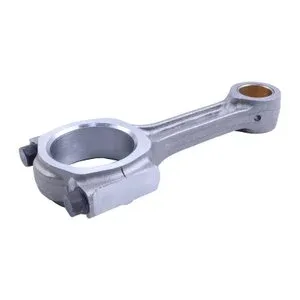
STD Connecting Rod for Komatsu 3D82 – Scheduled Maintenance Service Part
<p><strong>STD Connecting Rod for Komatsu 3D82 / Yanmar 3TN82E, 3TNV82A, 3TNE82 Engines — High-Grade Alloy Steel</strong></p> <ul> <li>New aftermarket replacement connecting rod at standard oversize grade, precision-machined big and small end bores aligned to crankshaft journals and piston pins.</li> <li>Replacing rods at scheduled bottom-end intervals prevents mid-cycle teardowns; pairing with matched bearings and bolts extends service predictability across mixed Komatsu and Yanmar fleets.</li> </ul> <p>Maintenance cycle guidance and inspection intervals supplied with every order.</p>
Lead Time
2-5 Days
Warranty
3-12 Months
Min. Order
1 Piece
Ships To
120+ Countries
Request a Quote
Response within 24 hours
Product Details
Lifecycle Planning Support — Stocking STD connecting rods ahead of scheduled overhauls prevents reactive downtime across aging Komatsu 3D82 and Yanmar 3TN-series fleets.
Technical Specifications
| Parameter | Value |
|---|---|
| Product Type | Connecting Rod |
| Condition | New Aftermarket |
| Oversize Grade | STD |
| Material | High-grade alloy steel |
| Warranty | 3–12 months against manufacturing defects |
| Minimum Order Quantity | 1 piece |
| Manufacturing Standard | ISO 9001 |
| Machine Fitment | 3D82, 3D82AE, 3TN82E, 3TNV82A, 3TNE82 |
| Brand Compatibility | Komatsu, Yanmar |
Application Suitability
| Service Interval | What to Check |
|---|---|
| Bottom-end overhaul (typically 8,000–12,000 operating hours) | Big-end bore ovality, bolt stretch, bearing shell condition |
| Mid-life refresh for rental fleet turnaround | Crankshaft journal scoring, piston pin bore wear |
| Older engine lifecycle extension (3TN82E, 3TNV82A) | Availability of matched bearings and fasteners, crankshaft regrind status |
| Scheduled fleet maintenance across mixed Komatsu / Yanmar equipment | Engine serial variant, rod bolt torque history, previous rebuild grade |
Why Reactive Rod Replacement Drives Repeat Teardowns
Ordering a single connecting rod after a knock usually means the surrounding wear components have already exceeded their service window.
In my time around mining fleets in West Africa, I have watched a single failed connecting rod turn into a cascading bottom-end disaster. One operator replaced only the damaged rod on a Komatsu 3D82 engine without re-balancing or inspecting the remaining three, and within a season the crankshaft journals were scored beyond regrind. The machine sat idle while a full crankshaft assembly was sourced — a far costlier outcome than a planned bottom-end refresh [NEED_CITE: planned versus reactive maintenance cost multipliers in heavy diesel engines]. When a STD connecting rod fails or shows fatigue, the adjacent rods, bearings, bolts, and often the crankshaft itself have endured the same thermal and mechanical cycles. Treating the failure as an isolated event invites a second teardown weeks later. Fleet operators who schedule STD connecting rod maintenance service part replacement alongside matched bearings and fasteners avoid this compounding downtime, particularly on older Yanmar 3TN82E and 3TNV82A platforms where dealer inventory is thinning.
Where the Connecting Rod Sits in the Machine’s Service Life
The connecting rod occupies a critical midpoint in the engine’s wear hierarchy — it outlasts bearings and seal kits but will not survive multiple overhaul cycles without inspection. On Komatsu 3D82 and Yanmar 3TN-series engines, the rod’s big-end bore gradually develops ovality from repeated combustion loading, eventually compromising the oil film between the bearing shell and crankshaft journal. When this STD connecting rod maintenance service part reaches the point where bore measurements fall outside tolerance, replacing it alongside new bearings and rod bolts restores the bottom-end assembly to predictable service intervals. Waiting for audible knock or oil pressure loss means the crankshaft has likely already sustained journal damage.
Reading Wear Signs Before They Become Catastrophic Failures
Big-end bore ovality and bolt stretch are the two measurable indicators that a connecting rod is approaching end of service life. On engines like the Yanmar 3TNE82 working continuous mining or agricultural duty cycles, thermal fatigue accumulates in the rod bolt threads long before visible cracking appears [NEED_CITE: fatigue failure progression in alloy steel connecting rods under continuous heavy load]. A disciplined fleet maintenance program measures rod bore dimensions and bolt free-length at each scheduled oil pan drop, logging the data against the engine’s hour meter. This practice turns the STD connecting rod maintenance service part from an emergency purchase into a line item on a planned overhaul purchase order. For mixed fleets sharing the Komatsu 3D82 and Yanmar 3TN82E platform, consolidating rod inspection across all machines on the same base engine simplifies spare parts forecasting and ensures matched-grade components are available when the overhaul window arrives.
Material and Machining Details That Affect Overhaul Outcomes
High-grade alloy steel provides the fatigue resistance required for the tensile and compressive loading cycles inside a small-displacement turbocharged diesel engine. The heat treatment process determines how well the rod resists micro-cracking at the big-end cap parting line — a common initiation point for catastrophic failure on rods that have seen multiple rebuild cycles. Precision-machined big-end and small-end bores must maintain concentricity within tight tolerances so that bearing shells seat evenly and piston pin alignment remains true. When a STD connecting rod maintenance service part is sourced for an engine whose crankshaft journals have been previously ground undersize, the bearing shell selection must compensate — the rod itself remains STD grade, but the bearings shift to match the reground journal dimension. Overlooking this relationship is one of the most common causes of premature bearing failure after a bottom-end refresh.
The Hidden Cost of Treating One Rod as an Isolated Repair
Replacing a single connecting rod without refreshing the full set of bearings, bolts, and balance-matched rods introduces uneven loading across the crankshaft. On a Komatsu 3D82AE working in a high-vibration excavator application, that imbalance accelerates main bearing wear and can initiate harmonic fatigue in the remaining rods [NEED_CITE: crankshaft harmonic fatigue from unbalanced reciprocating mass in multi-cylinder diesel engines]. The operator saves on one rod today and pays for a complete crankshaft replacement plus a second full teardown within months. For Yanmar 3TNV82A engines in rental fleet service, the compounding effect is even more visible — a machine returned from a contract with one new rod and three fatigued originals will fail inspection on the next pre-rental survey, forcing an unplanned shop visit that delays the next contract. Planning STD connecting rod maintenance service part replacement as a matched bottom-end set avoids these repeat interventions and keeps fleet availability predictable.
Why Procurement Alignment Matters for Lifecycle Parts
Sourcing connecting rods, bearings, bolts, and gaskets from one supplier under one warranty removes the finger-pointing that occurs when components from multiple vendors fail at different rates. Our selected production lines and qualified sourced supply both carry identical QC and warranty terms, so a mixed order for Komatsu 3D82 and Yanmar 3TN82E bottom-end components ships under a single accountability structure. Guangzhou warehouse stock on common items enables fast dispatch for scheduled overhauls that cannot wait on multi-week production lead times. Part identification works from an engine model, serial number, photograph, or nameplate image — useful when older 3TN82E nameplates have corroded past legibility. Cross-reference verification covers superseded and alternate numbers so that fleet managers ordering for mixed-platform equipment receive confirmed-compatible components. Sample supply is available for fitment confirmation before a bulk commitment locks in inventory for the next overhaul cycle.
Documentation & Verification
- Commercial invoice and packing list referencing engine model and rod grade
- Compatibility and cross-reference sheet (reference only) for Komatsu and Yanmar serial variants
- Dimensional inspection record covering big-end bore, small-end bore, and center distance
- Warranty terms document specifying coverage for manufacturing defects on rotating assembly parts
- Packing photographs showing individual rod protection and consignment labeling
- HS code and customs documentation support for cross-border fleet maintenance shipments
Service Interval & Stocking Guidance
- Inspect big-end bore ovality and bolt free-length at each scheduled oil pan drop to determine whether the STD connecting rod maintenance service part is due for replacement
- Stock one matched rod-and-bearing set per engine in the fleet to cover unscheduled bottom-end intervention without waiting on lead times
- Store rods in original protective packaging in a dry, temperature-stable environment to prevent bore surface corrosion before installation
- Log crankshaft journal condition at each overhaul to track whether STD or undersize bearings will be required at the next cycle
- Align stocking quantities across Komatsu 3D82 and Yanmar 3TN-series engines sharing the same base platform to reduce duplicate inventory
- Review fleet hour-meter data quarterly to forecast overhaul windows and consolidate rod orders ahead of peak maintenance seasons
Requesting a Lifecycle Supply Quote
Provide the engine model, serial number, and current hour-meter reading so that we can confirm which rod variant matches your specific Komatsu 3D82, 3D82AE, 3TN82E, 3TNV82A, or 3TNE82 build. If your crankshaft has been previously reground, share the machining record so that bearing grade can be matched correctly to the STD rod. Fleet operators managing multiple machines on this platform are encouraged to submit their overhaul schedule for consolidated stocking recommendations.
Frequently Asked Questions
Q: How often should connecting rods be inspected in Komatsu 3D82 and Yanmar 3TN-series engines?
A: Inspect rod bore dimensions and bolt free-length at every scheduled bottom-end access, typically during bearing refresh intervals. On engines in continuous mining or heavy excavation duty, this falls within standard overhaul windows. Logging measurements against operating hours builds a wear trend that predicts when a STD connecting rod maintenance service part replacement becomes necessary before crankshaft damage occurs.
Q: What symptoms suggest the connecting rod or its bearings are nearing end of service life?
A: Early indicators include measurable big-end bore ovality beyond specification, rod bolt stretch past the manufacturer’s free-length limit, and irregular bearing shell wear patterns visible during oil pan inspection. Audible knock or oil pressure fluctuation typically indicates the wear has already progressed to the crankshaft journal. Planning replacement at the measurement stage avoids cascading bottom-end damage.
Q: Should rod bolts and bearings always be replaced alongside the connecting rod?
A: Yes — rod bolts experience tensile fatigue that is not visible externally, and reusing them risks clamping failure under combustion load. Bearing shells must be matched to both the rod bore condition and the crankshaft journal grade. Replacing the STD connecting rod maintenance service part as a matched set with new bolts and bearings restores the assembly to predictable service intervals and avoids premature re-failure.
Q: How many spare connecting rods should a mixed fleet keep in stock?
A: A practical baseline is one complete matched set per engine platform, plus individual rods equal to the number of machines running that engine. For fleets operating both Komatsu 3D82 and Yanmar 3TN82E variants, consolidating stock around the shared base platform reduces inventory complexity while ensuring coverage for unscheduled bottom-end intervention.
Q: Can parts support continue for older Yanmar 3TN82E engines as dealer stock declines?
A: Aftermarket supply for these older platforms remains available through qualified manufacturing partners. Confirming the exact engine serial number ensures the correct rod variant is matched, as minor differences exist across production runs. Planning orders ahead of overhaul windows rather than reacting to failures ensures lead time does not extend machine downtime.
Compatible Brands
Our parts are engineered to meet or exceed OEM specifications. Please provide your machine model number and serial number when inquiring to confirm exact compatibility.
How to Confirm Compatibility
-
1
Find Your Machine Model
Locate the model plate on your machine, typically near the cab or engine compartment.
-
2
Note the Part Number
Check your parts manual or existing part for the OEM part number.
-
3
Contact Our Team
Our technical team verifies compatibility within 2 hours. Send us the details via the inquiry form or WhatsApp.
Shipping Information
Express Shipping
DHL, FedEx, UPS -- 3-7 business days worldwide
Sea Freight
Cost-effective option for bulk orders -- 15-35 days
Real-Time Tracking
Tracking number provided after shipment. 24/7 support available.
Warranty Policy
All parts come with manufacturer warranty. Duration varies by product category.
- Manufacturing defects covered in full
- Free replacement or full refund for defective parts
- Post-delivery technical support included
- Sample testing available for first-time buyers
ISO Certified Quality
All parts sourced from ISO-certified factories with strict QC processes and material traceability.
Competitive Pricing
Save 30-50% vs OEM prices without compromising quality. Transparent pricing with no hidden fees.
Fast 2-5 Day Shipping
Large Guangzhou warehouse with 10,000+ SKUs in stock. Most orders ship within 2-5 business days.
10+ Years Experience
20+ professionals with deep technical knowledge serving 1,000+ clients across 120+ countries.
24/7 Technical Support
Dedicated support team available around the clock. Part verification within 2 hours of inquiry.
Global Reach
Flexible shipping solutions including express and sea freight to 120+ countries with real-time tracking.
Related Products
More parts you might need
Block & Internal Parts
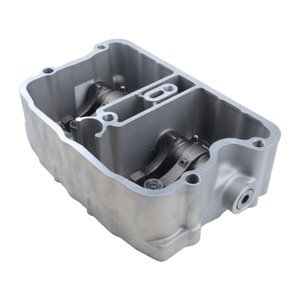
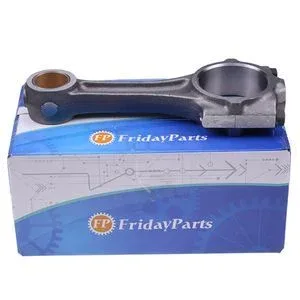
Connecting Rod 17311-22010 for Kubota V1500 V1702DI – Fleet Supply
View Details

Need a Custom Quote?
Our technical team responds within 24 hours. MOQ 1 piece. Ships to 120+ countries from our Guangzhou warehouse.