
Emission & Exhaust System
Emission & Exhaust System
ISO Certified
Ships 2-5 Days
MOQ 1 Piece
Emission & Exhaust System
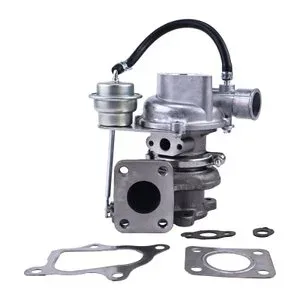
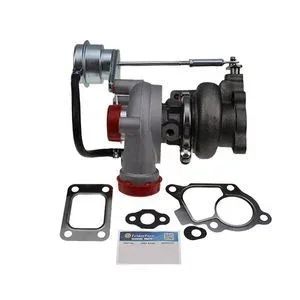
TD04L4 Turbo 7008469 Replacement for Bobcat S630 Fleet Supply
<p><strong>TD04L4 Turbocharger 7008469 Replacement for Bobcat S630, New Aftermarket</strong> — compatible with Bobcat S630, S650, T630, T650 and Kubota V3307-DI-TE3-Q, V3300T engines under ISO 9001 production standards.</p> <ul> <li>Plan replacement at scheduled service intervals when boost pressure drops, exhaust temperatures climb, or oil consumption shifts, preventing costly downstream engine damage</li> <li>Component-level turbo exchange suits machines with remaining service life; full assembly swap fits units nearing overhaul</li> <li>Inspect air filters, oil feed lines, and exhaust connections during turbo service to address root-cause faults</li> </ul> <p>Replacement interval guidance ships with every order to support fleet maintenance scheduling.</p>
Lead Time
2-5 Days
Warranty
3-12 Months
Min. Order
1 Piece
Ships To
120+ Countries
7008469
Bobcat S630
Fleet Supply
For Bobcat
TD04L4
turbocharger
Request a Quote
Response within 24 hours
Prefer instant chat?
WhatsApp
Product Details
Fleet Stocking Plan — Kubota V3307-DI-TE3-Q turbo replacement cycles mapped to your Bobcat skid steer service schedule, keeping critical spares on hand before failure strikes.
Technical Specifications
| Parameter | Value |
|---|---|
| Part Number | 7008469 |
| Product Type | Turbocharger |
| Turbo Model | TD04L4 |
| Cross-Reference | 7008469 (reference only) |
| Machine Fitment | Bobcat S630, S650, T630, T650 |
| Engine Compatibility | Kubota V3307-DI-TE3-Q, V3300T |
| Condition | New Aftermarket |
| Warranty | 3–12 months against manufacturing defects |
| MOQ | 1 piece |
| Quality Standard | ISO 9001 |
Application Suitability
| Service Interval | What to Check |
|---|---|
| Every 1,500 operating hours | Boost pressure baseline and oil line condition on Kubota V3307 engines |
| Every 2,500 operating hours | Compressor wheel play and exhaust housing erosion in Bobcat S630/S650 units |
| Scheduled major service | Full air intake tract, intercooler connections, and crankcase ventilation system |
| End-of-season fleet review | Stock levels against projected consumption for mixed Bobcat and Kubota fleets |
Planning Turbocharger Service Part Replacement Before the Machine Fails
Ordering after failure means weeks of idle iron—scheduling turbocharger service part replacement during planned downtime keeps revenue flowing.
Running a mixed fleet of Bobcat S630 and S650 skid steers across mining and construction sites means turbo failures are not a matter of if, but when. I have watched operators in Central Asian mining regions lose entire production windows because a single TD04L4 turbo failed mid-cycle and the replacement was sitting in a warehouse on another continent. The machines sat idle, burning contract penalties while procurement scrambled. [NEED_CITE: fleet preventive maintenance scheduling for diesel-powered compact equipment]
The Kubota V3307-DI-TE3-Q engine that powers these Bobcat models works hard in dusty, high-load conditions that accelerate turbine and bearing wear far beyond what clean-room lab testing suggests. Waiting for obvious symptoms like blue smoke or complete boost loss means you are already reacting to damage that may have spread to the intercooler or intake tract.
Where This Turbo Sits in Your Machine’s Service Life
A turbocharger is not a lifetime component—it occupies a predictable window in the ownership lifecycle of every Kubota-powered Bobcat skid steer you operate. Understanding that window is the difference between a planned swap during a scheduled service event and an emergency that cascades into missed deadlines. The TD04L4 unit fitted to the V3307-DI-TE3-Q typically requires attention as the machine moves through its mid-life phase, where accumulated heat cycles and particulate ingestion begin to degrade compressor efficiency. Planning turbocharger service part replacement at this stage prevents downstream damage to the engine’s intake and exhaust systems.
Reading the Wear Signals Before Catastrophic Failure
Boost pressure that drops gradually over several hundred hours, exhaust gas temperatures that climb beyond historical baselines, and oil consumption that creeps upward without visible leaks—these are the progression markers that signal a turbo approaching end of service life. [NEED_CITE: turbocharger wear progression indicators in heavy-duty diesel applications] On Bobcat T630 and T650 track loaders working extended shifts in abrasive environments, these indicators appear sooner than the manufacturer’s general guidance suggests. Inspecting the turbine wheel shaft for axial and radial play during routine oil changes gives you a quantifiable measure of remaining turbo life. Catching wear at the early play stage means a straightforward turbo swap; waiting until the shaft seizes or the compressor wheel contacts the housing turns a component replacement into a full intake system decontamination.
What the Specifications Mean for Your Fleet Decisions
The TD04L4 designation refers to a Mitsubishi-family turbo architecture sized for the displacement and boost requirements of the Kubota V3307 and V3300T engines. The L4 variant indicates a specific turbine housing trim and compressor wheel profile matched to the air delivery needs of these engines under continuous load. Selecting the correct trim variant matters because even within the same base turbo family, a mismatch in turbine A/R ratio will shift the boost curve, potentially leaving the engine starved at low RPM or over-boosted at high load.
New aftermarket condition means this unit is built to the dimensional and performance envelope of the original fitment without the supply chain constraints that affect older Bobcat models as the manufacturer thins its parts support over time. The ISO 9001 production standard ensures batch consistency across your fleet orders, so every unit you pull from stock behaves identically on the dyno. [NEED_CITE: aftermarket turbocharger dimensional and performance verification standards]
The Compounding Cost of Reactive Procurement
Fleets that treat turbochargers as run-to-failure components accumulate hidden costs that far exceed the part itself. When a turbo fails unexpectedly on a Bobcat S650 at a remote site, the machine cannot be moved to the workshop under its own power. You are paying for transport, you are paying for the operator’s idle time, and you are paying for whatever contract milestone that machine was supposed to hit. [NEED_CITE: unplanned downtime cost modeling for compact construction equipment] The reactive approach also means you are buying on urgency rather than planning, accepting whatever lead time and whatever variant is available rather than the one your maintenance schedule calls for. Over a five-year ownership cycle, fleets that react to turbo failures consistently spend more on emergency logistics and secondary damage repairs than fleets that stock and replace proactively.
Why This Supply Source Supports Lifecycle Planning
Our own production lines and qualified sourced supply carry the same warranty terms, so you manage one account whether you are ordering a single turbo for an emergency or a pallet for your regional depot. Eight product categories mean the air filters, oil feed lines, and exhaust gaskets that accompany a turbo swap ship in the same consignment, eliminating the split-shipment delays that strand machines in the yard. Minimum order from one piece means you can validate fitment on a single Bobcat S630 before committing to fleet-wide stock. Our Guangzhou warehouse holds common items for fast dispatch, and our technical team verifies cross-reference accuracy against superseded numbers so you never receive a variant that does not match your engine serial range. Sample supply before bulk commitment removes the risk of stocking a turbo that looks right on paper but does not seat correctly on your specific Kubota V3307-DI-TE3-Q build.
Documentation & Verification
- Commercial invoice listing each turbo by part number and destination machine model
- Compatibility and cross-reference sheet confirming 7008469 interchange reference
- Dimensional inspection record covering turbine housing and compressor flange measurements
- Warranty terms specifying coverage period and manufacturing defect scope
- Packing photographs documenting protective crating before container loading
- HS code classification support for customs clearance at destination
Service Interval & Stocking Guidance
- Schedule turbo inspection at every major service interval on Kubota V3307-equipped Bobcat machines
- Check compressor wheel tip clearance and shaft play as early indicators of TD04L4 wear progression
- Stock one turbo per five active machines in your fleet to cover predictable mid-life replacements
- Store sealed units in climate-controlled conditions to prevent bearing corrosion before installation
- Review consumption history annually and adjust stocking quantity as your fleet ages past initial warranty
- Plan replacement during scheduled engine-out events to combine labor costs with adjacent component swaps
Tell Us What You Need to Plan
Share your fleet composition including Bobcat model variants and Kubota engine serial numbers, along with current operating hours on each unit. We will map recommended turbo replacement windows against your existing service calendar and suggest stocking quantities that match your utilization patterns. If you have machines approaching the mid-life threshold where TD04L4 units typically require attention, we can prioritize those in your procurement timeline.
Frequently Asked Questions
Q: How often should I plan to replace the turbocharger on Bobcat skid steers?
A: Replacement timing depends heavily on operating environment and load profile. In clean, moderate-duty applications, the TD04L4 on Kubota V3307 engines can serve through multiple scheduled service intervals. In dusty mining or heavy continuous-load conditions, we recommend inspection at every major service and proactive replacement planning once shaft play or boost degradation becomes measurable. Your operating history is the most reliable guide.
Q: What warning signs indicate the turbo needs replacement before complete failure?
A: Gradual boost pressure loss, rising exhaust gas temperatures, increasing oil consumption without visible leaks, and audible whine or whistle from the turbo housing under load are all progression markers. Checking compressor wheel shaft play during oil changes gives you a direct mechanical indicator. Catching these signals early allows planned replacement rather than emergency response.
Q: Should I replace just the turbo or inspect the entire air intake and exhaust system?
A: Always inspect the full air pathway when swapping a turbo. Oil residue in the intercooler, degraded intake hoses, and exhaust leaks upstream of the turbine can all contribute to premature turbo failure or mask the root cause. Replacing the turbo without addressing these adjacent conditions often leads to accelerated wear on the new unit.
Q: How many turbos should I keep in stock for my fleet maintenance program?
A: A practical starting point is one turbocharger per five active machines operating in similar conditions. Adjust upward if your fleet works in high-dust or continuous-load environments, or if your machines are entering the age range where turbo replacement frequency typically increases. Review actual consumption annually and revise your stocking target accordingly.
Q: Will this turbo remain available for older Bobcat and Kubota models in the future?
A: As manufacturer support for older machine generations thins, aftermarket supply becomes the primary source for replacement components. We maintain production and sourcing channels for the TD04L4 turbo fitted to Kubota V3307 and V3300T engines, supporting continued operation of Bobcat S630, S650, T630, and T650 models well past their initial service life.
Compatible Brands
CAT
KOMATSU
HITACHI
VOLVO
HYUNDAI
DOOSAN
KOBELCO
SANY
XCMG
Our parts are engineered to meet or exceed OEM specifications. Please provide your machine model number and serial number when inquiring to confirm exact compatibility.
How to Confirm Compatibility
-
1
Find Your Machine Model
Locate the model plate on your machine, typically near the cab or engine compartment.
-
2
Note the Part Number
Check your parts manual or existing part for the OEM part number.
-
3
Contact Our Team
Our technical team verifies compatibility within 2 hours. Send us the details via the inquiry form or WhatsApp.
Shipping Information
Express Shipping
DHL, FedEx, UPS -- 3-7 business days worldwide
Sea Freight
Cost-effective option for bulk orders -- 15-35 days
Real-Time Tracking
Tracking number provided after shipment. 24/7 support available.
Warranty Policy
3-12
Months Warranty
All parts come with manufacturer warranty. Duration varies by product category.
- Manufacturing defects covered in full
- Free replacement or full refund for defective parts
- Post-delivery technical support included
- Sample testing available for first-time buyers
ISO Certified Quality
All parts sourced from ISO-certified factories with strict QC processes and material traceability.
Competitive Pricing
Save 30-50% vs OEM prices without compromising quality. Transparent pricing with no hidden fees.
Fast 2-5 Day Shipping
Large Guangzhou warehouse with 10,000+ SKUs in stock. Most orders ship within 2-5 business days.
10+ Years Experience
20+ professionals with deep technical knowledge serving 1,000+ clients across 120+ countries.
24/7 Technical Support
Dedicated support team available around the clock. Part verification within 2 hours of inquiry.
Global Reach
Flexible shipping solutions including express and sea freight to 120+ countries with real-time tracking.
Related Products
More parts you might need
Emission & Exhaust System
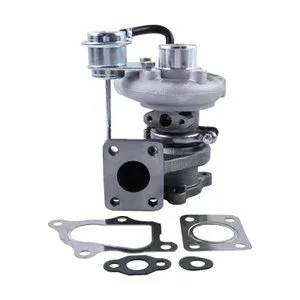
TD03 Turbocharger 1J403-17013 Service Part for Kubota Engine V2003T V2403
View Details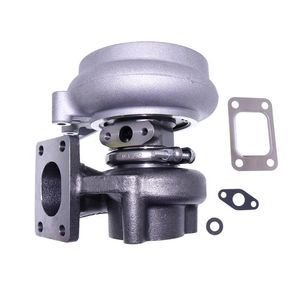
Emission & Exhaust System
TD04HL Turbocharger for CAT 3044C & Mitsubishi S4S – OEM Replacement
View Details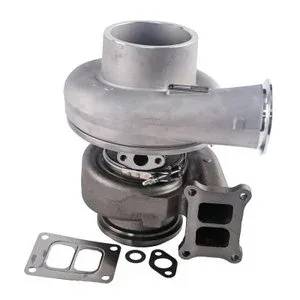
Emission & Exhaust System
HT60 Turbocharger 3804566 for Cummins N14 – Scheduled Maintenance
View DetailsNeed a Custom Quote?
Our technical team responds within 24 hours. MOQ 1 piece. Ships to 120+ countries from our Guangzhou warehouse.