

Belt Drive Systems
Belt Drive Systems
ISO Certified
Ships 2-5 Days
MOQ 1 Piece
Belt Drive Systems
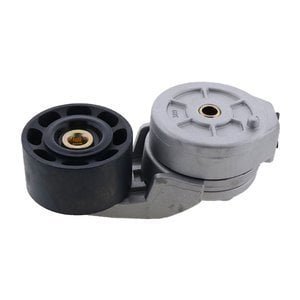
Tensioner Belt 3937553 for Cummins B3.9L/5.9L – Scheduled Maintenance
<p><strong>Tensioner Belt 3937553 (cross-reference only), Belt Tensioner for Cummins 4BT/6BT/6BTA 5.9L</strong> — replacement for B3.9L/5.9L serpentine drive systems.</p> <ul> <li>Scheduled replacement prevents belt slippage, accessory bearing wear, and cascading drive failures across fleet operations</li> <li>Pair with idler pulleys and serpentine belts during planned service to refresh the full drive system in one maintenance window</li> <li>SAE 1045 steel arm with zinc-nickel plating for fatigue and corrosion resistance in demanding job site environments</li> </ul> <p>Replacement interval guidance included with shipment to support your fleet maintenance planning.</p>
Lead Time
2-5 Days
Warranty
3-12 Months
Min. Order
1 Piece
Ships To
120+ Countries
3937553
Belt Drive Systems
belt tensioner
Cummins B3.9L
Cummins Compatible
Service Part
Request a Quote
Response within 24 hours
Prefer instant chat?
WhatsApp
Product Details
Legacy Engine Support — Sourcing drive system service parts for aging Cummins B-series platforms where dealer inventories have thinned over the years.
Technical Specifications
| Parameter | Value |
|---|---|
| Product Type | Belt Tensioner |
| Cross-Reference | 3937553 (reference only) |
| Machine Fitment | 4BT, 6BT, 6CT, 4BTA, 6BTA 5.9L, NT855 |
| Engine Compatibility | Cummins B3.9L / 5.9L series |
| Arm Material | SAE 1045 forged steel |
| Heat Treatment | 42–46 HRC surface hardness |
| Pivot Bushing | Sintered bronze with PTFE impregnation |
| Spring Force | 280–320 N at 10 mm deflection |
| Dimensional Tolerance | ±0.15 mm on mounting interfaces |
| Surface Treatment | Zinc-nickel plating (12 μm thickness) |
| Corrosion Resistance | Exceeds 720 hours per ASTM B117 salt spray test |
| Operating Temperature | -20°C to +120°C |
| Condition | New Aftermarket |
| Warranty | 6 months against manufacturing defects |
| Quality Standard | ISO 9001 |
Application Suitability
| Service Interval | What to Check |
|---|---|
| Every major service (1,500–2,000 hours) | Arm oscillation at idle, belt tracking alignment, pivot bearing play |
| Belt replacement event | Tensioner arm pivot torque, spring return force, pulley surface condition |
| Cooling system overhaul | Water pump drive tension, accessory bracket bolt torque, serpentine belt routing |
| Alternator or AC compressor swap | Bearing condition on driven accessories, tensioner pulley runout |
| Pre-season fleet inspection (rental/mining) | Cold-start belt squeal, charging voltage stability, visible corrosion on arm |
Planning Belt Tensioner Service Part Maintenance Before Failure Strikes
A tensioner that fails mid-cycle takes the entire accessory drive with it.
On job sites from Gulf port terminals to remote mining concessions, I have watched a single neglected belt tensioner cascade into burned serpentine belts, overheated water pumps, and dead alternators — each compounding the downtime of the last. Fleet managers who treat this component as a planned service part, replaced on schedule rather than on failure, avoid the repair chain reaction that turns a minor maintenance line item into a multi-day breakdown event [NEED_CITE: planned versus reactive maintenance cost multipliers in heavy equipment fleets]. For Cummins B-series engines still running in legacy excavators, loaders, and generator sets, keeping 3937553 (cross-reference only) in the scheduled maintenance rotation is one of the simplest ways to protect uptime across an aging fleet.
Where the Tensioner Sits in Your Engine’s Service Life
The belt tensioner controls tension across the entire serpentine drive on Cummins 4BT, 6BT, and 6BTA 5.9L engines, linking crankshaft output to the alternator, water pump, and any auxiliary drives. It is a wear item by design — its internal spring and pivot bushing degrade with every thermal cycle and hour of vibration. Replacing it as part of belt tensioner service part maintenance during a scheduled service event, rather than waiting for audible belt squeal or voltage fluctuation, keeps the replacement simple and avoids secondary damage to adjacent components.
Recognizing the Shift from Serviceable to Failed
Early tensioner wear shows as subtle arm oscillation visible at idle, a brief squeal on cold start that disappears once the belt warms, or a slow drift in charging voltage under load. These signals often get dismissed as normal aging, but they indicate that spring force is dropping below the threshold needed to maintain belt grip on the water pump pulley. When the tensioner finally seizes or the arm breaks, the belt departs its routing within seconds, and the engine loses cooling and charging simultaneously. Catching the degradation window means the replacement is a planned fifteen-minute job instead of a field emergency [NEED_CITE: serpentine belt drive failure progression in diesel engines].
Engineering Decisions That Extend Time Between Replacements
The SAE 1045 forged steel arm, heat-treated to 42–46 HRC, resists the cyclic torsional fatigue that causes cast arms to crack near the pivot after extended service. The sintered bronze pivot bushing, impregnated with PTFE, maintains consistent friction characteristics across the -20°C to +120°C operating range — critical for machines that idle in Gulf summer heat or cold-start at altitude. Zinc-nickel plating at 12 μm thickness provides corrosion protection that exceeds 720 hours of ASTM B117 salt spray exposure, which matters for port equipment and marine auxiliary engines operating in chloride-rich atmospheres where standard zinc plating fails within a single season.
The Cumulative Cost of Reactive Tensioner Procurement
Fleet operators who buy tensioners only after a failure have already absorbed the cost of the belt that slipped, the water pump that ran hot, and potentially the alternator diode bridge that was damaged by voltage spikes during the event. Over a fleet of twenty machines, this reactive pattern produces a steady drip of unplanned downtime — each incident small enough to escape the maintenance manager’s attention, but large enough in aggregate to shift the fleet’s availability percentage downward. The machines most vulnerable are the older Cummins 6BT and 4BTA units in equipment where the dealer has already stopped stocking drive system parts as a priority line [NEED_CITE: impact of aging equipment on parts availability and unplanned downtime].
Why Source This Tensioner Through XUNPO
XUNPO manufactures selected part lines in-house and sources the remainder from ISO-certified partners, both carrying identical QC and warranty terms — so this belt tensioner ships with the same six-month manufacturing defect warranty regardless of which production line it came from. The eight-category product coverage means your serpentine belt, idler pulley, and accessory drive bearings can ship in the same consignment as the tensioner, eliminating the split-order delays that strand machines on the rack. Orders start at one piece for emergency replenishment but scale to fleet-level batch quantities that align with your maintenance calendar. Cross-reference verification covers superseded and alternate numbers, which matters for B-series engines where production-era variations shifted the accessory drive layout. Technical support is available to confirm compatibility against your engine serial number before you commit to a bulk order.
Documentation & Verification
- Commercial invoice and packing list referencing belt tensioner 3937553 and engine compatibility
- Cross-reference sheet listing 3937553 (reference only) alongside verified superseded numbers
- Quality inspection record confirming spring force calibration and pivot torque values
- Six-month warranty terms covering manufacturing defects on tensioner arm, spring, and bushing
- Packing photographs documenting individual retail box condition before crate closure
- HS code classification support for customs clearance across GCC and African import corridors
Service Interval & Stocking Guidance
- Replace the belt tensioner at every second belt change or at 3,000–4,000 operating hours, whichever arrives first
- Inspect pivot bearing play and arm oscillation at each 500-hour service to catch early spring fatigue
- Stock one tensioner per machine in active fleet plus a shared buffer of two to three units for legacy equipment
- Store in dry, indoor conditions away from direct sunlight — PTFE-impregnated bushing degrades under prolonged UV exposure
- Rotate stock on a first-in-first-out basis to prevent shelf-life corrosion even on plated components
- Pair each tensioner order with matching serpentine belts and idler pulleys to refresh the full drive system in one service event
Requesting a Maintenance Planning Quote
Provide your Cummins engine model, serial number, and current operating hours so the technical team can verify the correct accessory drive variant and confirm whether superseded part numbers apply to your production era. Fleet operators should share their maintenance calendar and machine count to receive batch quantities aligned with planned service windows. For aging equipment where the data plate is worn, a photograph of the existing tensioner and accessory bracket enables cross-reference verification before procurement.
Frequently Asked Questions
Q: Should the belt tensioner be replaced on hours or calendar intervals for Cummins B-series engines?
A: Operating hours are the primary driver because spring fatigue accumulates with engine run time and thermal cycles. However, machines that sit idle for extended periods in humid or coastal environments can develop pivot bushing corrosion that degrades tensioner function regardless of hours. For fleet planning, set the replacement at 3,000–4,000 hours or every second belt change, and add a calendar trigger of two to three years for low-utilization standby generators or seasonal equipment.
Q: Is it necessary to replace the serpentine belt and idler pulley at the same time as the tensioner?
A: These three components share identical thermal and vibration exposure and typically reach end-of-life within the same service window. Replacing only the tensioner leaves a worn belt and degraded idler bearing in place, either of which can fail before the next scheduled service and negate the benefit of the new tensioner. Bundling all three into a single planned service event consolidates labor and ensures the entire accessory drive system is refreshed together.
Q: What early signs indicate the tensioner is losing spring force before a visible belt problem develops?
A: Brief belt squeal on cold start that disappears within seconds is often the first indicator, caused by momentary slip as the weakened spring fails to maintain grip during the initial torque surge. Charging voltage that fluctuates under varying electrical load, visible arm oscillation at idle, and uneven belt tracking across the pulley grooves all signal declining tension. These symptoms appear well before catastrophic failure, providing a window for planned replacement.
Q: How many belt tensioners should I stock per machine in my fleet?
A: A practical baseline is one unit assigned to each machine plus a shared buffer stock sized at roughly ten to fifteen percent of the active fleet count. This covers scheduled replacements without over-committing inventory. For legacy machines where supply is thinning, increasing the buffer to two units per machine provides insurance against the lead times that develop when sourcing parts for older Cummins 6BT and 4BTA platforms.
Compatible Brands
CAT
KOMATSU
HITACHI
VOLVO
HYUNDAI
DOOSAN
KOBELCO
SANY
XCMG
Our parts are engineered to meet or exceed OEM specifications. Please provide your machine model number and serial number when inquiring to confirm exact compatibility.
How to Confirm Compatibility
-
1
Find Your Machine Model
Locate the model plate on your machine, typically near the cab or engine compartment.
-
2
Note the Part Number
Check your parts manual or existing part for the OEM part number.
-
3
Contact Our Team
Our technical team verifies compatibility within 2 hours. Send us the details via the inquiry form or WhatsApp.
Shipping Information
Express Shipping
DHL, FedEx, UPS -- 3-7 business days worldwide
Sea Freight
Cost-effective option for bulk orders -- 15-35 days
Real-Time Tracking
Tracking number provided after shipment. 24/7 support available.
Warranty Policy
3-12
Months Warranty
All parts come with manufacturer warranty. Duration varies by product category.
- Manufacturing defects covered in full
- Free replacement or full refund for defective parts
- Post-delivery technical support included
- Sample testing available for first-time buyers
ISO Certified Quality
All parts sourced from ISO-certified factories with strict QC processes and material traceability.
Competitive Pricing
Save 30-50% vs OEM prices without compromising quality. Transparent pricing with no hidden fees.
Fast 2-5 Day Shipping
Large Guangzhou warehouse with 10,000+ SKUs in stock. Most orders ship within 2-5 business days.
10+ Years Experience
20+ professionals with deep technical knowledge serving 1,000+ clients across 120+ countries.
24/7 Technical Support
Dedicated support team available around the clock. Part verification within 2 hours of inquiry.
Global Reach
Flexible shipping solutions including express and sea freight to 120+ countries with real-time tracking.
Related Products
More parts you might need

Need a Custom Quote?
Our technical team responds within 24 hours. MOQ 1 piece. Ships to 120+ countries from our Guangzhou warehouse.