
Emission & Exhaust System
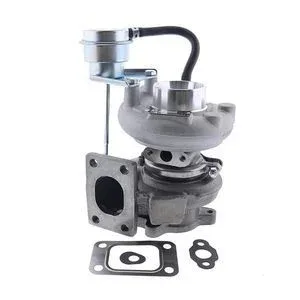
Turbocharger 482-8480 for CAT C3.8 – Scheduled Maintenance
<p><strong>Turbocharger 482-8480 for CAT C3.8 Engine, 7-Blade Compressor Wheel, 1.4 bar Boost</strong> — replacement for 272D2, 299D3, and related compact track loaders.</p> <ul> <li>Plan replacement around thermal cycling wear at 650°C exhaust temps; inspect oil return lines, intake ducting, and sealing surfaces alongside the turbo</li> <li>Stock ahead of predictable consumption for fleet-level maintenance budgeting across operating hour thresholds</li> </ul> <p>Maintenance interval recommendations provided with each shipment for long-term fleet planning.</p>
Lead Time
2-5 Days
Warranty
3-12 Months
Min. Order
1 Piece
Ships To
120+ Countries
Request a Quote
Response within 24 hours
Product Details
Fleet Stocking Plans — C3.8 loader turbos mapped against service intervals so replacements ship before thermal fatigue forces an unscheduled teardown.
Technical Specifications
| Parameter | Value |
|---|---|
| Part Number | 482-8480 |
| Cross-Reference | 482-8480, CA482-8480, 4828480 (reference only) |
| Product Type | Turbocharger |
| Engine Fitment | CAT C3.8 Engine |
| Machine Fitment | 272D2, 272D3, 272D3 XHP, 297D2, 297D2 XHP, 299D2, 299D2 XHP, 299D3, 299D3 XE, 299D3 XHP |
| Condition | New Aftermarket |
| Turbine Housing Material | Ni-resist D5S ductile iron |
| Compressor Wheel | 7-blade forged aluminum alloy (A380) |
| Shaft Assembly | Dual ceramic ball bearings with high-temp grease rated to 180°C |
| Surface Roughness | Ra ≤ 0.8 μm (ISO 4287) |
| Boost Pressure Verification | 1.4 bar |
| Turbine Wheel Balance | Up to 120,000 RPM |
| Boost Response Time | < 0.8 sec at 1,500 RPM |
| Flow Curve Tolerance | ±2.3% across 1,200–2,800 RPM range |
| Torque Specification | 22 N·m on turbine housing bolts |
| Hot-Soak Test | 4-hour at 160°C, no oil seepage |
| Standards | ISO 9001, ISO 4287 |
| Warranty | 6 months against manufacturing defects |
Application Suitability
| Service Interval | What to Check |
|---|---|
| Every 1,000 hours | Inspect turbine housing for heat cracking and compressor wheel for blade edge wear under demolition or quarry dust exposure. |
| Every 2,000 hours | Verify oil return line flow rate and inspect intake ducting for collapse or restriction that strains the turbo shaft bearings. |
| Every 3,000 hours | Evaluate full turbo replacement alongside exhaust manifold gaskets and oil feed line seals to prevent repeat failures. |
| Older 272D2 units past dealer support | Confirm engine serial variant to ensure correct port orientation and bolt pattern match on the turbine housing flange. |
Reacting to Failure Costs More Than Planning the Swap
A turbocharger service part for CAT C3.8 belongs in your scheduled parts list, not on an emergency air-freight order after the machine is already down.
When I was procuring for a fleet of skid steers across sites in Kalimantan, I watched three 299D3 loaders sit idle for over a week because no replacement turbo had been stocked locally. The exhaust gas temperatures during continuous trenching push well beyond normal highway duty cycles, yet the turbo was only ordered after it seized [NEED_CITE: thermal cycling fatigue thresholds for turbochargers in off-highway diesel service]. That reactive habit meant production revenue evaporated while a single component crossed two borders. Fleet operators who treat the turbocharger 482-8480 as a planned maintenance item rather than an unpredictable failure point recover far more operating hours across a fiscal year.
Where the Turbocharger Sits in the C3.8 Service Lifecycle
The turbocharger is the first rotating assembly exposed to combustion heat downstream of the exhaust valves, meaning it accumulates thermal stress on a cycle-by-cycle basis rather than a simple hour count. A turbocharger service part for CAT C3.8 operating in demolition or quarry loading sees exhaust gas temperatures that far exceed those in general earthmoving. This thermal load shortens the practical replacement window compared to the engine’s major overhaul interval, making the turbo a mid-life planned swap rather than a run-to-failure component.
Linked Wear That Demands Attention Before the Turbo Fails
When the shaft bearings begin to show play, the oil return line has typically been degrading alongside them. The high-temp grease rated to 180°C inside this unit’s dual ceramic ball bearings tells you what the operating environment demands — and what adjacent rubber and silicone components must also endure. Intake ducting collapses, exhaust manifold stud stretch, and oil feed line varnish all contribute to premature turbo failure. [NEED_CITE: intake and exhaust system degradation patterns in compact diesel loaders] Replacing only the turbo without addressing these neighbors means the new unit inherits the same hostile conditions and fails on a compressed timeline.
Reading the Specifications That Matter in the Field
The Ni-resist D5S ductile iron turbine housing resists thermal cracking better than standard grey iron because its nickel content stabilizes the microstructure through thousands of heat-up and cool-down cycles. Surface roughness held to Ra ≤ 0.8 μm on sealing faces ensures the gasket seats properly at the turbine flange, preventing the exhaust leaks that erode studs over time. The flow curve tolerance of ±2.3% across the 1,200–2,800 RPM band means the ECU receives predictable boost data, avoiding the fueling corrections that manifest as black smoke or hesitation during loading cycles. The 22 N·m torque spec on housing bolts is tight enough to seal but must be respected — over-torquing distorts the flange and creates the very leak the gasket was meant to prevent.
The Hidden Cost of Buying Only When Something Breaks
Every reactive turbo purchase means the loader was already non-productive when the order was placed. Across a fleet of eight machines, the cumulative effect of unplanned turbo failures — each demanding emergency freight, expedited customs clearance, and a mechanic pulled off preventive work — adds up to a meaningful portion of annual maintenance spend. Worse, a turbo that fails catastrophically can send fragments downstream into the intercooler or upstream into the exhaust aftertreatment, converting a planned component swap into a multi-system repair [NEED_CITE: secondary damage pathways following turbocharger disintegration in diesel engines]. Planned stocking eliminates this cascade.
Why Source This Turbocharger Through Our Account
Our own production lines and qualified sourced supply both carry identical quality inspection and warranty terms, so you order through one account regardless of which facility built your unit. Eight product categories sit under the same roof, meaning turbochargers ship alongside the exhaust gaskets, oil return lines, and air filters the job requires. Minimum order starts at one piece for emergency coverage but scales to fleet-level quantities without separate vendor management. Part identification works from a machine model alone when nameplates are worn past legibility. Cross-reference verification covers superseded and alternate numbers so older 272D2 machines remain supported. Technical staff confirm compatibility and grade before dispatch rather than after a misfit arrives on site.
Documentation & Verification
- Commercial invoice listing machine model and engine variant for each turbocharger line item
- Cross-reference sheet showing OEM interchange numbers marked as reference only
- Dimensional check record on turbine housing flange and oil port positions before dispatch
- Warranty terms covering manufacturing defects for six months from delivery
- Packing photographs documenting foam protection and sealed box condition at loading
- HS code assignment with customs documentation support for destination country import
Service Interval & Stocking Guidance
- Schedule turbocharger inspection at every 1,000-hour service on loaders working demolition or quarry duty
- Check compressor wheel blade edges for erosion and shaft play using a dial indicator at each interval
- Stock one replacement turbocharger 482-8480 per five machines operating in high-thermal environments
- Store spare units in sealed packaging away from moisture to preserve bearing grease integrity
- Rotate shelf stock so the oldest unit deploys first, preventing grease separation from prolonged static storage
- Record operating hours at turbo swap to build fleet-specific replacement intervals over successive cycles
Inquiry Preparation
Share your machine model, accumulated operating hours, and the duty cycle your loaders run — demolition, trenching, quarry loading, or mixed earthmoving. This information lets us confirm the correct engine variant fitment and recommend stocking quantities aligned with your fleet size and predicted consumption. For older machines approaching the edge of dealer support, provide the engine serial number so we can verify port orientation and flange compatibility before anything ships.
Frequently Asked Questions
Q: How often should the turbocharger be inspected or replaced on a C3.8 engine?
A: Inspect at every 1,000-hour service interval for shaft play, blade erosion, and oil seepage signs. Full replacement timing depends on duty cycle — loaders in continuous demolition or quarry work accumulate thermal fatigue faster than general earthmoving units. Replace proactively when shaft play exceeds tolerance rather than waiting for audible whine or boost loss, which indicate advanced bearing wear already affecting adjacent oil circuits.
Q: What operating conditions accelerate turbo wear on compact track loaders?
A: Sustained high-load cycles in quarry loading, demolition, and trenching push exhaust gas temperatures beyond typical ranges, accelerating turbine housing heat cracking and bearing grease breakdown. Dusty environments with inadequate air filtration allow abrasive particles to erode compressor wheel blades. Frequent cold-start shutdowns without idle cool-down periods also cook residual oil inside the bearing housing, forming carbon deposits that score the shaft surface.
Q: Should I replace just the turbo or inspect the full exhaust and intake system?
A: Always inspect the full system. Oil return lines, intake ducting, exhaust manifold gaskets, and oil feed line seals degrade under the same thermal conditions that wore out the turbo. Installing a fresh turbocharger onto degraded lines forces the new unit to operate under restricted flow or contaminated oil conditions, compressing its service life. Budget for gaskets and seals alongside the turbo itself.
Q: How many spare turbos should a fleet of 299D3 loaders keep on hand?
A: A practical starting point is one spare turbocharger 482-8480 for every five machines in active high-thermal service. Adjust upward if your site is remote from parts supply or if operating hours exceed typical annual averages. Track each unit’s swap history to refine this ratio — some fleets running abrasive quarry environments find a higher stocking ratio justified by shorter observed service intervals.
Q: Can I still source replacement turbos for older 272D2 machines?
A: Yes. Cross-reference verification covers superseded part numbers and alternate references so correct fitment is confirmed even when the original dealer listing has been discontinued. Provide the machine model and engine serial number so we can match port orientation, flange bolt pattern, and oil line connections to your specific build variant before dispatch.
Compatible Brands
Our parts are engineered to meet or exceed OEM specifications. Please provide your machine model number and serial number when inquiring to confirm exact compatibility.
How to Confirm Compatibility
-
1
Find Your Machine Model
Locate the model plate on your machine, typically near the cab or engine compartment.
-
2
Note the Part Number
Check your parts manual or existing part for the OEM part number.
-
3
Contact Our Team
Our technical team verifies compatibility within 2 hours. Send us the details via the inquiry form or WhatsApp.
Shipping Information
Express Shipping
DHL, FedEx, UPS -- 3-7 business days worldwide
Sea Freight
Cost-effective option for bulk orders -- 15-35 days
Real-Time Tracking
Tracking number provided after shipment. 24/7 support available.
Warranty Policy
All parts come with manufacturer warranty. Duration varies by product category.
- Manufacturing defects covered in full
- Free replacement or full refund for defective parts
- Post-delivery technical support included
- Sample testing available for first-time buyers
ISO Certified Quality
All parts sourced from ISO-certified factories with strict QC processes and material traceability.
Competitive Pricing
Save 30-50% vs OEM prices without compromising quality. Transparent pricing with no hidden fees.
Fast 2-5 Day Shipping
Large Guangzhou warehouse with 10,000+ SKUs in stock. Most orders ship within 2-5 business days.
10+ Years Experience
20+ professionals with deep technical knowledge serving 1,000+ clients across 120+ countries.
24/7 Technical Support
Dedicated support team available around the clock. Part verification within 2 hours of inquiry.
Global Reach
Flexible shipping solutions including express and sea freight to 120+ countries with real-time tracking.
Related Products
More parts you might need

Emission & Exhaust System
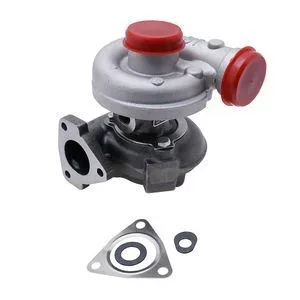
Turbocharger S1B 315666 | Scheduled Maintenance for Deutz BF3L914 BF4M1011F
View Details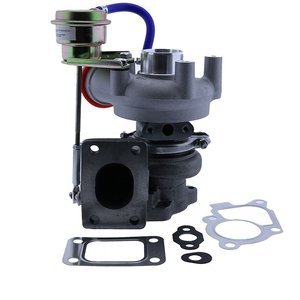
Emission & Exhaust System
TD04L4 Turbocharger 436-1920 for CAT C3.3B Engine – Direct Replacement
View DetailsNeed a Custom Quote?
Our technical team responds within 24 hours. MOQ 1 piece. Ships to 120+ countries from our Guangzhou warehouse.