
Emission & Exhaust System
Emission & Exhaust System
ISO Certified
Ships 2-5 Days
MOQ 1 Piece
Emission & Exhaust System
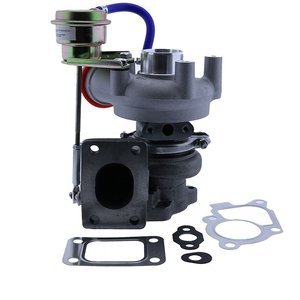
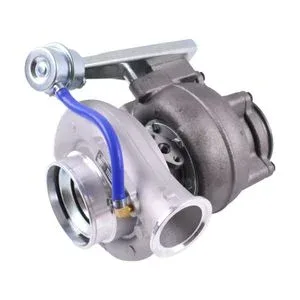
Turbocharger TD04HL 234-4894 for CAT 3044C – Scheduled Maintenance
<p><strong>Turbocharger TD04HL 234-4894 for CAT 3044C / C3.4 Engines, Mitsubishi S4S Compatible</strong> — replacement for skid steer loaders and compact track loaders operating under demanding duty cycles.</p> <ul> <li>Scheduled replacement at predictable service intervals prevents unplanned downtime from power loss, excessive exhaust smoke, or unusual turbo noise</li> <li>Consider replacing gaskets, oil feed lines, and air filters alongside the turbocharger during planned maintenance to avoid secondary failures</li> <li>Supports long-term fleet operation even as OEM support thins for older machine platforms</li> </ul> <p>Replacement interval recommendations provided with shipment to support your maintenance planning.</p>
Lead Time
2-5 Days
Warranty
3-12 Months
Min. Order
1 Piece
Ships To
120+ Countries
234-4894
CAT 3044C
CAT Compatible
Service Part
TD04HL Turbo
turbocharger
Request a Quote
Response within 24 hours
Prefer instant chat?
WhatsApp
Product Details
Scheduled Maintenance Planning — Turbocharger TD04HL 234-4894 stock levels aligned to CAT 3044C service intervals keep fleet turnaround predictable across skid steer and compact track loader operations.
Technical Specifications
| Parameter | Value |
|---|---|
| Part Number | 234-4894 |
| Product Type | Turbocharger |
| Cross-Reference | 234-4894, 235-4964, 314-9972, 314-9898, 49189-02710, 49189-02711, 49189-02720, 49189-02721, 49189-10530 (reference only) |
| Machine Fitment | 236B, 236B2, 236B3, 242B3, 246B, 246C, 248B, 252B, 252B3, 256C, 257B3, 259B3, 262B, 262C, 262C2, 267B, 268B, 272C, 277B, 277C, 277C2, 279C, 279C2, 287B, 287C, 287C2, 289C, 289C2, 297C |
| Turbo Model | TD04HL-13G-8.5, TD04HL-13G |
| Engine Compatibility | CAT 3044C, CAT C3.4, Mitsubishi S4S, Mitsubishi 4D31T A47GT |
| Condition | New Aftermarket |
| Warranty | 3-12 months against manufacturing defects |
| Standards | ISO 9001 |
Application Suitability
| Service Interval | What to Check |
|---|---|
| 1,500–2,000 operating hours | Shaft play, boost pressure stability, and oil feed line condition |
| 3,000–4,000 operating hours | Compressor and turbine wheel blade erosion, wastegate function |
| End-of-life replacement | Gasket sealing surfaces, exhaust manifold cracks, intake hose integrity |
| Rental turnaround between contracts | Smoke color under load, unusual whining or grinding noise at spool-up |
| Older machine lifecycle extension | Aftermarket supply continuity, cross-reference verification for superseded numbers |
Why Reactive Turbo Replacement Costs More Than Planned Swaps
Ordering a turbocharger after failure means the machine sits idle while freight moves across borders.
On a mining site in West Africa, I watched a CAT 3044C-powered skid steer sit non-operational for nearly three weeks because the turbocharger failed unexpectedly and no replacement was on hand. The crew had noticed power loss and dark exhaust smoke for weeks but treated it as normal aging. By the time the turbocharger service part was ordered, the unit had already caused secondary damage to the exhaust manifold gasket and contaminated the intake tract with oil residue [NEED_CITE: turbocharger failure progression and secondary intake contamination in diesel engines]. A planned replacement cycle based on operating hours eliminates that gap entirely.
Where the Turbocharger Sits in the Machine Service Life
The turbocharger on a CAT 3044C or C3.4 engine occupies a mid-life wear position — it is not a consumable like filters or belts, but it does not last the full engine lifecycle either. For skid steer loaders and compact track loaders running in dusty mining or construction environments, the turbocharger service part typically requires attention between major overhauls. Recognizing this position allows fleet managers to align turbocharger maintenance with other scheduled service events rather than treating it as an emergency repair.
Wear Symptoms That Signal Approaching End-of-Service
The TD04HL turbocharger reveals its condition through measurable symptoms long before catastrophic failure. Gradual power loss under load, increasing exhaust smoke density during acceleration, and a high-pitched whine that grows louder over successive operating shifts all point to bearing wear or blade erosion. Oil consumption rising without visible external leaks often traces back to turbo shaft seal degradation [NEED_CITE: diesel engine turbocharger bearing wear indicators and oil consumption correlation]. Scheduling replacement at this stage — rather than waiting for shaft seizure or wheel fragmentation — protects the engine from ingesting metal debris and avoids a far costlier bottom-end overhaul.
Interpreting the TD04HL Designation and Variant Differences
The TD04HL-13G-8.5 and TD04HL-13G designations describe the turbine housing geometry and compressor trim, parameters that directly affect boost delivery characteristics at the operating RPM range of the CAT 3044C and Mitsubishi S4S engines. The 13G compressor wheel profile is matched to the airflow demand of these 3.3 to 3.4 liter displacement platforms. Using a turbocharger with incorrect trim or housing ratio causes either sluggish boost response at low RPM or excessive backpressure at high load — neither condition is immediately destructive, but both accelerate engine wear over hundreds of operating hours. The Mitsubishi 4D31T A47GT variant shares the same turbocharger platform but may differ in oil drain flange orientation, making machine serial range verification essential before stocking.
The Hidden Cost of Deferred Turbocharger Replacement
Fleet operators who defer turbocharger maintenance until complete failure absorb compounding costs beyond the part itself. A seized turbocharger can send hardened steel fragments into the intake manifold, scoring cylinder walls and damaging piston crowns — converting a single-component swap into a partial engine rebuild. Even without catastrophic disintegration, prolonged operation with a degraded turbocharger forces the engine to run richer than designed, accelerating carbon buildup on injectors and exhaust valves [NEED_CITE: effects of reduced boost pressure on diesel combustion efficiency and carbon deposition]. Across a fleet of twenty or more skid steers, the cumulative downtime from reactive replacements consistently exceeds what a scheduled stocking program would have cost.
Why Source This Turbocharger Through Our Supply Channel
Our Guangzhou facility maintains stock of the TD04HL turbocharger for the full range of compatible CAT and Mitsubishi engine platforms, enabling fleet-level orders to ship as a single consignment. We produce selected part lines in-house and source the remainder from ISO-certified manufacturing partners, with both categories carrying identical warranty terms. Each turbocharger ships with a cross-reference verification sheet covering the superseded numbers 235-4964, 314-9972, and 314-9898 so buyers can confirm interchange compatibility. Minimum order starts at one unit, but fleet operators benefit from consolidated pricing tiers when stocking multiple machines. Technical support is available to confirm variant selection based on engine serial range, and sample units can be supplied for fitment verification before bulk commitment [NEED_CITE: aftermarket turbocharger cross-reference verification methods for superseded part numbers].
Documentation & Verification
- Commercial invoice listing all turbocharger part numbers and cross-references for customs clearance
- Compatibility sheet mapping TD04HL variants to specific CAT 3044C and C3.4 engine serial ranges
- Dimensional inspection record covering oil feed and drain flange measurements before dispatch
- Warranty terms document specifying coverage period aligned to fleet operating intensity
- Packing photographs showing protective crating for turbine housing and compressor wheel during transit
- HS code classification support for turbocharger import documentation across destination countries
Service Interval & Stocking Guidance
- Inspect turbocharger shaft play and boost pressure every 500 operating hours on machines in dusty environments
- Replace the TD04HL turbocharger at signs of audible whine or visible shaft wobble during pre-start checks
- Stock one replacement unit per five machines in active fleet rotation to cover unplanned failures
- Store spare turbochargers in sealed packaging with desiccant to prevent bearing corrosion during shelf life
- Rotate stock every eighteen months and reinstall older units into machines approaching scheduled service
Planning Your Fleet Turbocharger Inventory
Provide your machine models, engine serial numbers, and current operating hour ranges so we can recommend appropriate stock quantities and verify correct variant fitment. Sharing your typical service interval schedule allows us to align turbocharger dispatch timing with your planned maintenance windows. For older machines where OEM support is thinning, confirm the units you intend to keep in long-term service so we can verify ongoing supply availability for those specific platforms.
Frequently Asked Questions
Q: How often should the turbocharger be inspected or replaced on a CAT 3044C engine?
A: Inspection should occur at every major service interval, typically every 500 hours, checking shaft play, boost pressure, and oil feed line condition. Actual replacement timing depends on operating environment — machines in high-dust mining sites may need turbocharger service part replacement sooner than those in clean construction applications. Monitor for power loss, smoke, and unusual noise as primary indicators.
Q: What symptoms indicate the turbo is nearing end of service life?
A: Gradual power loss under load, dark exhaust smoke during acceleration, increasing oil consumption without external leaks, and a high-pitched whine that intensifies over successive shifts all signal approaching turbocharger end-of-life. Any visible shaft wobble when the intake hose is removed confirms bearing wear requiring immediate attention before secondary engine damage occurs.
Q: Should I replace just the turbo or the associated gaskets and oil lines at the same time?
A: Always replace the oil feed and drain gaskets alongside the turbocharger, as reusing compressed gaskets risks oil leaks that can starve the new unit of lubrication. Inspect oil feed lines for internal carbon buildup and replace if restricted. Air intake hoses and exhaust manifold gaskets should also be evaluated and replaced if showing heat cracking or hardening.
Q: How many units should I keep in stock for a fleet of skid steers?
A: A practical guideline is one spare turbocharger per five machines in active rotation, adjusted upward if your fleet operates in severe dust conditions or runs extended shifts. Review your historical replacement frequency across the fleet to refine this number. Consolidated stocking through a single supplier reduces administrative overhead and ensures consistent warranty terms.
Q: Will this turbocharger remain available for older machines over the long term?
A: We maintain aftermarket production and sourcing for the TD04HL platform covering the full cross-reference chain including superseded numbers. Older machines past thinning OEM support benefit from this continuity. Confirm your specific machine serial ranges with our technical team so we can verify long-term availability and advise on any variant transitions that affect fitment.
Compatible Brands
CAT
KOMATSU
HITACHI
VOLVO
HYUNDAI
DOOSAN
KOBELCO
SANY
XCMG
Our parts are engineered to meet or exceed OEM specifications. Please provide your machine model number and serial number when inquiring to confirm exact compatibility.
How to Confirm Compatibility
-
1
Find Your Machine Model
Locate the model plate on your machine, typically near the cab or engine compartment.
-
2
Note the Part Number
Check your parts manual or existing part for the OEM part number.
-
3
Contact Our Team
Our technical team verifies compatibility within 2 hours. Send us the details via the inquiry form or WhatsApp.
Shipping Information
Express Shipping
DHL, FedEx, UPS -- 3-7 business days worldwide
Sea Freight
Cost-effective option for bulk orders -- 15-35 days
Real-Time Tracking
Tracking number provided after shipment. 24/7 support available.
Warranty Policy
3-12
Months Warranty
All parts come with manufacturer warranty. Duration varies by product category.
- Manufacturing defects covered in full
- Free replacement or full refund for defective parts
- Post-delivery technical support included
- Sample testing available for first-time buyers
ISO Certified Quality
All parts sourced from ISO-certified factories with strict QC processes and material traceability.
Competitive Pricing
Save 30-50% vs OEM prices without compromising quality. Transparent pricing with no hidden fees.
Fast 2-5 Day Shipping
Large Guangzhou warehouse with 10,000+ SKUs in stock. Most orders ship within 2-5 business days.
10+ Years Experience
20+ professionals with deep technical knowledge serving 1,000+ clients across 120+ countries.
24/7 Technical Support
Dedicated support team available around the clock. Part verification within 2 hours of inquiry.
Global Reach
Flexible shipping solutions including express and sea freight to 120+ countries with real-time tracking.
Related Products
More parts you might need
Emission & Exhaust System
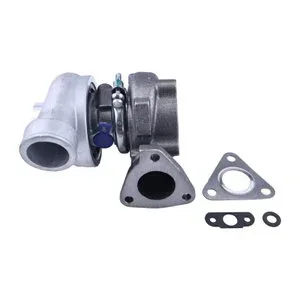
TD04L Turbocharger 187154 – Scheduled Maintenance for Deutz BF4L2011
View Details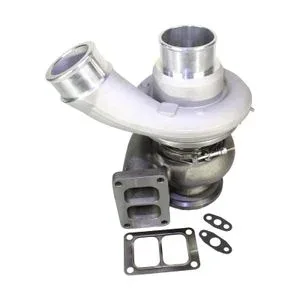
Emission & Exhaust System
Turbocharger HX40W Replacement for Cummins QSL ISL ISC8.3 Long-Life
View DetailsNeed a Custom Quote?
Our technical team responds within 24 hours. MOQ 1 piece. Ships to 120+ countries from our Guangzhou warehouse.